
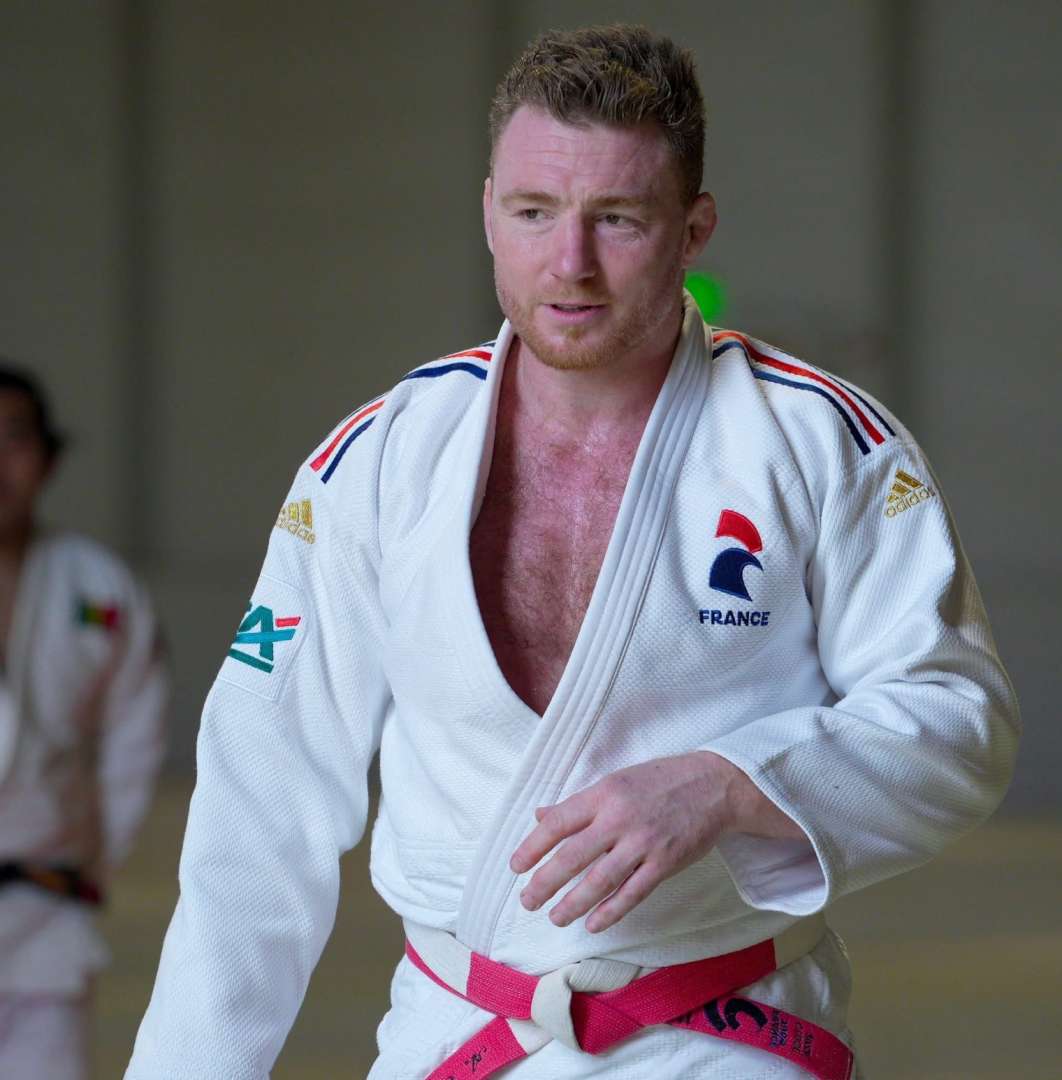
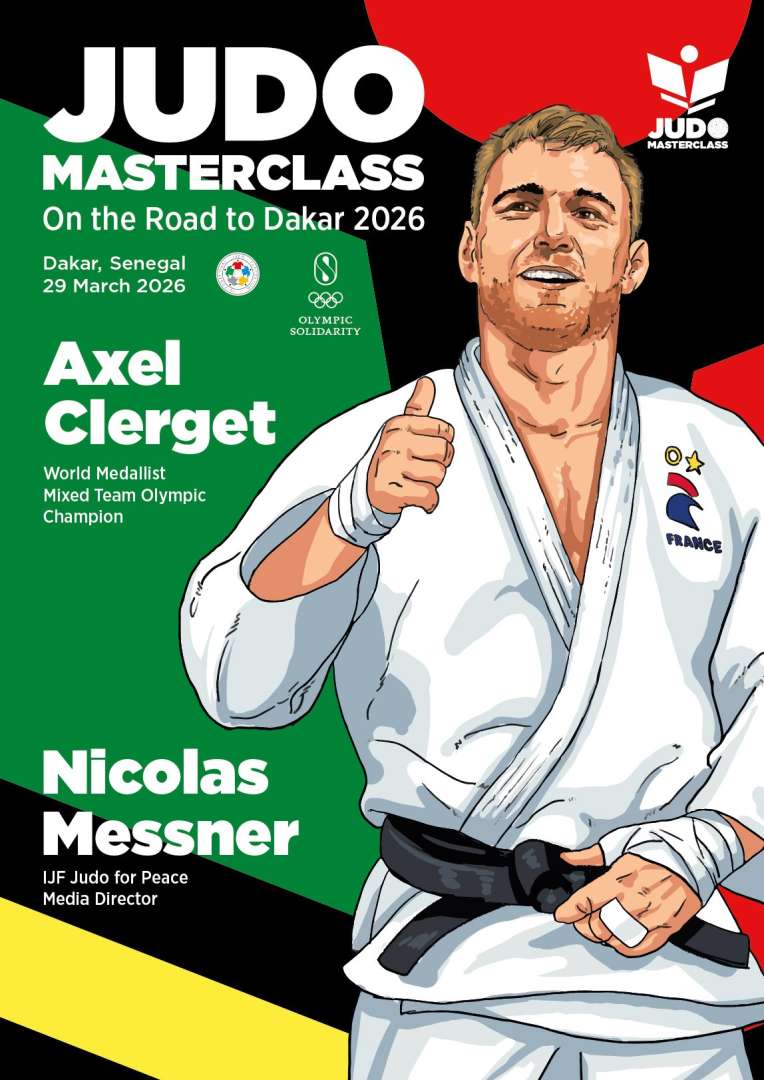
From the outset, Clerget expressed how honoured and genuinely happy he was to be involved in such an initiative. For him, the experience went far beyond a simple technical seminar. He spoke of a deep personal sense of responsibility when it comes to sharing knowledge, a principle rooted in his upbringing. “Transmission is a duty,” he explained, recalling the influence of his father, who is also a judo teacher. “Not passing on what you have learned is a mistake.” This philosophy shaped his entire approach throughout the masterclass.
Working with a committed group of participants allowed for interaction and meaningful exchanges. Clerget highlighted the differences of cultural and training approach, noting in particular the remarkable respect shown by the young judoka. He was especially struck by the use of the term “master,” a level of deference no longer common in Europe, and by the discipline demonstrated in repetition and respect for the sensei. This created a focused and respectful learning environment that left a strong impression on him.
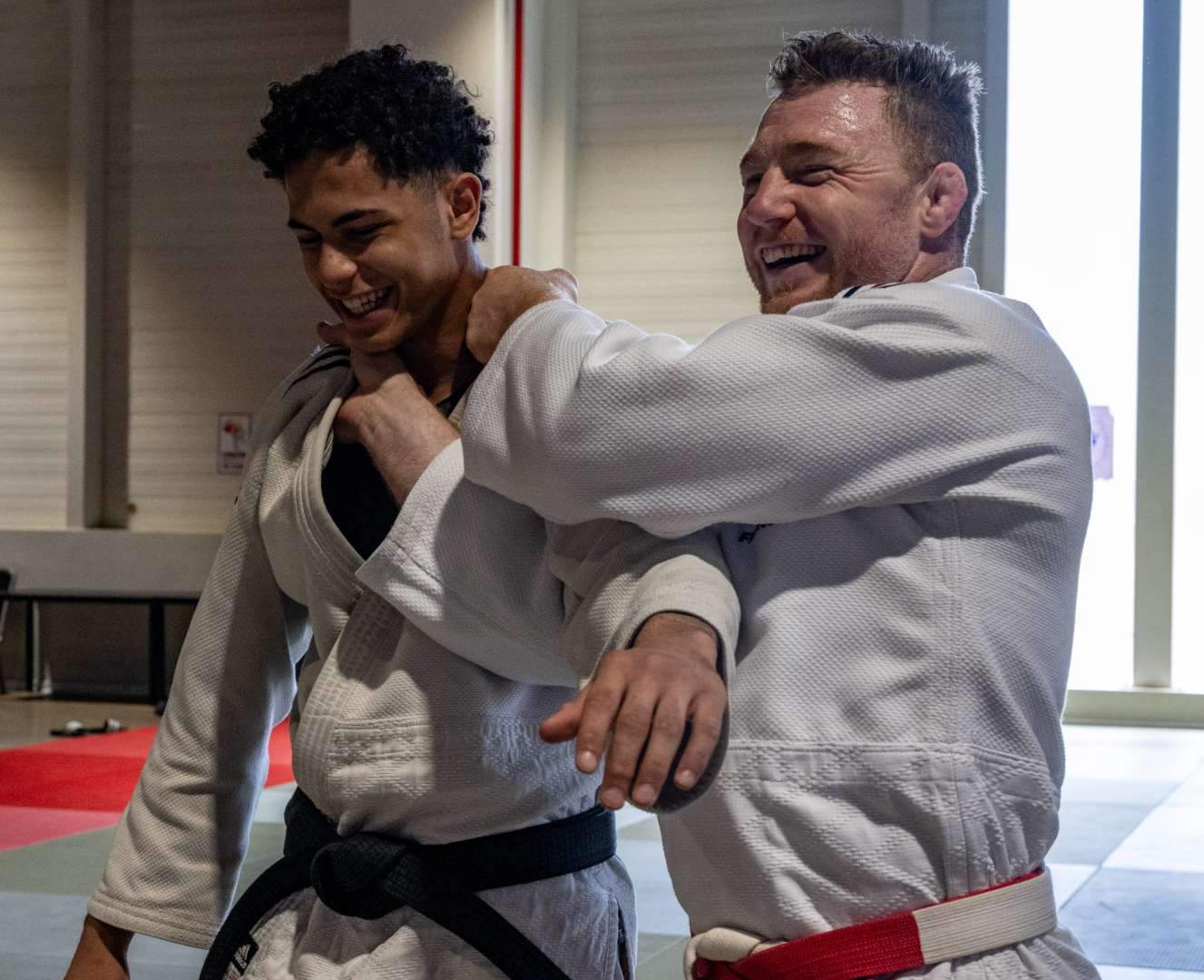
Technically, he was pleasantly surprised by the athletes’ level, particularly their mobility work on the ground. While he observed that many were not yet able to transfer these skills into randori or competition situations fully, something he noted is common at cadet level. He emphasised that the foundations were clearly there. “They have incredible abilities,” he said, “and now they need to learn how to exploit them.” His teaching therefore focused deliberately on simple, fundamental techniques, reinforcing the importance of mastering the basics as a pathway to higher performance.
Beyond the tatami, Clerget described the experience as deeply enriching on a human level. Having travelled extensively due to his judo career, he was not unfamiliar with different cultures, yet he still found the experience striking. He contrasted the fast-paced, performance-driven mindset often found in Europe with the stronger sense of social connection he encountered in Senegal. Despite material challenges, he observed a form of human richness and resilience, “They know how to do a lot with very little and that is a strength.” For him, these were powerful life lessons as much as sporting ones.
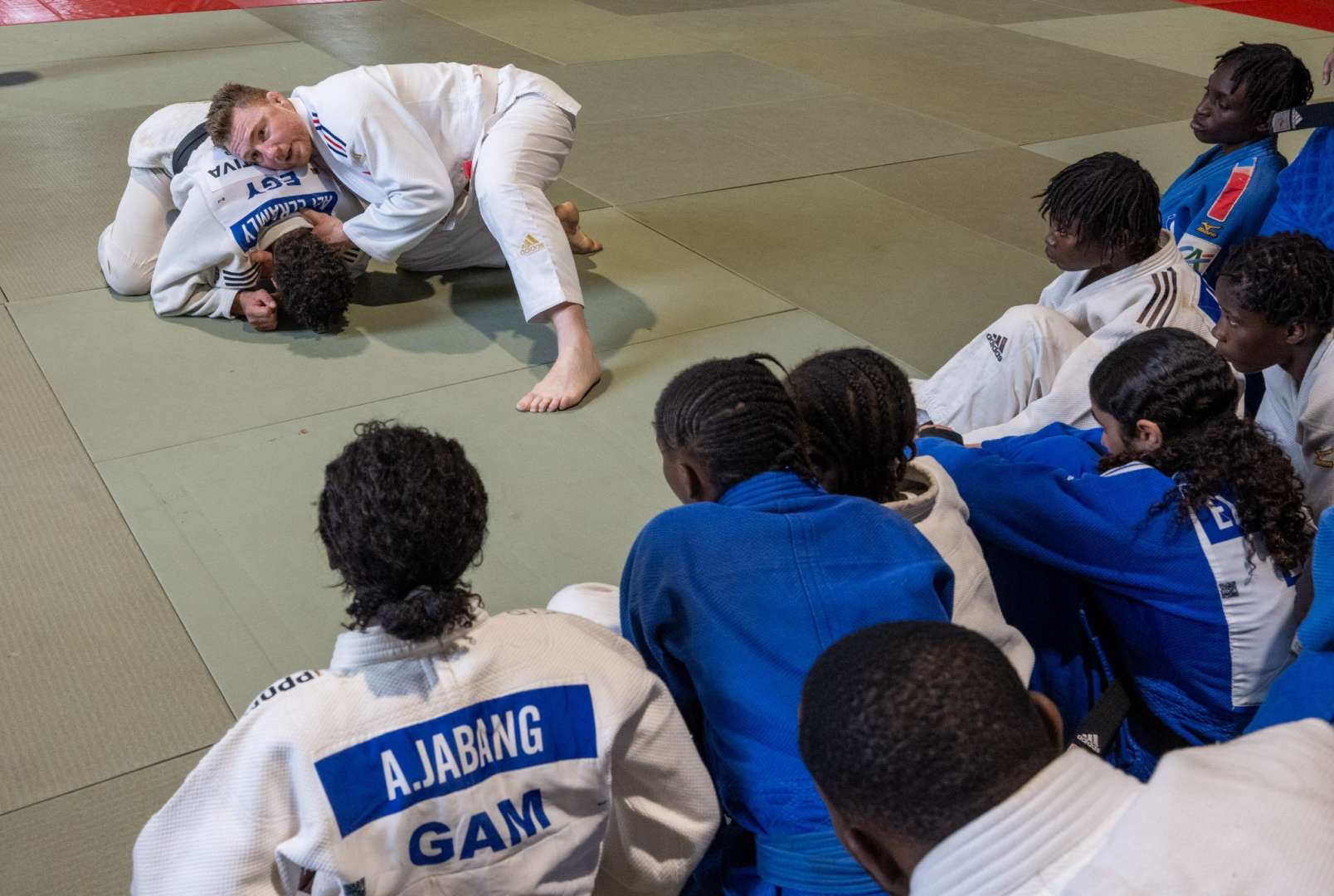
Clerget also underlined the immense potential of the African continent, both in terms of talent and development opportunities. At the same time, he acknowledged the scale of the challenge, particularly in terms of travel distances and access to international competition. He expressed a desire to return in the future, ideally, to visit local dojos and gain an even deeper understanding of everyday training conditions, underlining that continued engagement will be key to long-term progress.
Clerget also praised the overall organisation of the event and the accompanying African Cadet Cup. He noted the professional “look and feel” of the competition, with high-quality facilities such as a proper warm-up area, efficient refereeing and the use of video technology, all clear indicators of international standards. While minor logistical challenges were observed, he remained confident that the technical organisation for future major events, including the Youth Olympic Games, would be fully ready. “The competition will run well, I have no doubt about that,” he stated.
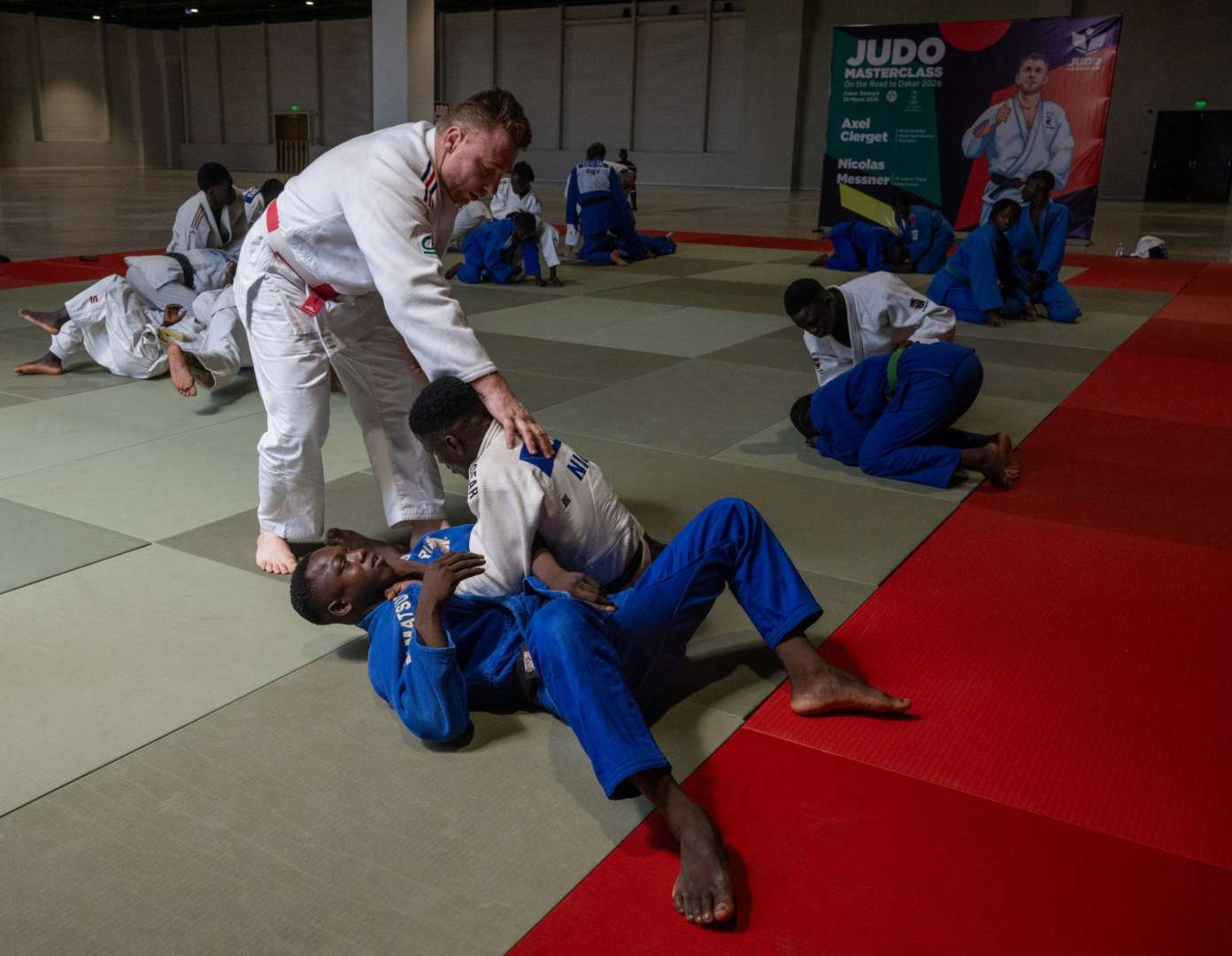
Finally, Clerget highlighted the importance of strengthening exchanges between continents. While African athletes frequently travel to Europe, he stressed that it is equally important for European judoka and experts to come to Africa, fostering mutual understanding and shared development.
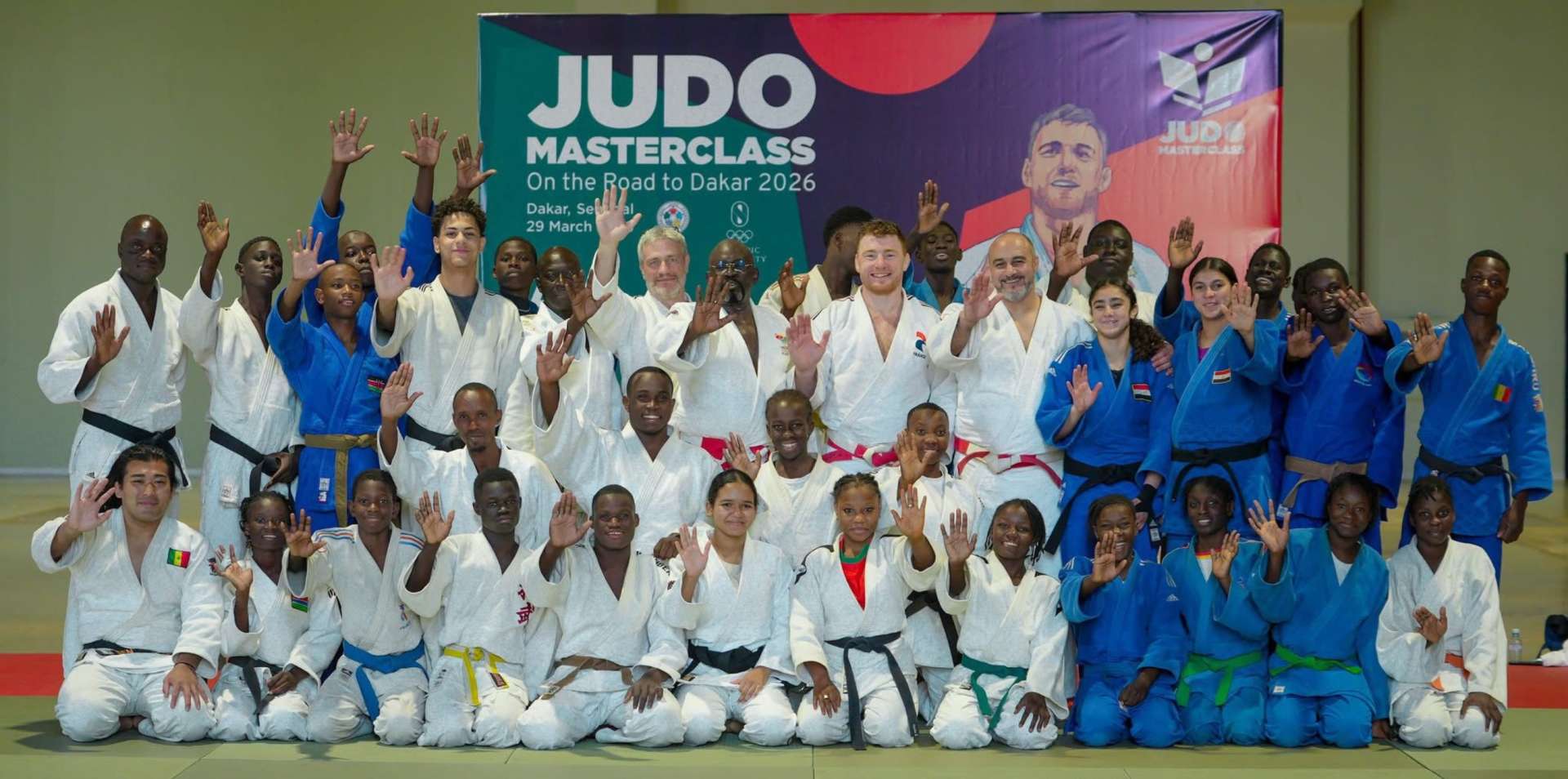
Proud and grateful to have taken on this role, Clerget concluded by thanking the IJF for its trust, reaffirming his willingness to contribute to future initiatives. For him, this experience marked a meaningful transition, from focusing solely on his own performance to dedicating time to others. “There is a time for yourself, a time with others and a time for others,” he reflected, a philosophy that encapsulated his approach perfectly throughout this inspiring journey in Dakar.
Photos © African Judo Union and Nicolas Messner.