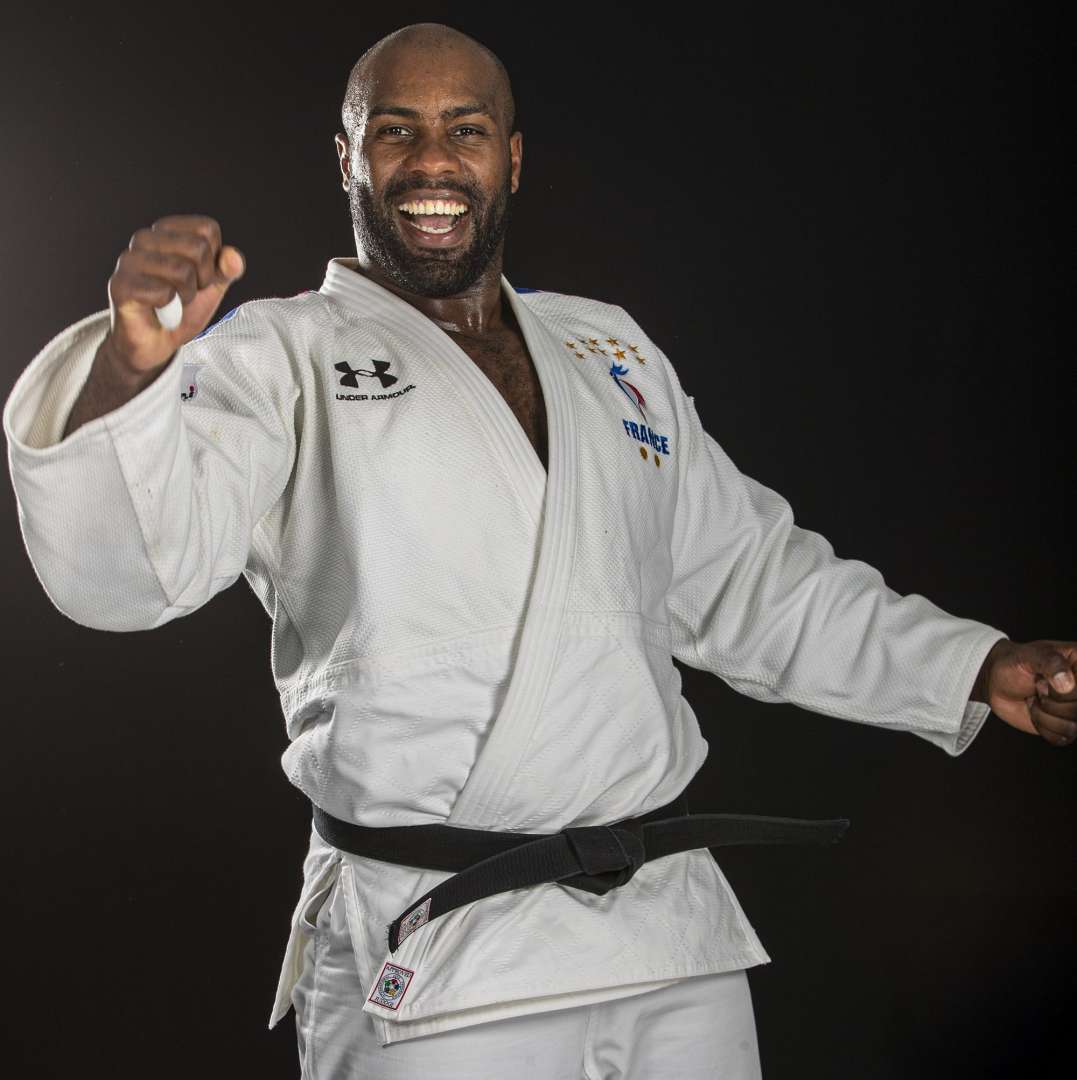

But in a rare, candid conversation, a very different Teddy Riner emerges, one who challenges the clichés of elite sport and offers a far more compelling story for today’s audiences. Behind the medals is a reflective, philosophical and unexpectedly vulnerable athlete whose mindset may explain not just how he won, but how he endured.
What follows are six surprising truths that reshape the public image of one of sport’s greatest legends and offer the media a fresh, human angle on a global icon.
1. Judo Is His Priority, Not His Entire Identity
Riner is clear: judo comes first. It is his “first target every morning,” but unlike the archetype of the obsessed champion, he refuses to let his sport consume his entire existence.
Outside the dojo, he is a businessman running his own judogi brand, a television personality co-hosting a show with his wife, and a deeply involved father. He doesn’t see these roles as distractions, he sees them as balance.
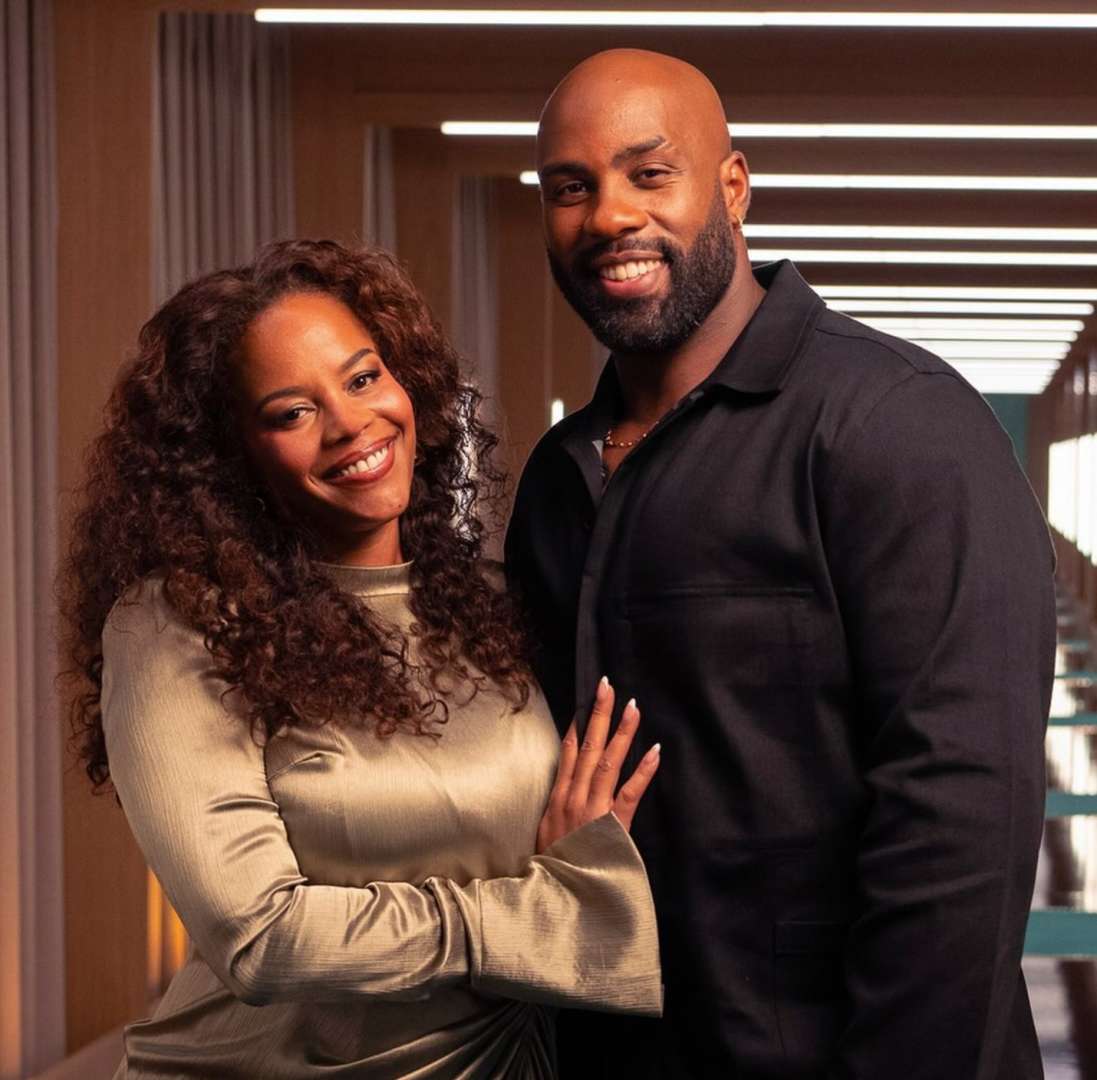
“We have just one life and I’m a guy who wants to try new things all the time.”
This philosophy, total focus without total exclusion, may be one of the most overlooked reasons behind his extraordinary longevity. By allowing himself to live fully, Riner protects the mental freshness required to compete at the highest level year after year.
2. He Doesn’t Want His Children to Be Judoka
For many sporting legends, legacy is inherited but not for Teddy Riner.
He admits openly that he’s relieved his children no longer practise judo. The reason is strikingly selfless: he wants to spare them the burden of comparison. “I don’t want someone to say, ‘Oh, you’re not like your daddy.’”
Rather than pushing his children toward his own path, Riner insists on their freedom to choose: tennis, basketball or something entirely different. He refuses to decide for them. His priority isn’t extending his legend; it’s protecting their individuality. In an era increasingly focused on athlete mental health and parenting under pressure, this stance resonates far beyond sport.
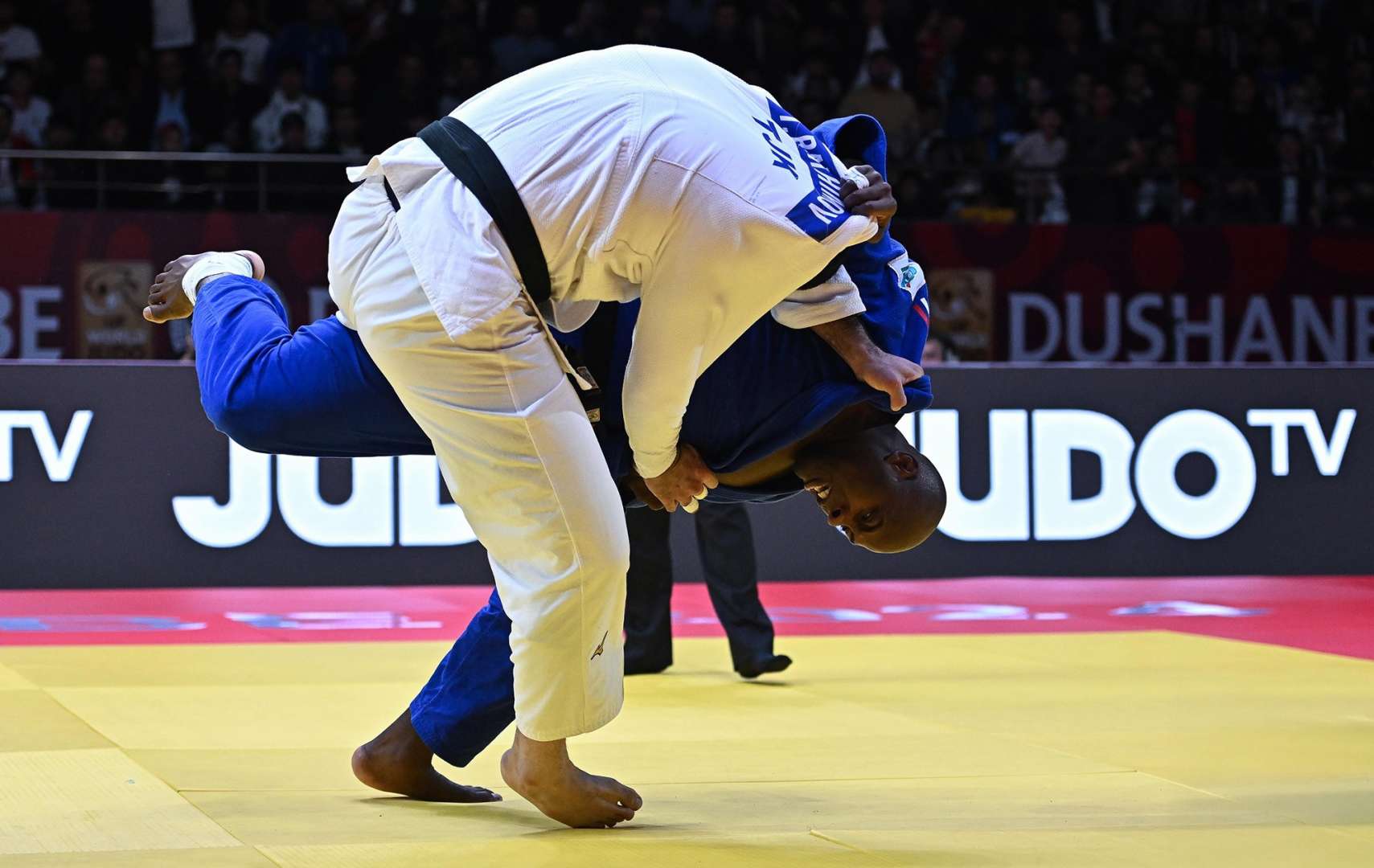
3. He Prepares Meticulously for Judo and Nothing Else
Another myth shattered: Teddy Riner does not prepare for conferences, speeches or public appearances. He speaks without notes, scripts or rehearsals, guided entirely by emotion and instinct. Even some of his most recognisable branding innovations, like adding championship stars to his judogi, were impulsive ideas inspired by football culture, not marketing strategy. There is only one exception, “Only for judo, I prepare. All the focus is on judo.”
The contrast is revealing. By refusing to over-structure the rest of his life, Riner conserves all his discipline and mental intensity for competition. The result is authenticity off the mat and ruthless clarity on it!
4. A Career-Threatening Injury Became His Greatest Gift
Before the Tokyo Olympics, Riner suffered a serious injury at what he describes as the peak of his physical powers. “I felt like God!”
At the time, he called it a disaster. Today, he calls it “wonderful.” Why? Because he believes that had he won individual gold in Tokyo as planned, he might never have continued to Paris 2024. The setback preserved his hunger and ultimately made an historic home Olympics possible. “Now I understand what is Paris and not Tokyo.”
It’s a masterclass in reframing failure and a narrative that aligns perfectly with modern storytelling around resilience and long-term purpose.
5. In His Most Heroic Moment, He Hoped the Spotlight Would Miss Him
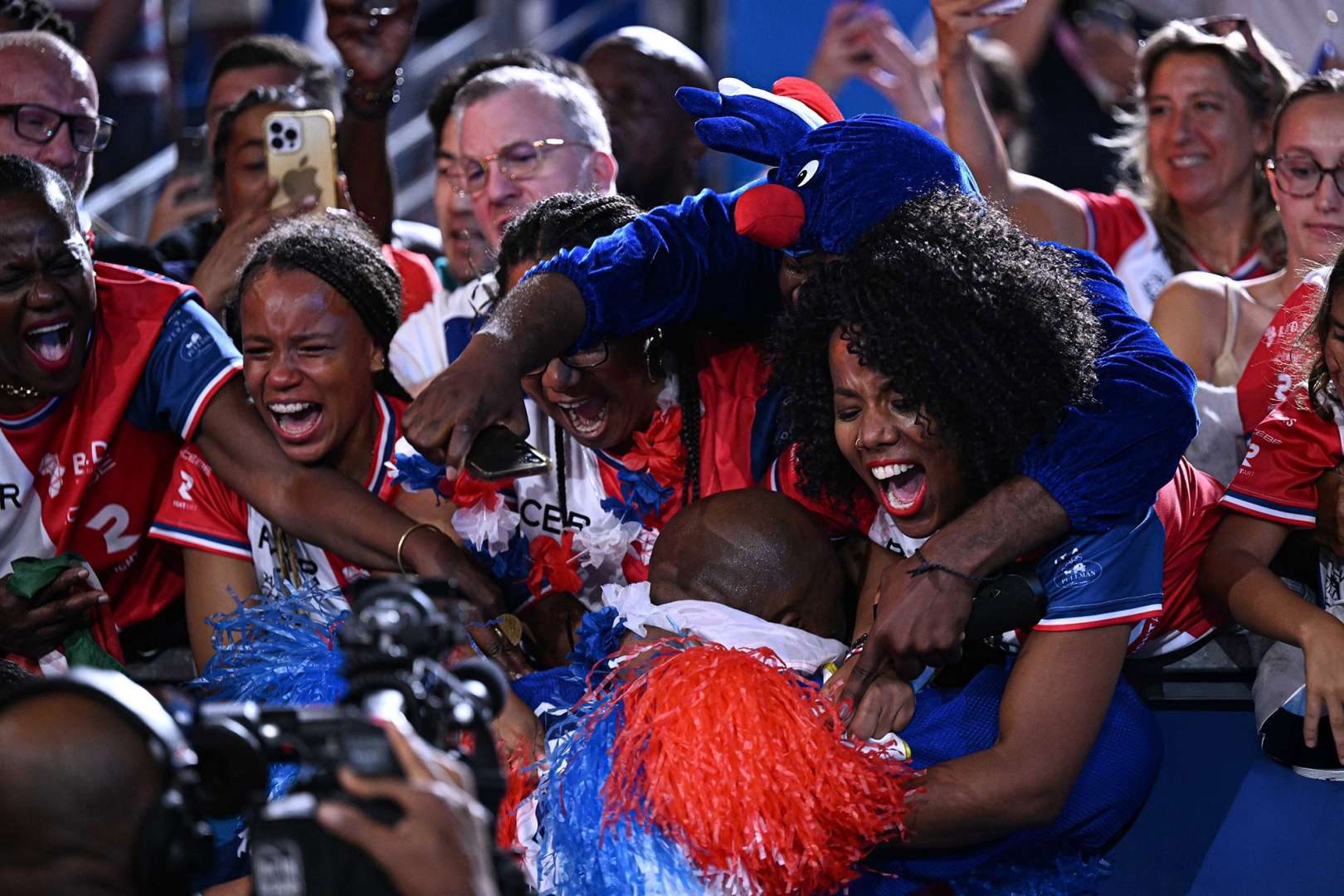
The Paris Olympic team final against Japan is already part of sporting folklore. With the score tied 3-3, the gold medal came down to one final contest. The draw selected Teddy Riner. For fans, it was destiny. For Riner, it was fear.
Exhausted, overwhelmed by expectation and surrounded by an atmosphere he recalls as “vibrating” and “shaking,” his first thought was painfully human, “In my head, I hoped it’s not me… too much pressure… I’m so tired.” Then came the decision. “Okay Teddy, go! And if you’re dead, you’re dead, but come back with the point.”
He won!
Rather than diminishing his legacy, this admission elevates it. It reframes courage not as fearlessness but as action taken despite fear; a narrative audiences instinctively understand.
6. He Doesn’t Study His Opponents
Perhaps the most counter-intuitive revelation of all: Teddy Riner does not tailor his strategy to his rivals. He doesn’t obsess over their strengths or tendencies. Instead, he focuses exclusively on refining his own judo until it becomes decisive against anyone. “I look at my judo. I don’t look at the judo of the other guys.”
This is not arrogance, it’s radical self-belief and it offers a clean, powerful philosophy that extends far beyond sport: mastery over oneself before mastery over others.
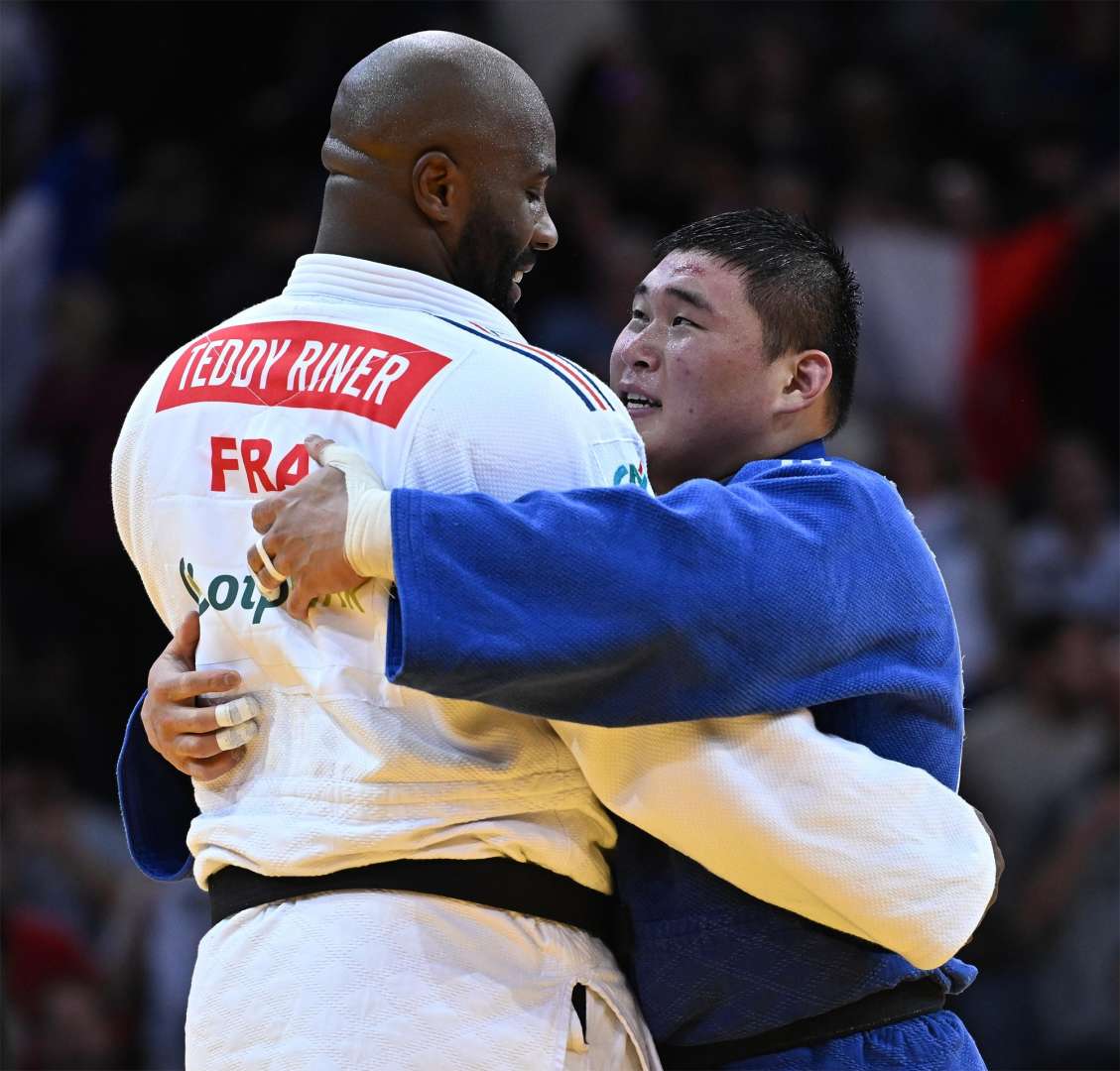
Why This Story Matters Now
Teddy Riner’s greatness isn’t just measured in medals. It is found in his relationship with pressure, failure, family and fear. He is not the unbreakable ‘rock man’ so often portrayed but a reflective athlete who understands that vulnerability and strength are not opposites. After everything, he describes himself simply as “lucky” to live moments others only dream of.
For media outlets, this is the story audiences are hungry for: not just how champions win, but how they endure; not just dominance, but humanity. The true legacy of Teddy Riner may not be that he never felt doubt but that he learned to conquer it, again and again.