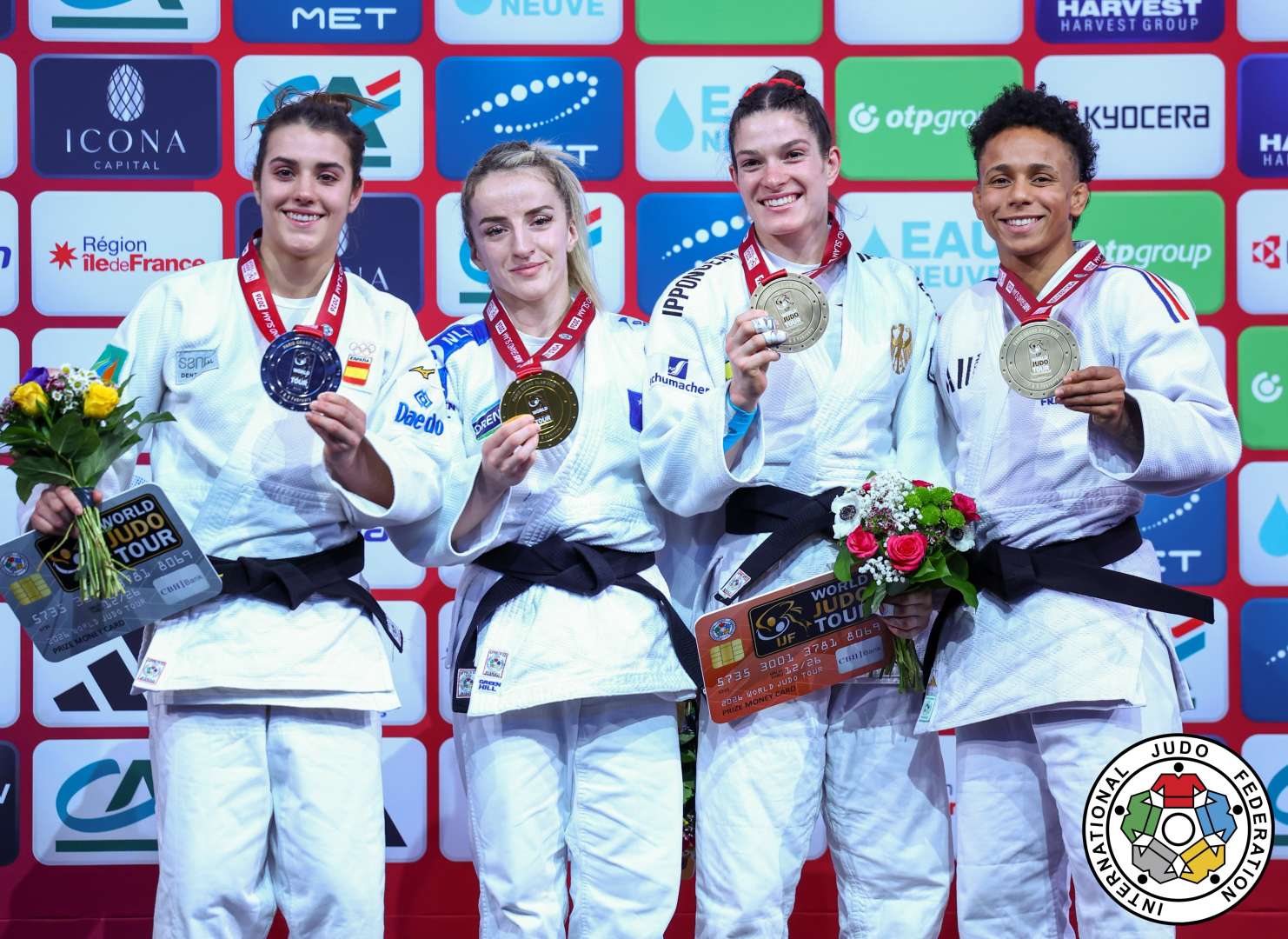

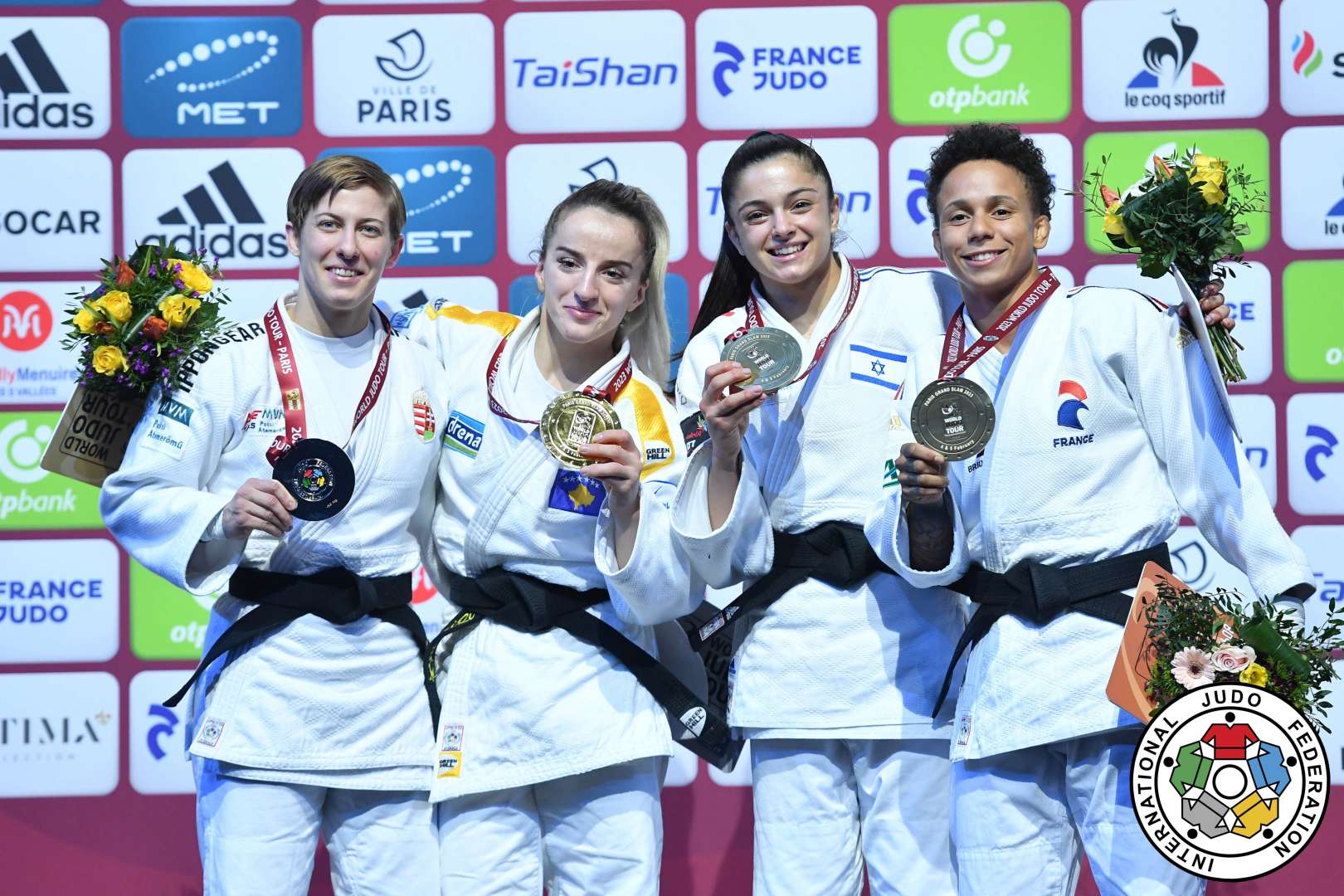
Krasniqi is now 30 years old and the teammates she grew up with, Nora Gjakova and Majlinda Kelmendi, both Olympic champions too, have retired; she is the last of the trio left. So why does she continue to compete?
Krasniqi is now 30 years old and the teammates she grew up with, Nora Gjakova and Majlinda Kelmendi, both Olympic champions too, have retired; she is the last of the trio left. So why does she continue to compete?
"Good training keeps me in shape. I’m also lucky because I have never had any surgeries. I train so much and have big results and to not have a big injury at some point is very rare so I’m grateful for this and of course that plays a big part in me being able to continue."
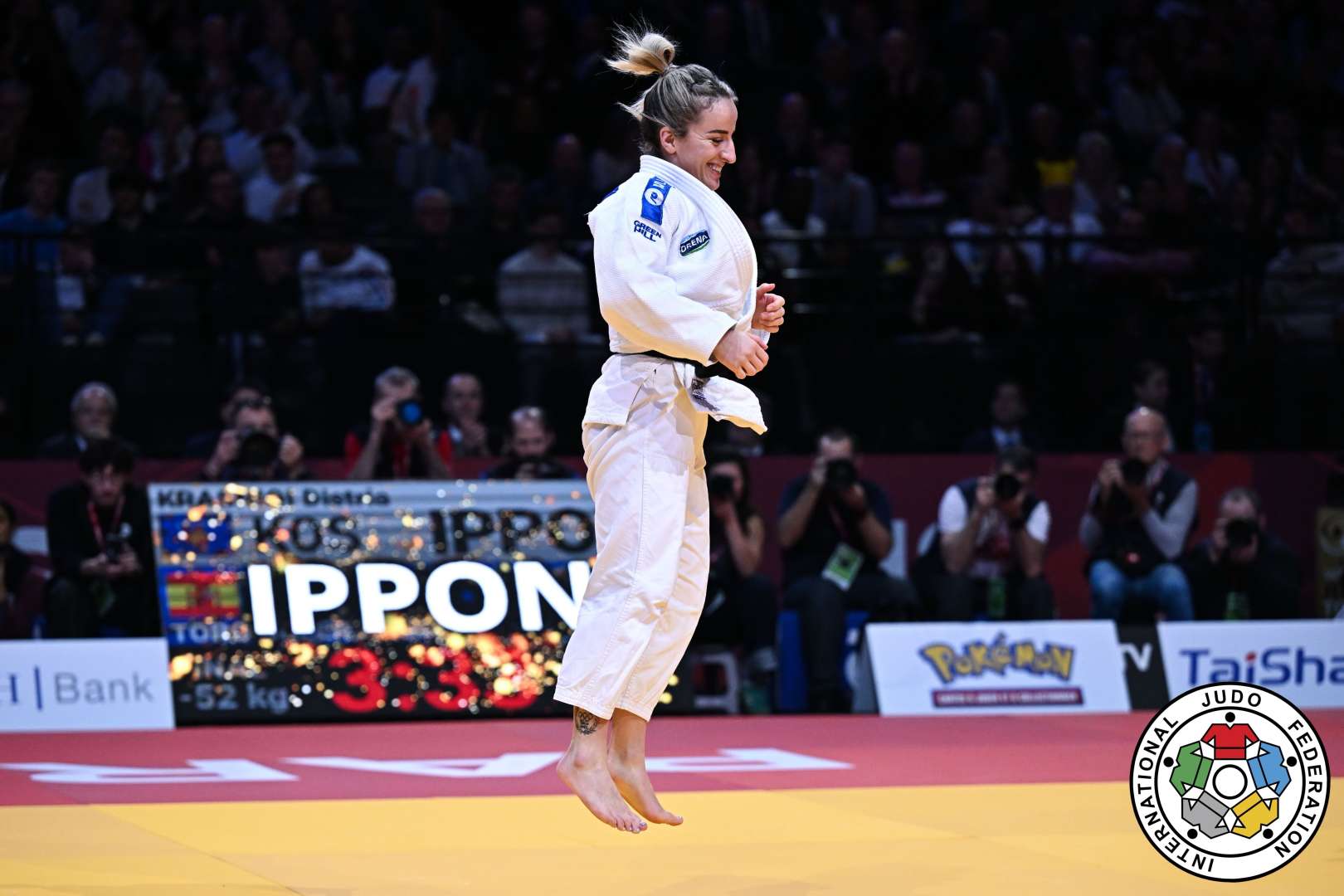
"The Olympic Games in Los Angeles is still important for me and maybe I will think about finishing after that. Right now I’m trying to enjoy every event and camp. I will try to really enjoy this last two or three years in top level judo.”
What about the world title? The Olympic gold is safe but the senior world title hasn’t found its way to Krasniqi’s cabinet so far. Is that a driver?
“It is one of the goals, to be world champion, but it isn’t the top goal. If I never become world champion, it won’t stay in me as something bad. I won in juniors and to me the most important title will always be that of the Olympic Games.”
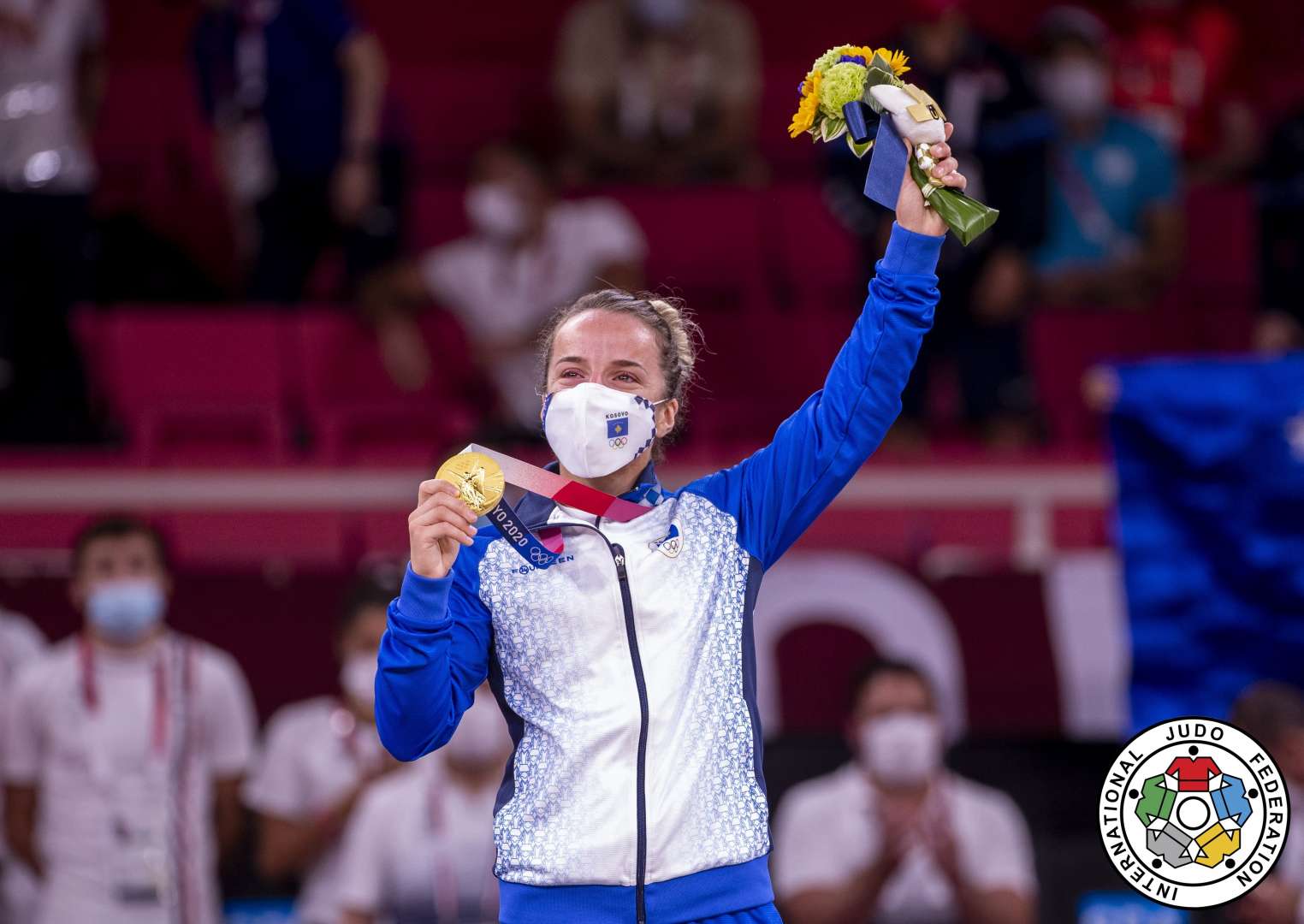
With so much already achieved, do you have to focus on small goals along the way, like beating specific opponents, for example, to keep you motivated?”
“Not really. I suppose there is a small goal in the back of my mind to beat Uta Abe but I analyse all my opponents and don’t aim at anyone most of the time. On my best day I know I can beat everyone and so my biggest opponent is myself.”
To reach such a confident position is not a small job and it is also not a short one. What has it taken to get here, to be so relaxed and yet so professional?
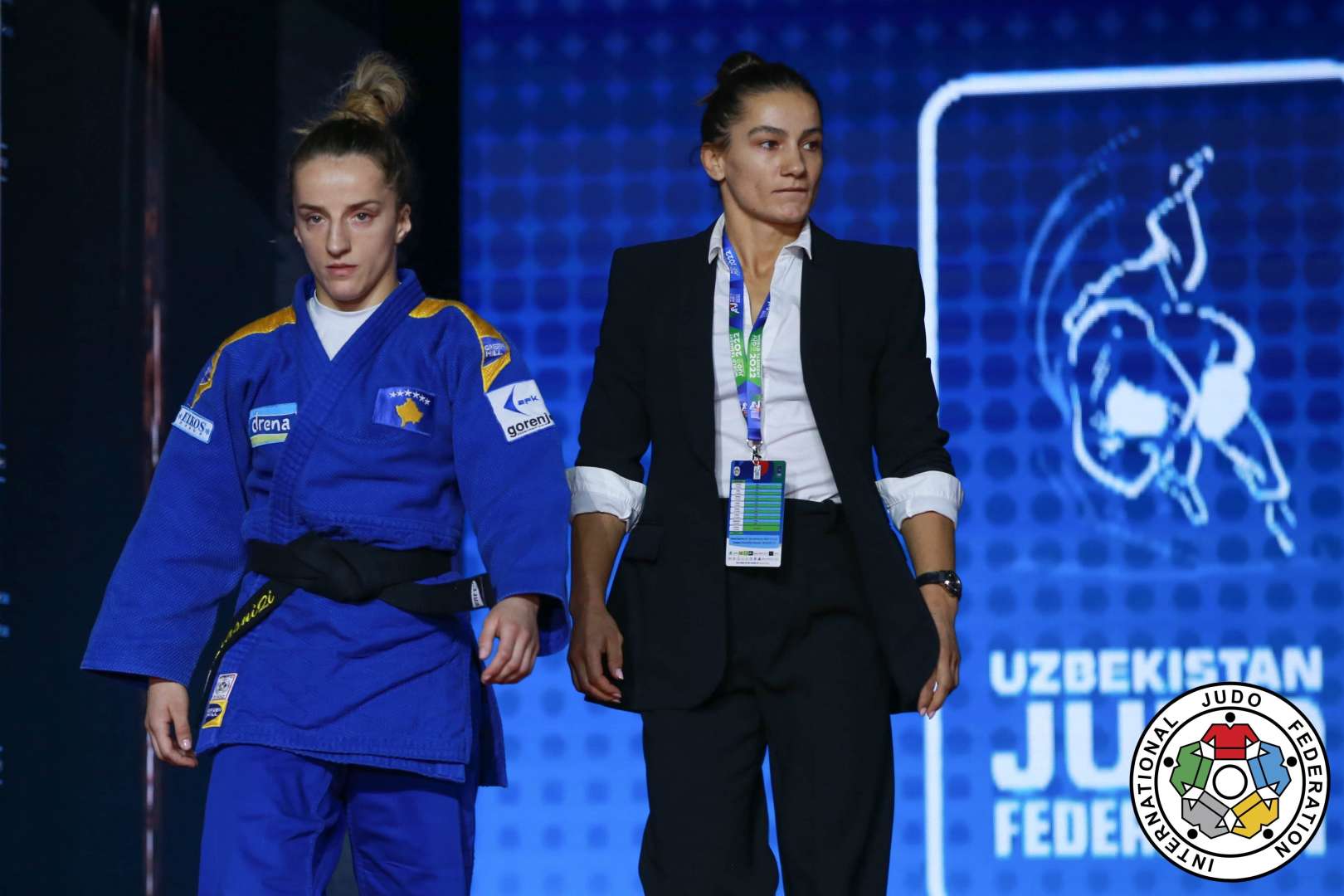
“The coaching team around me has such a big impact. We are a small country and at the beginning we didn’t have what all the big countries had. We tried to get results just with what we had; it was hard. But now it’s better and we continue to get results. The coach is a very big part of all of that. Since I started judo I had the same coach, since I was 7. The relationship is more like family than that of athlete and coach. Perhaps I even spend more time with him than with family.”
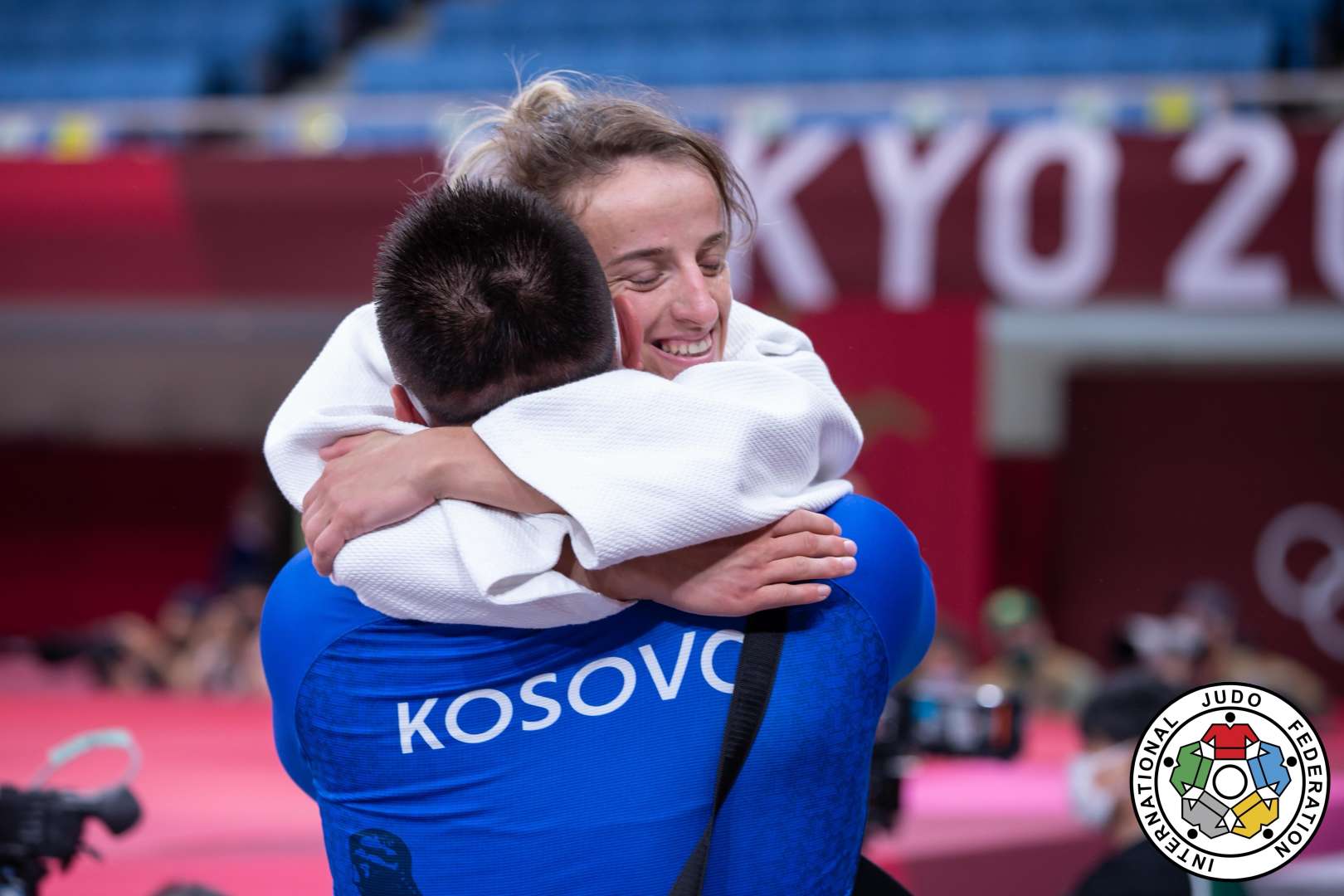
Distria Krasniqi has a special aura, one of someone who has direction but has also already achieved so much. Her professionalism should be an example to all. She says, “The only way to get here is with discipline, consistency and hard work. Eventually hard work will pay off, somehow, always it will pay off.”