
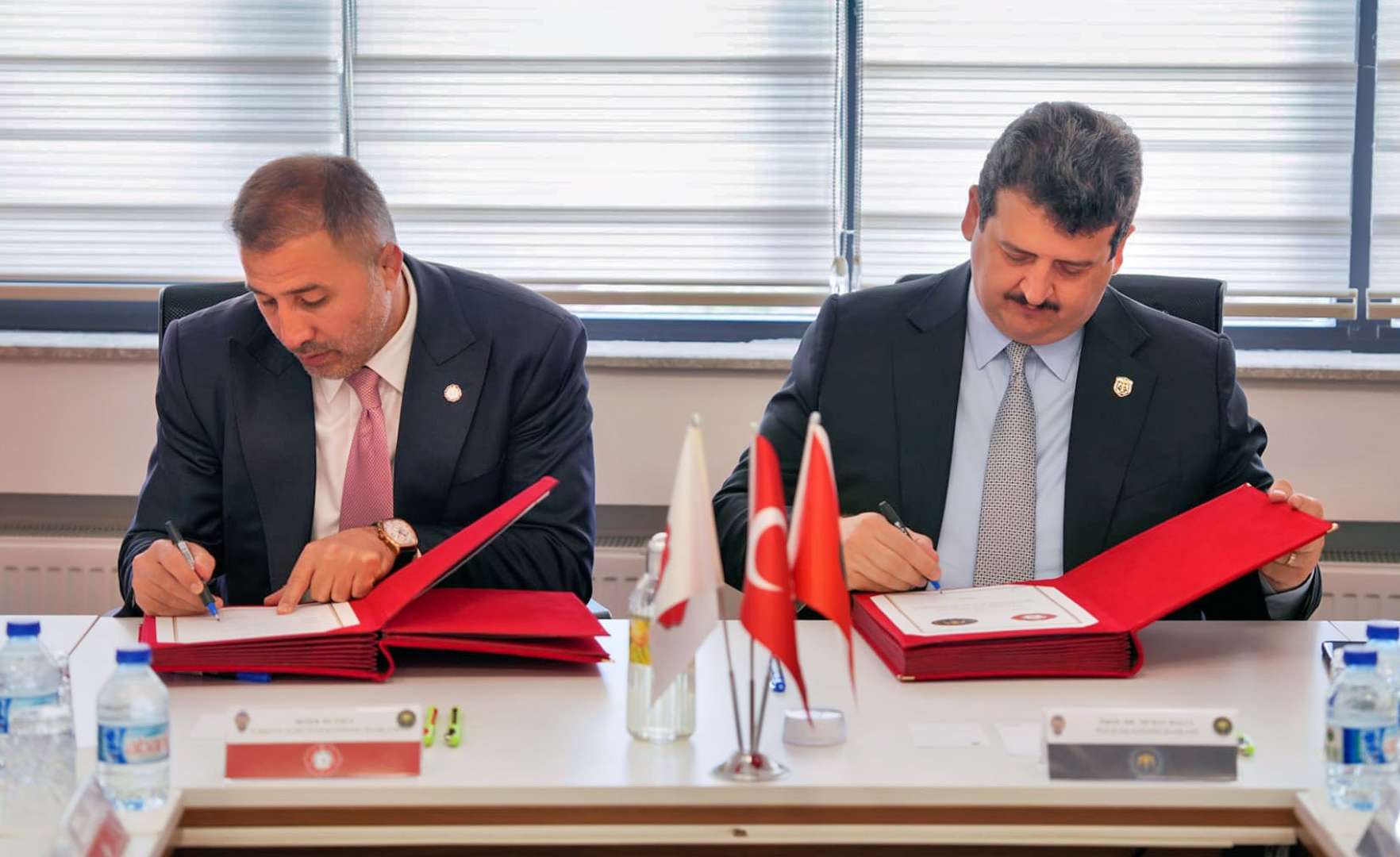
On 29th April 2026, a ‘Co-operation Protocol for the Dissemination and Development of Judo’ was signed in Ankara, marking the beginning of an ambitious and forward-looking project. More than a formal agreement, this collaboration represents a shared vision: to use judo not only as a sport, but as a tool for education, discipline and responsible action.
The agreement was formalised in the presence of Sezer Huysuz, President of the Turkish Judo Federation, and Murat Balci, President of the Police Academy. The technical and administrative framework of the project was developed under the leadership of Fatih Inal and Deniz Alemdar, Vice Presidents of the Police Academy and 1st Degree Chief Superintendents, alongside Kaya Gezeker, retired Police Director, Advisor to the President of the Turkish Judo Federation, Director of the IJF Military and Police Commission, and IJF Academy expert.
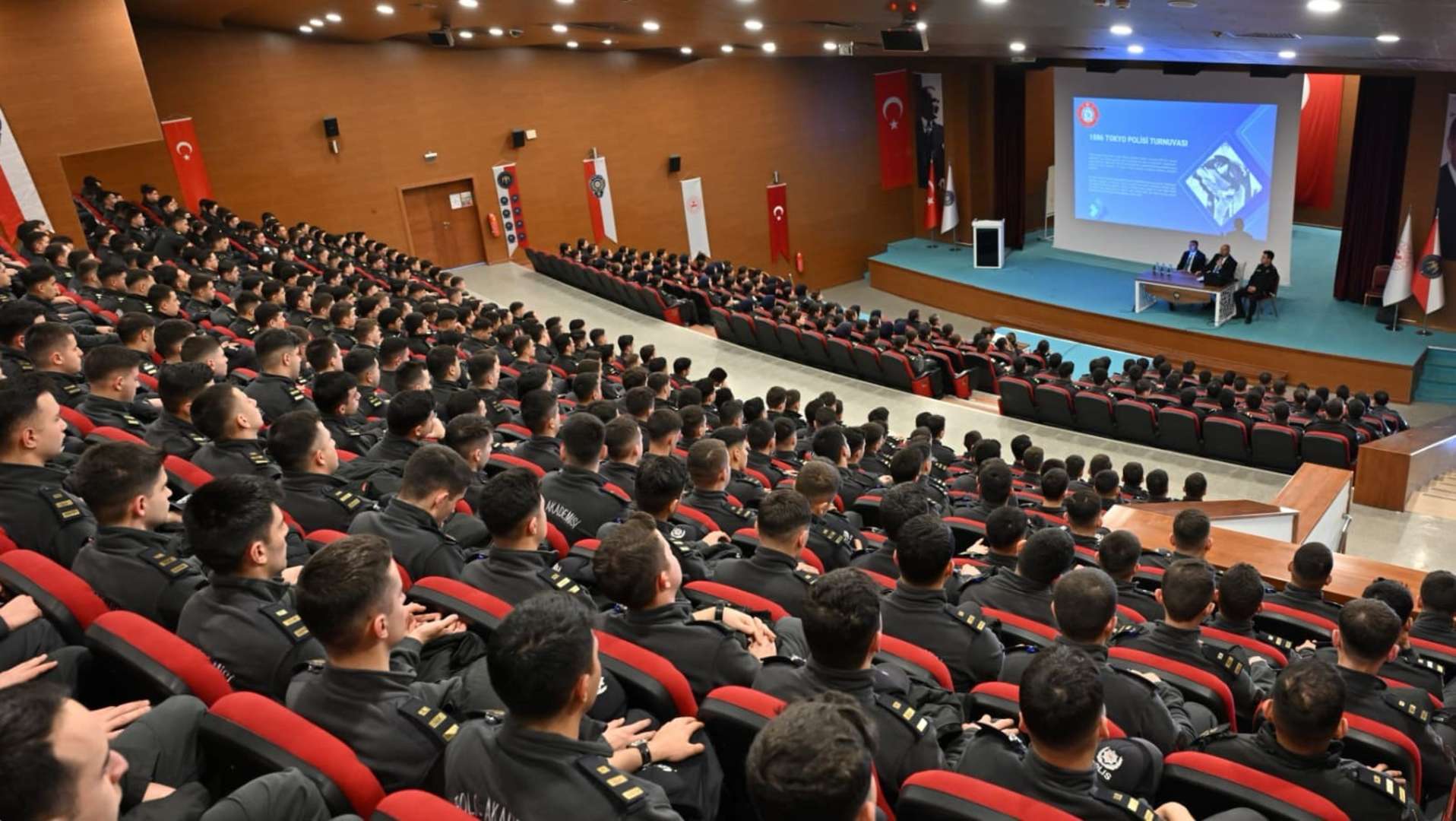
This is the most comprehensive partnership ever established between the federation and an educational institution. It also marks a significant evolution in the role of the federation itself, which now extends beyond athlete development to become a key technical partner in shaping professional training standards.
Through this initiative, judo will be fully integrated into the educational framework of the Police Academy. Students at the Faculty of Internal Security will follow a structured five-year programme designed to guide them towards black belt level, combining physical skill with mental discipline. Across Police Vocational Schools, judo will strengthen practical intervention capabilities, offering officers a refined, controlled and ethical approach to their duties.
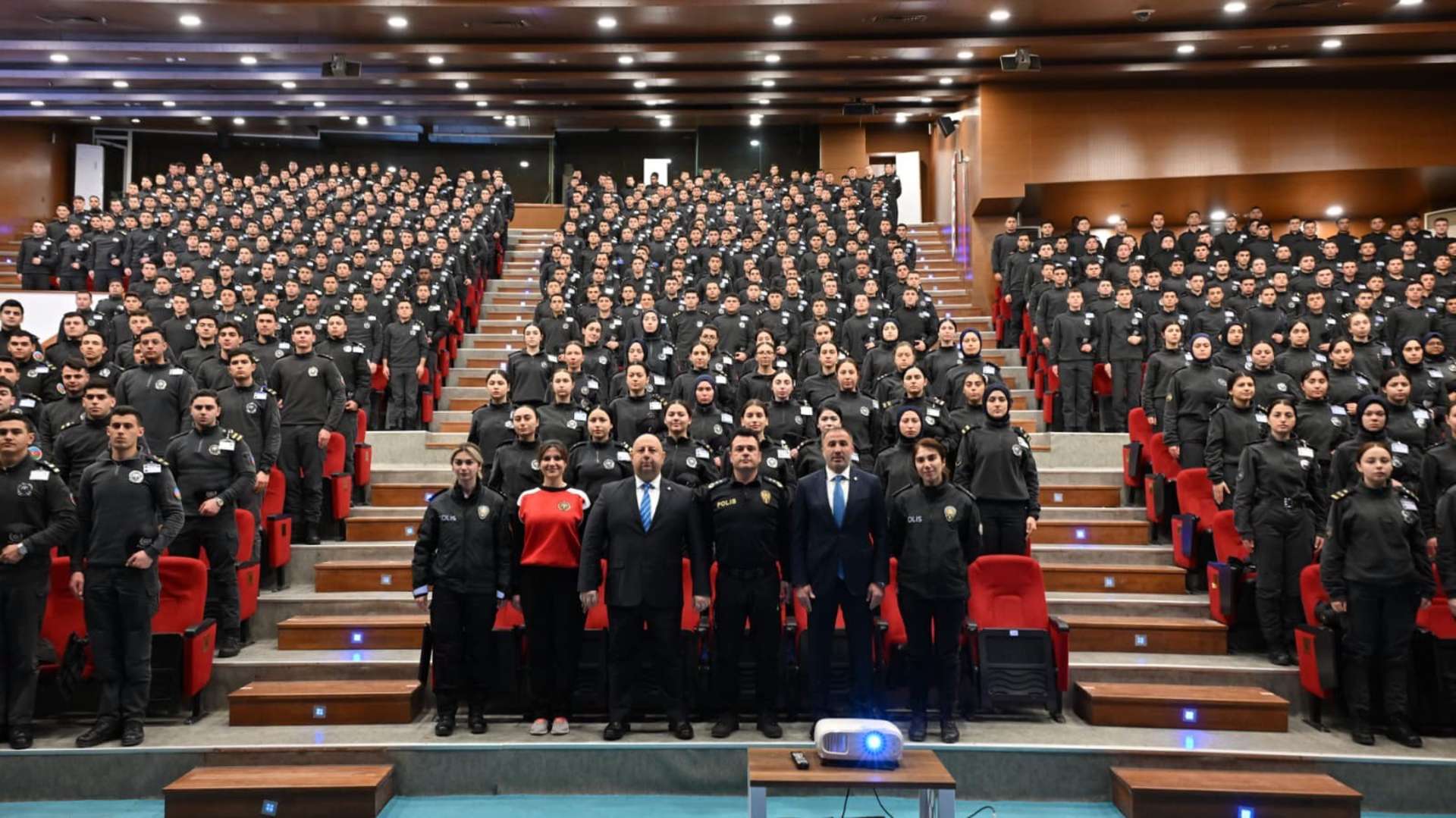
At the heart of the project lies a simple yet powerful idea: that the values of judo, respect, self-control and responsibility, are essential in modern society. By embedding these principles in training, the programme aims to elevate professional standards while fostering a culture of restraint and understanding.
The curriculum itself will be modernised, with intervention techniques aligned to the methodology of high-level judo, ensuring that training is effective, safe and rooted in internationally recognised standards.
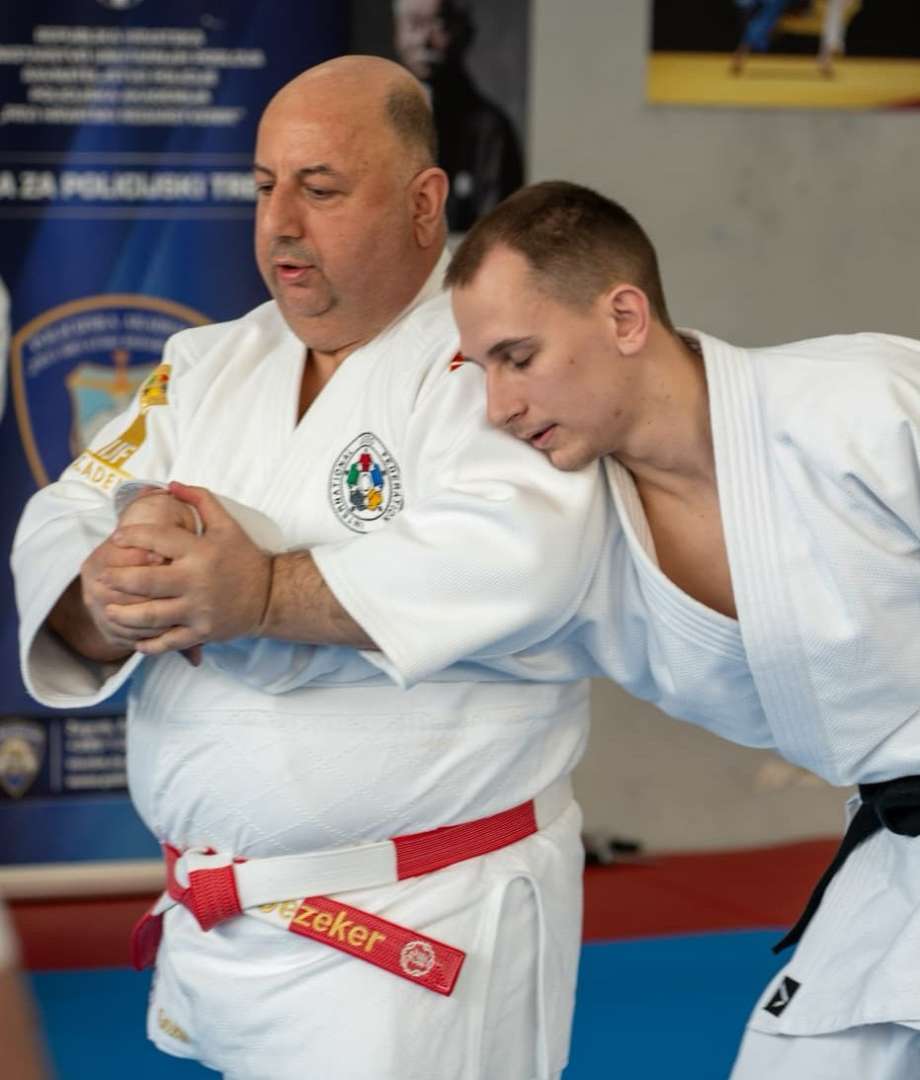
A key figure in this transformation is Kaya Gezeker, whose unique experience bridges the worlds of policing and judo education. His contribution combines years of operational field expertise with international academic knowledge, strengthening the relevance and impact of the programme.
By introducing the ‘Train the Trainers’ model, previously implemented in international contexts, he ensures that knowledge is shared and sustained. In Ankara, around 70 instructors will benefit from specialised seminars, reinforcing the long-term success of the initiative.
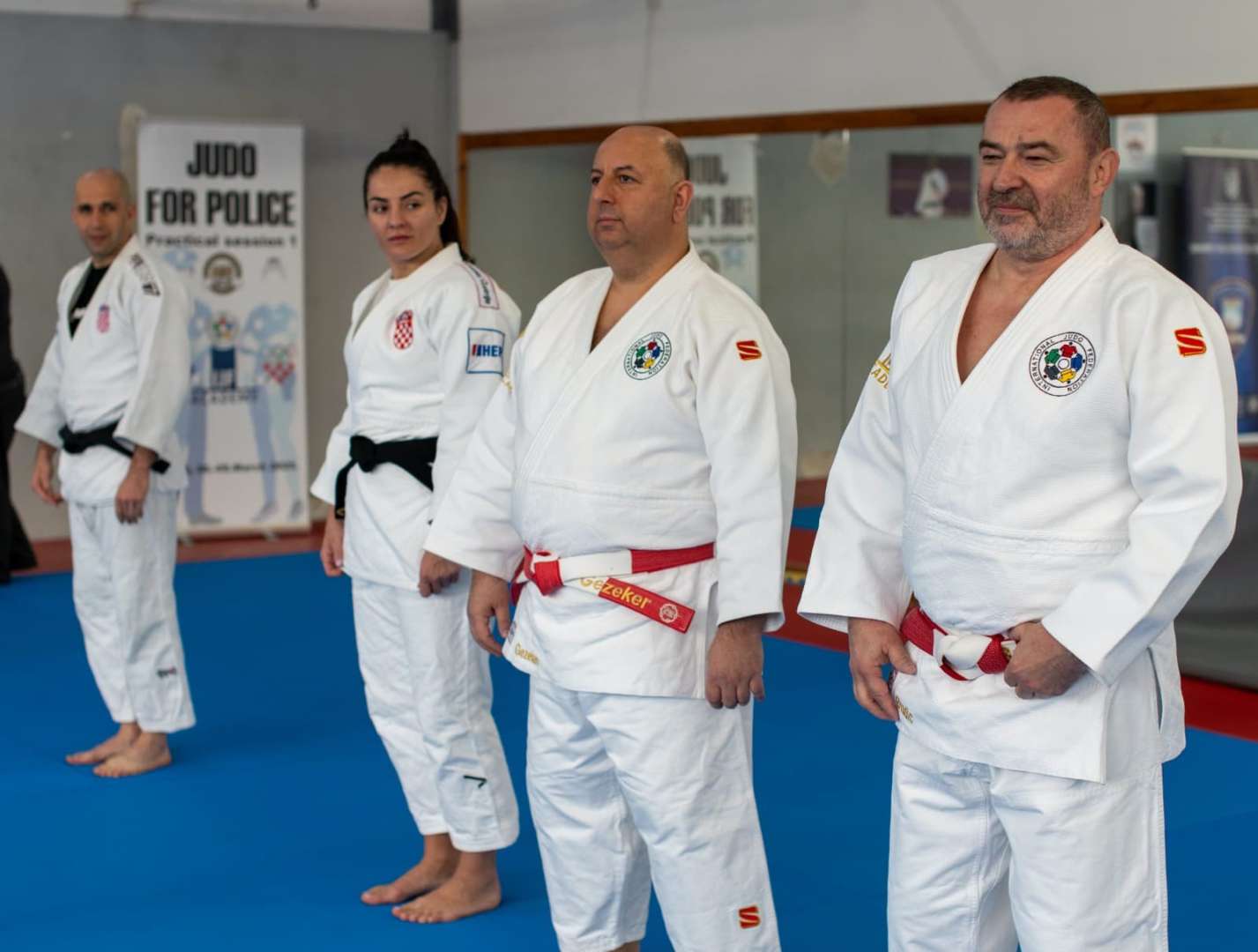
This project is part of the broader ‘Judo for Security’ vision, promoting the application of judo principles in professional environments where control, precision and respect are essential.
The influence of this initiative is expected to extend beyond Türkiye. Through the International Association of Police Academies, the Ankara model has the potential to become a global reference for law enforcement training.
At a time when institutions are evolving, this partnership sends a strong message: by combining education, values and expertise, it is possible to build a safer and more responsible future.
Through this initiative, judo once again proves that its impact goes far beyond the tatami.