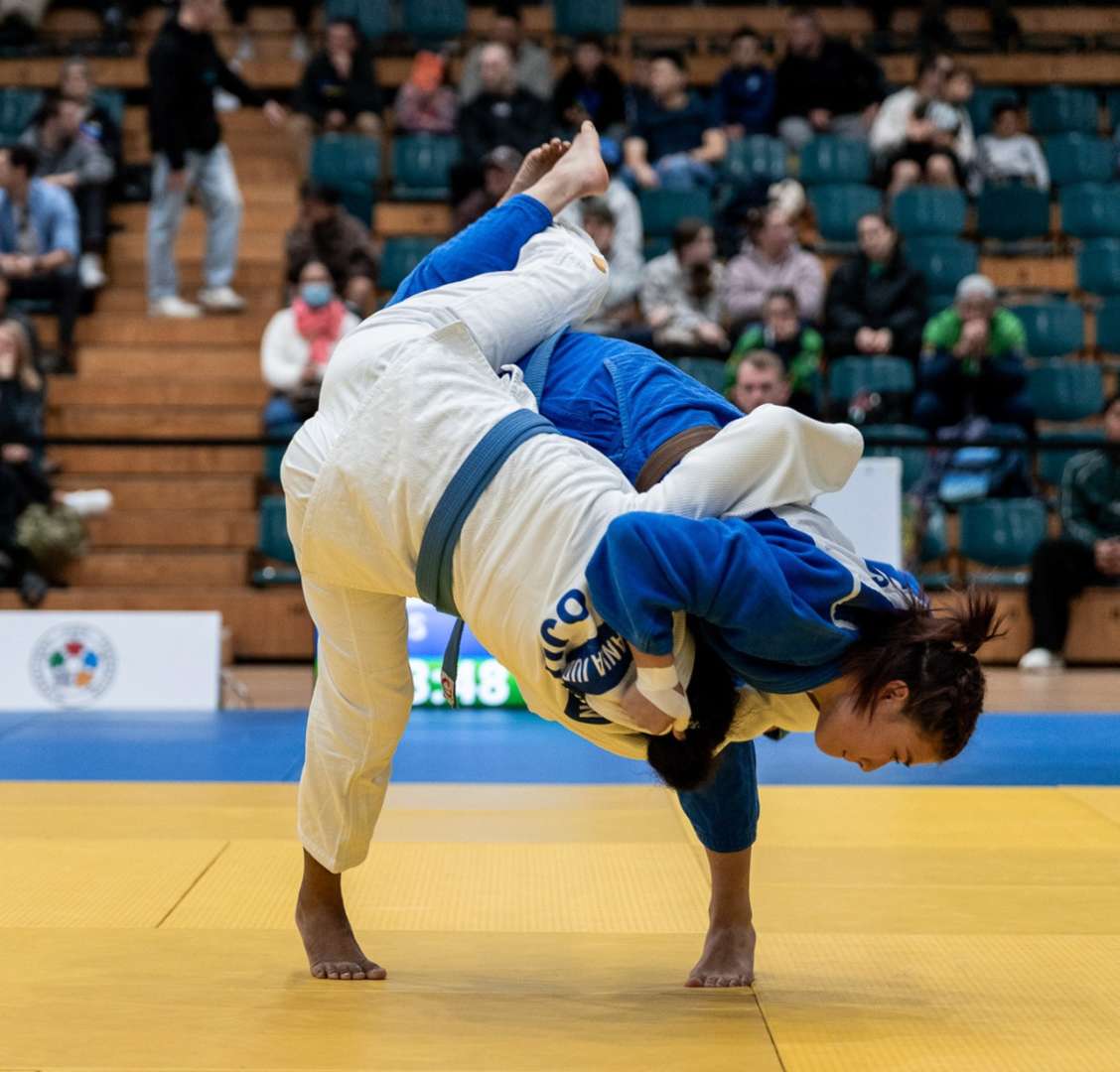

For the athletes, it was more than a competition. It was an opportunity to represent their nations, to measure progress and to inspire the next generation of judoka across Oceania.
As expected, Australia dominated on home soil, claiming 13 gold medals and a total of 18 medals across all categories. Their depth and consistency underline the strength of their national programme. New Zealand also impressed, securing 14 medals (4 silver, 10 bronze), confirming its place among the region’s leading judo nations.
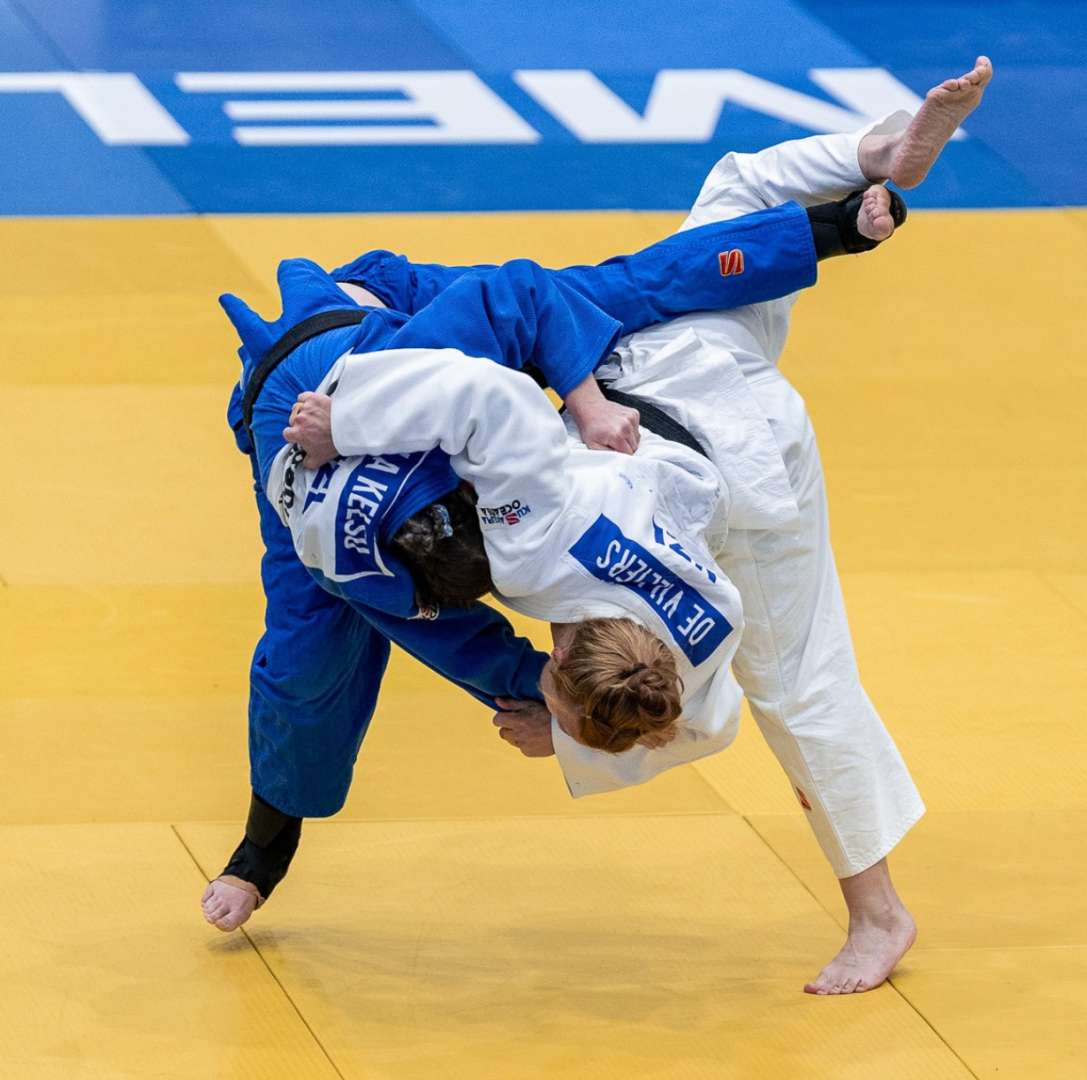
Behind them, strong performances from French Polynesia and New Caledonia highlighted the diversity and reach of judo in Oceania. With Fiji and Tonga also stepping onto the podium, six of the ten participating nations returned home with medals, clear evidence of the sport’s growing competitiveness across the region.
The gold medallists embodied excellence and determination. Among the men, titles were claimed by Pedro Carlos Antun Neto (-60 kg), Vas Middleton (-66 kg), Kohsei Toyoshima (-73 kg), Keishin Ochi (-81 kg), Danny Vojnikovich (-90 kg), Axel Nightingale (-100 kg) and Kayhan Ozcicek-Takagi (+100 kg). In the women’s categories, Abbey Cook (-48 kg), Tinka Easton (-52 kg), Lisa Caravelle (-57 kg), Maeve Coughlan (-63 kg), Aoife Coughlan (-70 kg) and Maria Swan (-78 kg) stood at the top of the podium.

The momentum continued in the mixed team event, where Australia once again claimed gold ahead of New Zealand, while French Polynesia secured bronze against New Caledonia. Beyond the medals, the team competition showcased unity, resilience and the collective spirit that defines judo.
From the perspective of building tomorrow’s champions, the Oceania Judo Union also organised continental championships for cadets and juniors, alongside a kata championship, reinforcing its commitment to long-term development and the nurturing of future generations.
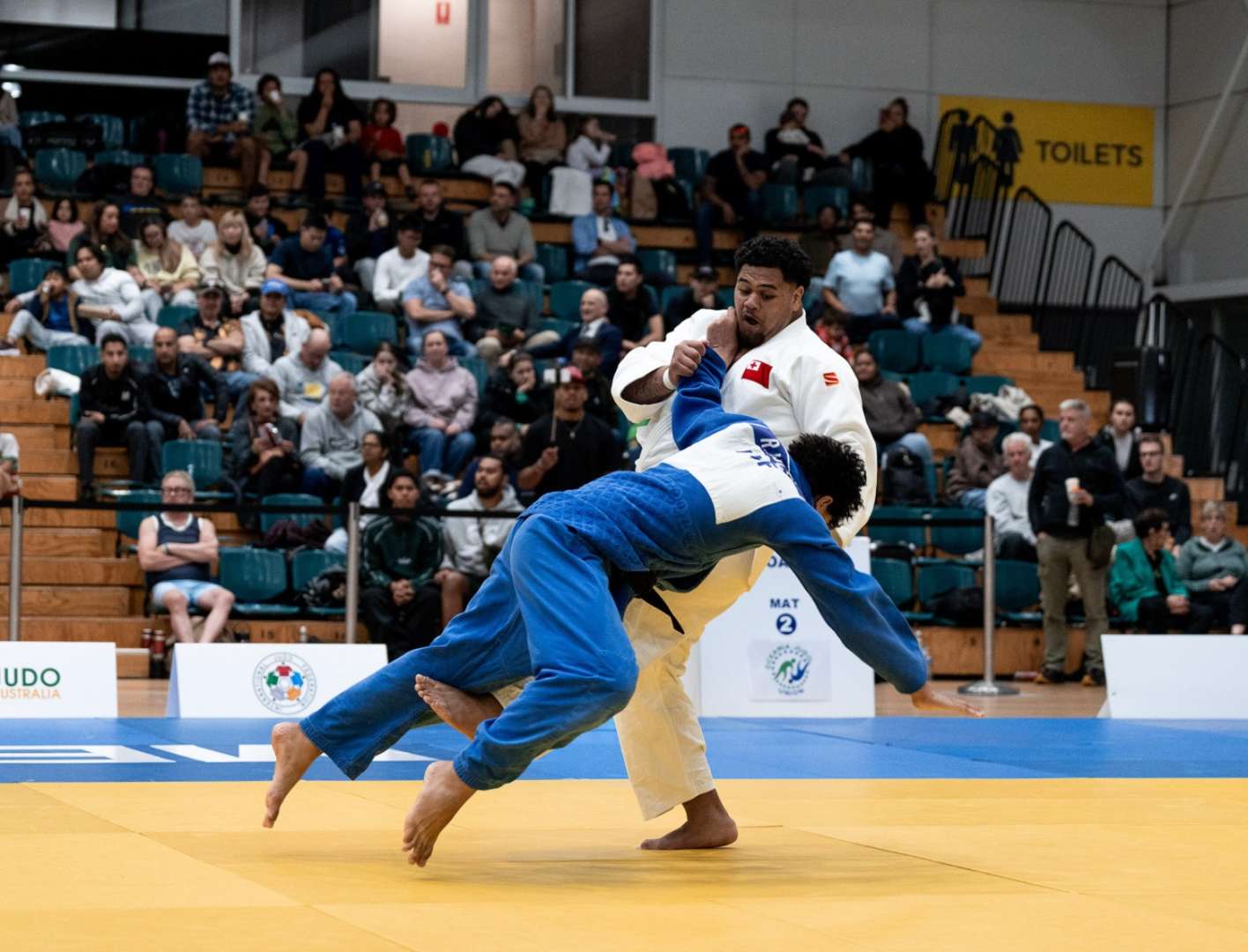
Reflecting on the success of the event, OJU President Kate Corkery declared, “The Oceania Championships, held for the first time since 2018, showcased exceptional judo talent from across the region. What makes our union unique is that no two countries share a border and yet we share deep bonds and friendships. The event featured high-performance competitions in kata, for cadets, juniors and seniors, including individual and team events, as well as a military and police team competition, which the Oceania team won against Australia.
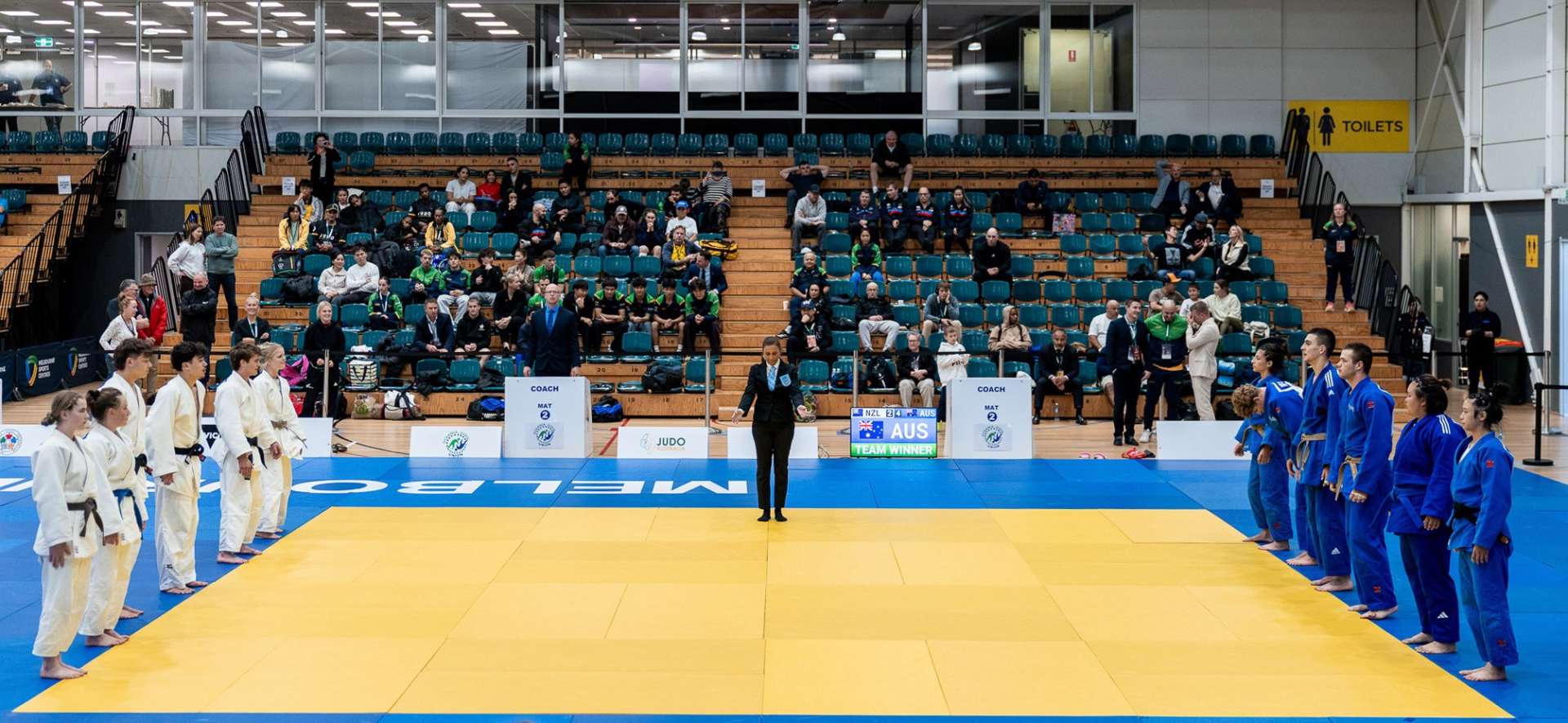
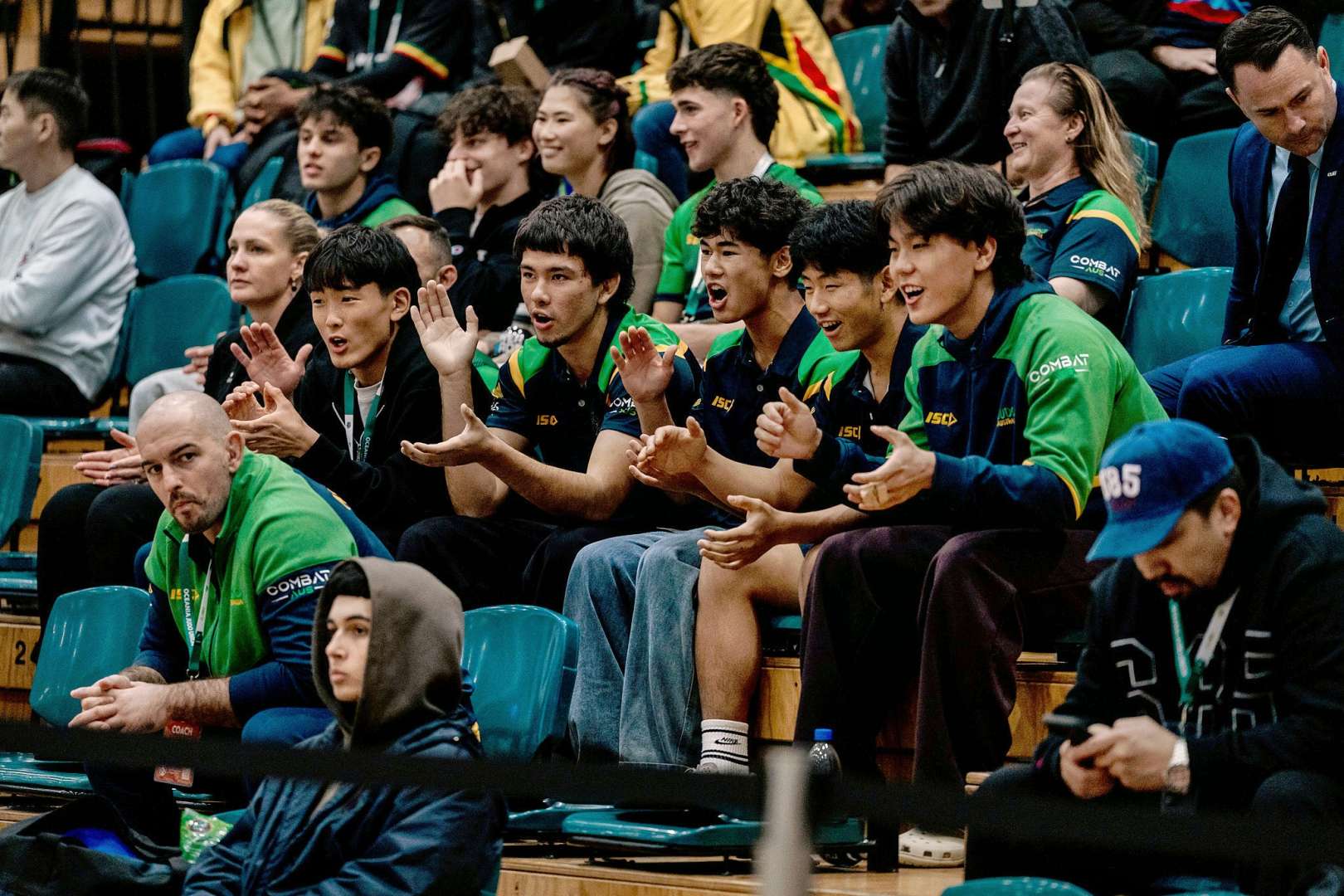
The crowd was electrified during the senior team competition, where four countries vied for the top spot, with Australia and New Zealand ultimately competing for gold. The home country took home the gold, much to the delight of the home crowd.”
This championship is more than a snapshot of current performance, it is a sign of what lies ahead. With the Brisbane 2032 Olympic Games on the horizon, Oceania has a unique opportunity to accelerate the development of judo and inspire a new generation.
For young judoka across the region, the message is clear: the pathway is open. From local dojos to continental podia and perhaps one day to the Olympic stage, the journey has never felt more tangible.
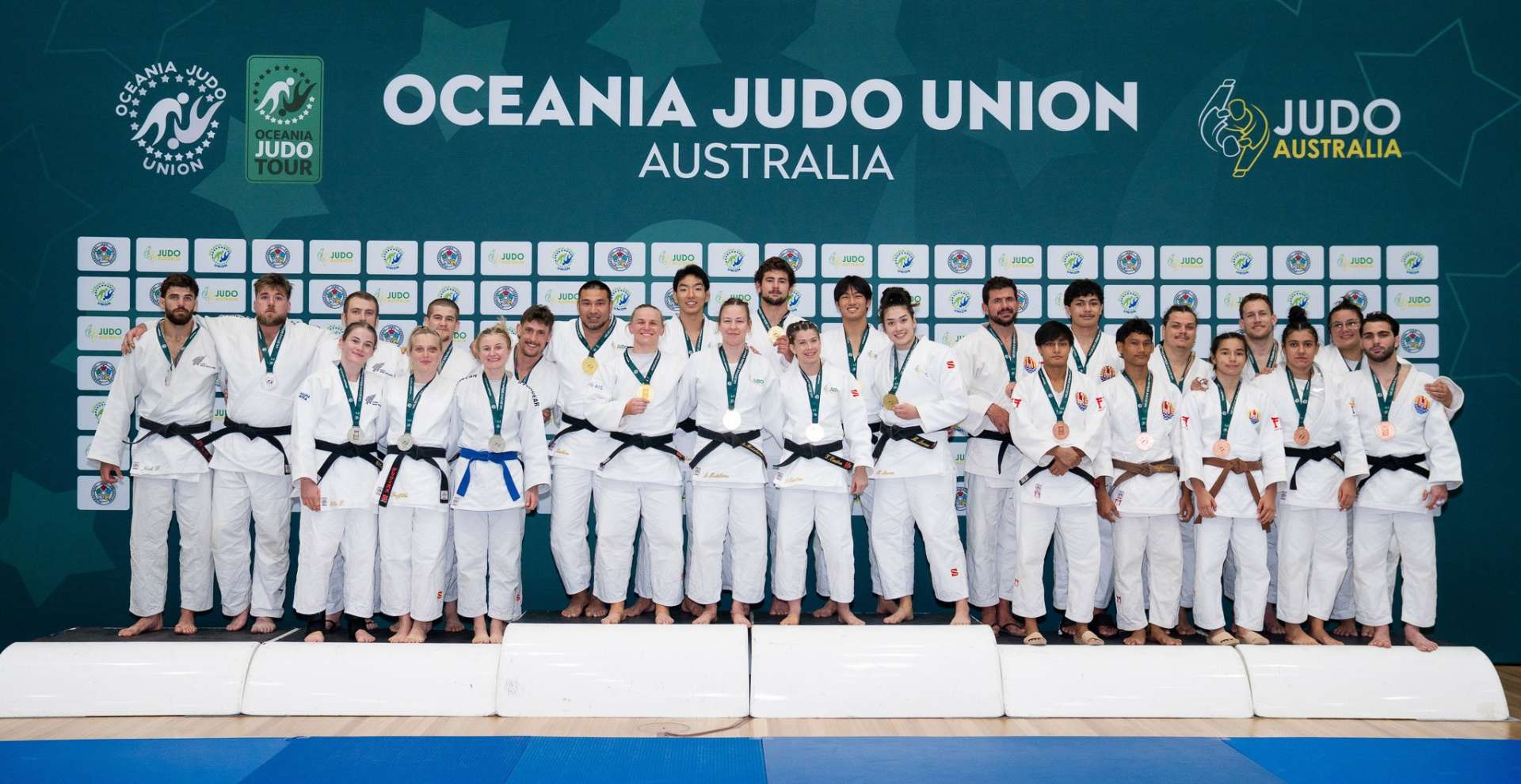
Melbourne 2026 will be remembered not only for its champions but for the promise it carries. The future of Oceania judo is bright and it is only just beginning.