
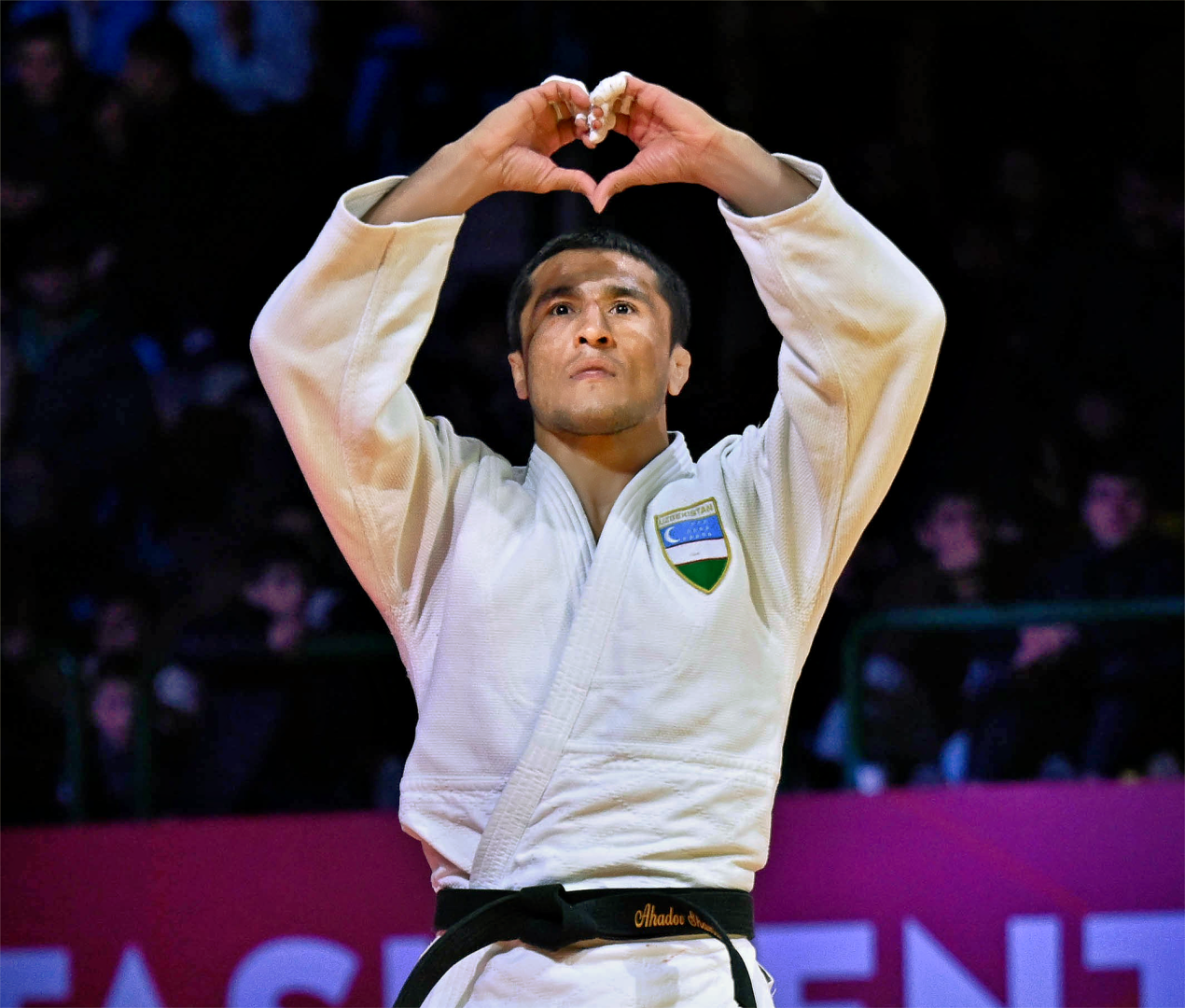
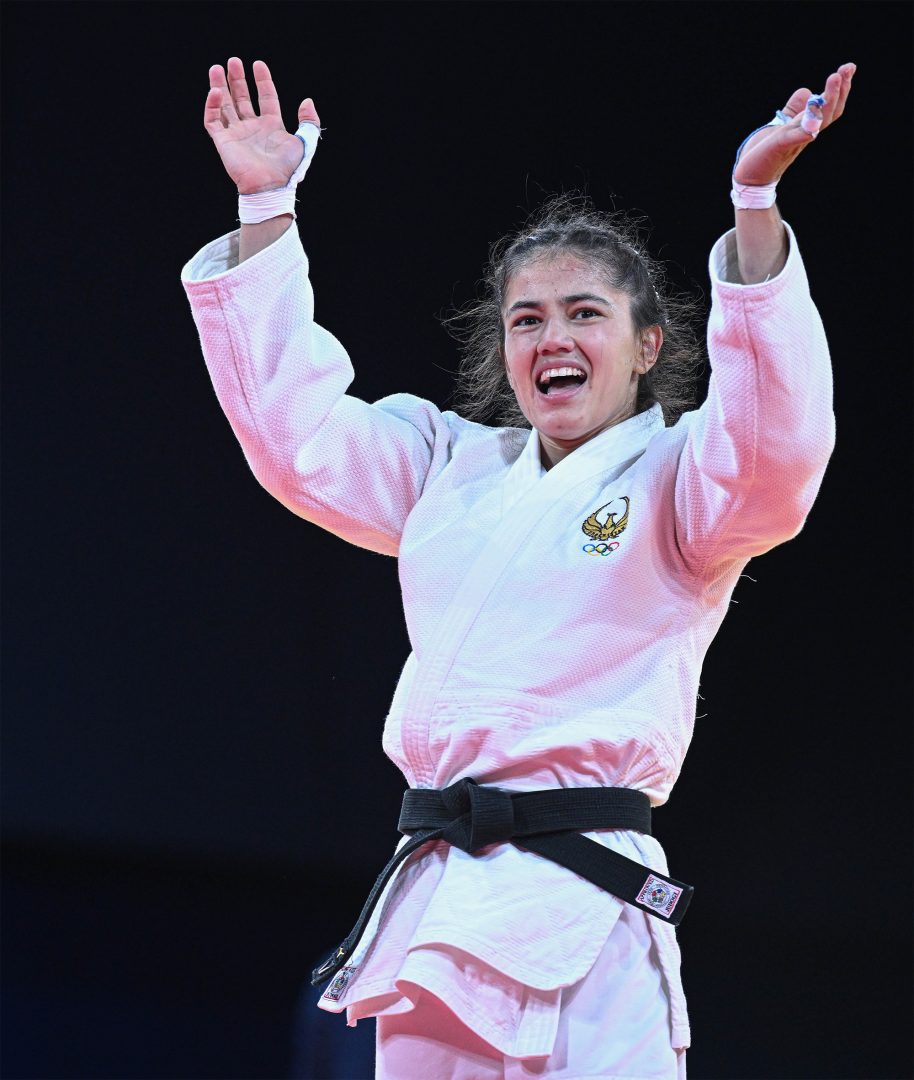
Over the past decade, Uzbekistan has transformed itself into one of the sport’s most dynamic forces. That progress reached an historic peak at the Paris 2024 Olympic Games, where Uzbek athletes delivered breakthrough performances that confirmed the country’s place among the global elite. Olympic gold in the women’s -52 kg category with Diyora Keldiyorova and a medal among the -100 kg men with Muzaffarbek Turoboyev were not isolated successes, but the visible outcome of years of structured development and investment.
Behind the medals lies a carefully built system. Working closely with the International Judo Federation, the national federation has strengthened pathways from grassroots participation to high-performance excellence. School-based programmes, new dojo infrastructure and coach education initiatives have all contributed to a deep and sustainable talent pool. Judo is not only thriving in elite arenas, it is growing in classrooms and communities across the country.
Tashkent has become a symbol of that ambition. In recent years, the Uzbek capital has established itself as a reliable and passionate host of major international events. The grand slam has earned a reputation for flawless organisation, knowledgeable crowds and an atmosphere that blends Central Asian warmth with world-class sporting intensity. Each edition has reflected the country’s growing confidence on the global stage.
The 2025 edition already demonstrated the strength of the host nation, with Uzbekistan finishing among the leading teams in the medal standings with twelve medals (1 gold, 3 silver, 8 bronze). Now, in 2026, expectations are even higher. Competing at home, Uzbek judoka will aim not only to reach the top nations but to inspire a new generation watching from the stands and beyond.
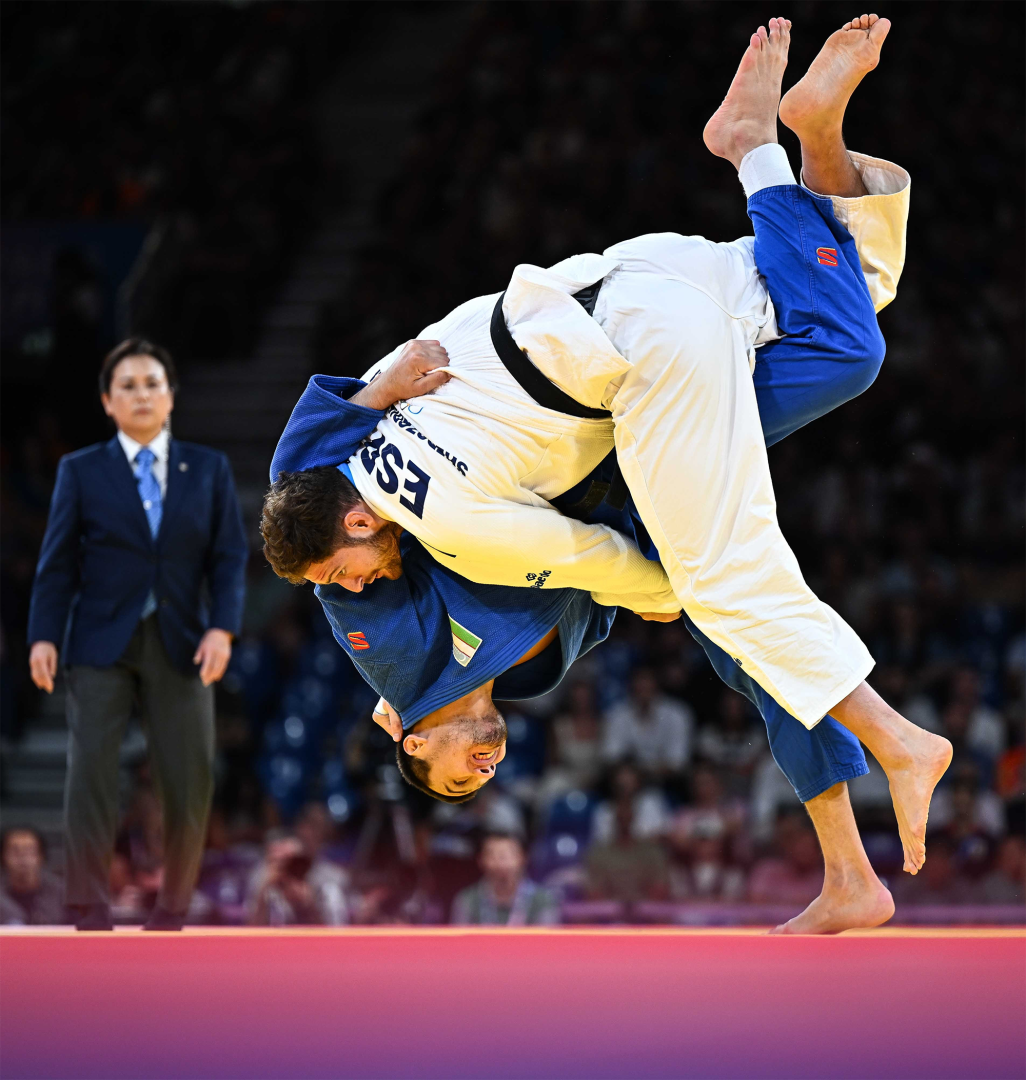
The timing of this grand slam adds further significance. As the new Olympic cycle gathers momentum and the Olympic qualification will launch soon (June), every ranking point matters. Athletes from across the globe will arrive in Tashkent with clear objectives: consolidating world ranking positions, testing new tactical approaches and building confidence for the demanding months ahead. The level of competition promises to be intense, with established champions and ambitious newcomers sharing the tatami.
For Uzbekistan, hosting the event is about more than medals. It is a statement of commitment to judo’s values: respect, discipline, friendship and mutual welfare. These principles are visible not only in competition results but in the expansion of youth projects and inclusive initiatives across the country. The development of judo schools and community programmes has reinforced the idea that success at the top must be rooted in opportunity at the base. As proof of this, recently Diyora Keldiyorova won the 2025 IJF Judo Award for her Judo for Children initiative.
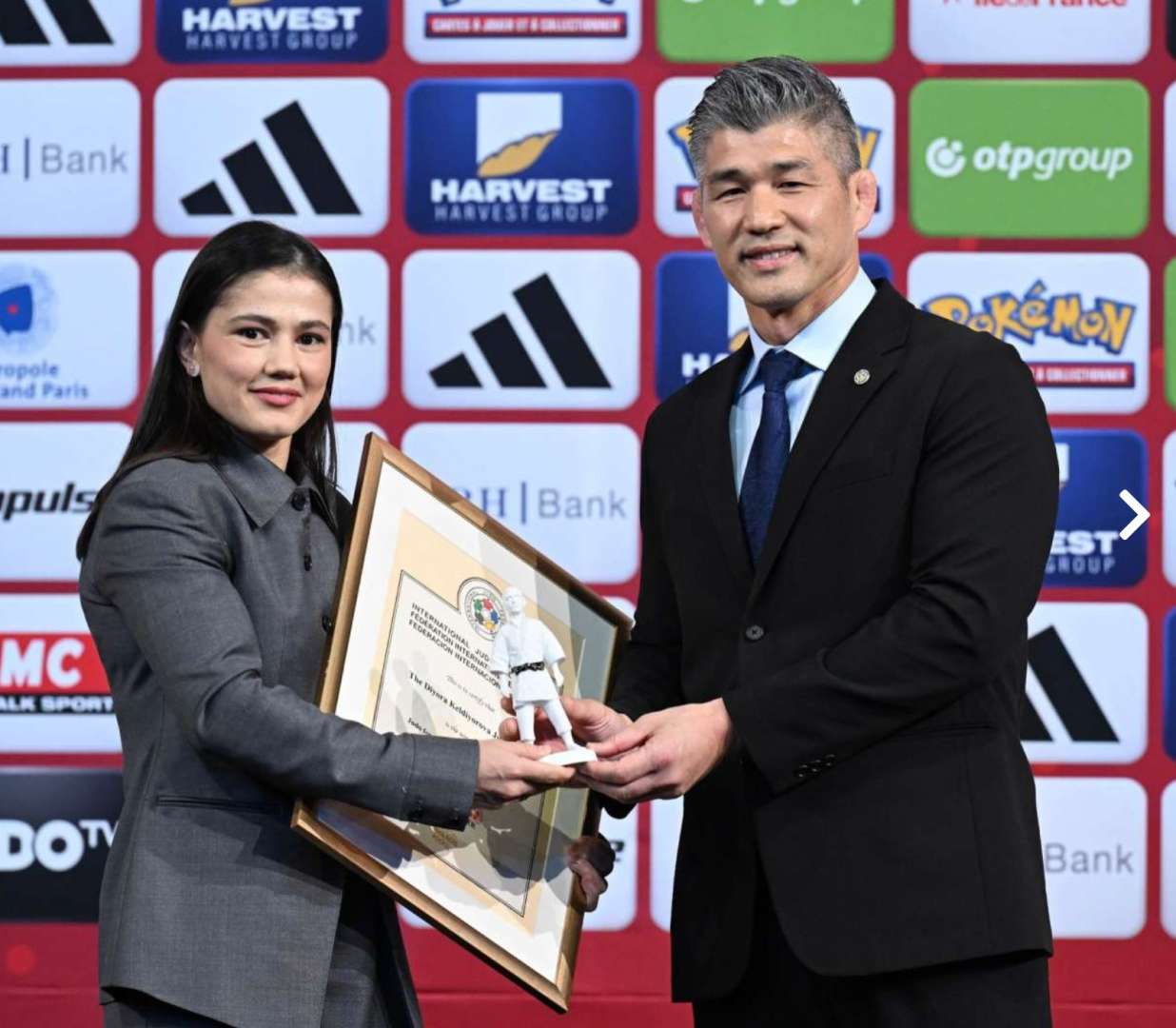
The OTP Group Tashkent Grand Slam will therefore carry a dual narrative. On one side, it is a high-stakes sporting event featuring some of the world’s finest judoka; on the other, it is a celebration of how sustained investment in education, coaching and infrastructure can elevate a nation’s sporting identity.
As the World Judo Tour caravan arrives in Central Asia, anticipation is building. The arena will be filled with passionate supporters once again, proud to see their athletes competing shoulder to shoulder with the best in the world. For international visitors, it will be an opportunity to witness the energy of a country fully committed to the future of judo.
The journey that began in Paris now continues in Tashkent. The momentum is real, the ambition is clear and the stage is set for another compelling chapter in the 2026 season.
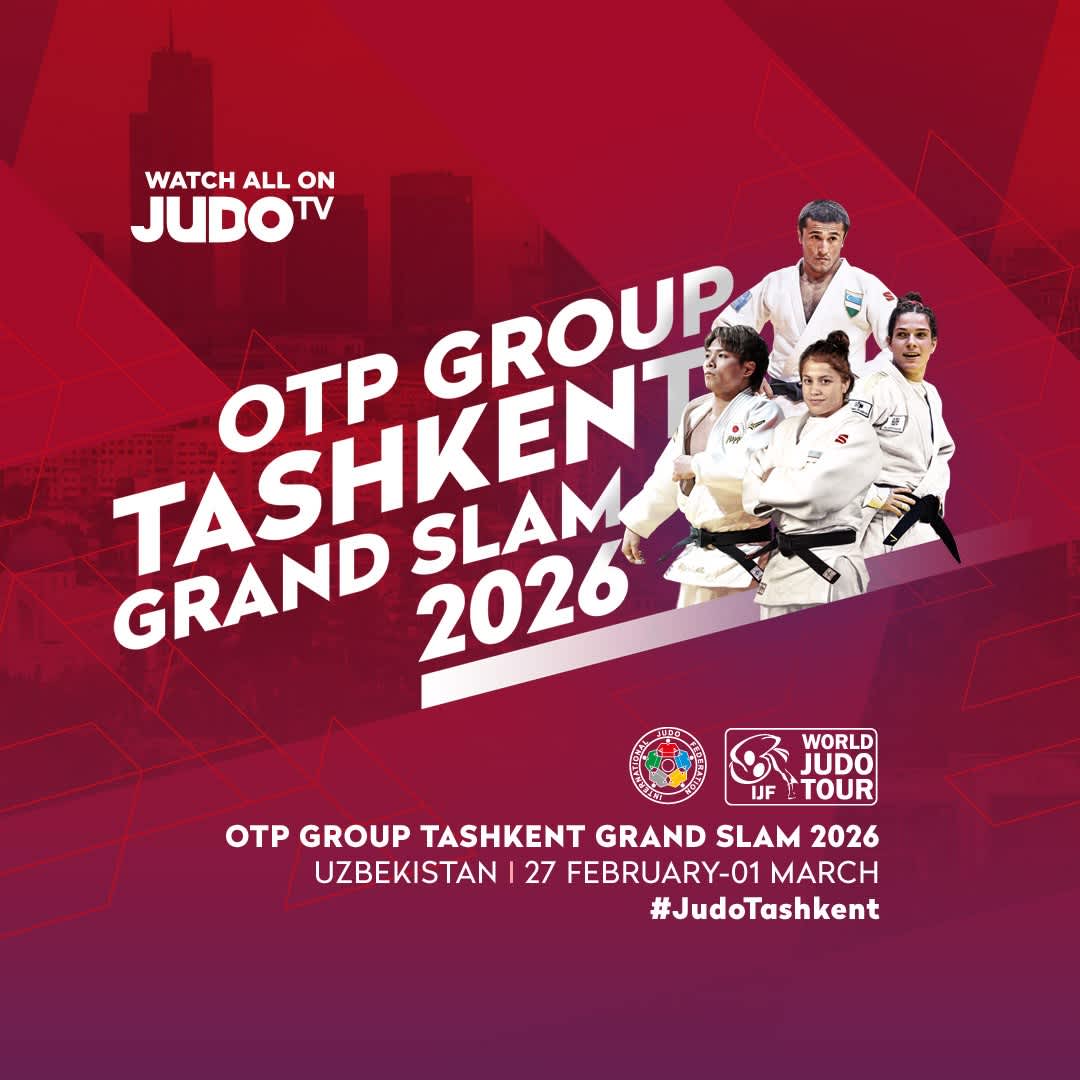
Follow all the action live on JudoTV and across the IJF digital platforms as the world’s elite gather in Uzbekistan for three days of unforgettable judo.