
At the Sao Paolo IBSA Grand Prix in Brazil, 25 delegations arrived, from Africa, Europe, both North and South America, from the Caribbean and from Asia. Athletes and coaches in this small Para-judo family know each other well, they support one another and yet, still, they fight each other as hard as anyone could.

The paradox is not hard to understand because what is being shared is the most testing moment of their lives, over and over again, the occasions when they must trust those around them, trust the tatami and trust their training to deliver a safe outcome, one which drives progress. The visually impaired athletes of our judo community endure much but when sharing it, it produces deep friendships built on understanding and on striving to always do one’s best regardless of the challenges.
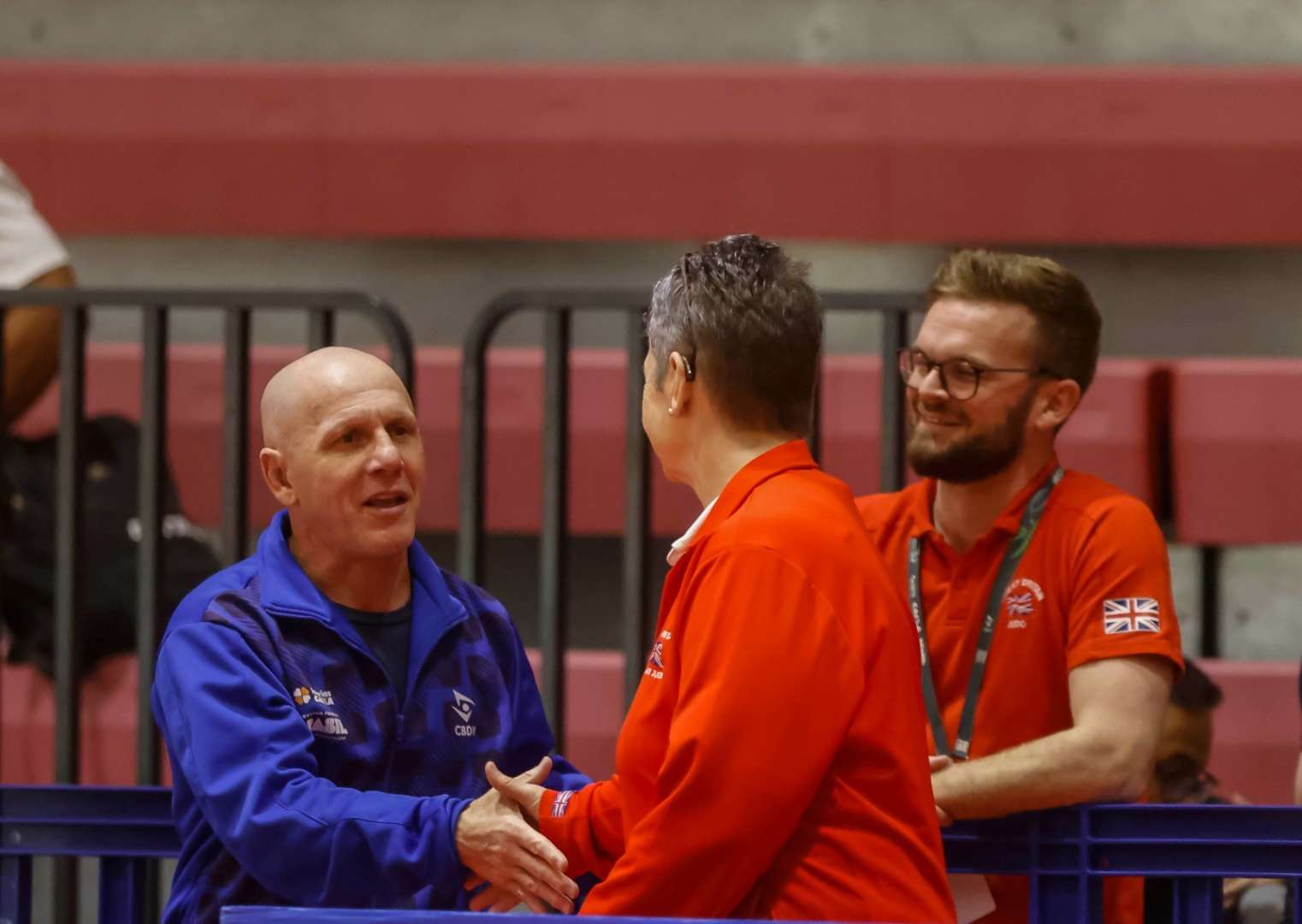
Opponents help each other up from the tatami, they cheer for the wins and commiserate the losses, even when at their own hands. Opposing coaches exchange warmly in the holding area and mat side after the contest is over. They discuss their training schedules, their ideas and their difficulties; rivals become part of the think tank.
Each individual wants to win but the collective responsibility is to provide the best environment possible in which judoka can improve themselves. Everyone is pointed in the same direction, creating a better life for the whole Para-judo community, for rivals, teammates and friends, as they are all one and the same. This is the togetherness of opposition.