
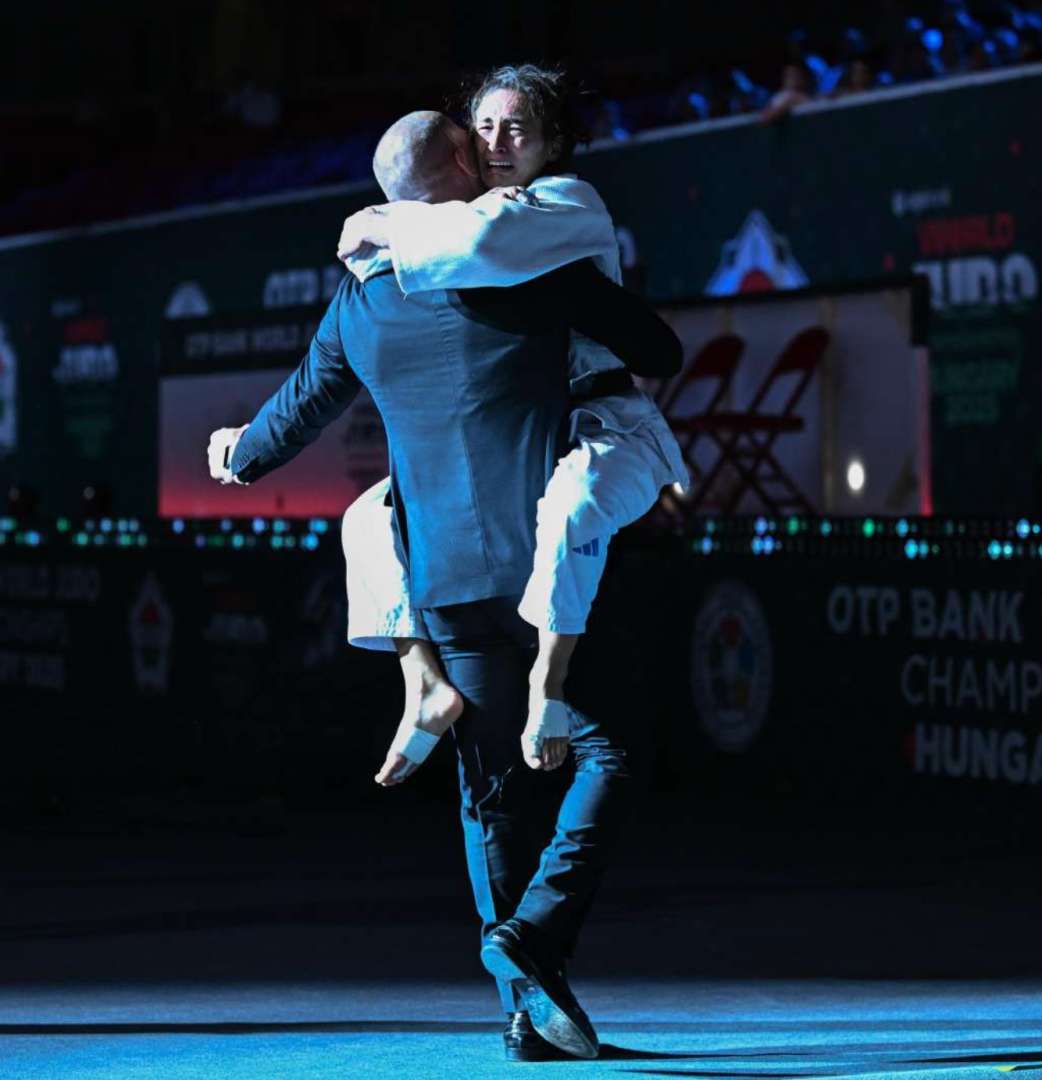
Yet winning and losing are not opposites. They are two different teachers, two complementary experiences that allow athletes to grow, to build themselves and to move forward. It’s easy to say but much harder to live.
It can be said that winning puts humility to the test, while losing tests resilience. This is particularly true in judo, a discipline in which both victory and defeat are carefully framed so that neither results in an uncontrolled emotional outburst. On the tatami, both must remain contained, mastered and respectful. Ultimately, victory and defeat contribute not only to the construction of the athlete but also to the development of the person.
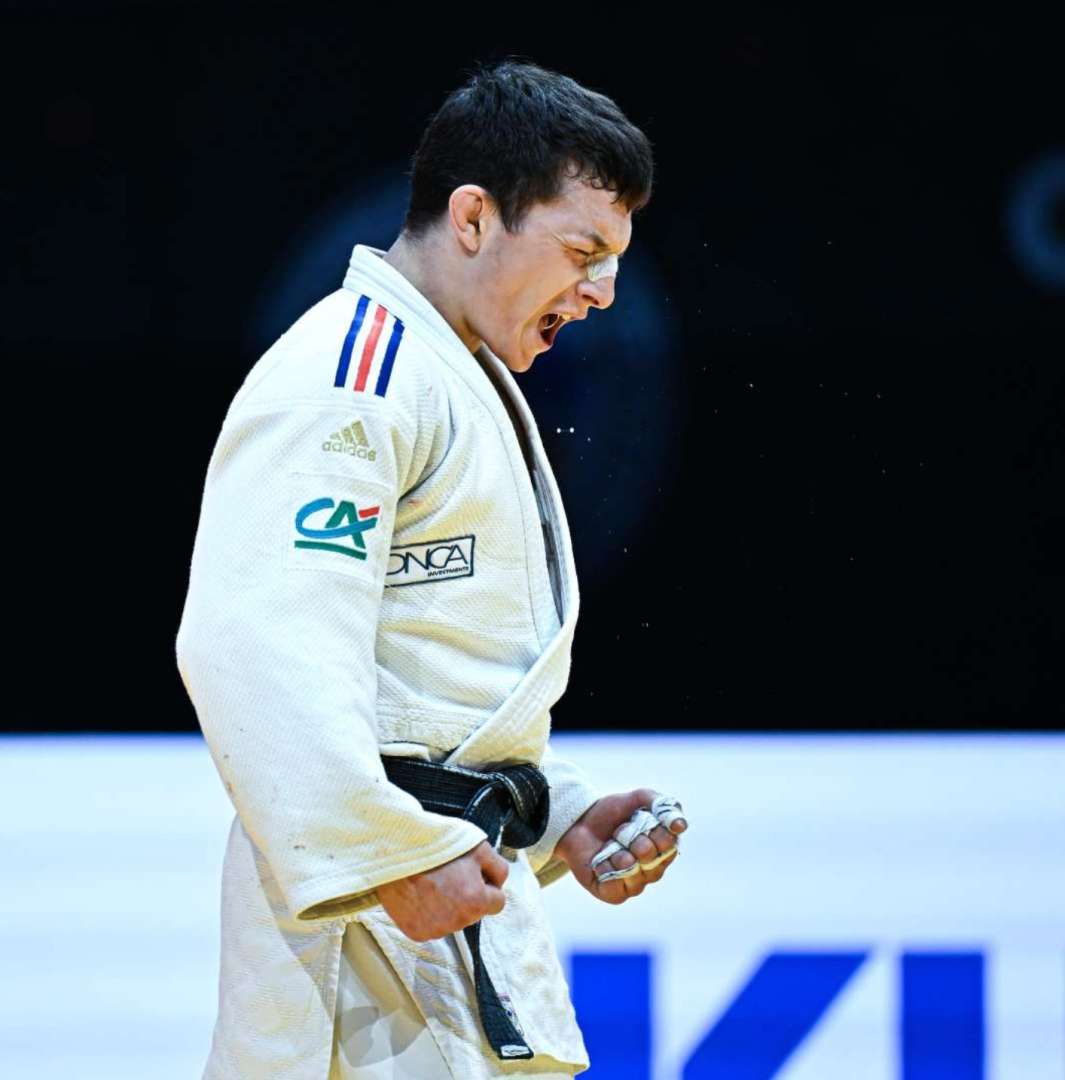
Who has never wanted to win? No-one, certainly not in elite judo. Athletes train to win medals, to shine, to see their national flag rise in the arena and to hear their anthem played. That much is obvious. Yet victory is a fragile moment, fleeting, almost intangible.
How long does a victory really last? Often, it is reduced to an instant. It is never an identity. It can be followed, very quickly, by defeat; a poorly managed victory can become a trap. Excessive euphoria, the difficulty of coming down emotionally, the pressure to ‘confirm’ success, all of these factors can gradually feed the fear of losing after having won.
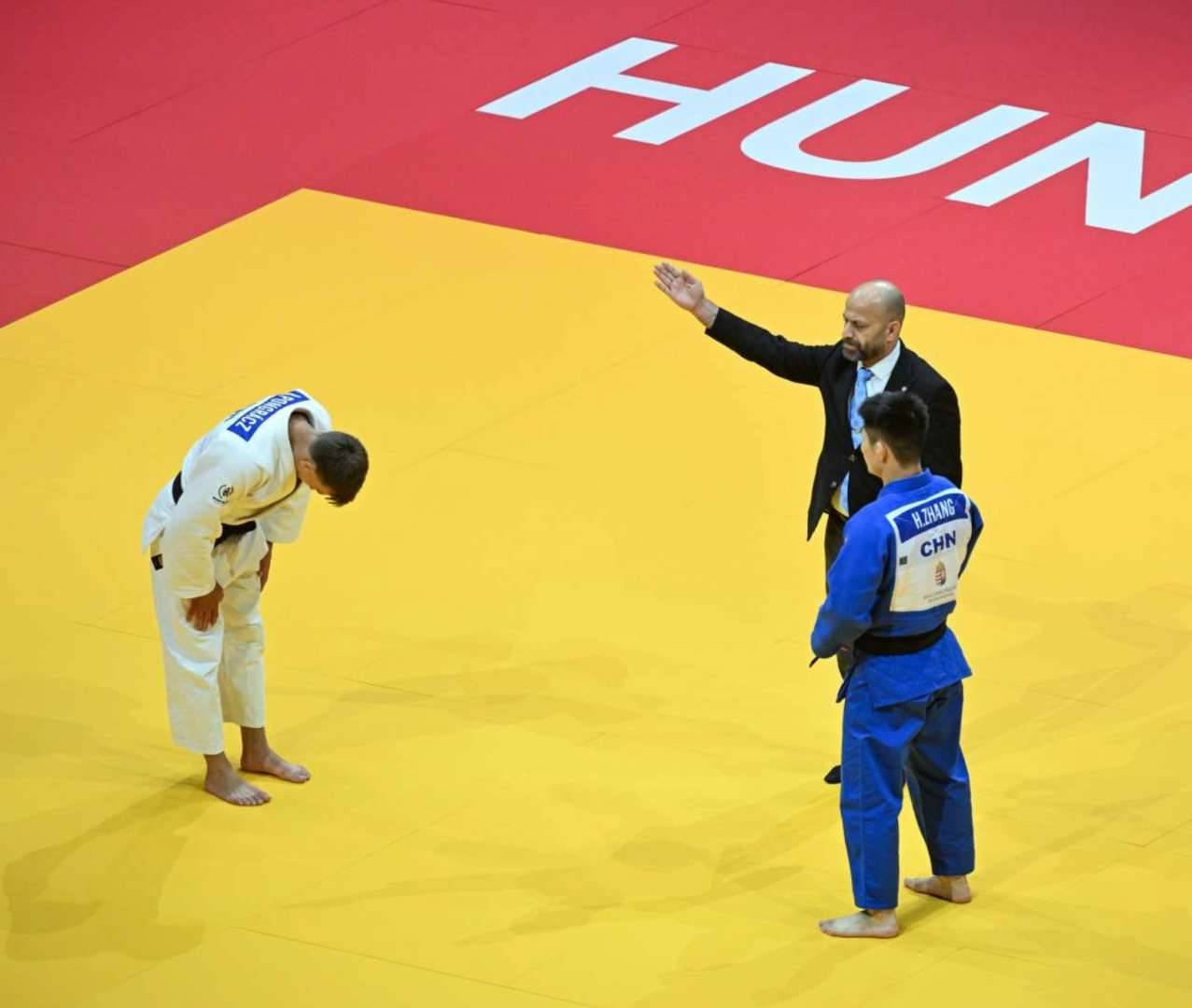
How does one remain clear-headed after a victory? The question is far from trivial. It is precisely what coaches try to teach judoka from a very young age. An outburst of joy is legitimate. It is human and it creates strong memories and positive images but it must never make us forget that there is also a defeated opponent standing opposite the winner. Respect is owed to them. In judo, the best way to demonstrate that respect remains the embodiment of self-control.
The role of the staff and the athlete’s entourage is therefore fundamental. Victory can lift you very high but it can also blind you. Celebrate, yes, but what comes next? What new objectives should be set? What needs to be put in place to continue progressing? Many athletes, after winning a world title or an Olympic medal, speak of a feeling of emptiness. From the outside, it can be difficult to understand and yet it is very real.
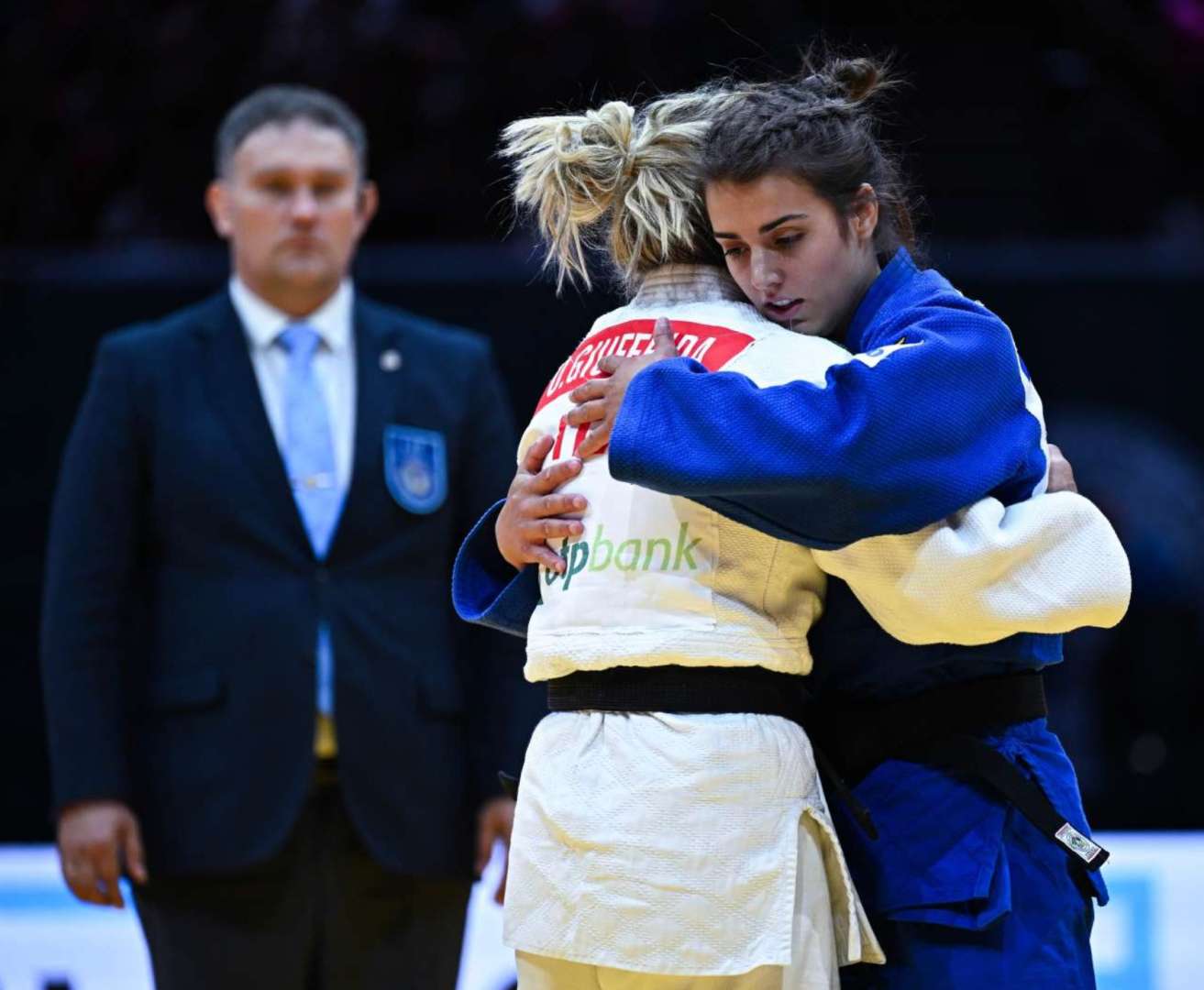
In contrast, defeat is a universal experience. It affects all athletes sooner or later, even the very best. Champions who enjoy long careers are often those who have managed to relaunch themselves after significant setbacks. Losing then becomes information, not a verdict. You can lose a contest without losing your value.
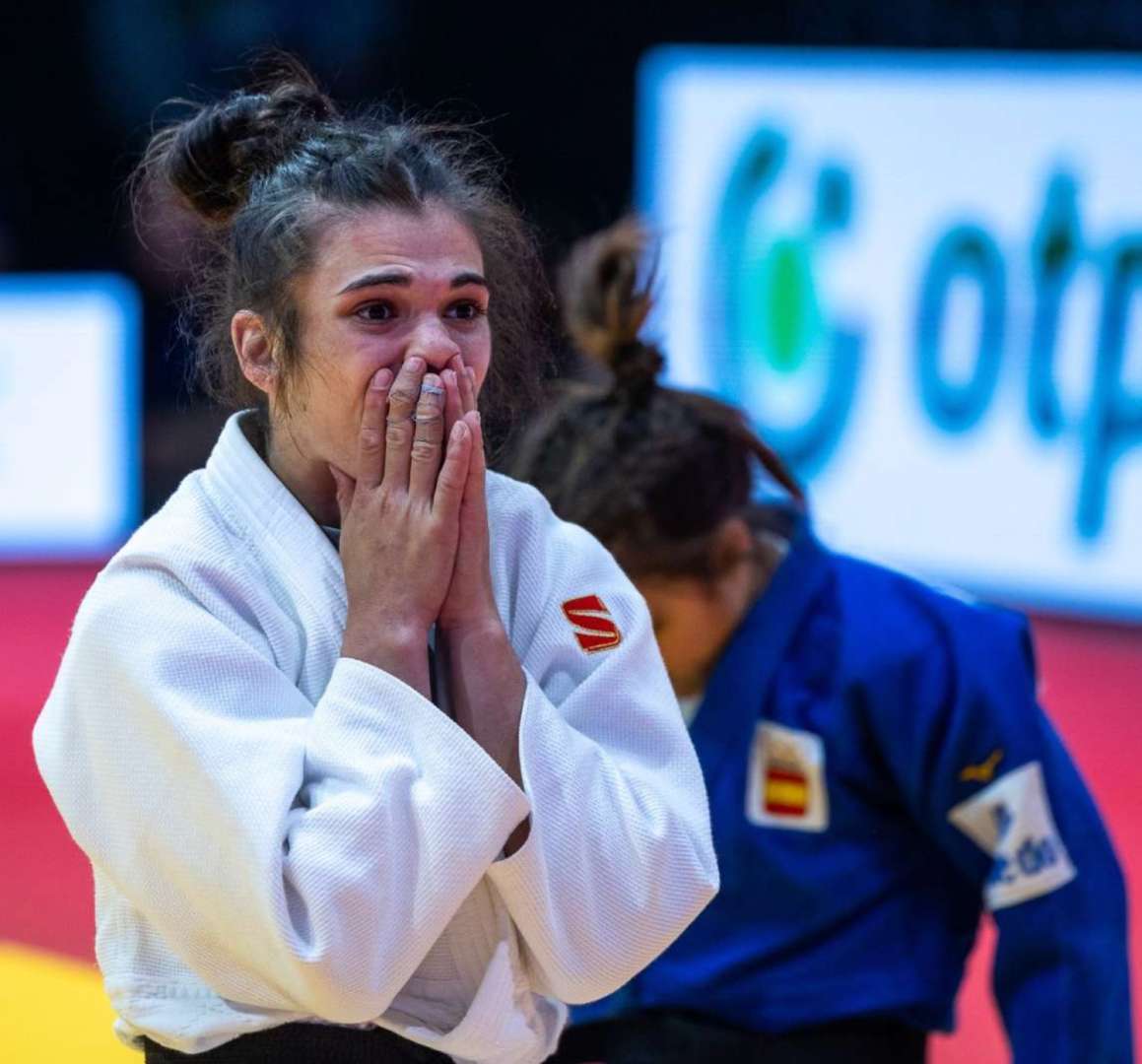
Defeat, however, often hurts more than victory brings happiness. One exhilarates, the other plunges you into doubt. The real challenge lies in transforming defeat not into a full stop but into a starting point; avoiding denial, avoiding emotional withdrawal, accepting the result without denying who you are. The moment immediately following a victory or a defeat is therefore decisive. Joy, anger and frustration are raw, instinctive emotions. The aim is not to suppress them but to learn how to manage them. No judoka is a machine. Emotions are normal, logical and necessary. It is all a matter of balance.
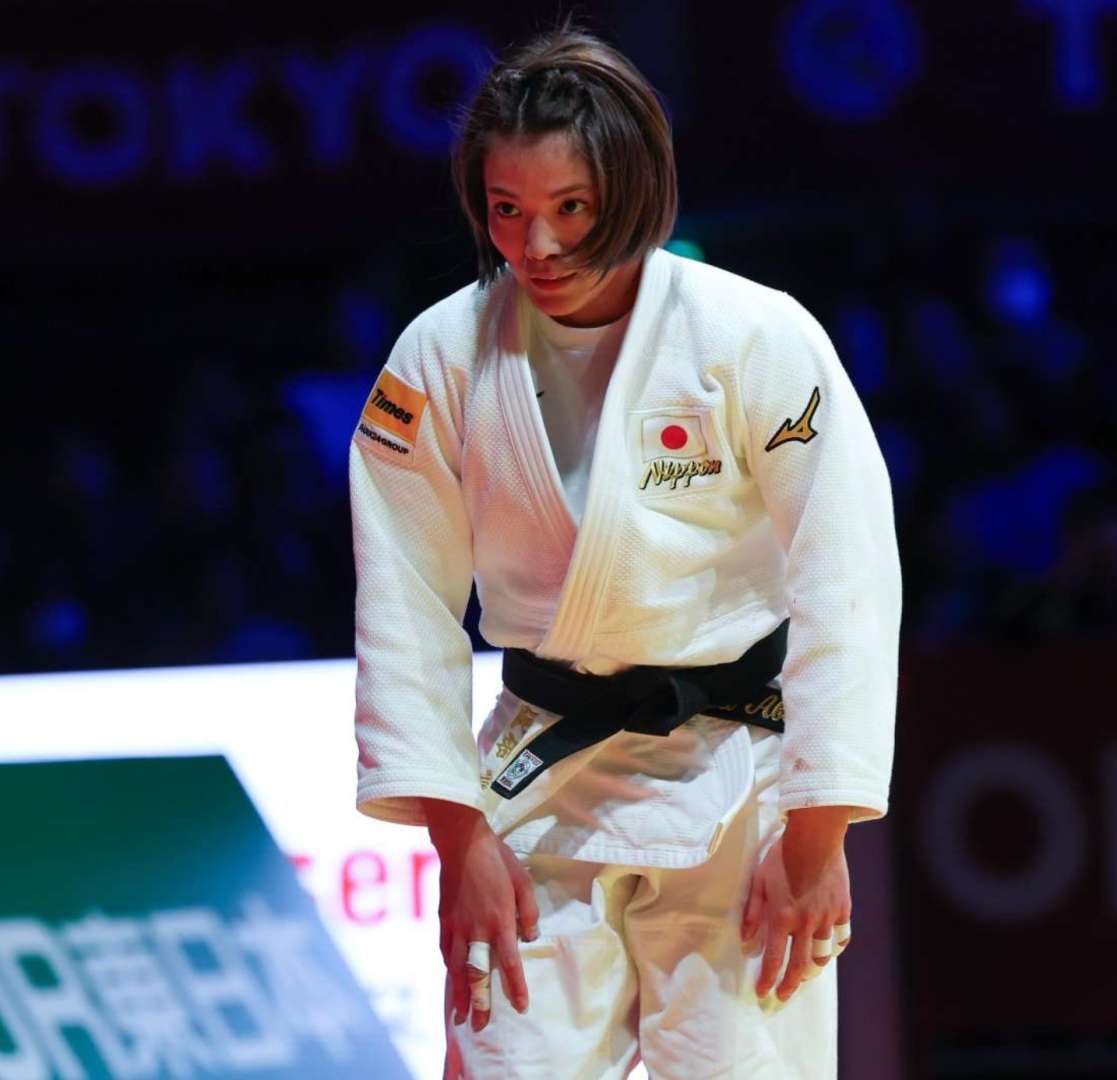
A sporting career is not decided in a single day, nor by one result. It is built over time, with highs and lows. More than the final objective, which is, of course, important in elite sport, it is the journey and the trajectory that shape the athlete. At the end of a competition day, whether crowned with success or halted by defeat, the right questions remain the same: what did I learn? What depended on me? What will I do differently next time?
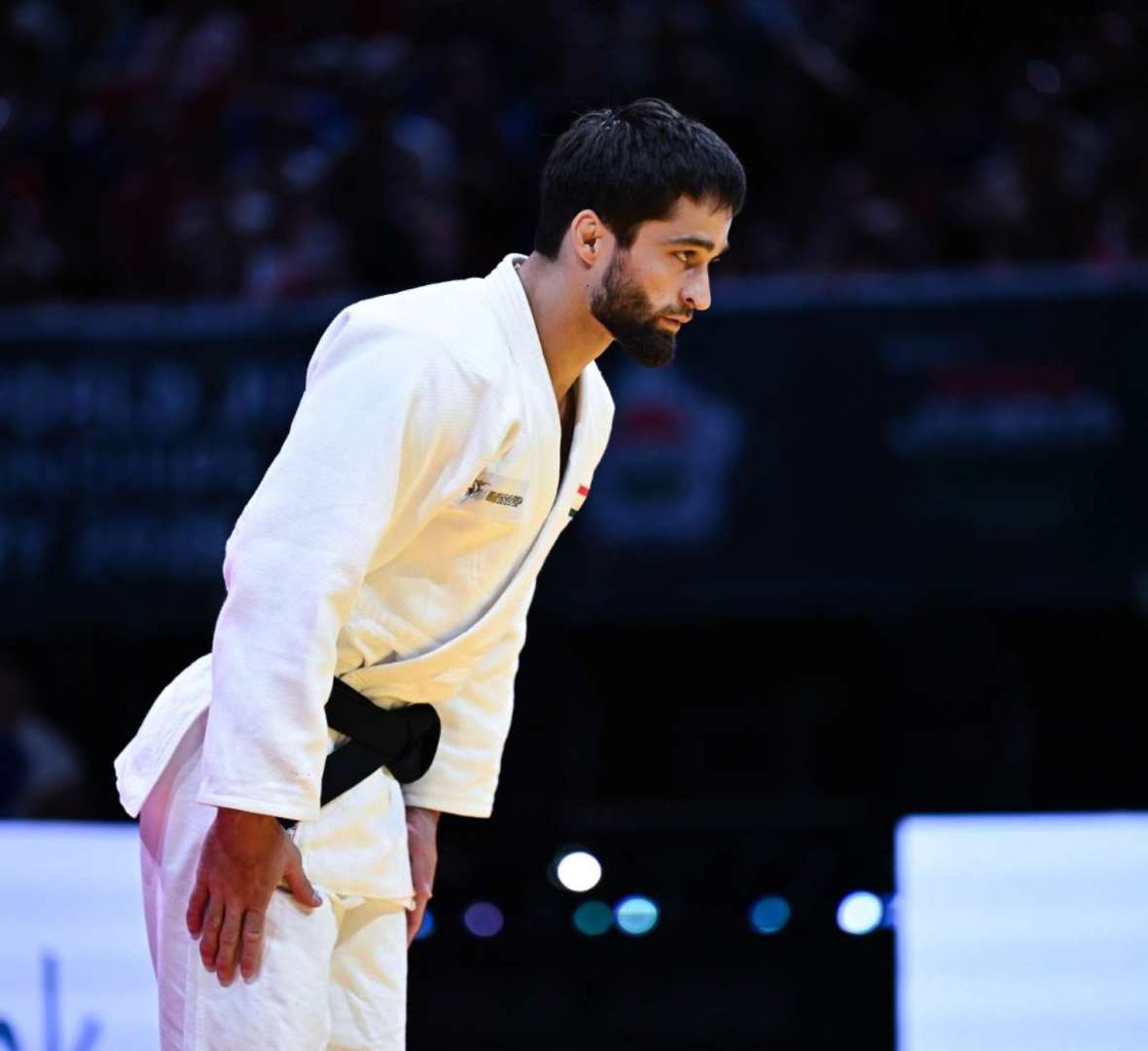
In judo, respect is central. It reveals the true level of a champion: respect for the opponent, respect for oneself, respect for the audience and respect for the sport. The bow is not a simple ritual; it is a reminder.
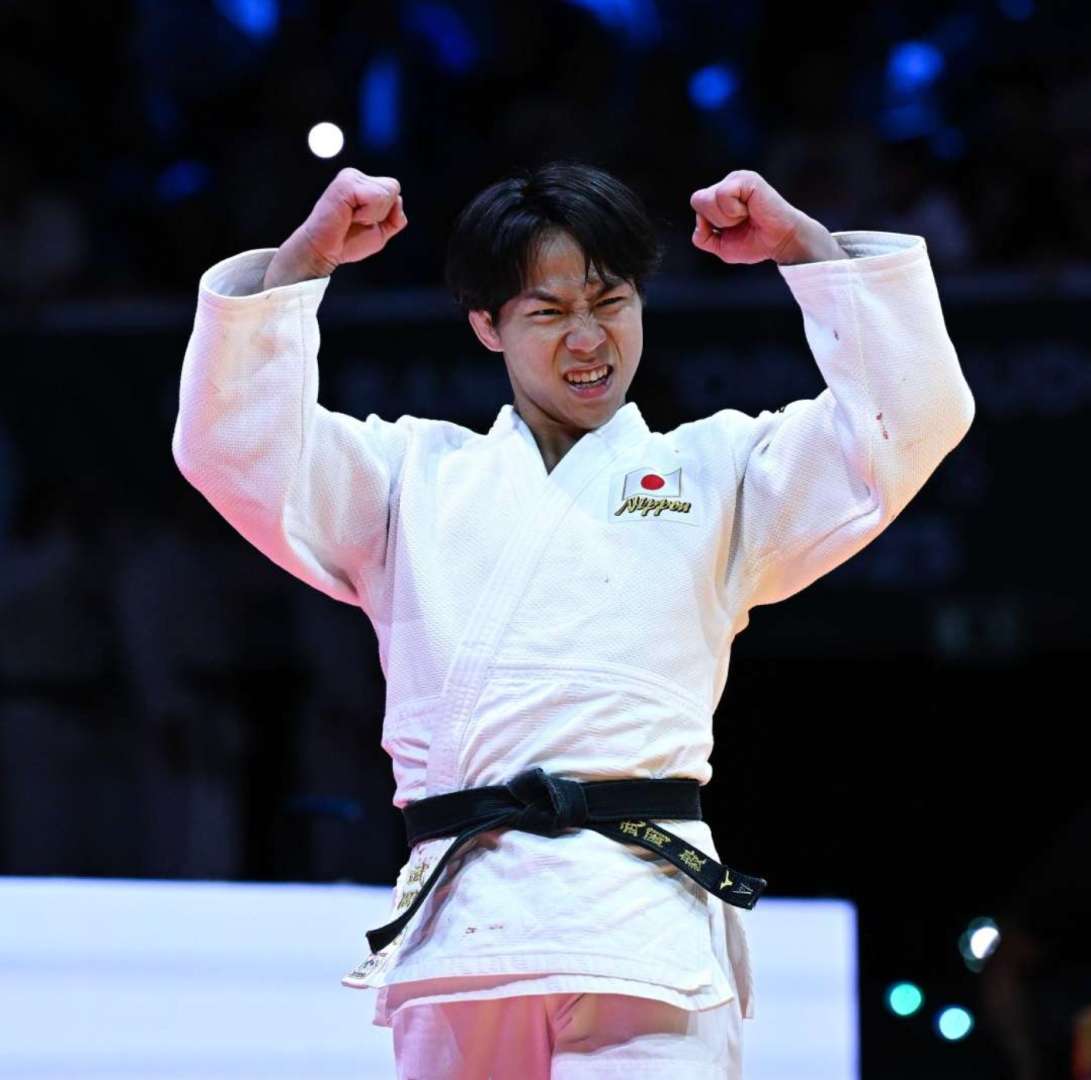
Training young judoka also means teaching them that losing is part of the game. It means putting results into perspective and valuing effort rather than medals alone. Sport must remain that safe space where one learns to fall and, in judo above all, where one learns that after falling, you get back up.
At the highest level, the fight is not always against the opponent but against expectations, personal, sporting, family-related, media-driven or those of the fans. In judo, the result puts a full stop on the contest but it is the way that result is handled that defines the athlete.