
The scale of his commitment is remarkable. So far, Kofler has completed 674 club visits and delivered 1,340 training sessions. Through these encounters, more than 24,000 judoka from 23 different countries have taken part in his sessions, each one reinforcing his belief that judo has the capacity to unite people beyond borders, cultures and languages.
“Judo is not just a sport; it is a way of life,” Kofler explains. “It carries great significance for peace and harmonious coexistence.”
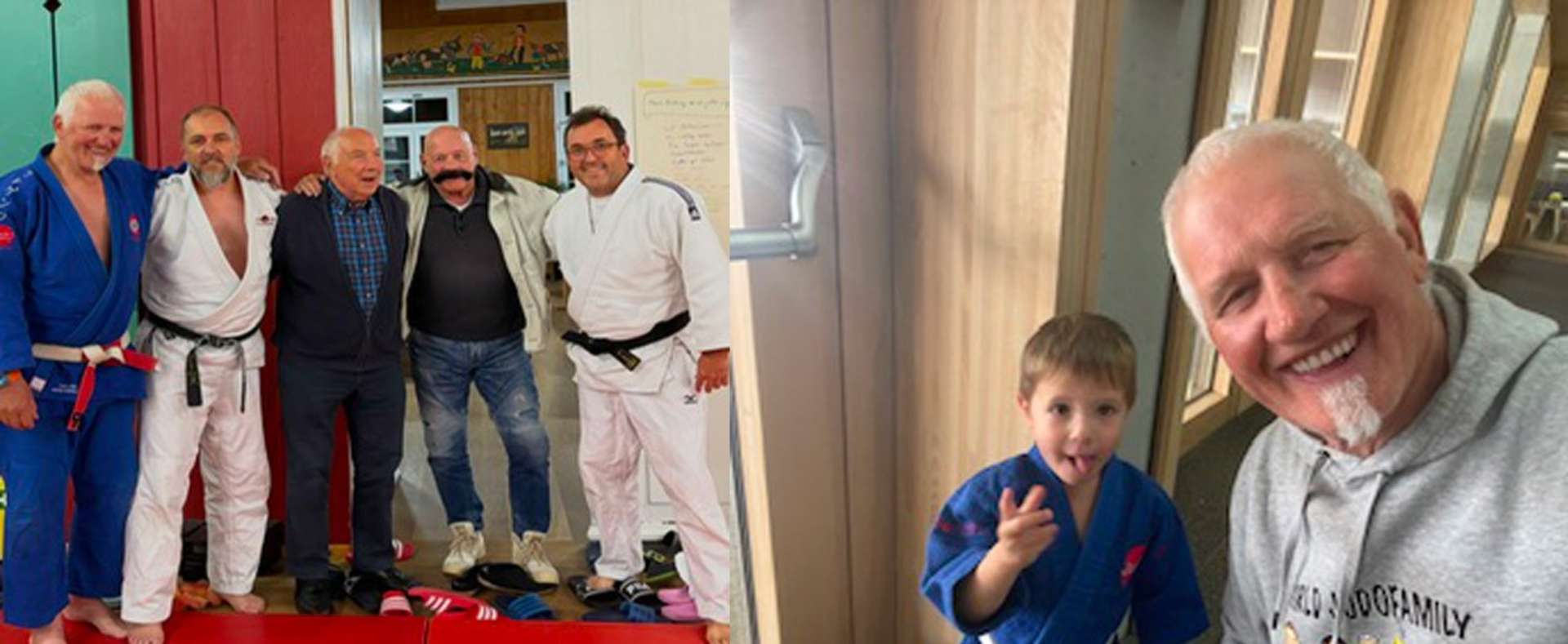
At 68 years of age, he feels a strong sense of urgency to dedicate his remaining time and energy to this mission, reaching as many people as possible while continuing to live the values he teaches.
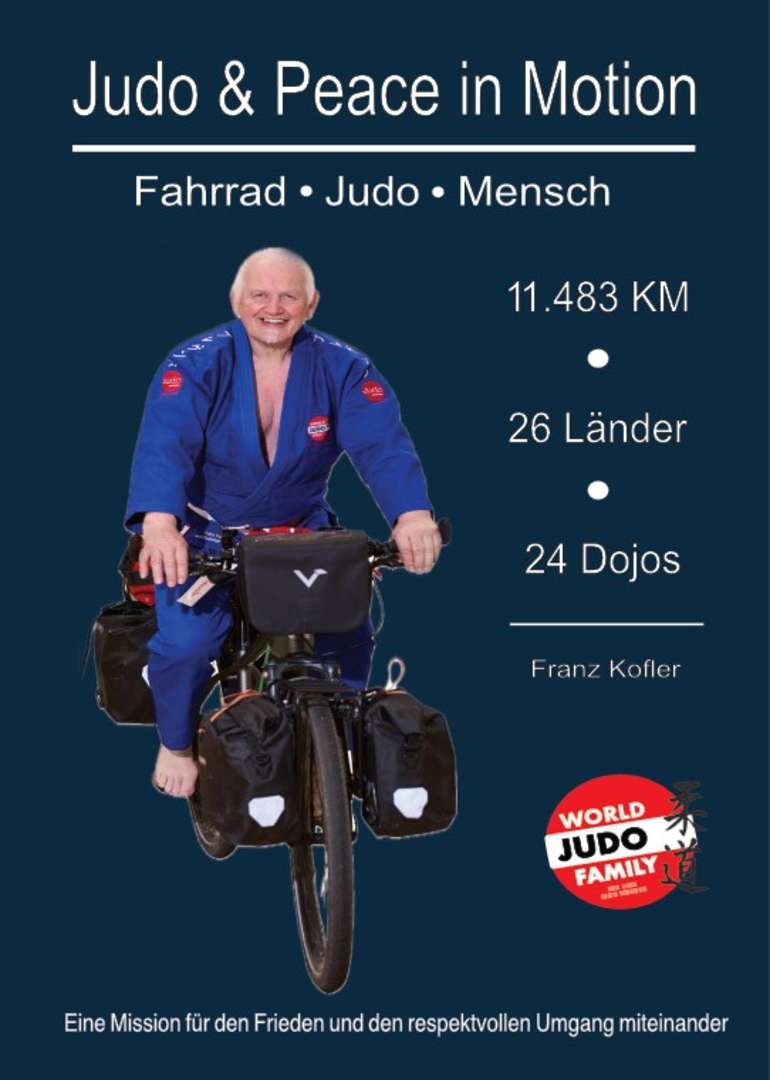
In 2025, Kofler took his vision one step further by launching ‘Judo & Peace in Motion,’ which we have talked about in these columns regularly. This extraordinary project combined sport, endurance and symbolism; he cycled 11,483 kilometres through 26 countries, visiting judo clubs along the way and conducting training sessions wherever possible.
The journey involved around 80,000 metres of elevation gain and months of preparation. Yet, for Kofler, the true meaning of the mission cannot be captured by statistics alone. It was, above all, a journey through the global judo community. In large sports halls and small local dojos, he encountered the same spirit of respect and solidarity. “I arrived as a stranger; I left as a friend,” he reflects. “We spoke the same language, not with words, but through respect, fairness and mutual support.”
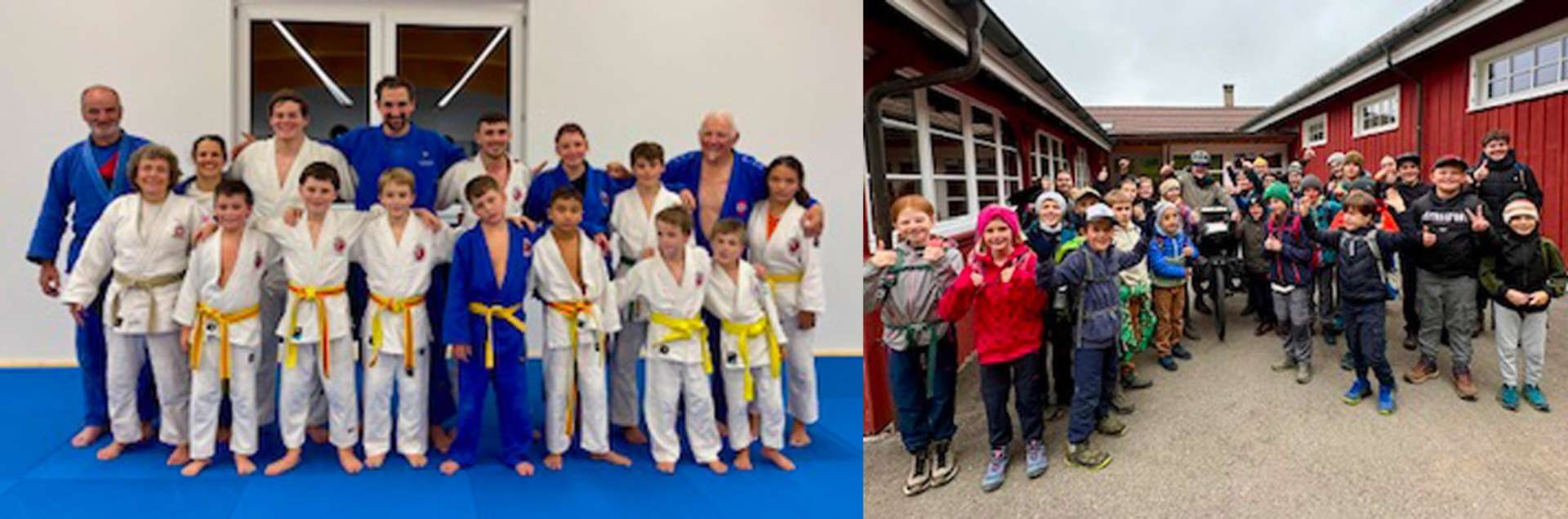
Each bow, handshake and shared randori revealed the unifying power of judo, demonstrating how deeply its values are embedded in practitioners’ lives around the world.
The mission tested Kofler physically and mentally. At 68, cycling thousands of kilometres required resilience and discipline, pushing him to confront both his strengths and limitations. Rather than focusing on hardship, he speaks of gratitude: gratitude for his health, for the people who offered help along the road and for the coaches, families and friends who supported him throughout the journey. This humility lies at the heart of his message. For Kofler, the ability to undertake such a mission is not an achievement to boast about, but a privilege.
Hope accompanied him throughout the journey, a quiet hope that each encounter might leave a lasting impression. He believes that openness, lived values and genuine human connection can influence hearts and communities, even if the impact is not immediately visible. “Every club I visit is a step towards a more peaceful world,” he says. “If we can connect through sport, we contribute to a more harmonious society.”
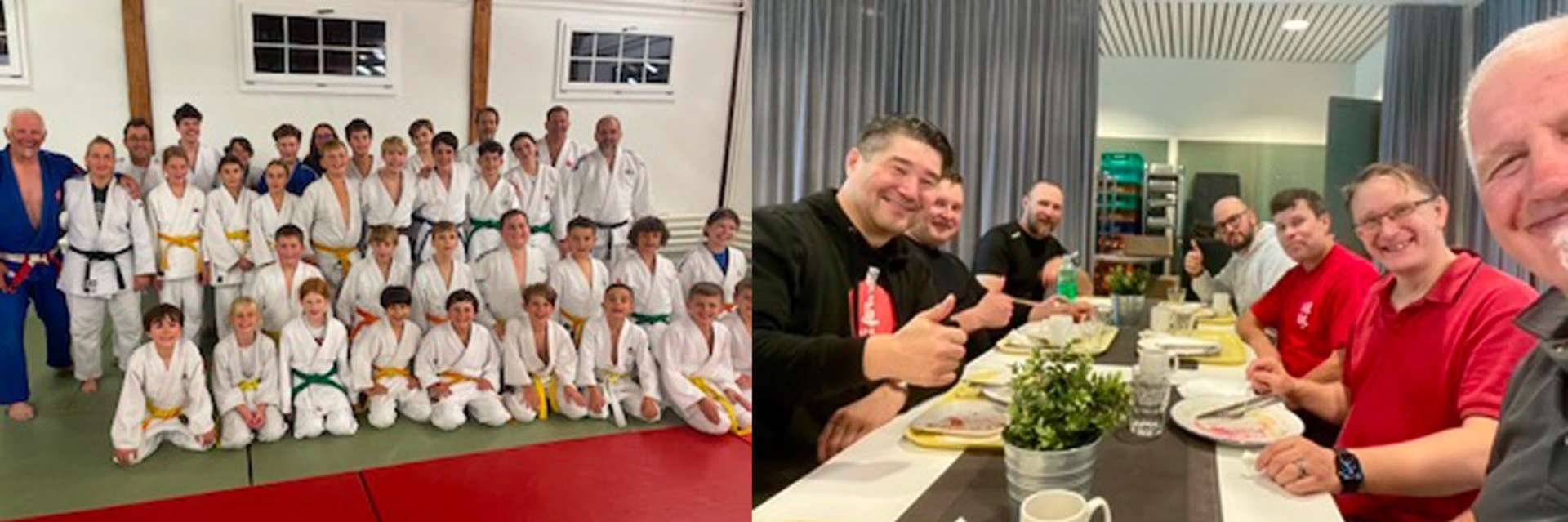
Kofler’s work goes far beyond performance or competition. His mission highlights judo as a means of intercultural exchange and mutual understanding, promoting values such as respect, discipline and inner strength, qualities that are increasingly vital in today’s divided world. He invites readers and judoka alike to take something from his journey: an image, a feeling or an idea. Perhaps the idea that sport can be more than results and rankings can open pathways to tolerance, understanding and peace.
This journey has now been documented in his forthcoming book, Judo & Peace in Motion, due to be released at the end of January. The book reflects not only the physical journey, but also the encounters, emotions and lessons gathered along the way.
In conclusion, Franz Kofler sees judo as an art of togetherness. Peace, he believes, begins in small gestures, on the tatami, in conversation and in the attitude we adopt towards others. As he closes this chapter of his journey, he does so with gratitude and determination, already looking towards new paths.