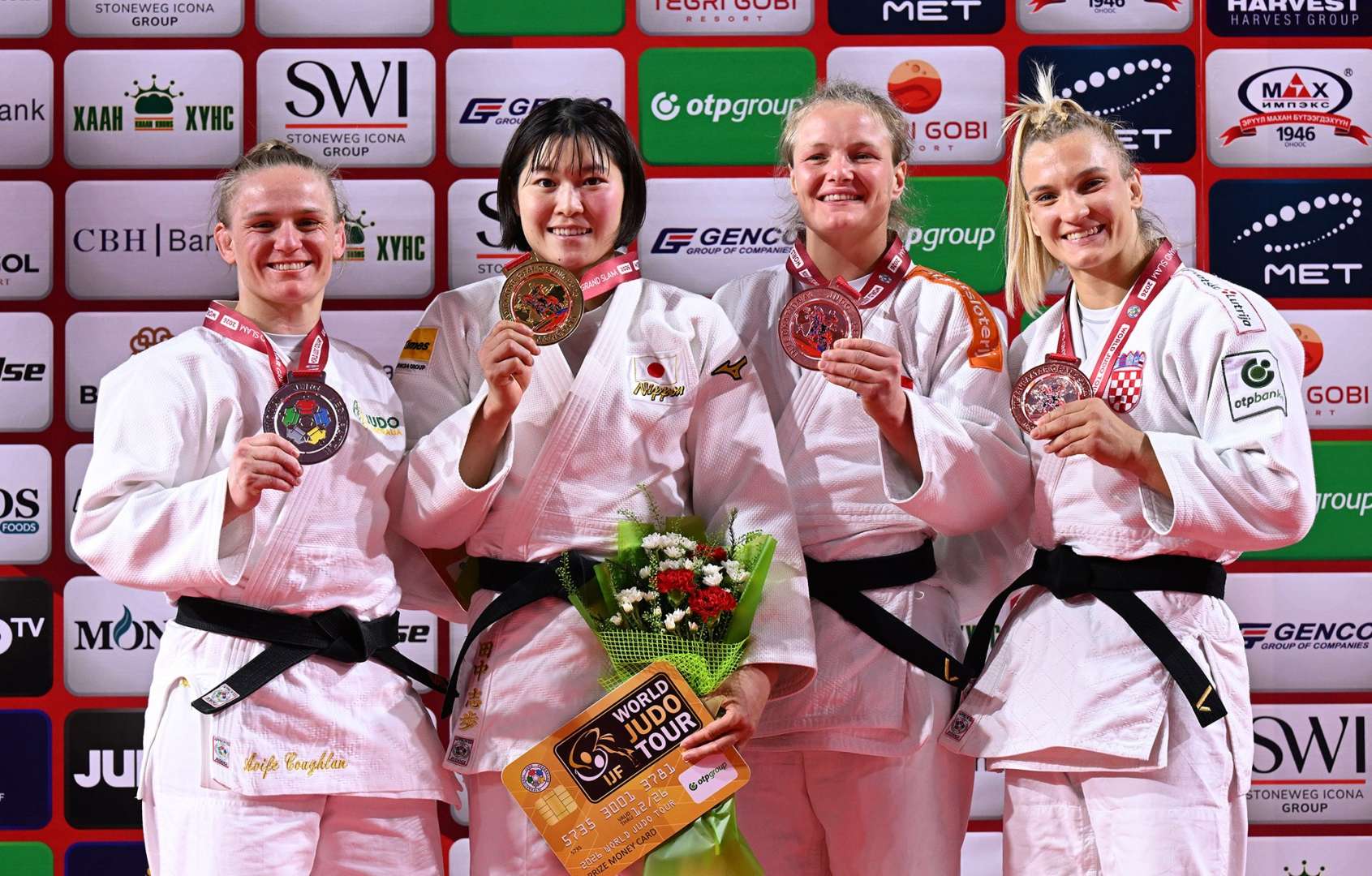

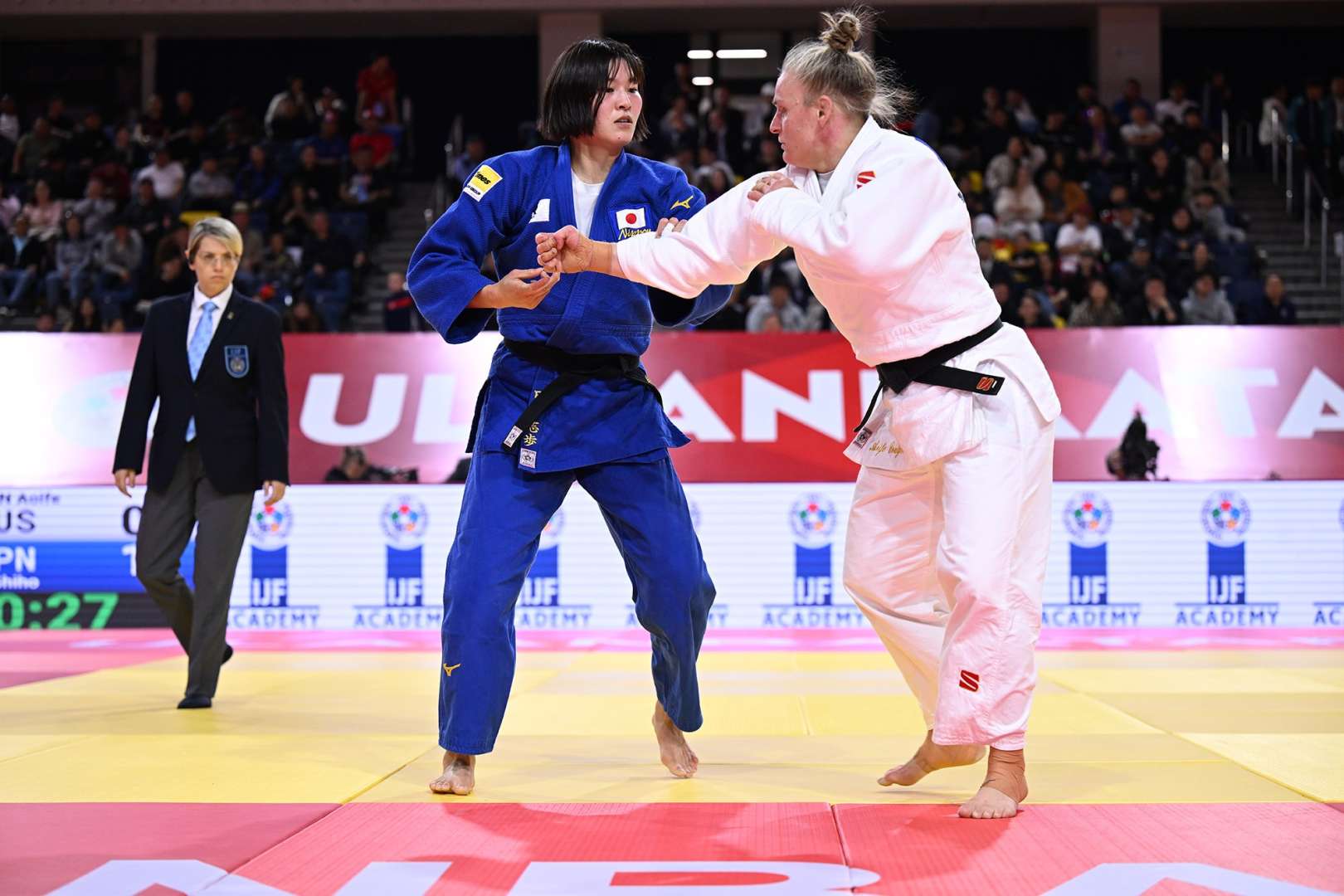
In the lower half of the draw, after the elimination of several other favourites, it was Shiho Tanaka (JPN) who booked her place in the final against Coughlan. A serious challenge awaited the Australian, as Tanaka is none other than the reigning world champion. This also serves as a reminder that Japanese judoka, who sometimes compete less frequently on the World Judo Tour than athletes from other nations, do not always have a world ranking position that reflects their true level.
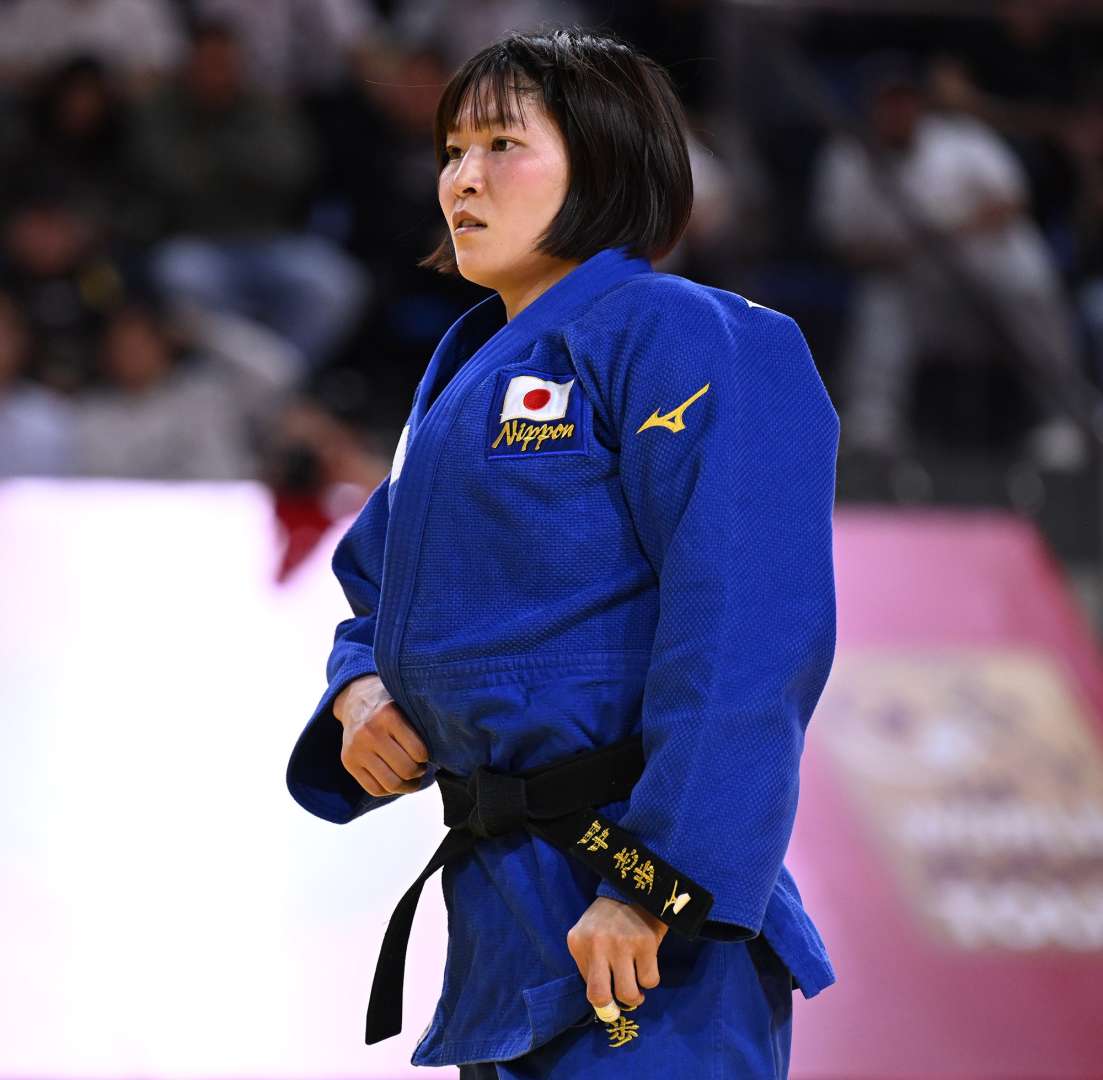
The final promised to be a hard-fought battle and many expected the advantage to lie with Shiho Tanaka. However, Aoife Coughlan offered strong resistance and pushed the Japanese judoka throughout the contest. In the end, a single yuko was enough to separate the two athletes, giving Tanaka the gold medal and Japan its sixth gold medal of the Ulaanbaatar Grand Slam.
Shiho Tanaka said, "Since I came to Mongolia to collect Olympic qualification points, I wanted to make sure I keep winning my upcoming matches to firmly connect this path to the Olympics. Coming back here for the first time in three years and winning this grand slam for the second time makes me incredibly happy. While everyone wants to beat the world champion, I didn't actually feel too much pressure out there; I am just really glad that I was able to stay focused, push through and thoroughly secure the victory."
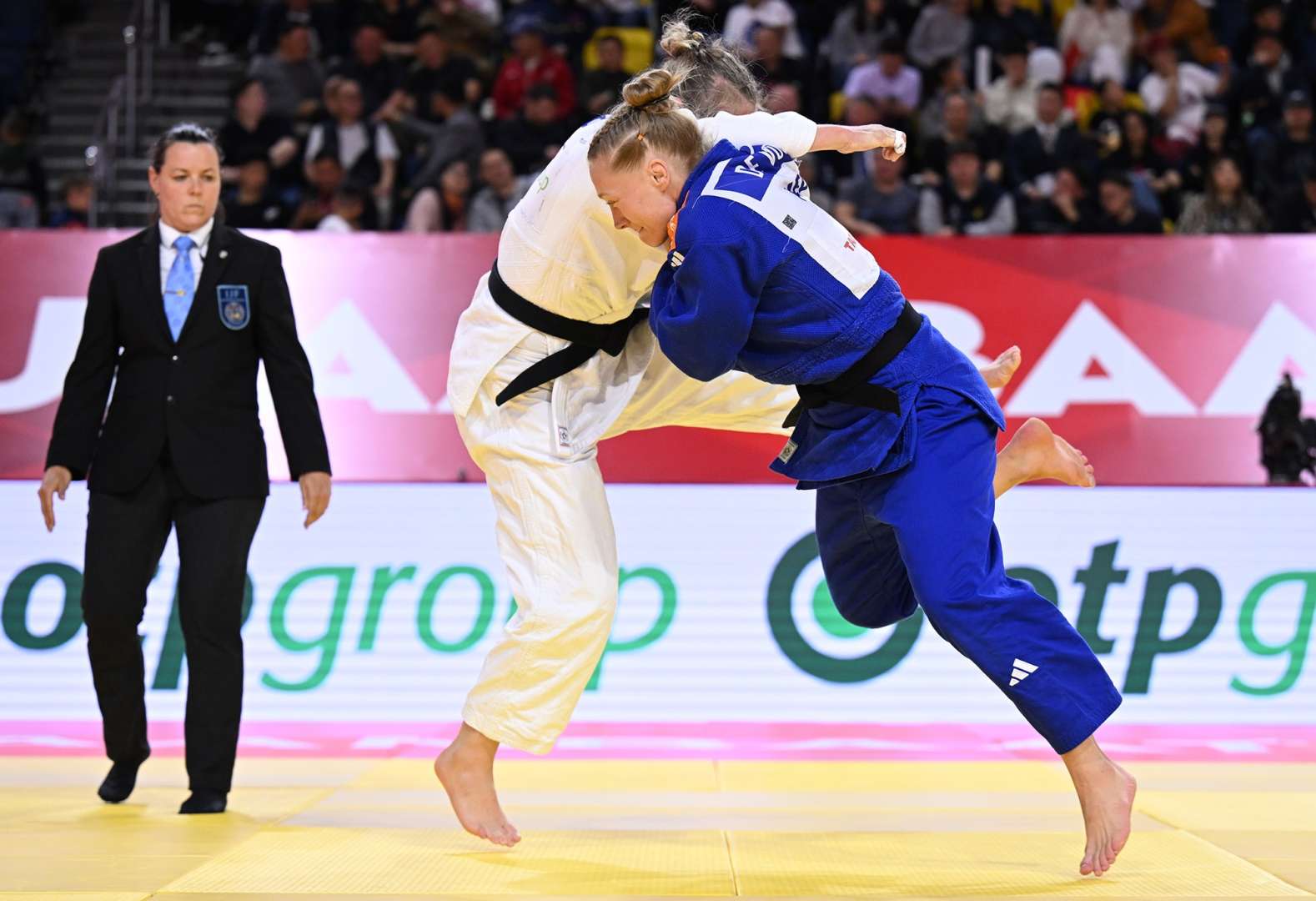
The bronze medal contests also promised high-level encounters. The first featured an all-Dutch clash between Sanne Van Dijke (NED) and Margit De Voogd (NED), while the second saw Lara Cvjetko (CRO) face Olympic medallist Miriam Butkereit (GER).
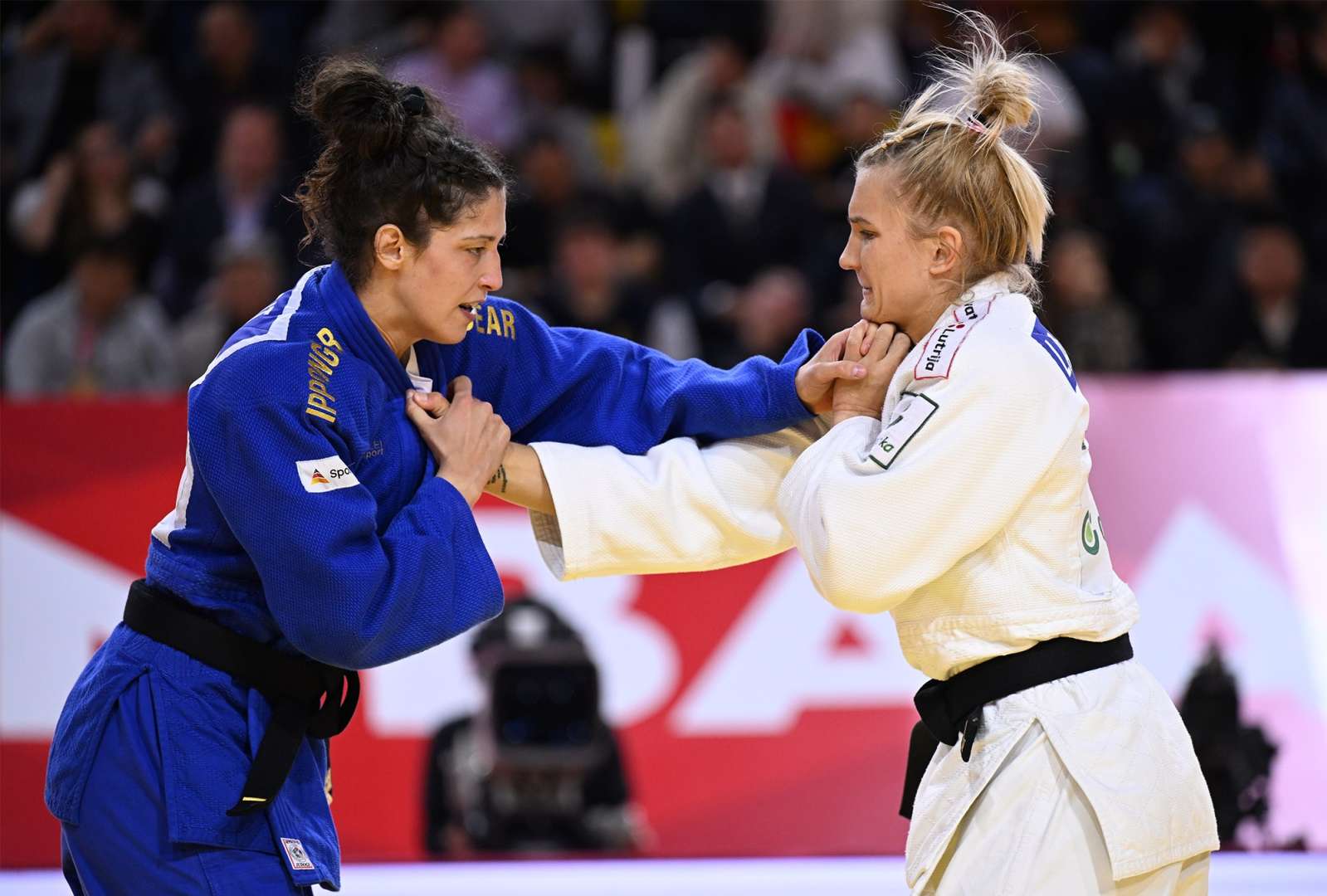
The first bronze medal remained in Dutch hands as Sanne Van Dijke took victory over her compatriot. The second was claimed by Lara Cvjetko after Miriam Butkereit received a third shido.
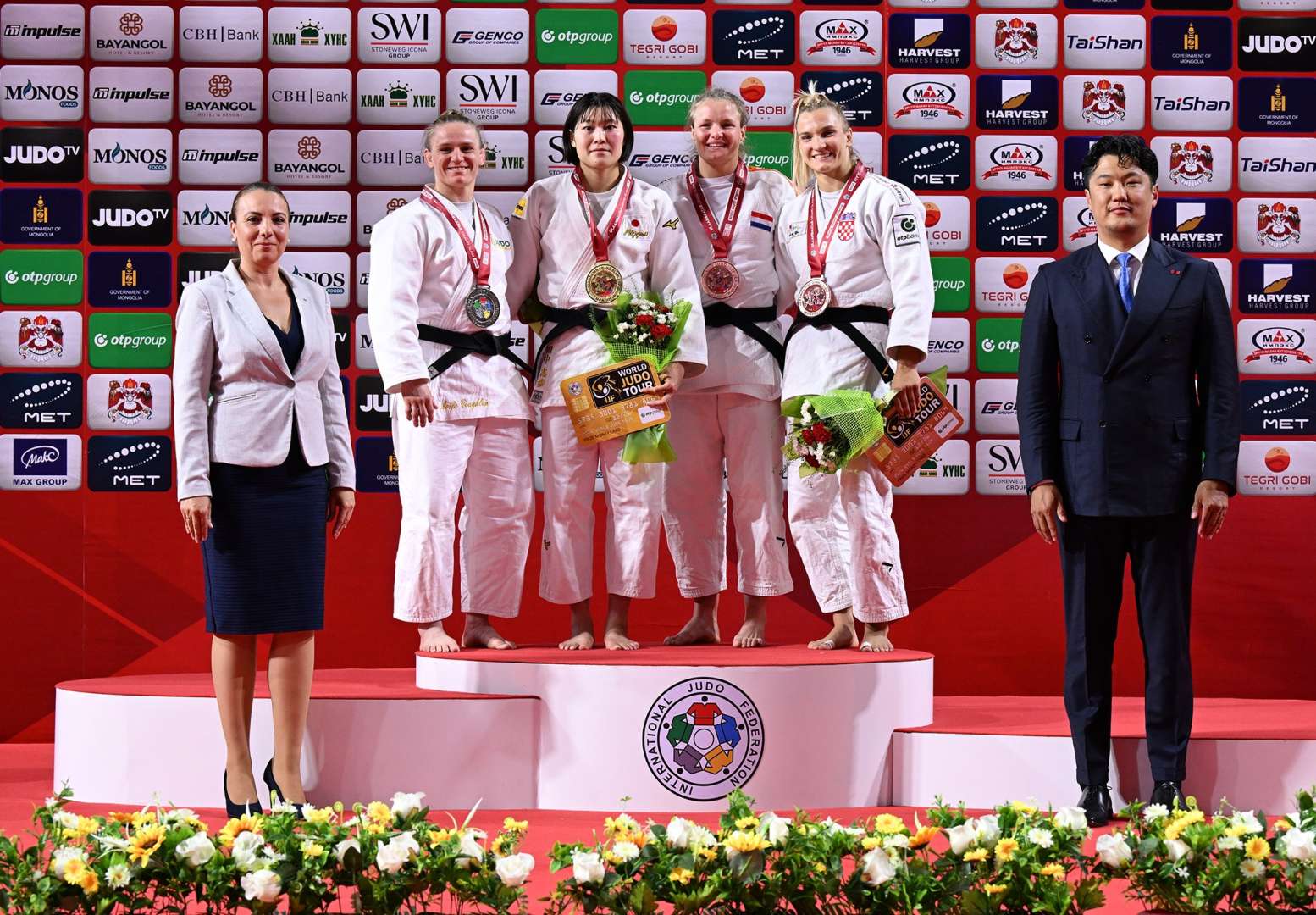
Final (-70 kg)
Bronze Medal Fights (-70 kg)