
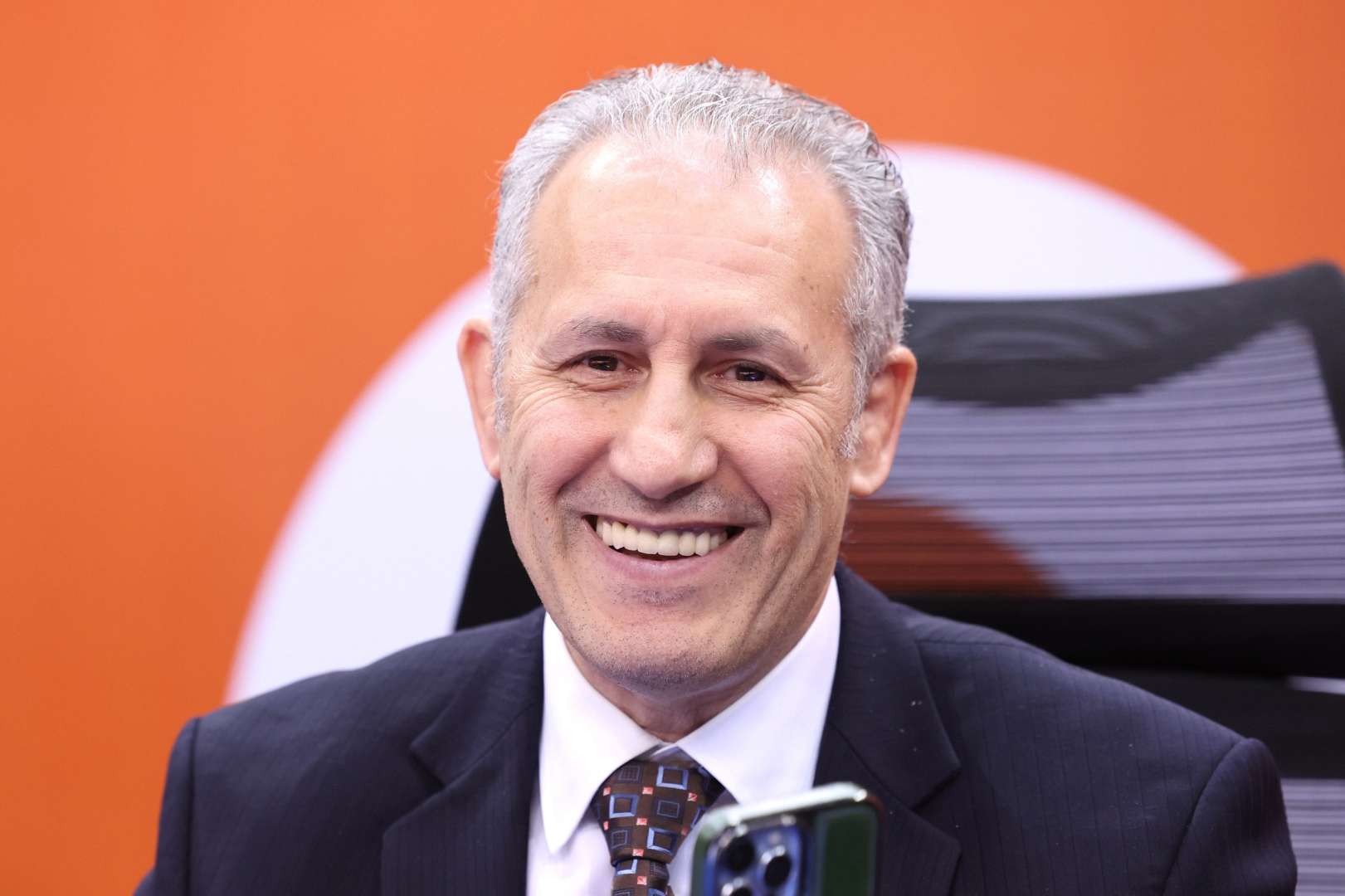
Born in Algiers, with family roots in Barbacha, Algeria, he discovered judo in 1968 and has never left the tatami since. "I started judo in 1968 and I have never stopped. I went through every age category, from the youngest divisions to the seniors. My first competitions came in 1971 or 1972 and I eventually became Algerian champion in every age category." Some memories have never faded. "I still remember the smell of the dojo. Sweat and tatami together meant work. Even today, whenever I enter a dojo, those memories immediately come back." After winning his very first competition, his club rewarded him by paying his membership fees, an early gesture of confidence that remained with him throughout his career.
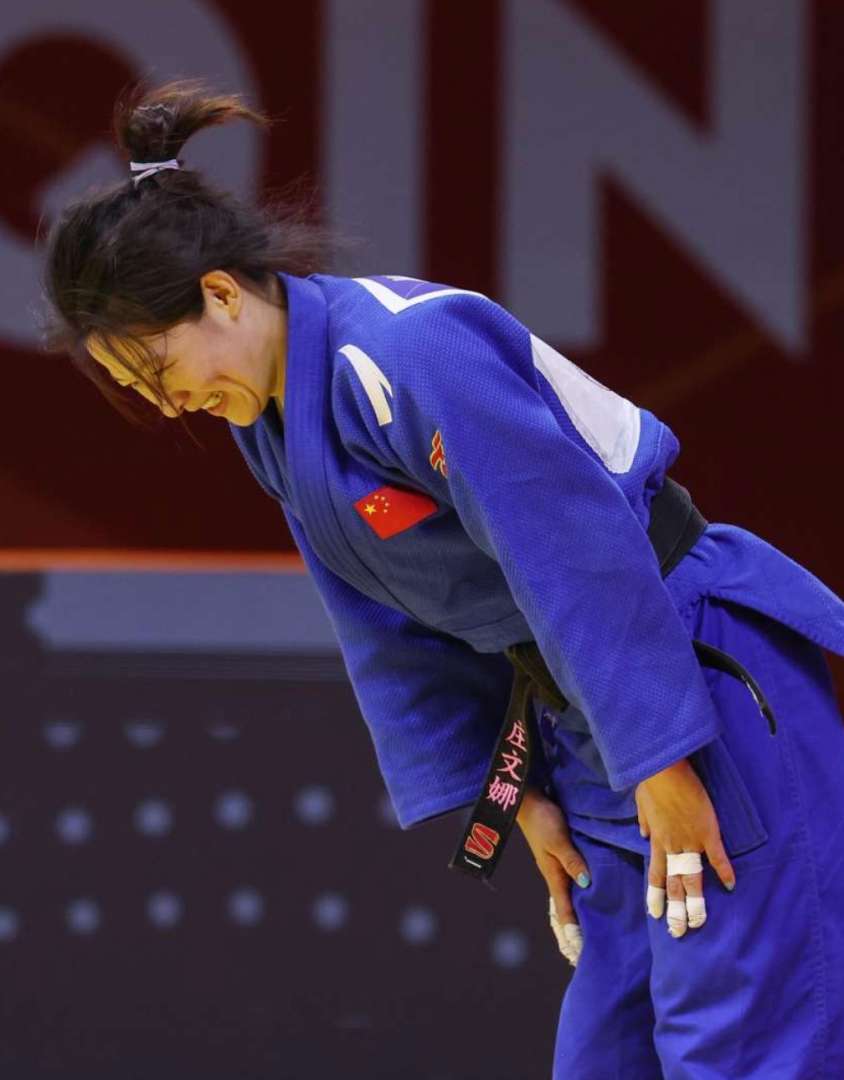
His senior career began in 1980 with a bronze medal at an international tournament in Portugal, launching a run of five consecutive Algerian senior titles between 1981 and 1985. His path, however, was never straightforward. Injuries interrupted his progress repeatedly, forcing him to miss the 1983 African Championships, the world championships and the Mediterranean Games. Yet, resilience became one of his defining characteristics. In 1985, at the African Championships in Tunisia, coached by Olympic silver medallist Valeriy Dvoinikov, he won the continental title despite competing with a double fracture in his foot. Two years later, at the African Games in Nairobi, he captured another gold medal while suffering from a sports hernia. "I spent much of my competitive career dealing with injuries, but that was simply part of being an athlete."
Those years were also marked by demanding preparation camps throughout Eastern Europe, including Bulgaria, the Soviet Union, Hungary and Czechoslovakia, experiences that shaped both his technical knowledge and his philosophy of high performance. His first inspiration was his own coach, Abbad Tahar, while internationally he admired Yasuhiro Yamashita. Fate would later bring the two men together in unexpected circumstances. "In 2007, I stood for election as IJF Education Director against my own idol. I was elected and afterwards we became very good friends."
After retiring from competition, Meridja became assistant national coach before leading the Algerian national team. Opportunities then led him into sports administration. He served five terms as president of the Algerian Judo Federation while also becoming Vice President of the African Judo Union, helping strengthen Algerian judo's international standing. Today, as IJF Education and Coaching Director, he oversees programmes including Olympic Solidarity and continues to pursue the same objective that has guided him throughout his career. "I have always enjoyed bringing people together, whether as an athlete, a coach, a federation president or now as an international official. The functions I hold today at the IJF are a great source of pride for me, for my family and for my country."
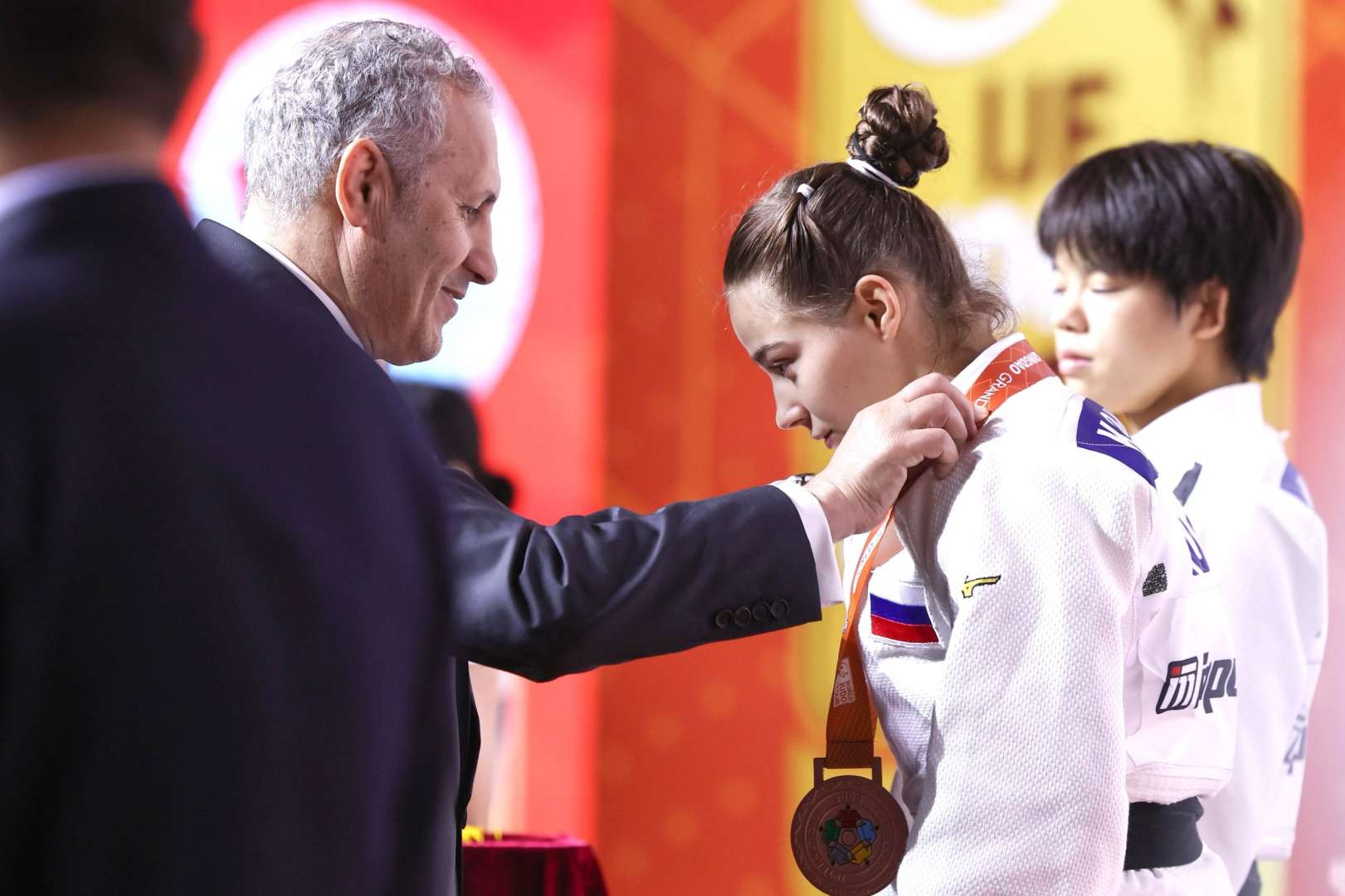
Watching the opening tournaments of the Olympic qualification period has only reinforced his optimism, "When I look at these first two events, in Mongolia and now here in China, I have seen hundreds of highly motivated athletes. Everyone already wants to give their very best and maximise their chances of qualifying for Los Angeles. You can clearly feel the difference between before Mongolia and now. There is an extra level of motivation everywhere. National federations are investing heavily and that is why we are seeing more and more competitors. In both Mongolia and China we witnessed excellent organisation too. There were no major injuries, which is a positive sign that everyone is well prepared. Everybody is investing in the future and that is very encouraging."
He also believes the competitive balance has never been stronger. "I have not seen any domination by particular athletes. The medallists from last week are not necessarily the medallists this week. There is room for everyone. Our qualification system is fair and everybody respects it." For Mr Meridja, however, performance alone can never define success. "It is important to underline that respect remains a fundamental value in everything we do. As Education and Coaching Director, I always remind people that respect exists at every level: athletes respecting themselves and their opponents, coaches respecting referees and everyone respecting the organisers. We are moving forward together towards the same objective: producing the greatest champions possible and the best human beings. Everyone shares the responsibility of their behaviour."
Nearly sixty years after first stepping onto a tatami, Mohamed Meridja remains convinced that education and performance are inseparable. The road to Los Angeles has only just begun but he already senses the momentum building. "We are only at the beginning of this great Olympic adventure. The intensity will continue to grow." Behind every medal, every title and every responsibility lies the same lesson that has guided his life since childhood. "My family, and especially my wife, have always been my greatest pillars. Without them, none of this would have been possible."