
Recently, the committee launched a new research project on ‘routes into non-playing sports roles for women and girls,’ looking at the barriers to women taking up roles such as those involved in coaching, officiating, sports science work, governance and sports journalism. Lisa was invited to join a panel of 3 experts looking into officiating.
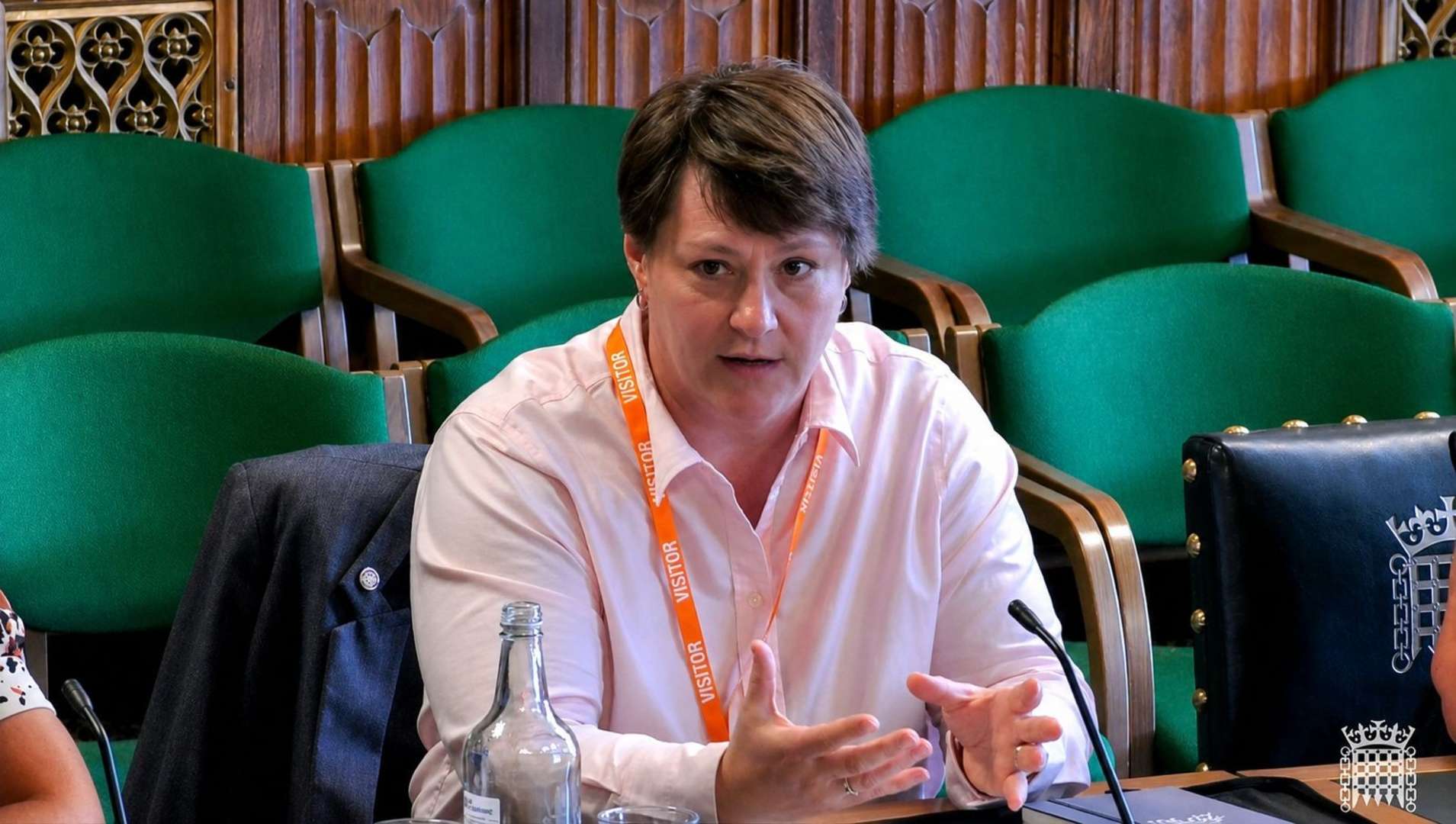
The potential outcome of the inquiry is to inform recommendations to government and sporting bodies on how to improve pathways for women and girls into non-playing roles. “My part was to be interviewed as part of the panel, by Members of Parliament (MPs) on a range of topics, especially asking for my views on refereeing and officiating as a female referee in judo,” explained Lisa.
“I became involved after receiving an email inviting me to attend. The chair of the select committee had an interest in martial arts and they had been told of my involvement in high level judo refereeing and I was pleased to accept.
The other two members of the panel were a top level football referee and world tennis umpire. We were all asked our opinions on a range of matters that affect women entering sporting environments and how we would like to see changes made to these processes. The committee were also looking at how things were changing across the grassroots-to-elite pathways and the best practices that had already been implemented and could be developed further.”
The lead up to the panel convening gave Lisa time to prepare and ensure she represented the judo community, women in sport and particularly the women around her in judo at home in Great Britain effectively. “Prior to the interview I sent a questionnaire to female colleagues from across the UK and other female World Judo Tour referees to get others views on what is happening both in the UK and around the world. This gave me a more rounded view of the issues affecting us as well as good practices that are already in place."

"I enjoyed being able to represent judo and show the good work that we as a sport are doing to improve inclusiveness for women. I think just having a voice is significant for judo in the UK. We are a minority sport compared to tennis and football and to have an equal voice is important to show how important we are as a sport.”
Lisa spoke at length during the panel meeting and gave a very positive perspective of women’s roles within international and domestic judo. This was a significant calling and an important opportunity to have a voice that can impact the future of women’s participation.
“I think judo and refereeing specifically prepares you for being calm in these situations and being able to think under pressure.” This is a reflection most of us can recognise!
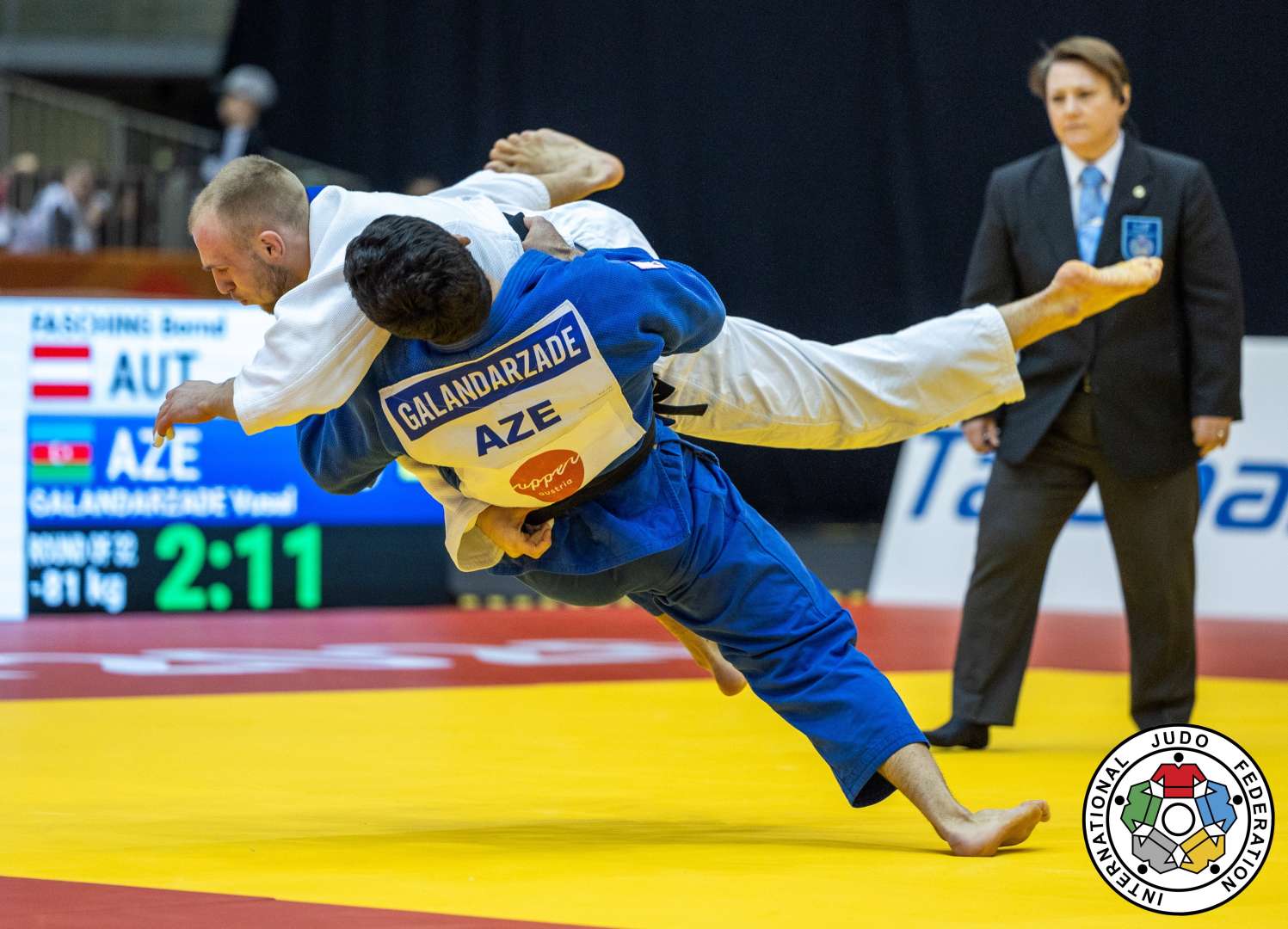
Equality in judo has never been more visible, even if it is recognised that there is further work to be done. This was a great step in the right direction.