Building Expertise and Strengthening Judo in Djibouti
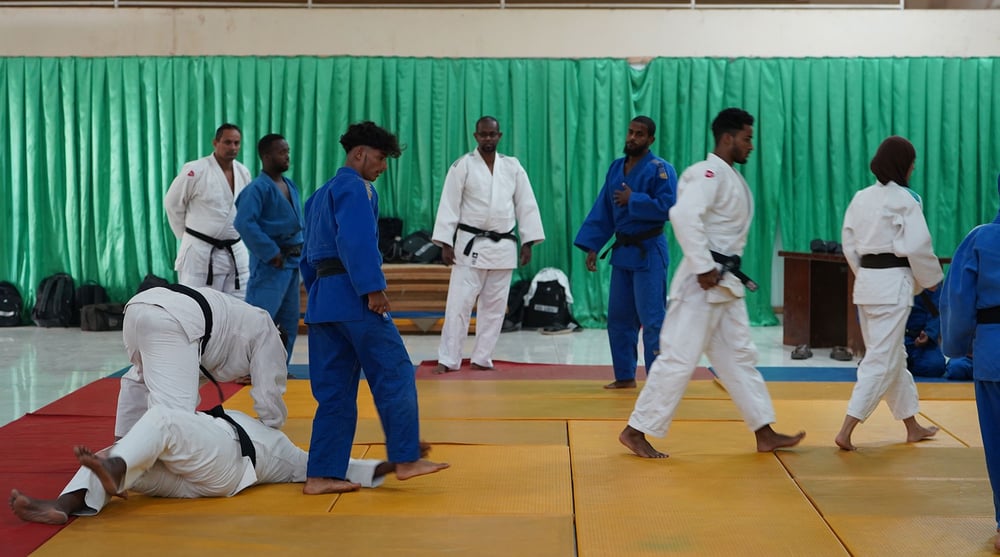
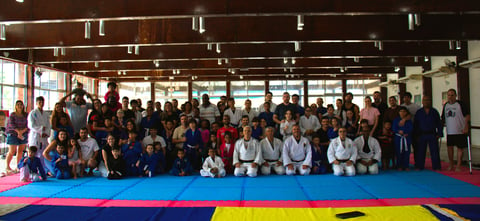
Organised by the Djibouti Judo Federation, under the auspices of the Secretariat of State for Sports and in close collaboration with the Djibouti National Olympic and Sports Committee, the course combined technical development, teaching methodology and refereeing. Two African experts led complementary modules, helping participants connect their work on the tatami with the wider responsibilities of coaching and competition management.
From 14th to 21st October, IJF expert Alain Christian Kingué Dihang guided participants through theoretical and practical sessions covering judo fundamentals and a broad range of techniques. The programme included ashi-waza, te-waza, sacrifice techniques, osaekomi-waza and kansetsu-waza, with attention given to both technical understanding and how that knowledge can be passed on effectively.
An important practical session on 16th October brought young children onto the tatami. Working directly with them gave the coaches an opportunity to adapt their explanations, demonstrations and exercises to a younger audience. It reinforced an essential aspect of their role: understanding a technique is one task; making it accessible to a child requires its own skills, patience and preparation.
The technical module also addressed training methodology, judo-specific physical preparation, competition organisation and the Olympic qualification system. Together, these subjects encouraged participants to look beyond individual sessions and consider how to plan athletes’ development over time.
International referee Jalel Ben Hassen then led the refereeing module from 22nd to 24th October. Participants worked on interpreting contest situations and applying official refereeing signals, strengthening their understanding of how decisions are made. For coaches as well as referees, this shared knowledge is valuable: it supports clearer communication, better preparation and consistency in national competitions.
Athlete welfare remained central throughout the course. Alongside the technical programme, sessions addressed anti-doping, the prevention of competition manipulation, nutrition, harassment and safety at training venues. On 20th October, all participants received first-aid training, adding practical emergency-response skills to their coaching knowledge. These subjects underlined the breadth of responsibility carried by those entrusted with athletes’ development.
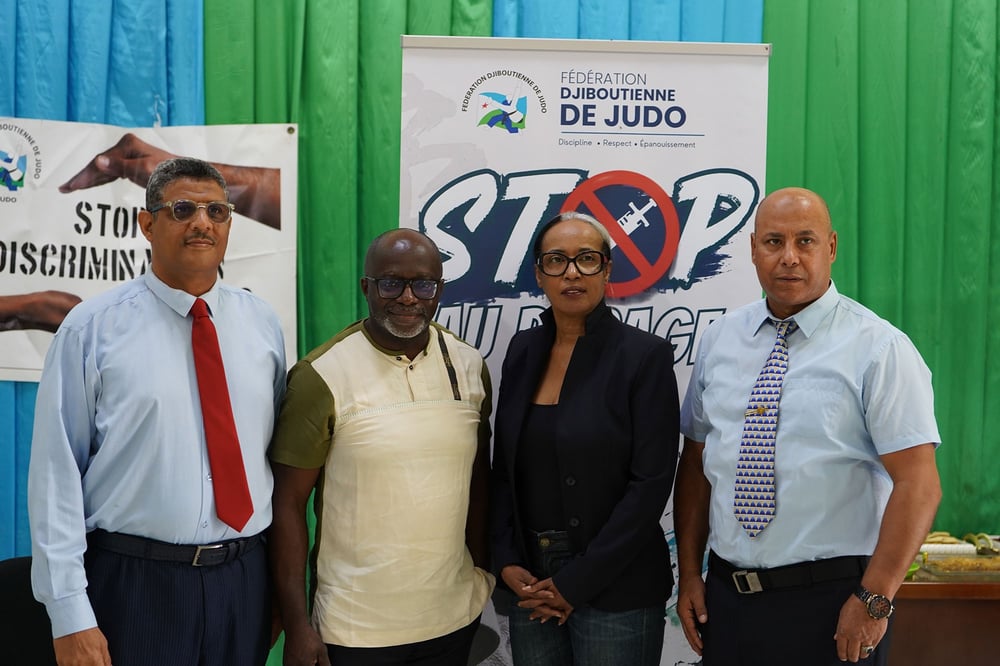
The involvement of national federation personnel in these wider topics also helped connect the course with the realities of judo in Djibouti. International expertise provided guidance, while local contributions helped place that learning within the context of clubs, athletes and existing structures.
The next step is to turn the knowledge acquired into consistent practice. Recommendations emerging from the course included maintaining regular training opportunities with the support of Olympic Solidarity and the national Olympic committee, monitoring how participants apply their learning in clubs and helping national referees progress towards IJF international certification.
The Djibouti Judo Federation thanked its institutional partners and both visiting experts for their contribution. Across the programme, the objective was clear: to equip those teaching and officiating today with the skills to support the judoka of tomorrow. The course has provided a foundation for that work; its lasting value will be seen in the daily life of Djibouti’s clubs.
read more
Similar news
Important updates
Top stories


The Next Generation Set to Shine in Tashkent
Nov 18, 2026

Ten Years of Making Room for One Another
Nov 17, 2026
Nov 16, 2026