
-73 kg
The top seed being a member of the host nation’s team created quite a fervour, with packed stands from hours before the first contests began. Muhiddin Asadulloev (TJK) could have buckled under the pressure but his home crowd gave him energy and support and he played to it excellently.
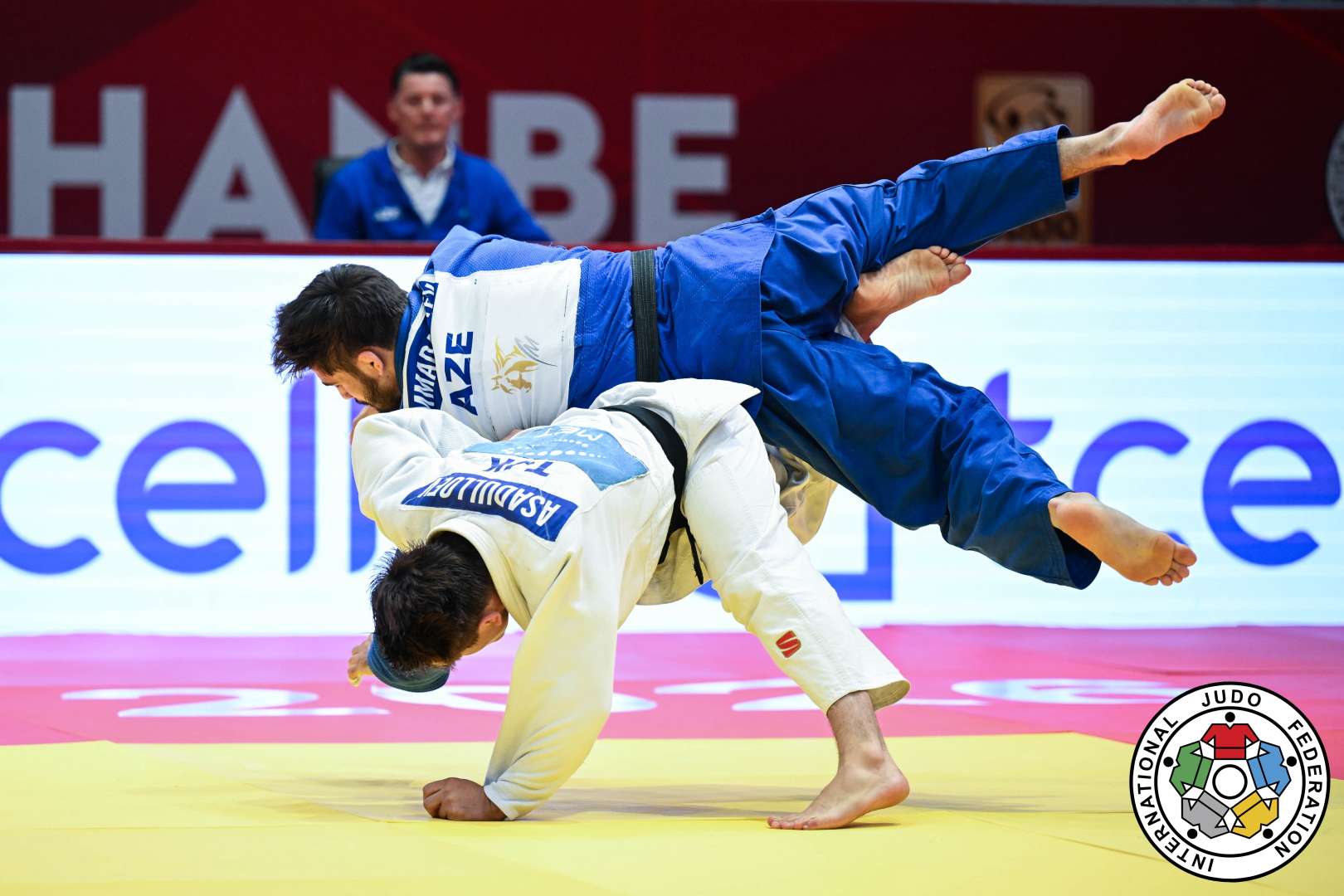
Despite almost conceding a yuko in his first contest, overturned on review, he powered through the rounds and into the final, Azerbaijan’s Rashid Mammadaliyev unable to disturb him too much in their semi-final. Karen Galstian (RUS) will meet Asadulloev in their shared last contest of the day, the whole arena backing their man. Ankhzaya Lavjargal began the day as the second seed but it was Galstian who toppled him ahead of the final block.

-63 kg
The top two athletes in the category, according to the world ranking, were both from Mongolia, Enkhriilen Lkhagvatogoo and Gankhaich Bold. The first has two word medals, the second has one; the race to gold could be tight.
Third seed Lubjana Piovesana was the athlete most likely to upset the natural order. She knows what it means to compete at the highest level and is working towards her second Olympic qualification having placed 5th in Paris in 2024. In fact Piovesana pushed Bold into golden score in their semi-final, looking strong until Bold made space and secured the ippon win via a clean shime-waza.
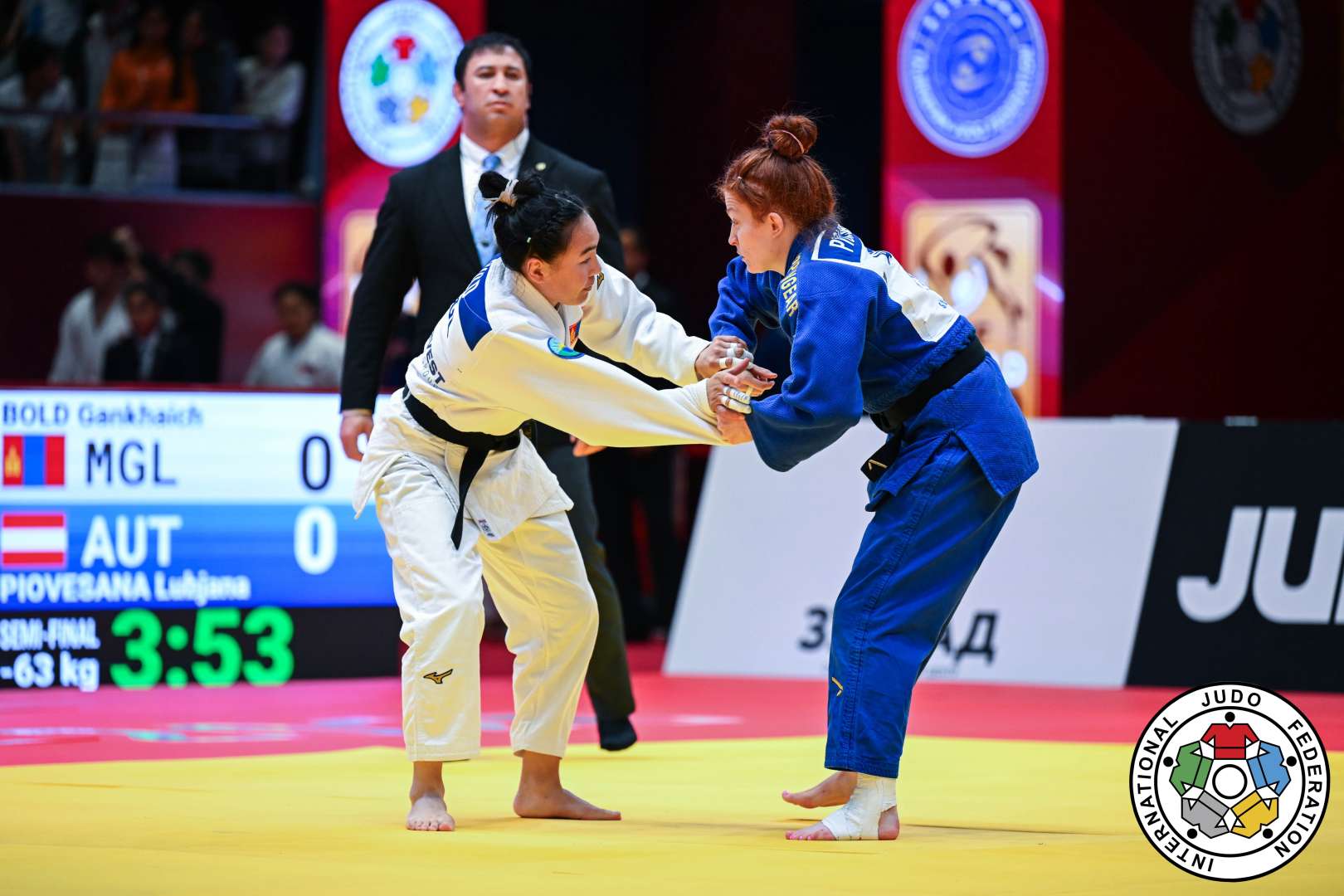
The Mongolian derby was guaranteed once Lkhagvatogoo dominated in her own semi-final, sending Kim (KOR) away with three penalties in under 3 minutes.
-81 kg
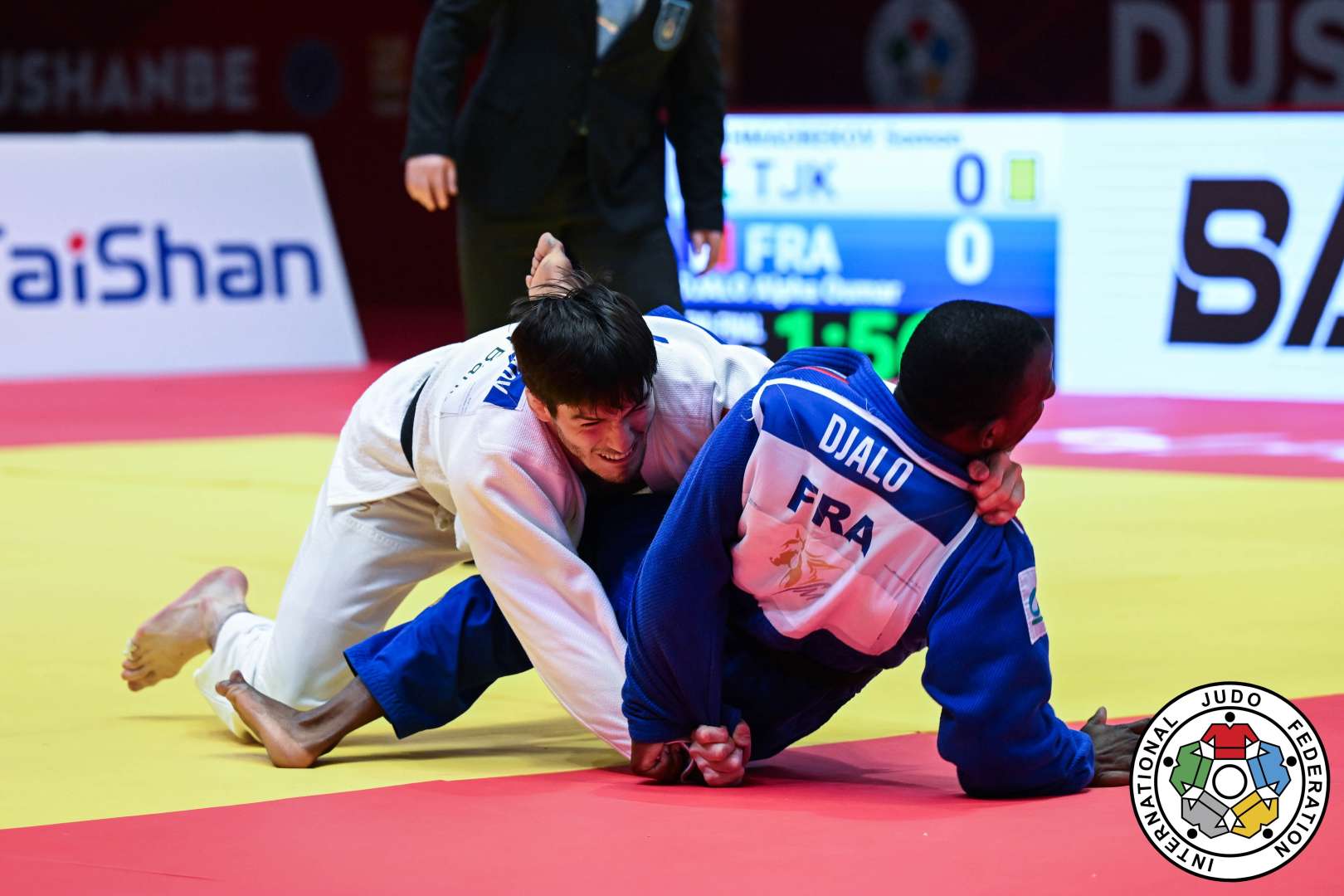
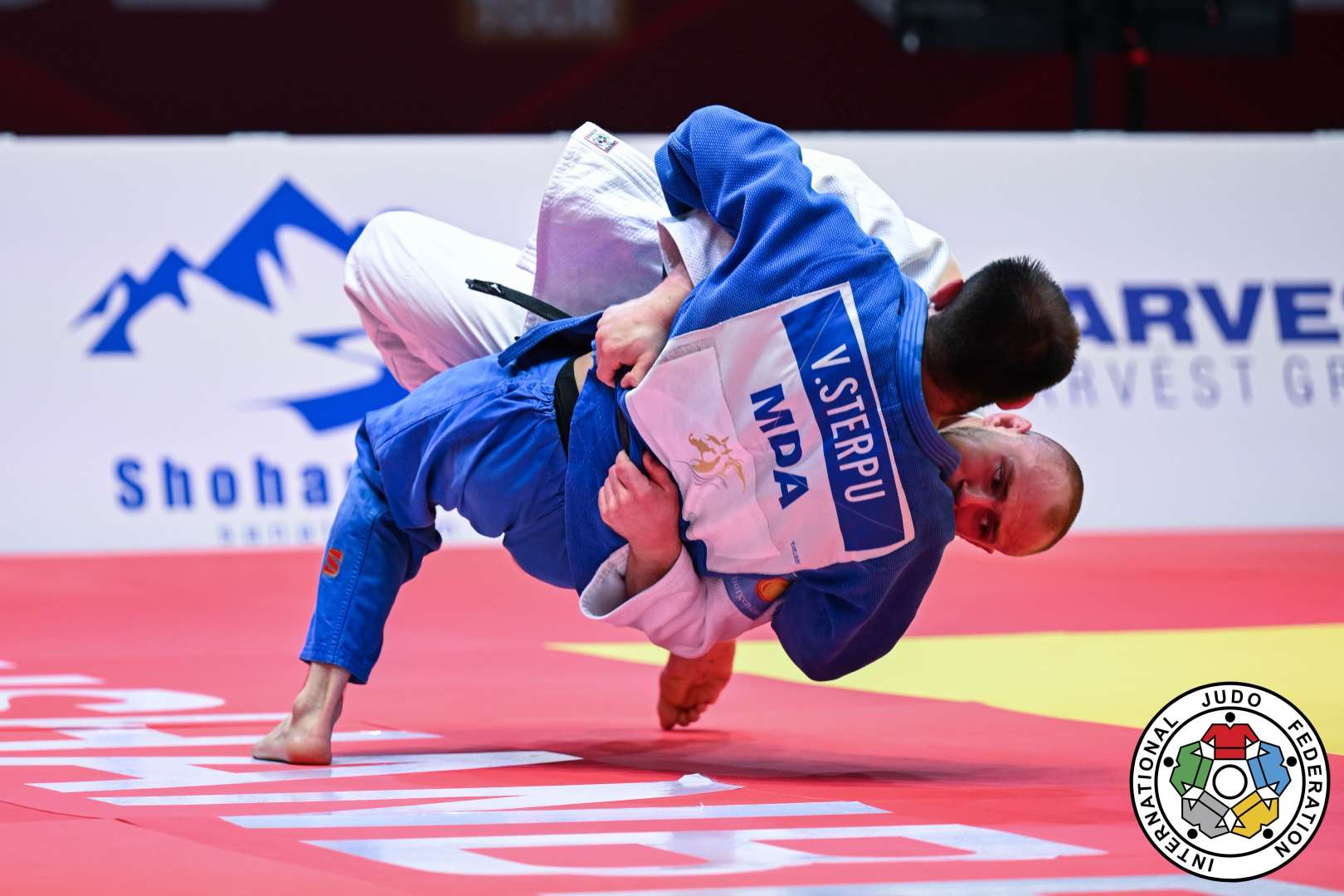
Just as Tajikistan had their athlete atop the -73 kg draw, Somon Makhmadbekov (TJK) made it a clean sweep in the men’s categories for the hosts as he too arrived as a top seed on day 2. With Olympic and world bronze medals in his trophy cabinet, his ascent looked fairly safe, especially on home soil, but little can be guaranteed in judo; his route was not easy.
Makhmadbekov passed Baisiev (RUS) with two small scores, Askar Narkulov (KAZ) on penalties and then Alpha Djalo by a single yuko. He made it to the final but it had been precarious. Could Bernd Fasching (AUT) upset the crowd in the final block and capitalise on the Tajik athlete’s ‘need’ to win at home?
Fasching, the number two seed, had a smoother day than Makhmadbekov, winning his first contest by a yuko but following up with two ippon wins to reach the final.
-70 kg
Top seed Ida Eriksson (SWE) had to withdraw due to illness and this left a gaping hole in the draw, one that had to be filled by one judoka or another. It could have been Jana Cvjetko (CRO) who stepped forward as she had been placed in Eriksson’s pool. She did win the quarter-final but could not overcome Poland’s Aleksandra Kowalewska who won their semi-final with an inescapable shime-waza.
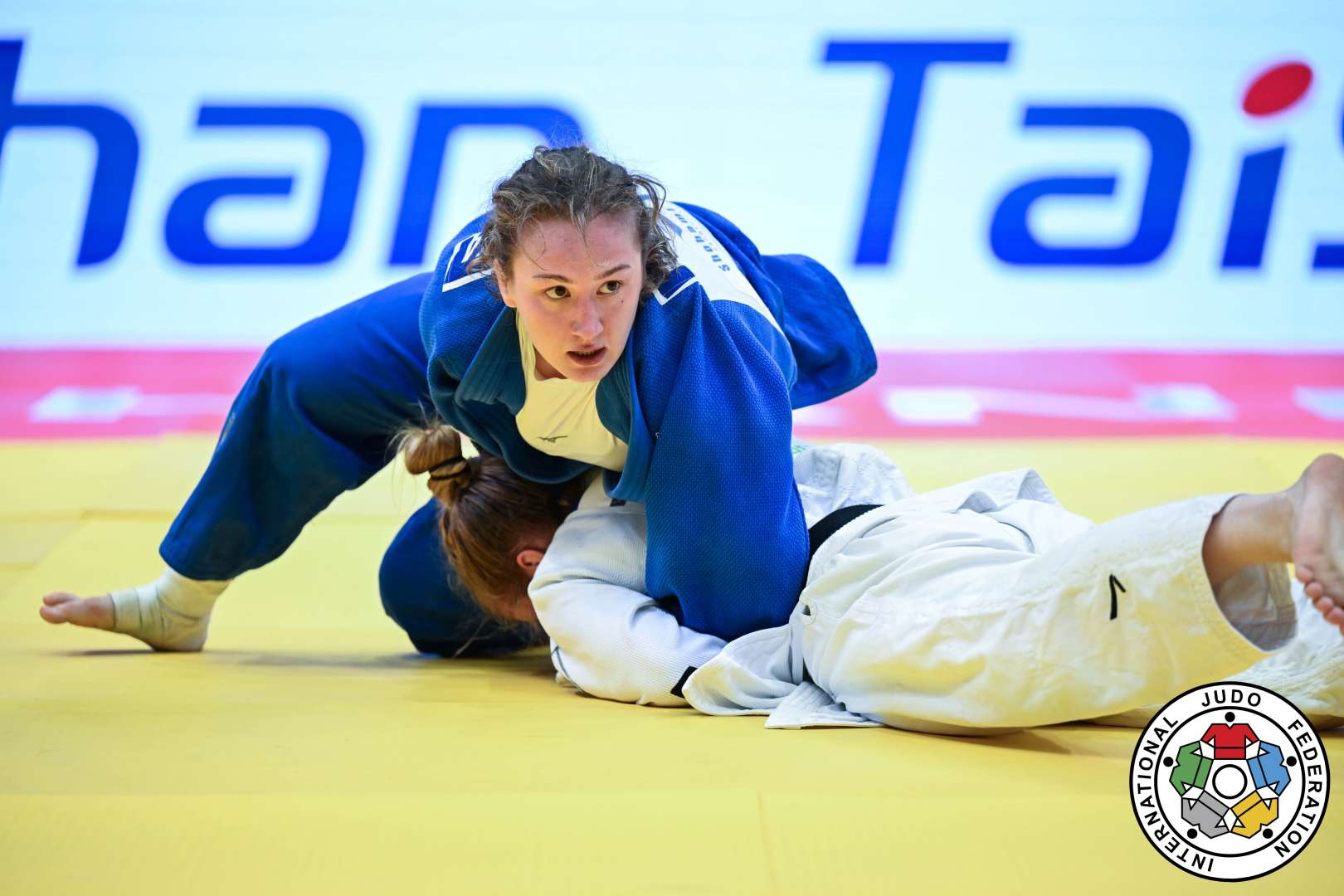
On the other half of the draw, there was clear dominance from Austria’s double Olympic and double world medallist Michaela Polleres. She won every contest by ippon on the way to the final. Kowalewska would have to be on top form to match the power of Polleres; this final looked set to go only one way.
It has been a great preliminary session for the hosts, two men’s categories and two men’s finals. The women’s team is still battling for their first medal but in Tajikistan, all medals won belong to the athlete, the team and the country.