Győr Brings Referees and Coaches Together to Talk Judo
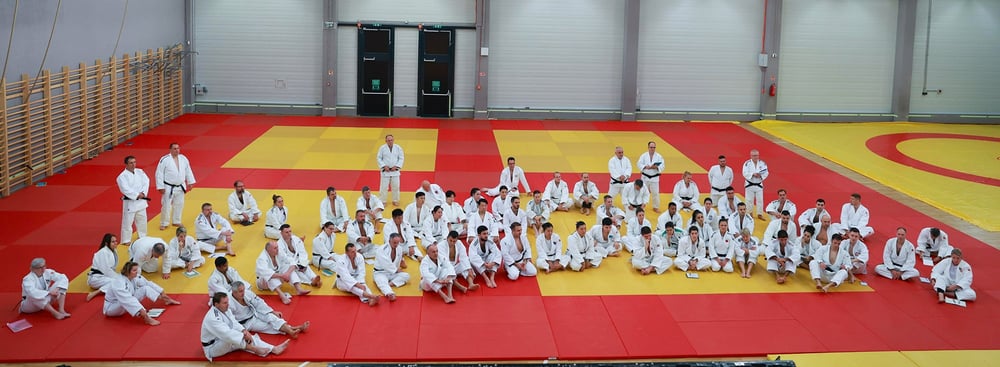
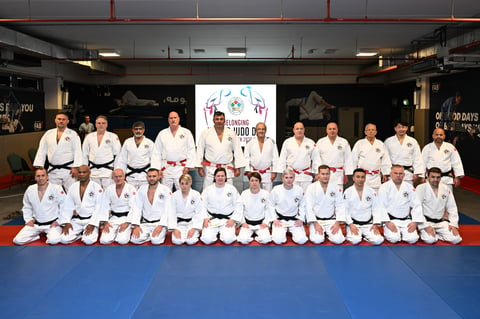
Held alongside the Győr Millennium Team Cadet European Cup 2026, the seminar brought together around 100 participants and preceded the practical examination for IJF continental and international refereeing licences. Thirty-nine candidates from several continental unions took part in the practical session.
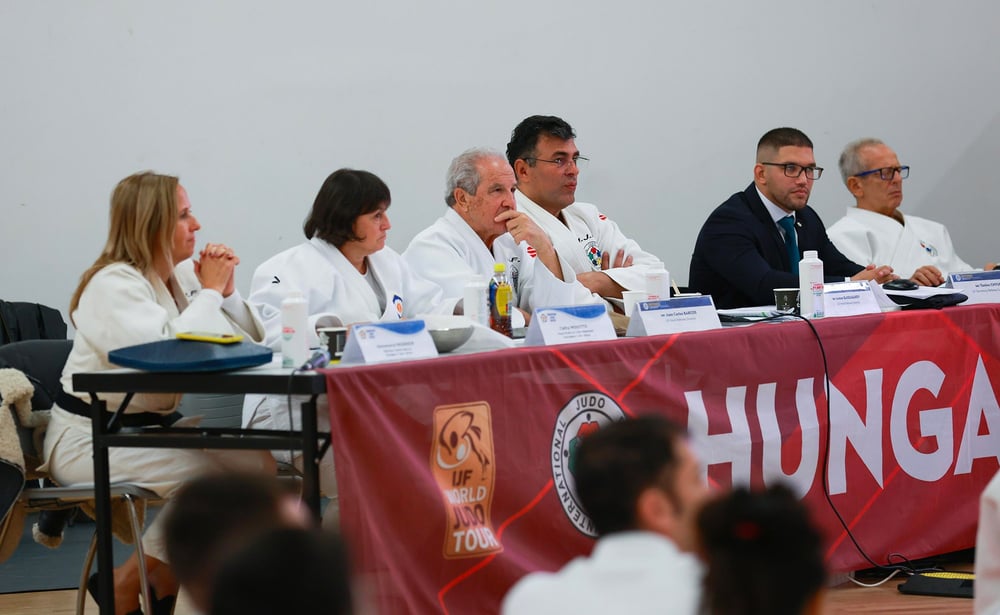
IJF Head Referee Directors Armen Bagdasarov and Juan Carlos Barcos welcomed participants alongside Hungarian Judo Association President Krisztián Tóth. Mr Tóth thanked the IJF Refereeing Commission and IJF President Marius Vizer for their support in organising the event.
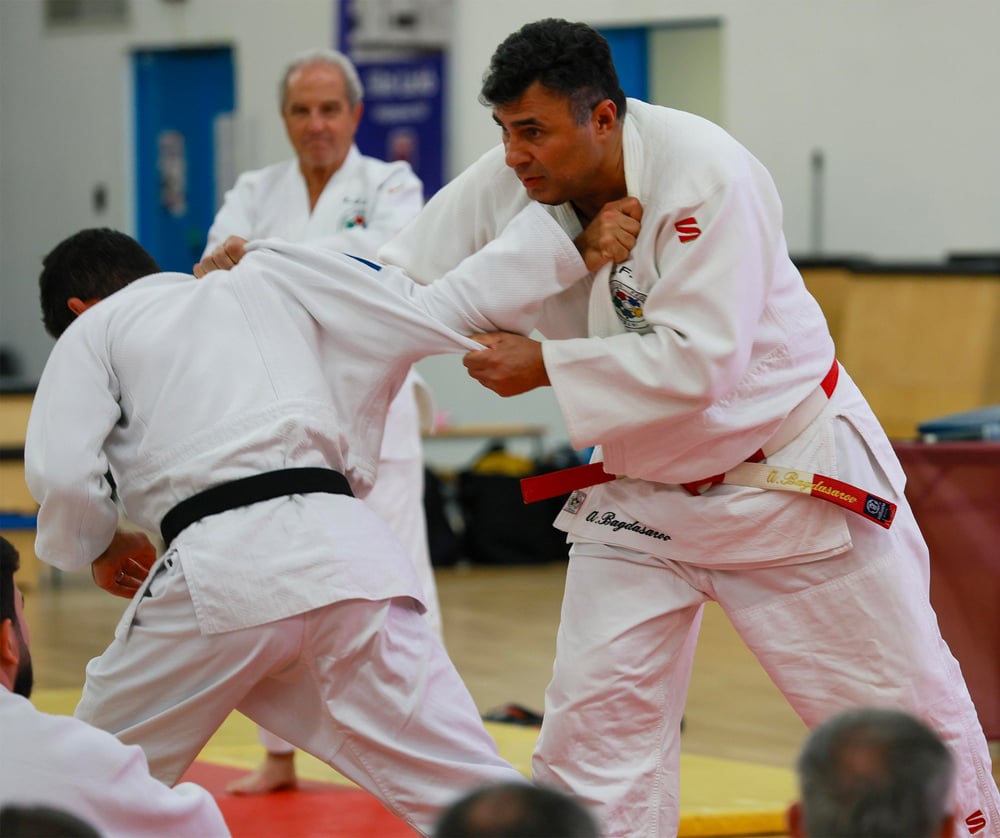
Mr Bagdasarov and Mr Barcos opened the seminar with an overview of the commission’s education programme and its work with World Judo Tour referees. They also highlighted the opportunities for referee development offered by the addition of cadet and junior grand prix events.
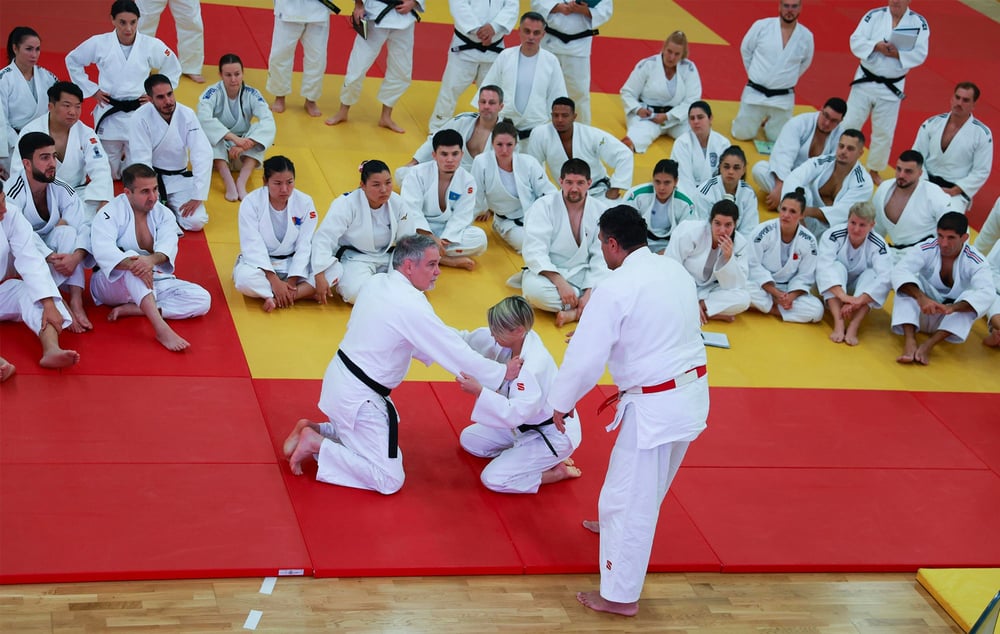
The two directors then used video examples to explain the criteria behind decisions on yuko scores, transitions from tachi-waza to ne-waza, actions at the edge of the contest area, false attacks, kaeshi-waza, time-wasting and ducking. Each set of clips was followed by an open discussion with coaches bringing questions and examples of their own. World Judo Tour referees Balázs Gosztonyi, Roberta Chyurlia and Hana Safarikova contributed to the technical demonstrations and shared their experience from the Tour.

With cadet competition providing the setting for the examination, the seminar gave coaches and referees time to discuss decisions they usually encounter in the middle of a contest. Watching the exchanges together gave coaches a chance to ask what the referee was looking for and referees a chance to explain which details shaped the call.
By bringing referees and coaches together to discuss how decisions are made, seminars like this help build a shared understanding of the rules and how they are applied in competition.
read more
Similar news


Important updates
Top stories


Ten Years of Making Room for One Another
Nov 17, 2026
Nov 16, 2026
Zagreb Closes With Pan-America on Top but Everyone Wins
Nov 15, 2026