I Feel Accepted: The Meaning of Inclusion in Lusaka
“I am thankful to everyone who made this festival possible. Thank you for giving us this chance to be included.”
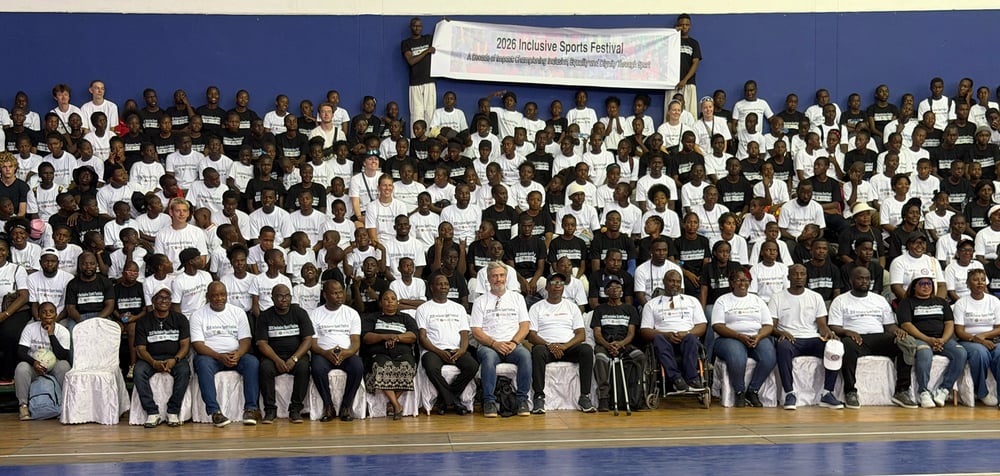
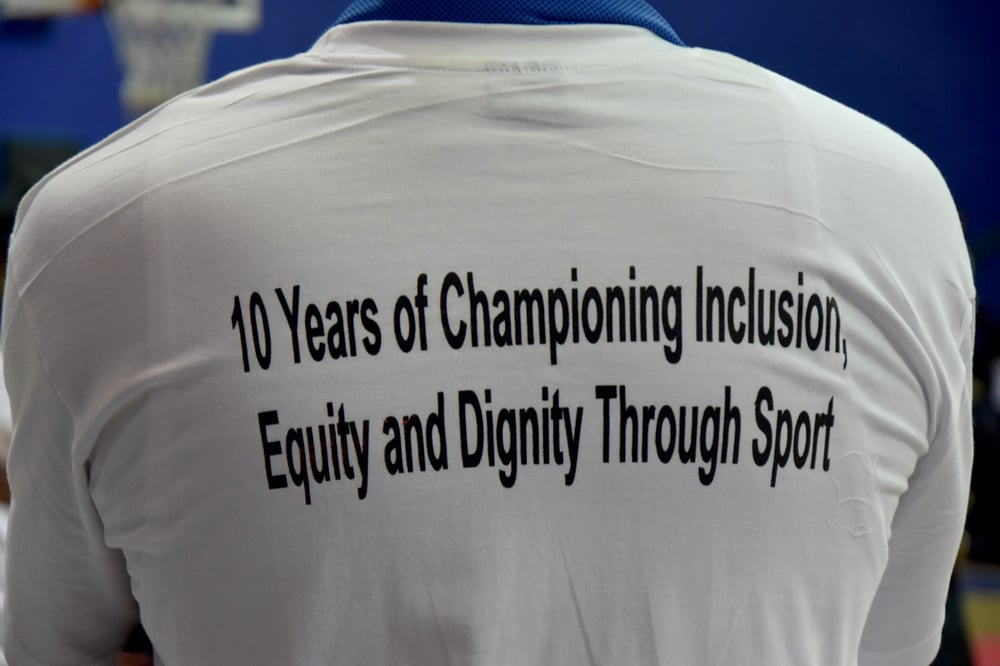
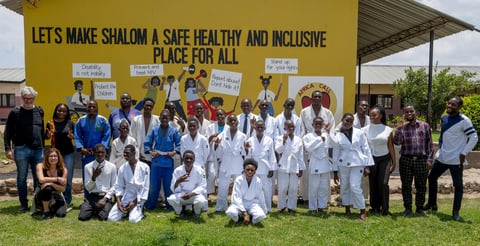
On Friday 20th November, Zambia’s capital hosted a gathering that brought together sporting organisations, educators and international partners, including the International Judo Federation and the Norwegian Olympic Committee (NIF). Its message, “10 Years of Championing Inclusion, Equity and Dignity Through Sport,” reflected a commitment sustained over a decade and a responsibility that continues with every new participant.
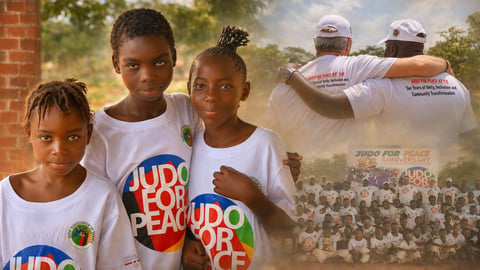
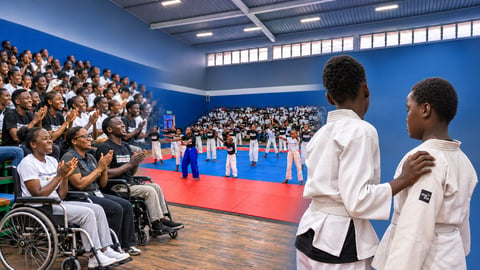
Only days earlier, the tenth anniversary of Judo for Peace in the Meheba Refugee Settlement had celebrated the relationships and opportunities built through judo. In Lusaka, that work found a wider resonance. The festival brought young people together across differences of background, social circumstances and disability, giving practical meaning to the ambition of making sport accessible to everyone.
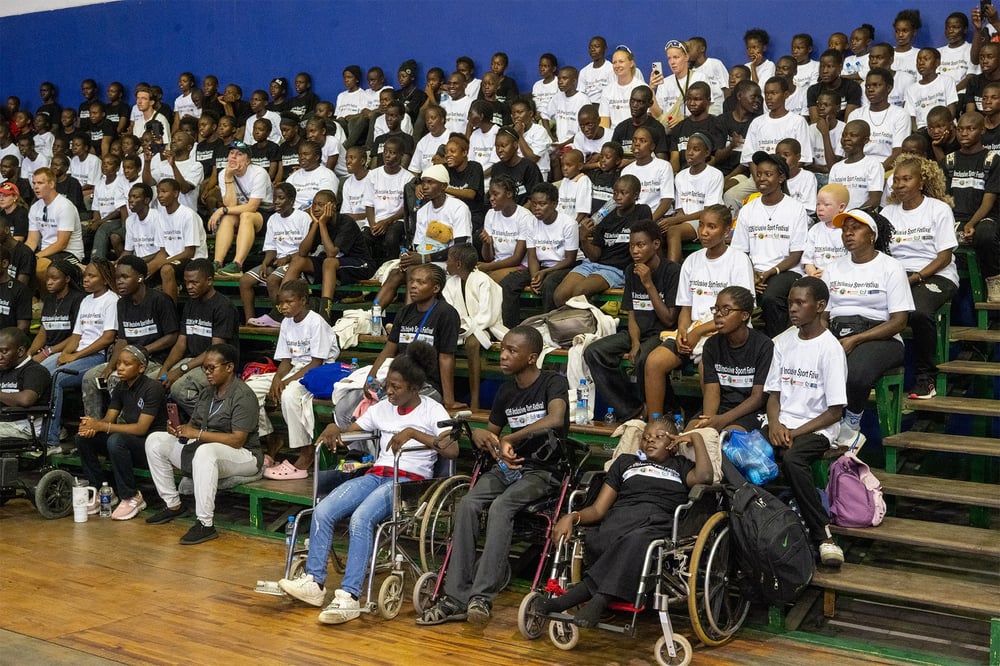
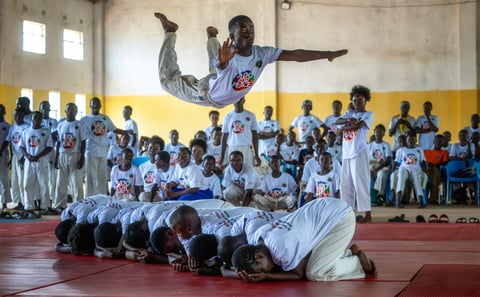
More than one hundred young participants gathered around the tatami before moving outside to try other activities. The atmosphere was relaxed and friendly. Everyone received a warm welcome, creating the conditions for people to approach one another, join in and explore something new.
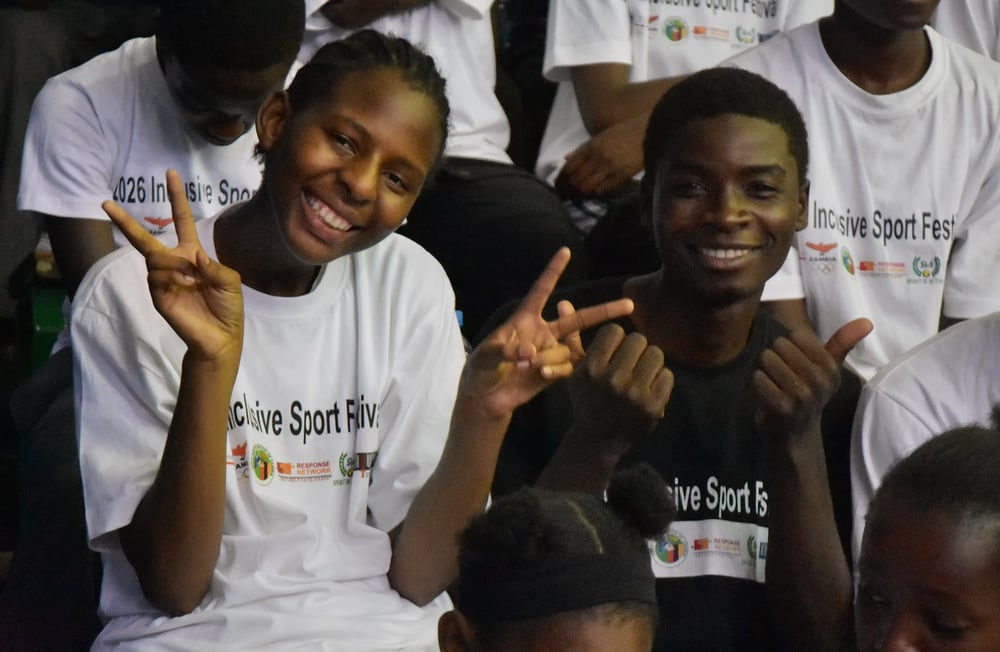
There is considerable significance in that first welcome. Entering an unfamiliar sporting environment can require courage, especially for someone accustomed to encountering barriers. The way a session is organised, the attention given to communication and a willingness to adapt can determine whether a participant feels able to take their place. Inclusion begins in those decisions and grows through the experience that follows.
For a child, being invited to join a game carries a message about their place among others. Being listened to gives them confidence that their needs matter. Being trusted with a role allows them to contribute. Repeated over time, such experiences can influence how young people see themselves and the possibilities available to them.
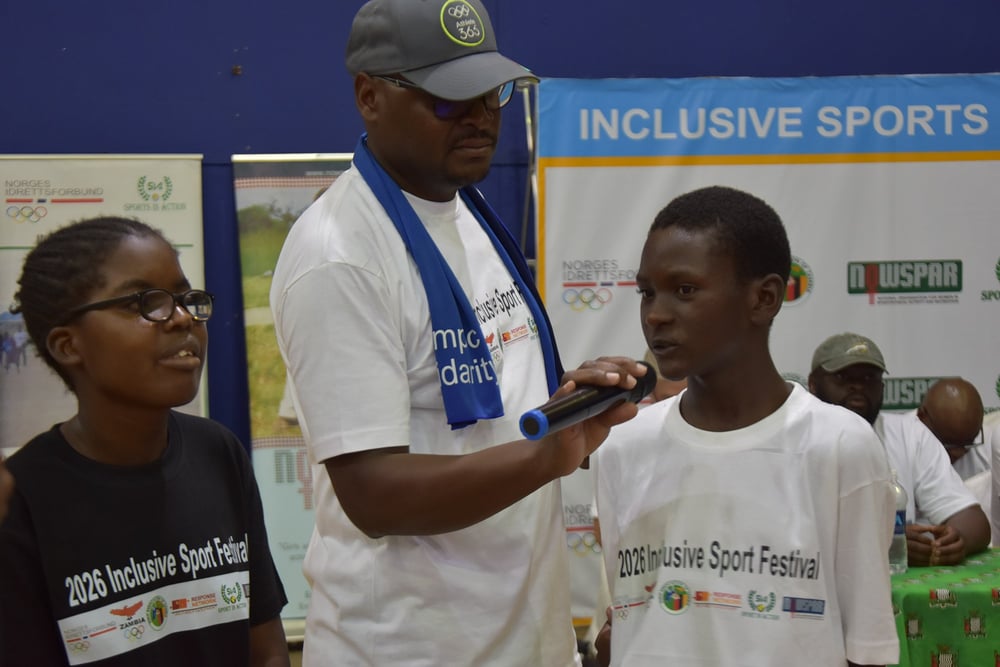
Sport creates opportunities for these encounters because it gives people something to do together. A shared activity encourages participants to pay attention, communicate and discover one another’s abilities. They learn how a partner moves, how a teammate expresses an idea and what makes someone feel comfortable enough to participate. Understanding develops through that contact.
The young deaf athlete’s wish to “mix with other people” spoke directly to this dimension of the festival. It expressed a desire for friendship, ordinary interaction and a place within a wider community. Her gratitude also placed a responsibility on everyone involved. An opportunity that matters so deeply deserves to be made available consistently.
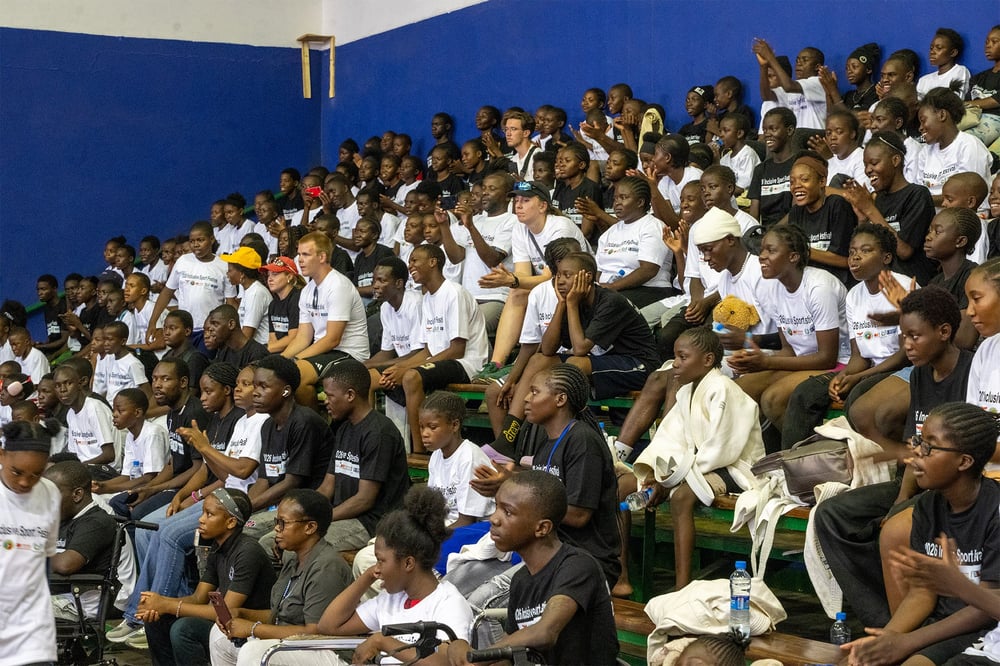
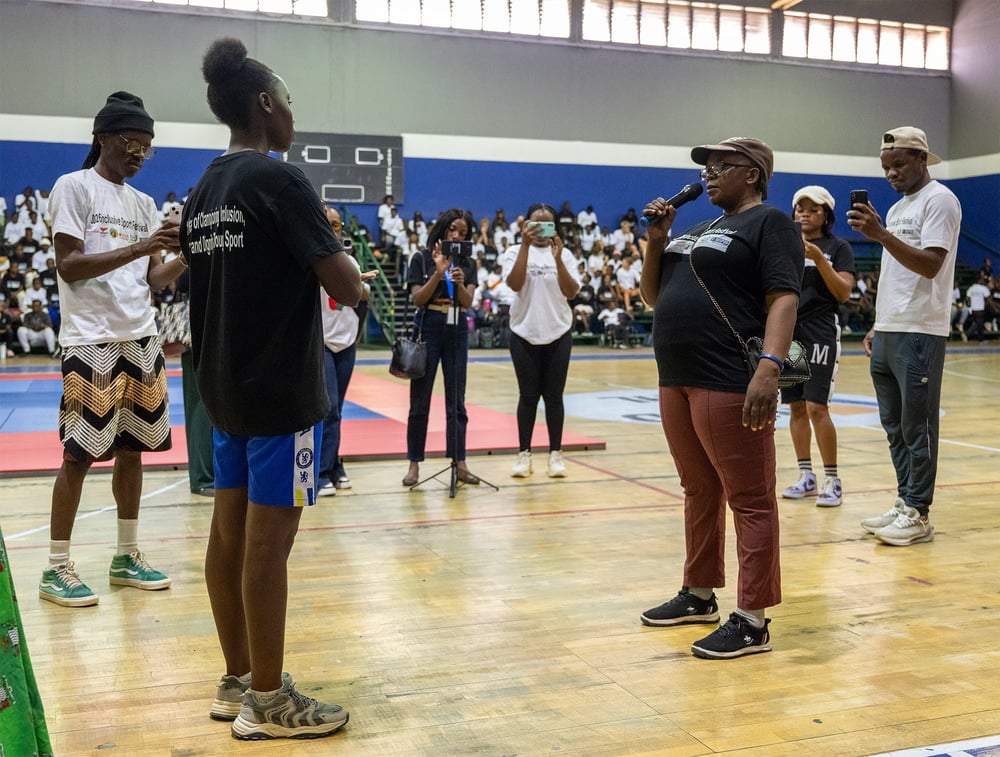
Throughout the official addresses, speakers emphasised inclusion, safeguarding and safe sport. These commitments belong together. Participation requires an environment in which people feel respected, can communicate their needs and have confidence in those responsible for their welfare. For children in particular, the quality of that environment shapes their willingness to return.
The discussions also recognised the importance of programme management. An inclusive ambition becomes meaningful through careful preparation, trained and attentive staff, accessible activities and co-operation between organisations. It requires people to consider who may face difficulties joining a session and to work with them to find practical solutions. Listening to participants is central to that process.
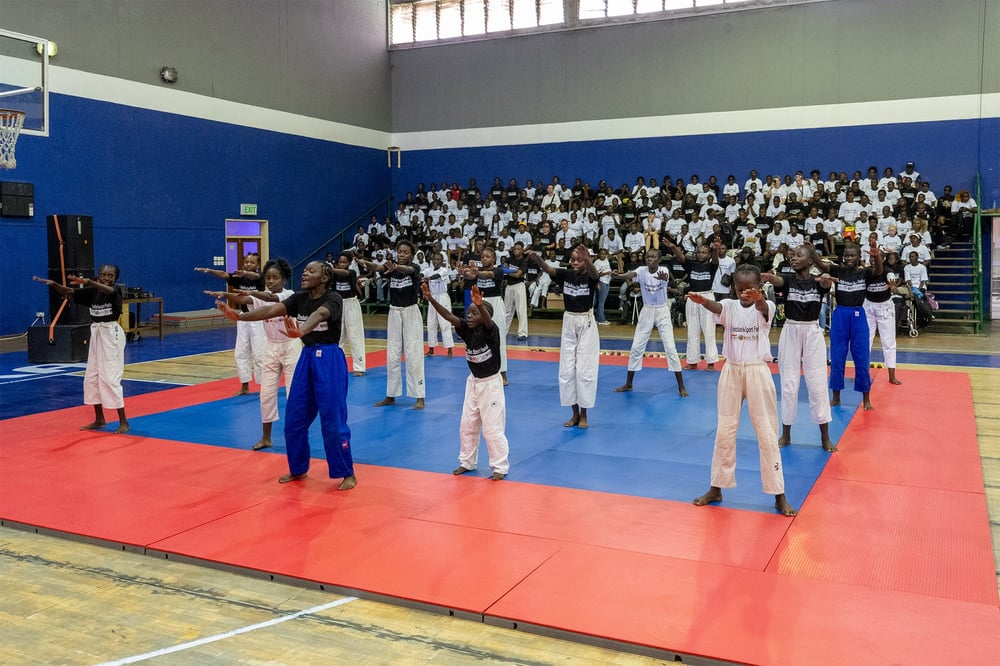
The annual festival provides a meeting point for this shared work. Zambia’s National Olympic Committee, NIF, the National Sports Council of Zambia, the Paralympic Committee of Zambia and the Zambia Judo Association were among the partners involved. Their collaboration brings together different experience and expertise around a common priority, giving more people the opportunity to practise physical education and sport.
That commitment includes refugees whose access to sporting activities can offer valuable continuity, friendships and opportunities to become involved in the communities where they live. The connection with the recent celebrations in Meheba was therefore especially meaningful. Both events recognised the importance of having somewhere to go, people to meet and an activity through which to learn and contribute.
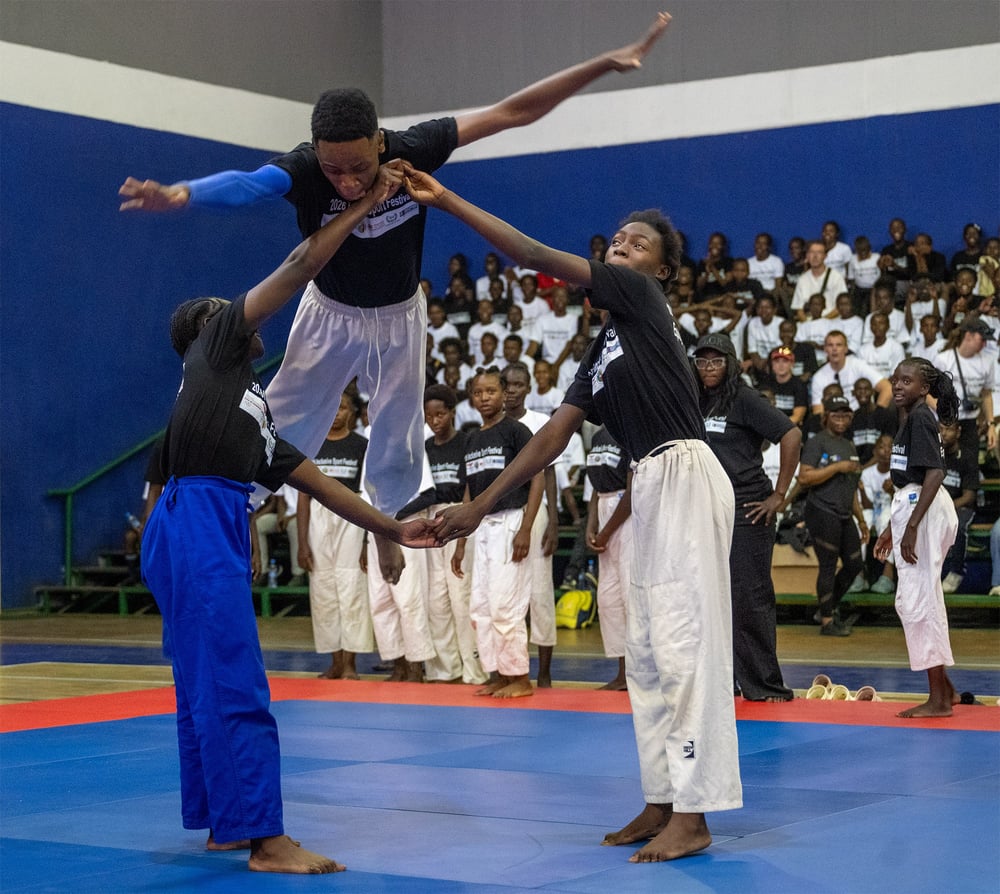
Judo has been part of the inclusion initiative from its beginning, with the Zambia Judo Association among its founding members. Its presence in Lusaka reflected years of involvement and a philosophy rooted in learning with and through others. On the tatami, progress depends on attention to a partner. Each judoka brings their own abilities, experience and needs to that relationship and both share responsibility for making it work.
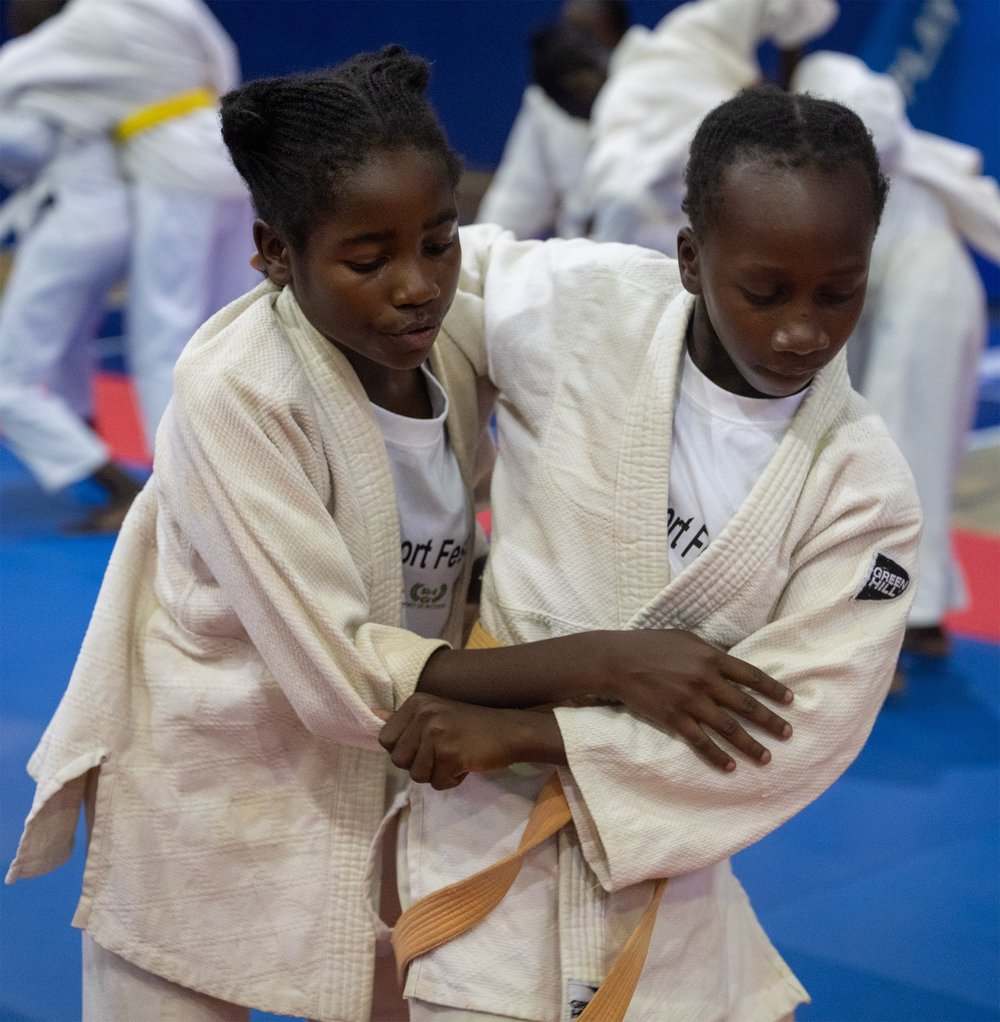
Represented at the festival by Nicolas Messner, Judo for Peace Director, the International Judo Federation supported an approach closely connected to its inclusive projects. Judo’s educational purpose gives particular weight to the quality of the relationships it creates. Respect is learned through conduct, mutual assistance through practice and responsibility through the care given to another person.
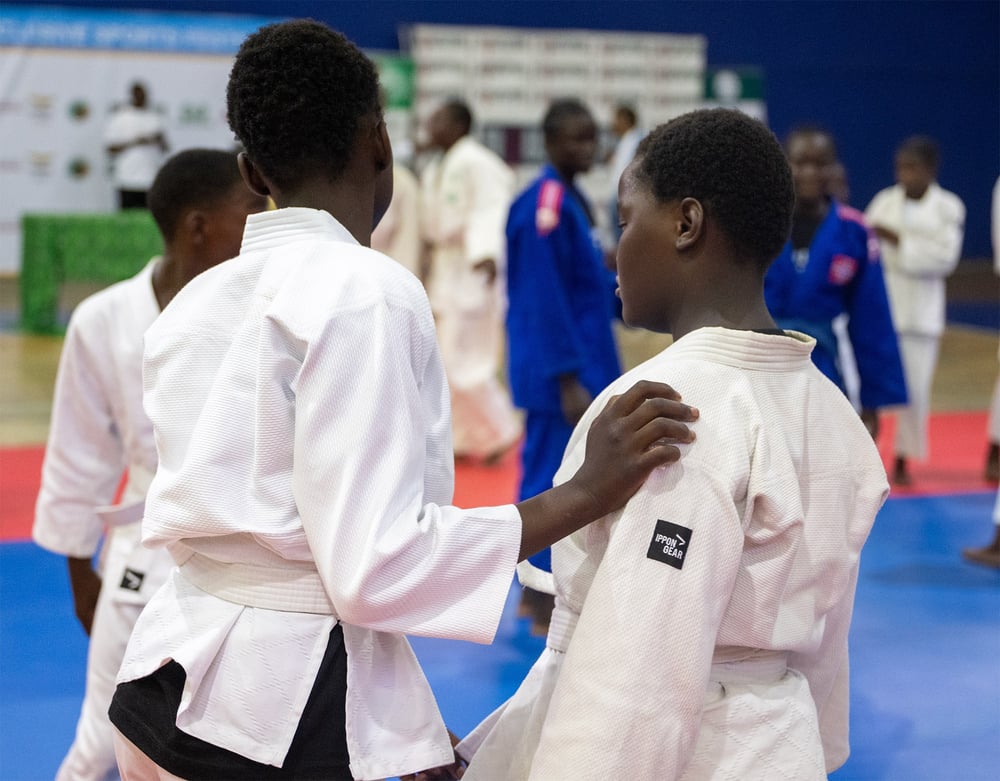
The festival offered space for those principles to extend across sports and organisations. It also encouraged a question that reaches into schools, clubs and the wider community. How can the welcome experienced here become part of everyday life?
The answer will take continued effort, resources and co-operation. It will also depend on a willingness to recognise each participant as someone who can help shape the activity and enrich the group. Children and young people bring their own perspectives, ambitions and talent. Giving them room to express these strengthens the community around them.
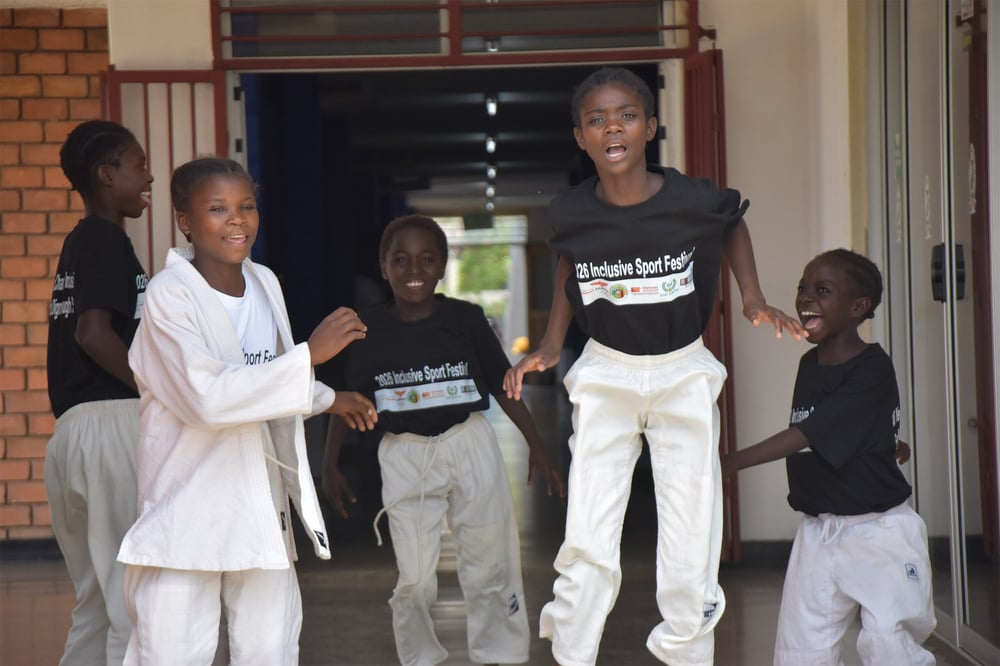
In Lusaka, a young athlete found the words to describe what that room had given her, “I feel accepted.”
Every coach, organiser and partner involved can carry those words into the work ahead. They give a human meaning to ten years of commitment, and a reason to keep opening the way for others.
Photos © Muriel Thomas
read more
Similar news

Important updates
Top stories

Nov 20, 2026
-81 kg: Bunakov Silences the Home Crowd
Nov 20, 2026
-70 kg: Andric Upgrades Silver to Gold
Nov 20, 2026