

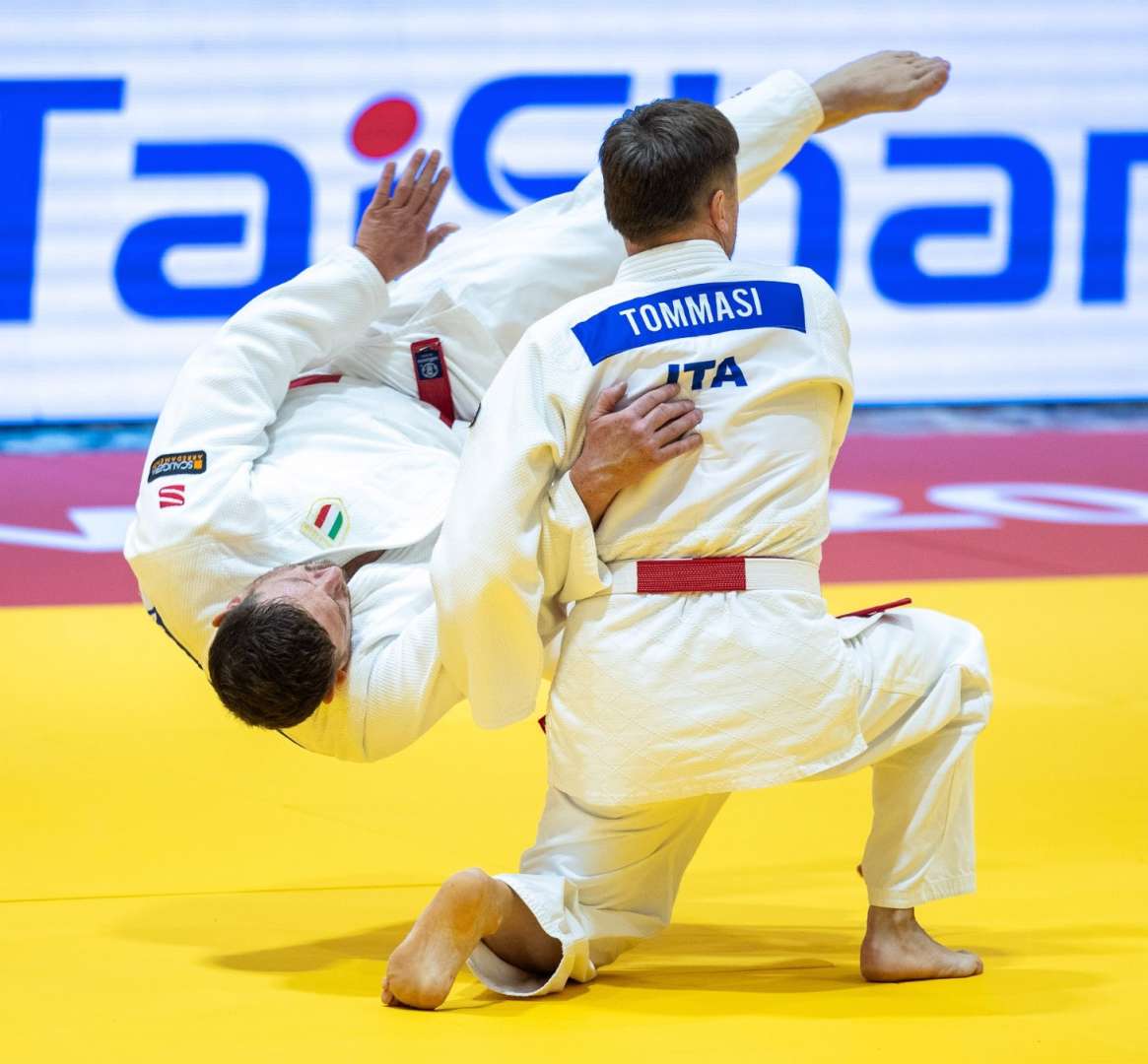
The fourth kata presented on the opening day of the World Championships Kata takes us far from the first forms created at the Kodokan. Yet its roots reach deeply into the tradition of martial arts and into ancestral Japan.
Koshiki-no-kata (古式の形) means “the form of ancient things” or “the antique forms”. It is not, strictly speaking, a kata created from the beginning by Jigoro Kano Shihan. Rather, it preserves, with relatively few modifications, a much older kata from the Kito-ryu school of jujutsu, which Kano had studied before founding judo.
Its earlier name was Kito-ryu-no-kata. Kano chose to retain it within the Kodokan curriculum because he saw in it an essential expression of the principles of attack and defence, but also a living connection to the sources of judo.
Judo is not fixed in time. There is no simple before, during and after. There is continuity in learning. To understand where one is and where one is going, it is necessary to understand where one comes from. Koshiki-no-kata is therefore a link between the origins and the modernity of judo.
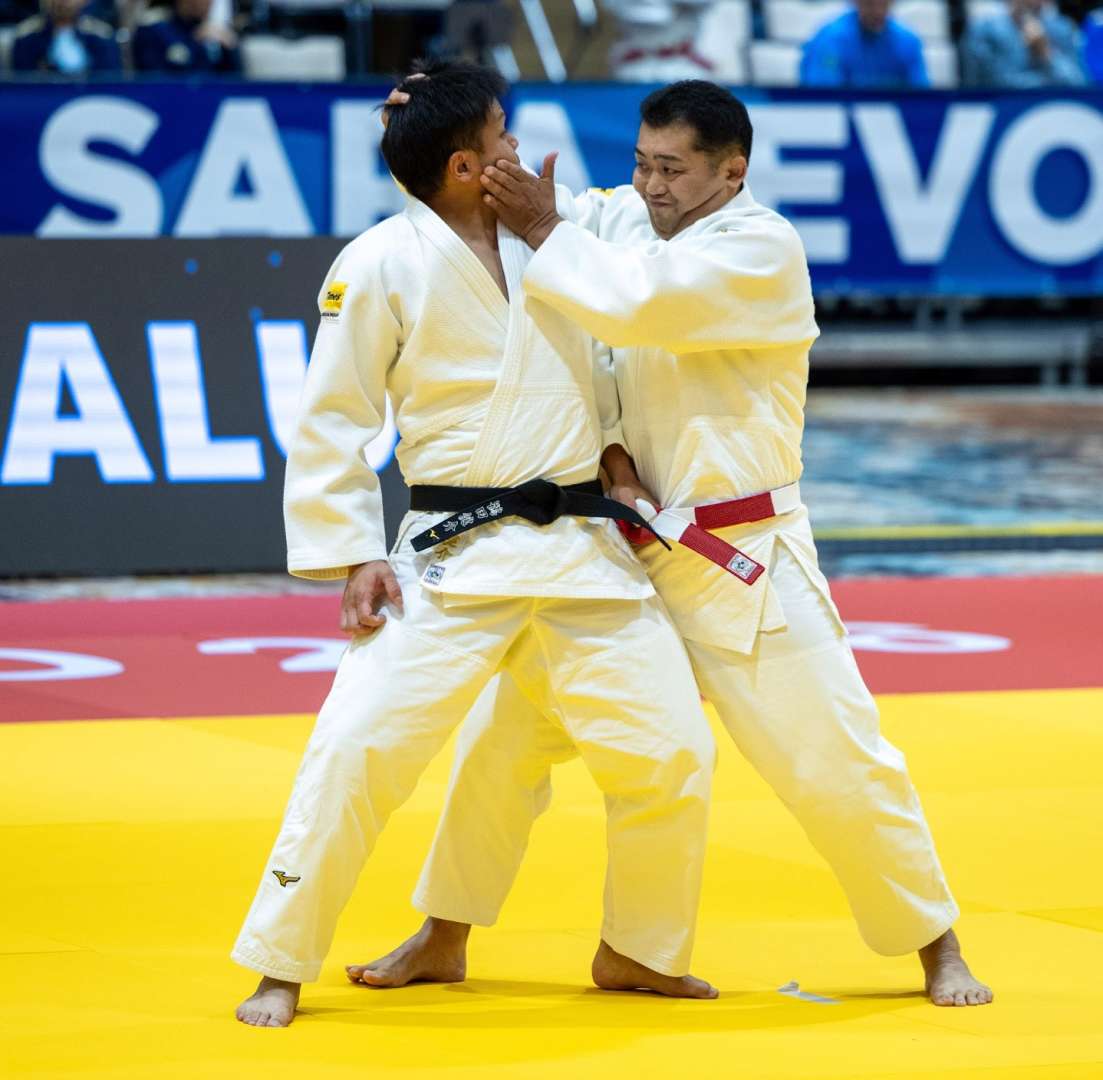
It comprises twenty-one techniques in two series:
- Omote — 14 techniques: Tai, yume-no-uchi, ryokuhi, mizu-guruma, mizu-nagare, hiki-otoshi, ko-daore, uchikudaki, tani-otoshi, kuruma-daore, shikoro-dori, shikoro-gaeshi, yudachi, taki-otoshi
- Ura — 7 techniques: Mi-kudaki, kuruma-gaeshi, mizu-iri, ryu-setsu, saka-otoshi, yuki-ore, iwa-nami
The key to understanding Koshiki-no-kata lies in armour. Its techniques come from yoroi-kumiuchi, the close combat of armoured warriors. Through them, the judoka enters the world of samurai Japan. Although the kata is performed in judogi, tori and uke must execute the movements while imagining the weight, rigidity and constraints of armour. This explains the more upright posture, the particular manner of moving and actions which, without that key, can seem unfamiliar or deliberately slowed.
The kata is not, however, an exercise in historical reconstruction. Its purpose is not to reproduce an image of the past, but to study the technical roots of judo: balance, movement, the breaking of structure, the use of the other person’s force and the continuity of action.
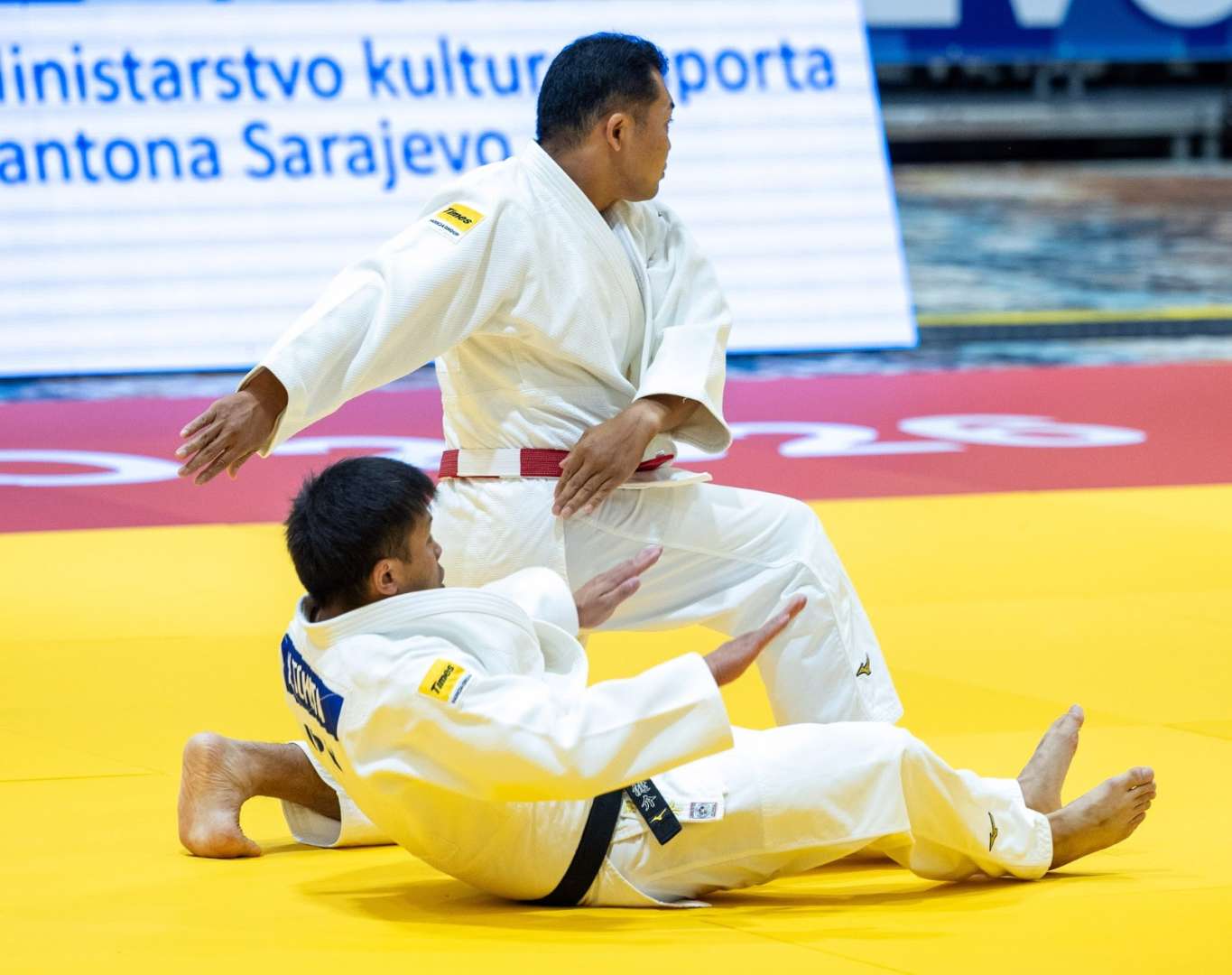
The substance of Koshiki-no-kata predates judo as we know it. Kano adopted it in the early years of the Kodokan and preserved it as Koshiki-no-kata. In doing so, he ensured that the origins of judo would not become a museum piece, but would remain part of its living practice.
That is what gives this kata its particular place. It reminds us that modern judo did not appear without a past. It was built from an inheritance, examined, refined and transmitted so that each generation could continue to learn from it.