
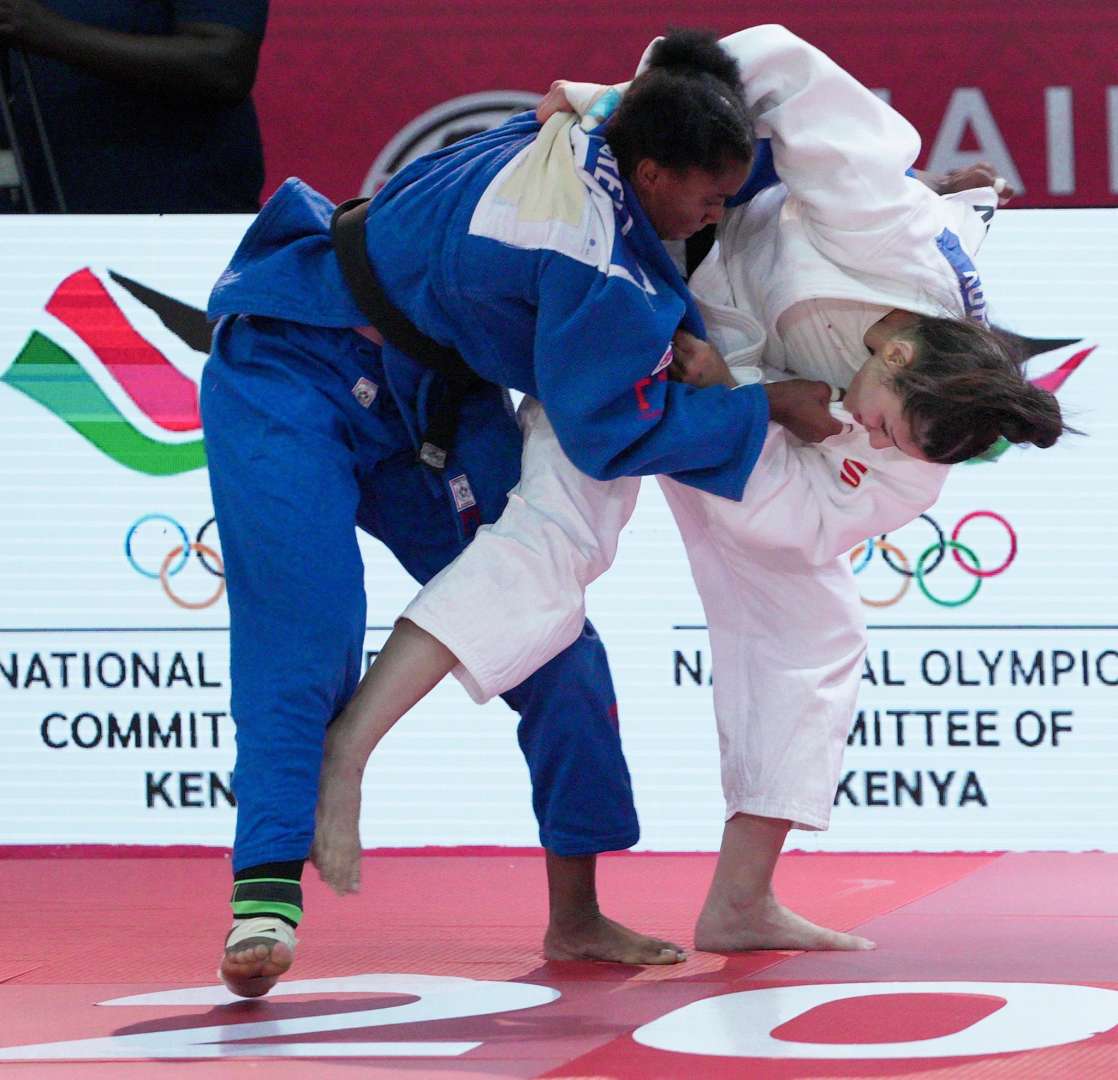
For African Judo Union Vice President Mohamed Meridja the conclusion is clear, “The level was very high,” he says with satisfaction. “More and more national federations are becoming stronger. There is a real sense of progress and it points towards a bright future for African judo.”
One of the most striking developments in recent years has been the growing competitiveness across the continent. Nations such as Angola are now performing consistently across multiple weight categories, demonstrating both depth and structure. “It is impressive,” Meridja notes. “In just three or four years, the development has been significant.”
Traditionally, the top of the medal table was dominated by North African countries. While they remain at a very high level, they are now being challenged by a wider range of nations. This new balance is creating healthy competition and driving overall progress. “This emulation is positive for everyone,” he explains. “African judo is becoming more global within the continent and that is a very good thing.”
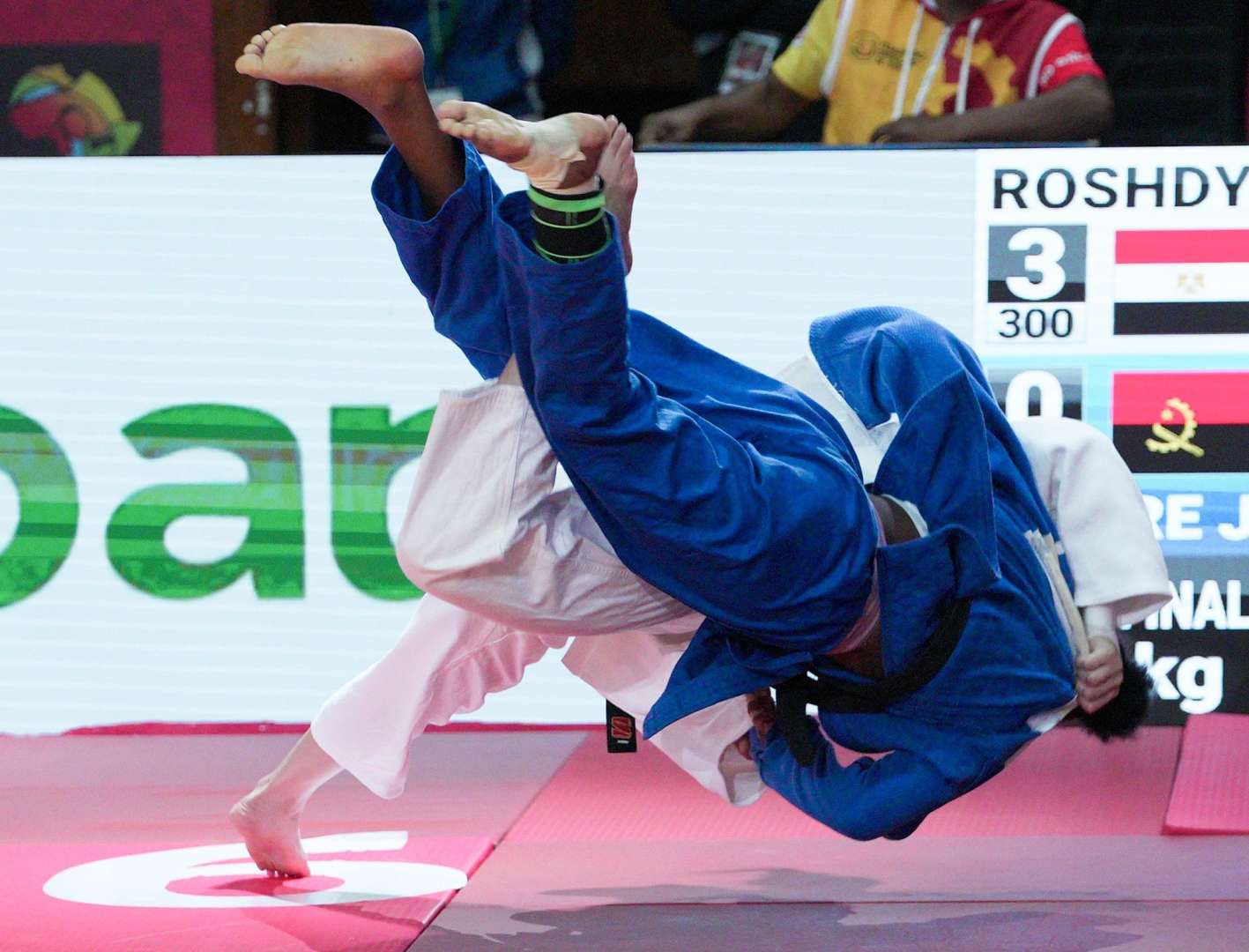
Among the standout results, Algeria reclaimed its leading position in the individual competition after a quieter performance last year. “They are back where they belong,” Meridja says.
At the same time, emerging nations are making their presence felt. Cameroon, for example, arrived in Nairobi with a strong and ambitious team. “You can feel that the younger generation is coming through,” he observes. “They are very close to reaching a higher level. If they continue to work as they are, they can go far.”
Other countries, such as Madagascar and Mauritius, continue to produce high-level individual athletes. With further structural development, their potential is considerable. Meanwhile, Burundi, Kenya and Mali have shown that determination and progress can lead to historic podium finishes.
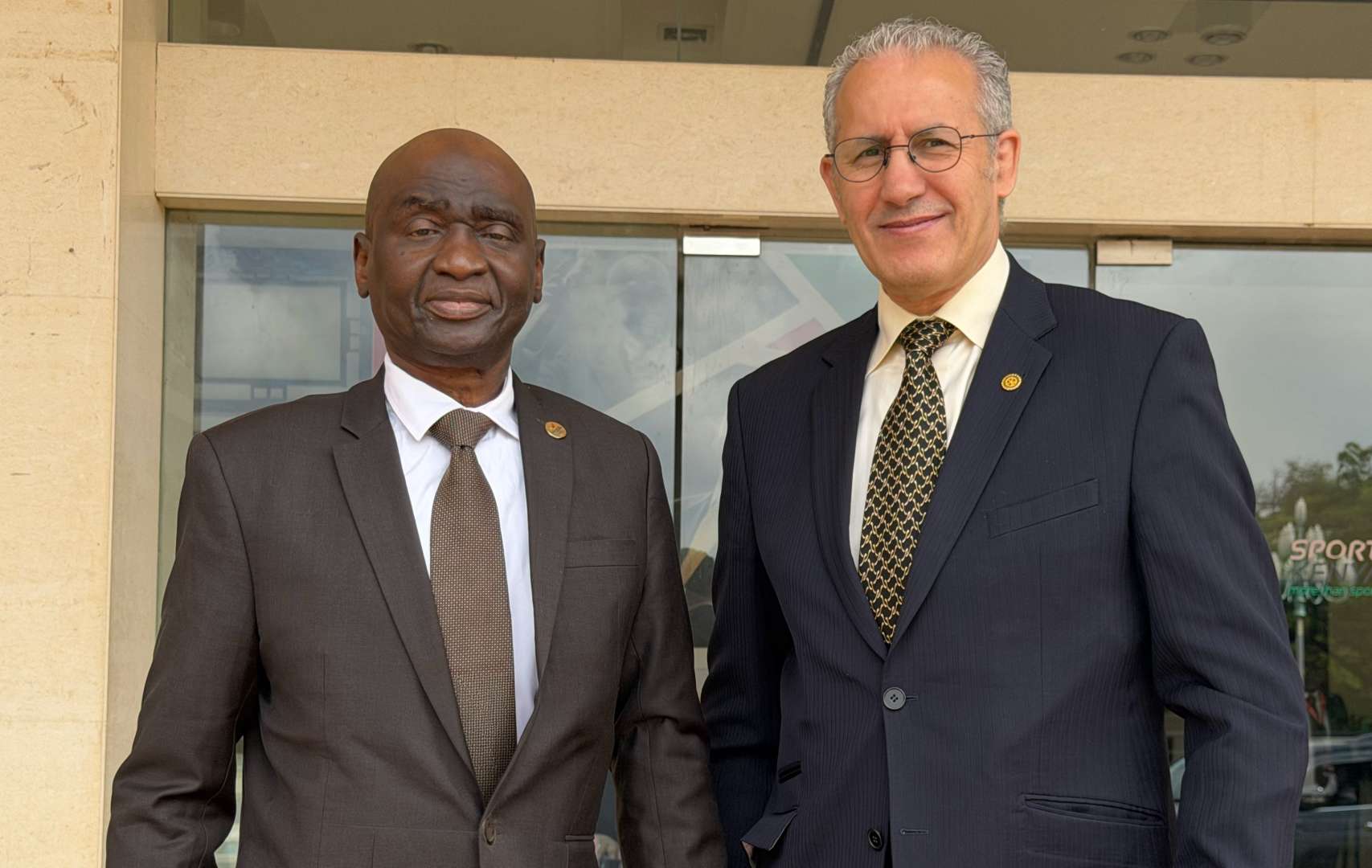
Behind these performances lies the sustained work of the African Judo Union, led by President Siteni and supported by a committed team. “There is a lot of work being done,” Meridja emphasises. “You can feel both the progress achieved and the ambition for what is still to come.”
He also highlights the professionalism and stability of the organisation. “When you look at what is happening in the world, the AJU stands out as a stable and professional structure. I did not see any major difference when comparing with international standards. This championship was of excellent quality.”
Gratitude was also at the heart of his message. “I would like to thank the organisers for this great event. It is not only a competition but a celebration, a chance to meet again, to reconnect. It strengthens our union.”
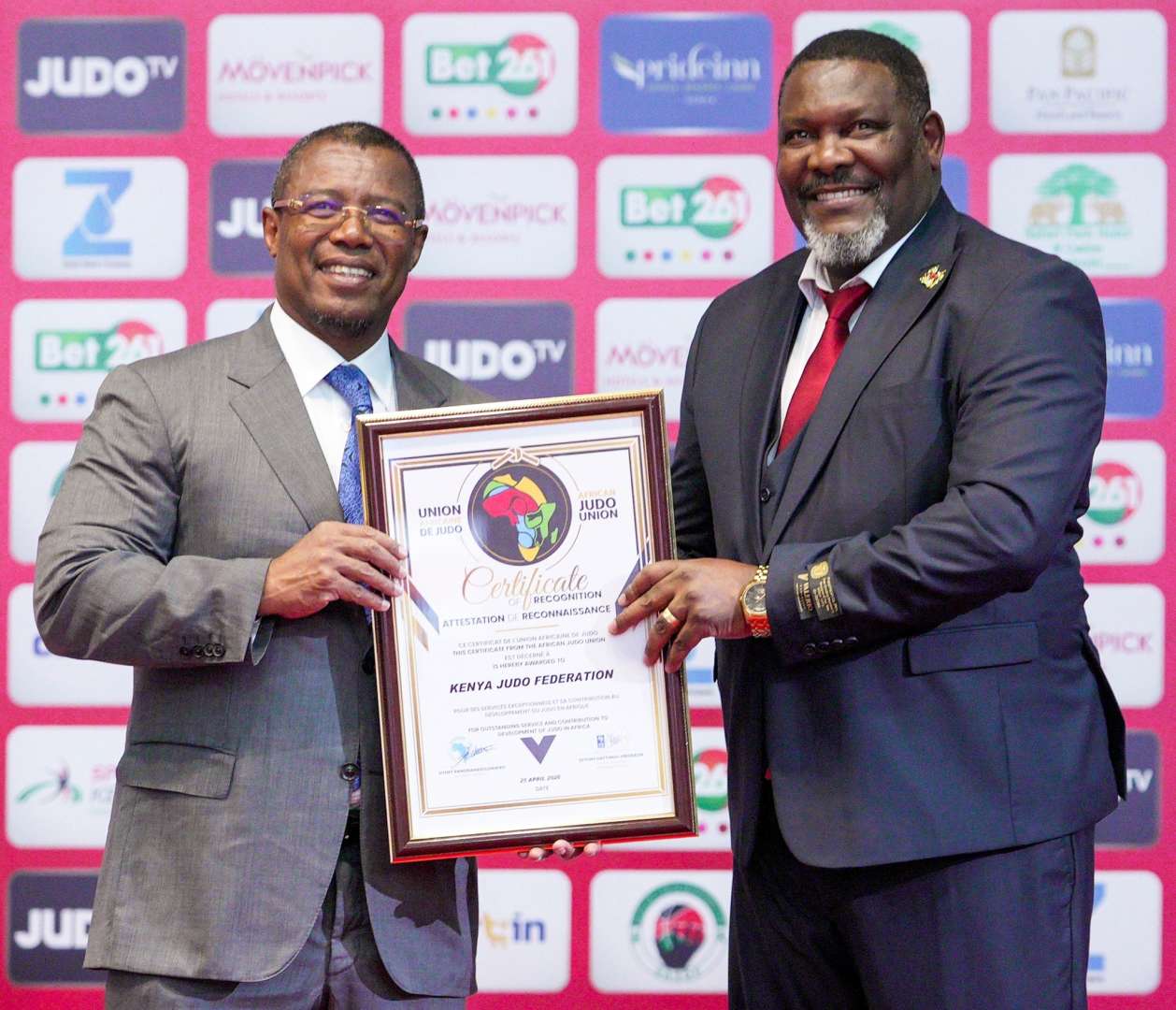
This sense of pride and optimism is shared by AJU Honorary President Habib Sissoko, “You can feel that there has been a real change in recent years,” he says. “African judo has progressed enormously. The level has increased, and I truly do not regret coming.”
In Nairobi, beyond the medals and rankings, something deeper has been confirmed: African judo is evolving, uniting and inspiring. The journey continues and the direction is clear.