
Today, she works behind the scenes of African judo, in a role that may seem far from the action, yet remains deeply connected to it. As Director of Sport and Education within the African Judo Union, she now helps shape the future of the sport she once competed in at the highest level.
Her journey has been anything but ordinary. Originally from Angola, Antonia arrived at the African Judo Training Centre in Rabat as a teenager. At the time, she was shy, reserved and unable to speak French. What she did possess, however, was far more powerful: determination, discipline and an extraordinary capacity for hard work.
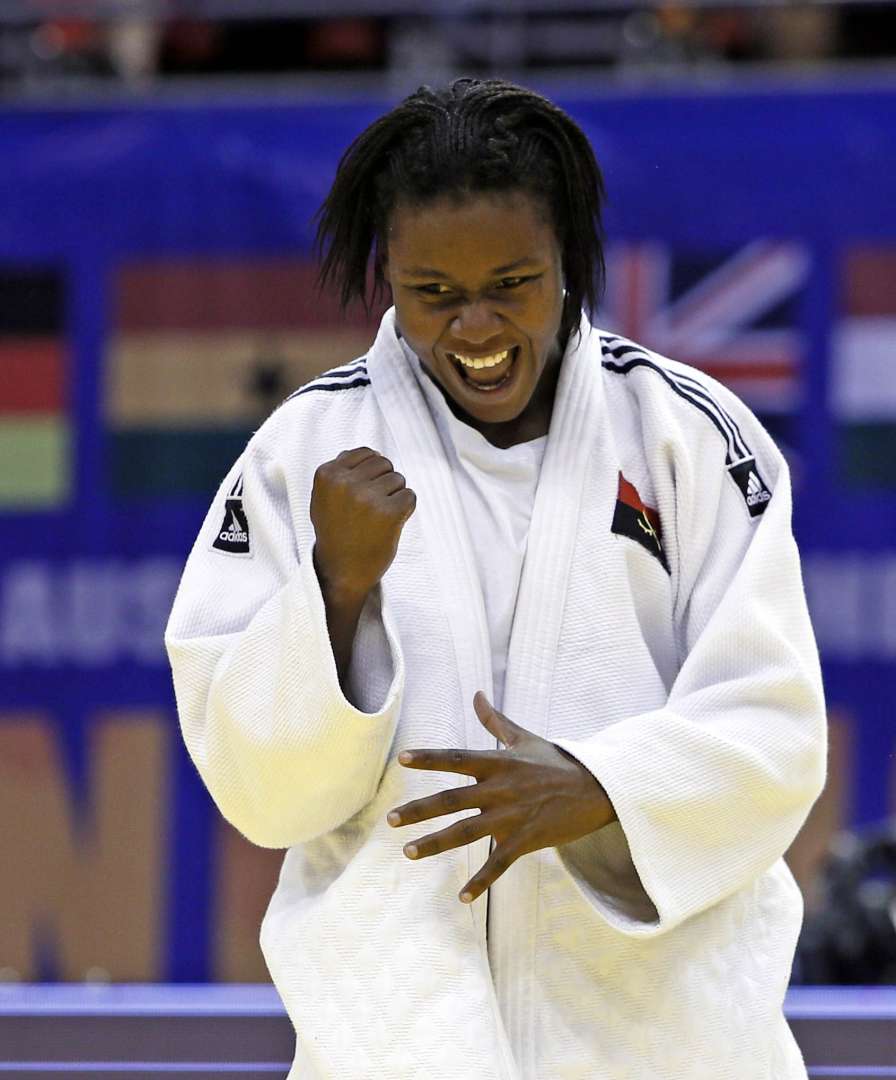
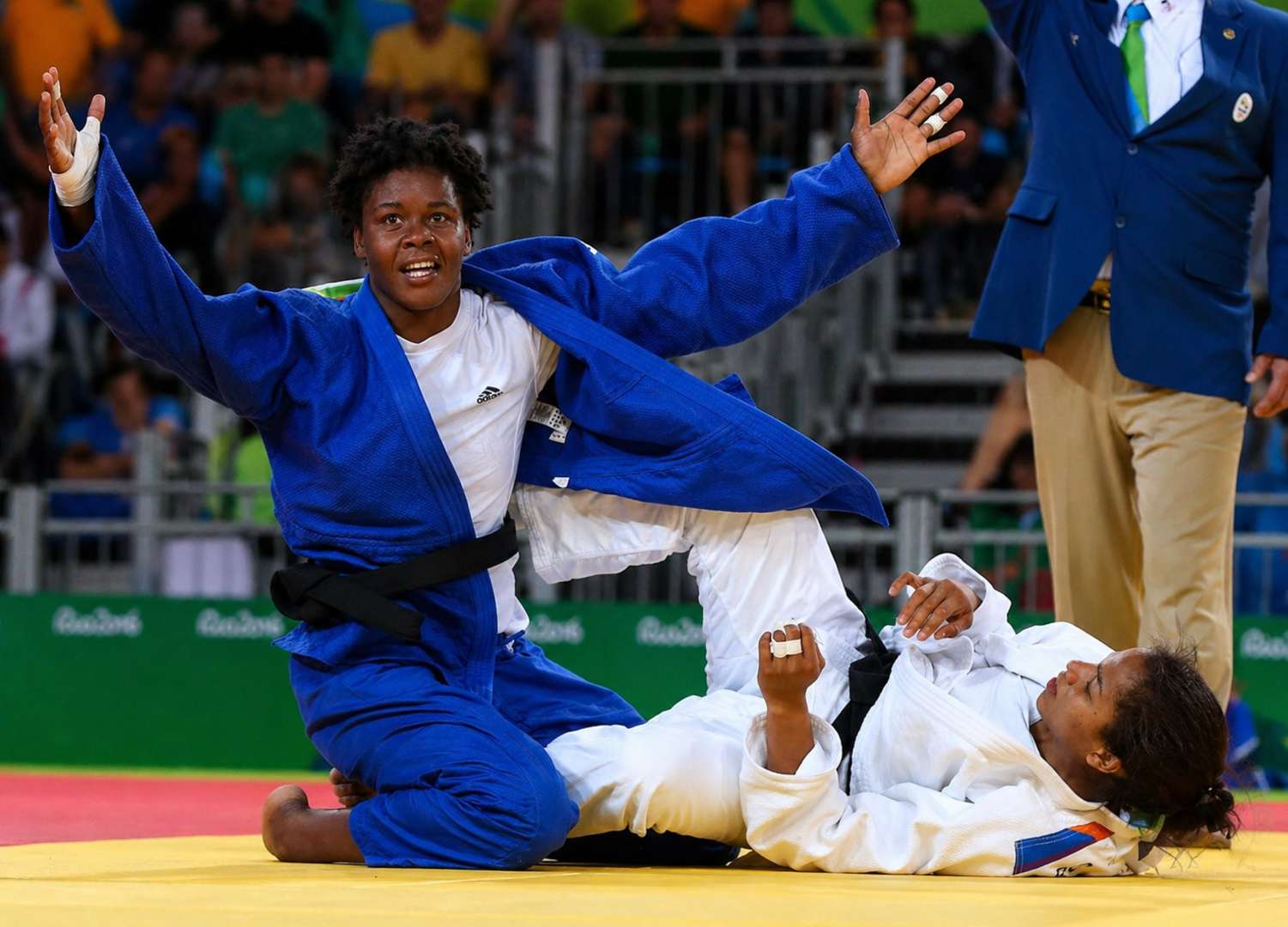
Her former coach, Hassene Ikhlef, remembers her clearly as a quiet young athlete with an unshakable drive, and it was through judo that everything began to change. Step by step, Antonia found her voice. She learned a new language, gained confidence and grew into an elite athlete. Supported by Olympic Solidarity and the International Judo Federation, she qualified for the Olympic Games in Athens in 2004 and it was only the beginning. She went on to compete in four Olympic Games: Athens 2004, Beijing 2008, London 2012 and Rio 2016. This is a record that speaks to both her talent and her resilience.
Today in Nairobi, her perspective has evolved, “It feels good to be here,” she explains. “Before, I was an athlete and now I am on the other side, discovering a new generation. The biggest difference is responsibility.”
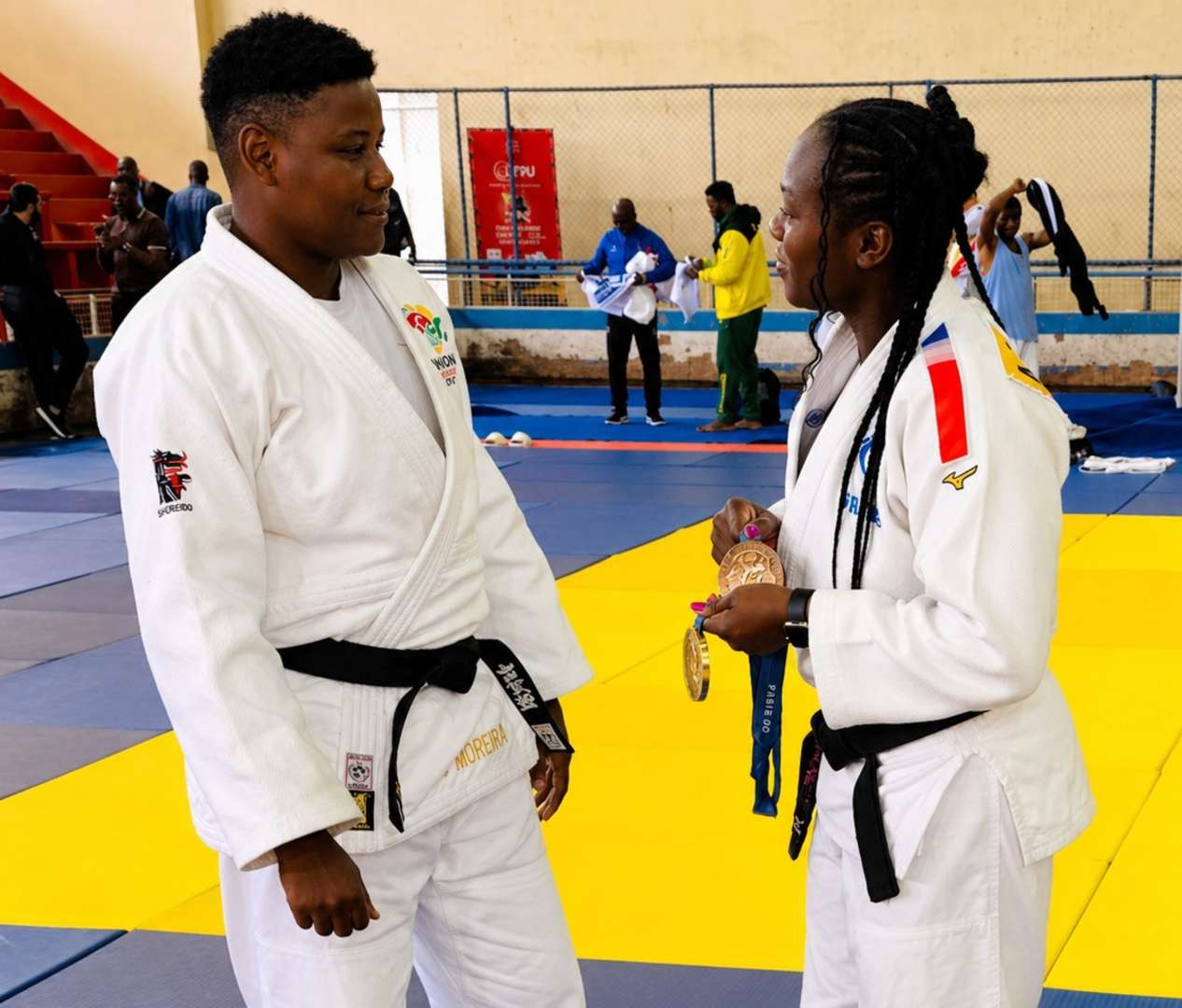
She admits, with a smile, that the emotions of competition are unique. “I preferred being an athlete,” she says, “but I love judo and I love African judo.” That passion is what drives her today. Whether interacting with competitors during the judogi control process or supporting development programmes, she remains deeply connected to the judo family.
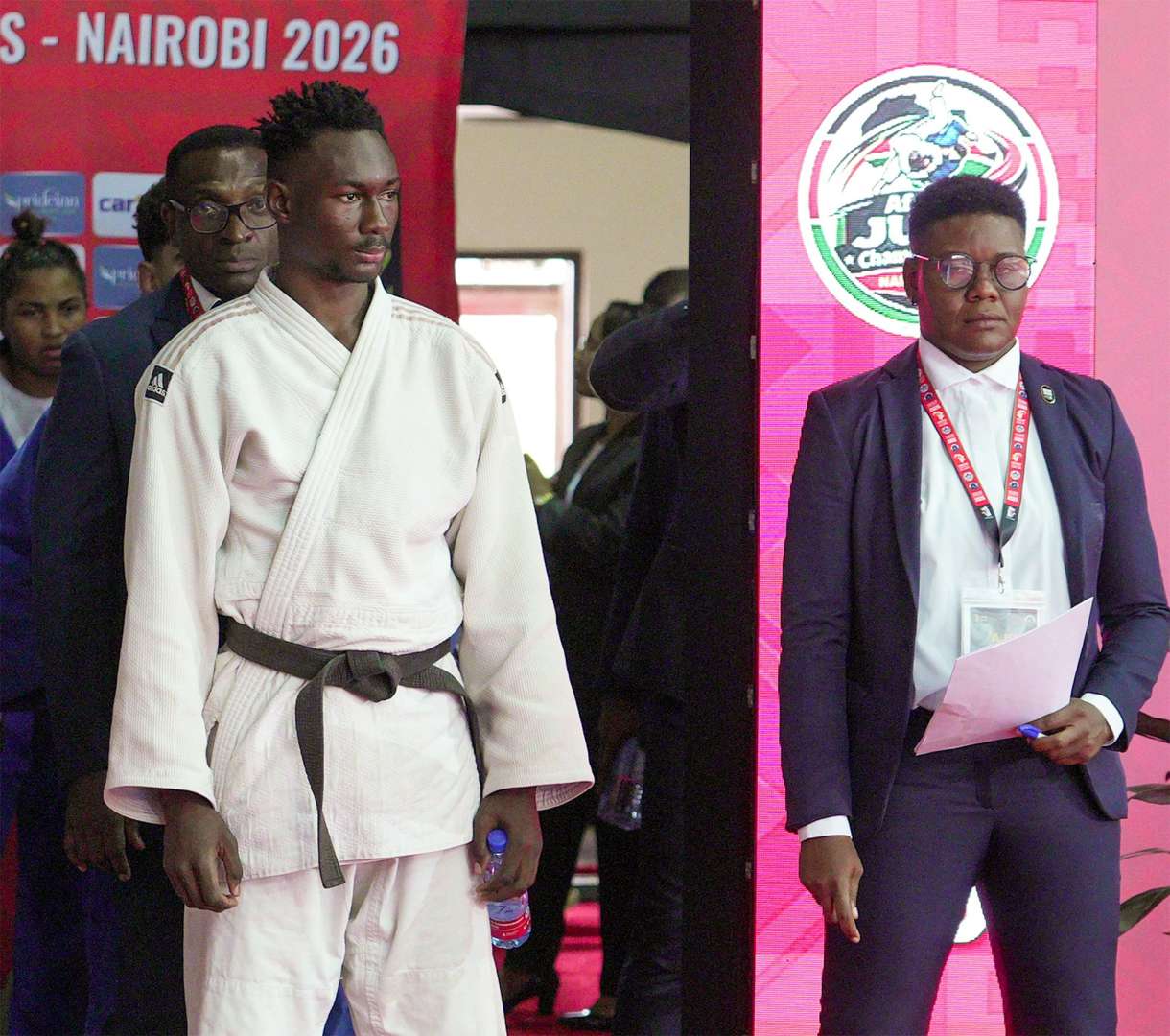
Back at home, she runs her own judo club where she shares her experience with young athletes. Her mission is clear: to give back, to guide and to inspire. “African judo has progressed a lot,” she says. “I want to pass on everything I have learned, to help it grow even more.”
Her journey carries a powerful message, especially for women. Antonia Moreira chose her path. She overcame doubt, broke through barriers and built a life defined by her own ambitions. From a shy teenager to an Olympian and leader, she proves that nothing is out of reach.

She is not alone either. Across the championships, women are present at every level, on the tatami, in officiating roles and within leadership. Figures such as Estony Pridgeon, AJU secretary general and IJF EC member, alongside many others working in protocol, organisation and administration, contribute to the success of the event and the growth of the sport. Together, they represent a movement, a generation of women who are not waiting for permission but are actively shaping their future.
Reflecting on her journey, Hassene Ikhlef concludes, “It was a real pleasure to coach her and it is a great joy to see how far she has come and the judo woman she has become.” In Nairobi, Antonia Moreira stands as living proof that with courage, discipline and belief, everything is possible