

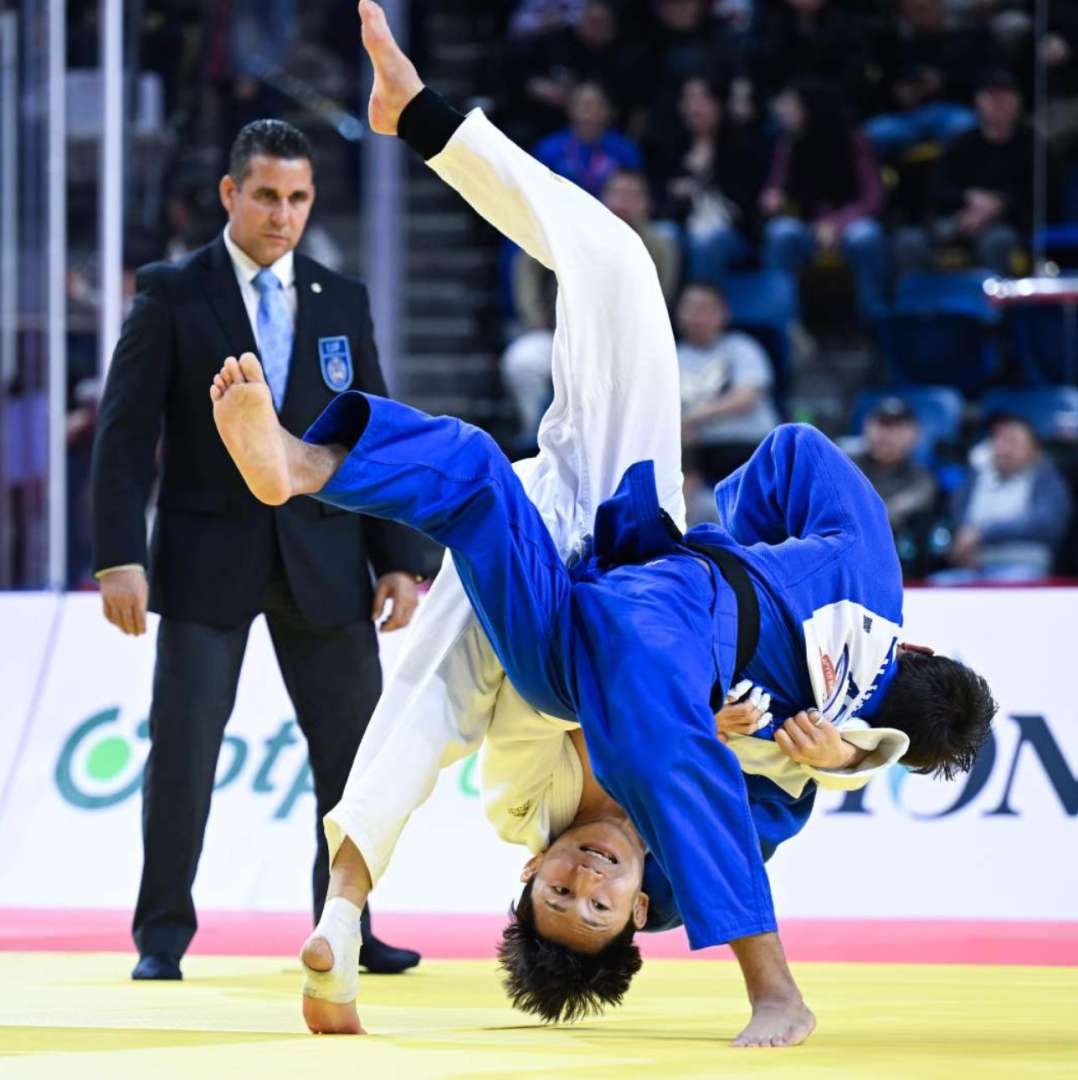
Of course, judoka would love to know today what their future holds. They would like certainty, guarantees, reassurance but somewhere deep inside, they also understand that it is better this way. The legend they dream of creating can only be beautiful if it is built through a journey.
After all, who do we remember? We remember the improbable champions, the athletes who nobody expected to see on the highest step of the podium. Fabio Basile (ITA) remains one of the greatest examples. Qualifying for the Rio 2016 Olympic Games at his very last opportunity, he arrived in Brazil with an unshakeable belief that he would become Olympic champion. He did exactly that, leaving the judo community astonished and inspired.
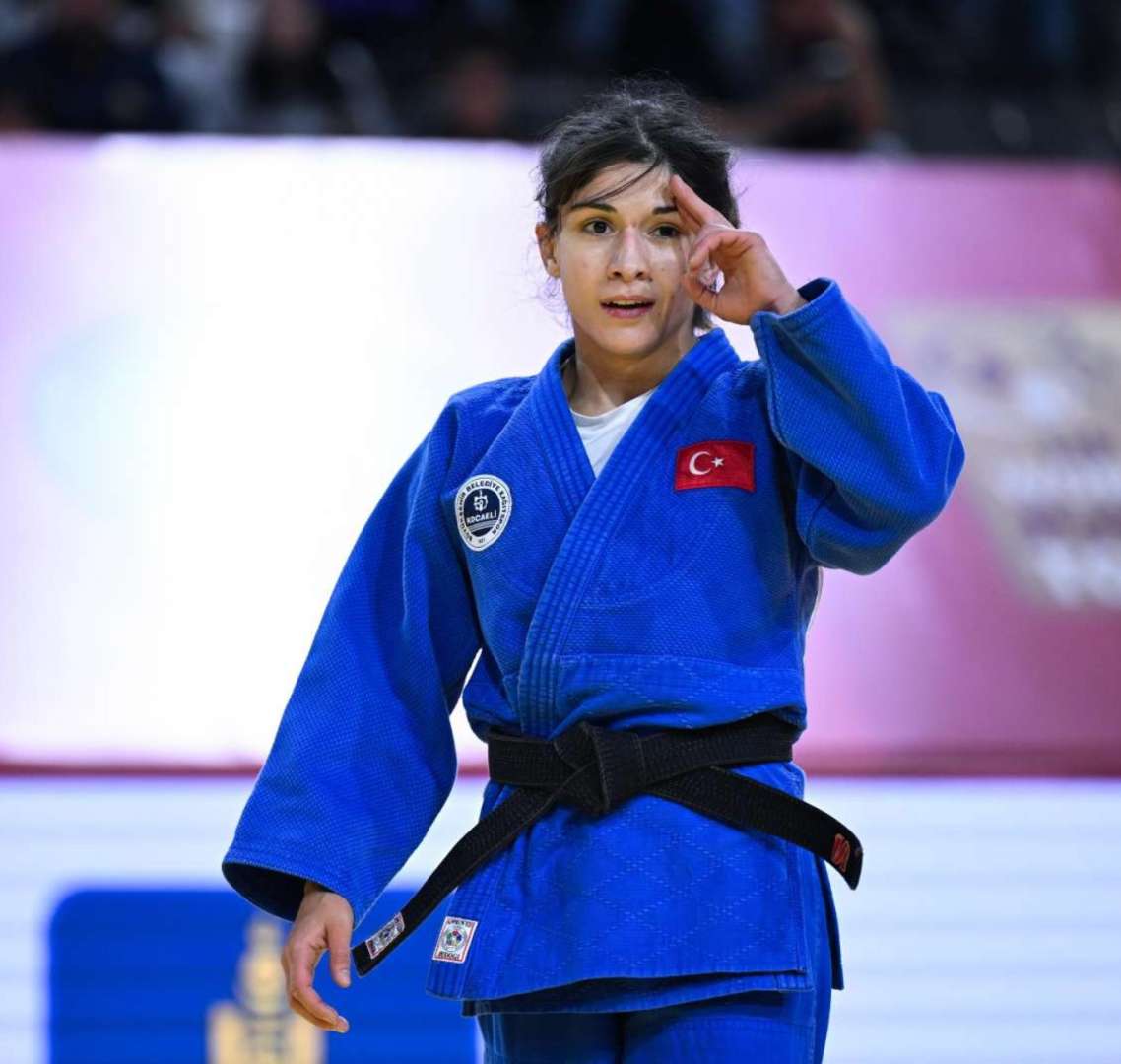
We also remember those champions who carried the weight of expectation and still succeeded. There is often nothing more difficult in sport than being the favourite. The greatest legends are those who embrace the pressure and transform it into history. Among them stands Anton Geesink (NED), the giant who became the first non-Japanese athlete to win Olympic gold in judo on Japanese soil, at the Tokyo 1964 Games. His victory was more than a personal achievement; it became a turning point that accelerated the global development of judo.
This reminds us of an essential truth: heroes in judo and sport are not created in a single day. They are shaped over time. There is always a small element of fortune in every journey: avoiding injury, remaining healthy and finding the right moment. Above all though, there is an endless amount of work before the final destination.
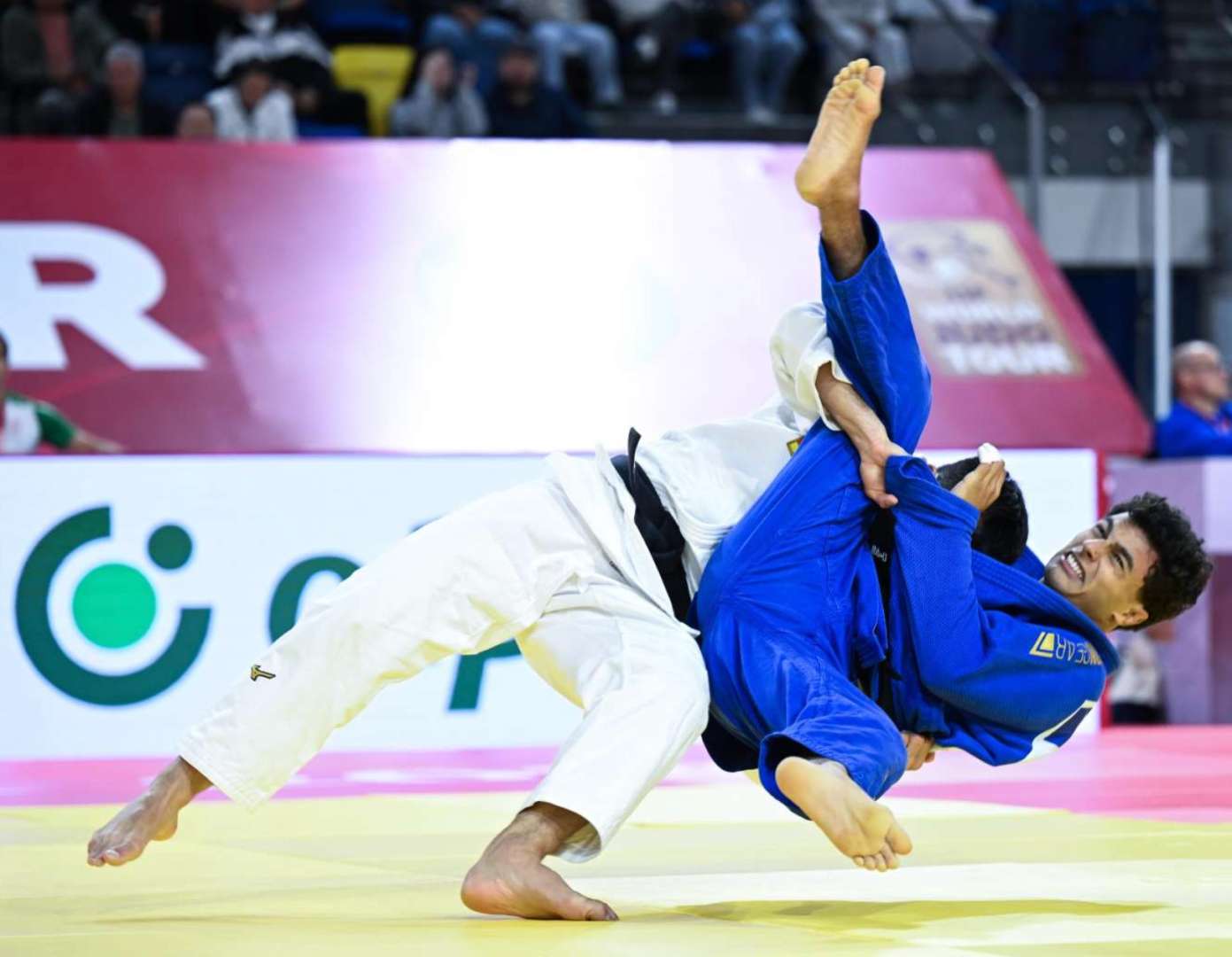
In reality, the competition itself is often only the visible part of the story. The most difficult part is everything that comes before it: the early mornings, the countless repetitions, the defeats that must be accepted and understood and the constant search for improvement. This is one of the deepest values of judo. The destination matters, but perhaps the way we travel towards it matters even more.
That is exactly what every judoka understands in Mongolia. A medal won here guarantees nothing. A single qualification point guarantees nothing either. But when the final calculations are made in two years’ time, that one point could become the difference between a dream fulfilled and a dream left behind. We know from experience that Olympic places can be decided by the smallest of margins.
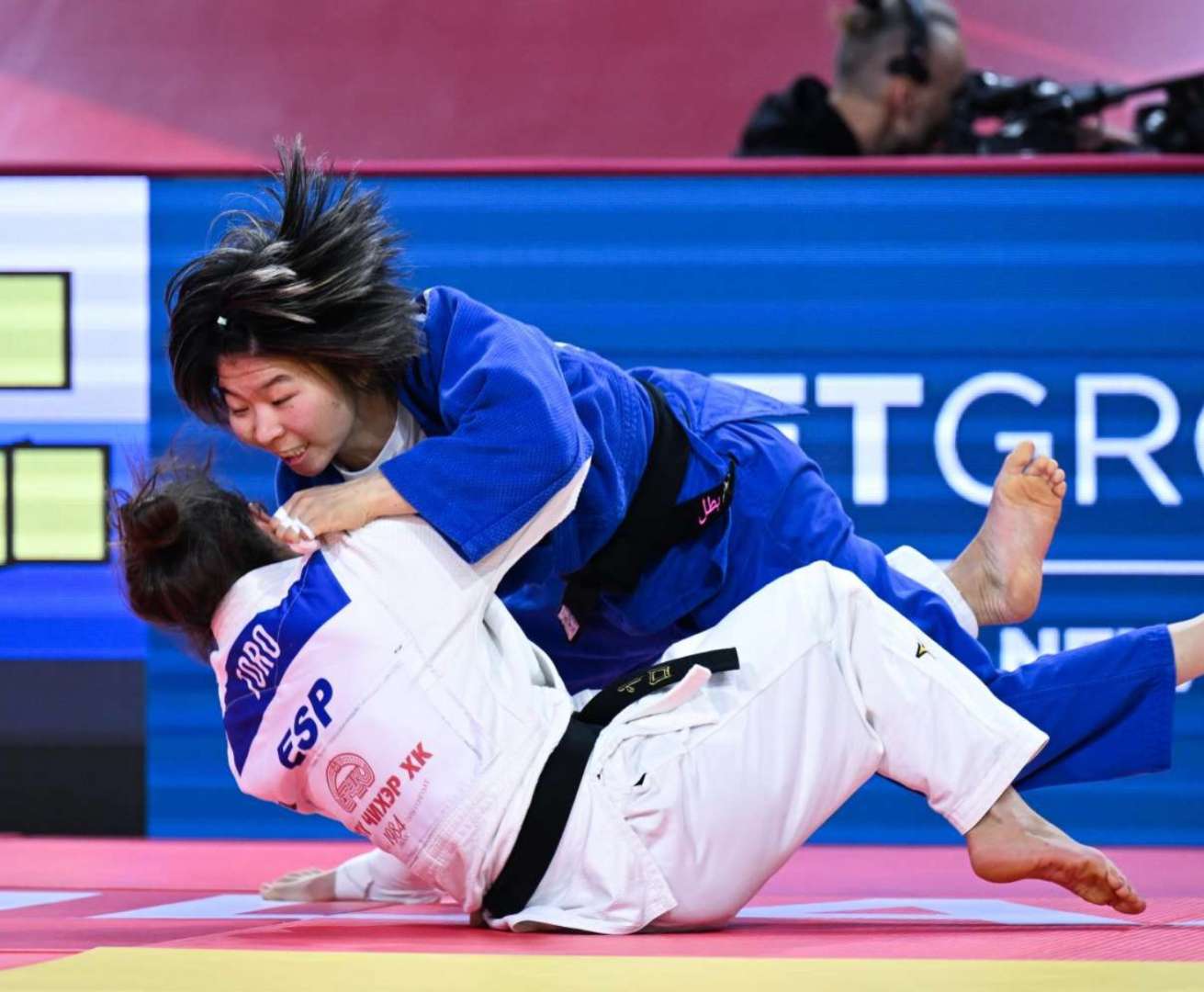
From a technical and tactical perspective, the journey also truly starts today. Athletes must be ready in two years, but excellence does not suddenly appear when the Olympic Games begin. It is built every day, through every tournament, every victory and every mistake. The failures of today are the lessons that prepare the victories of tomorrow.
There is uncertainty in this process, and uncertainty can be frightening. Yet judo teaches its practitioners from the very first day on the tatami not to fear the unknown, but to embrace it. No athlete in Ulaanbaatar knows today what their Los Angeles story will be, but they are all preparing themselves for the same challenge: to be ready for whatever stands in their path.
The first page is now being written. The rest of the story remains in the hands of those courageous enough to continue the journey.