The Strength to Lead: Sakura Judo Morocco in Full Swing
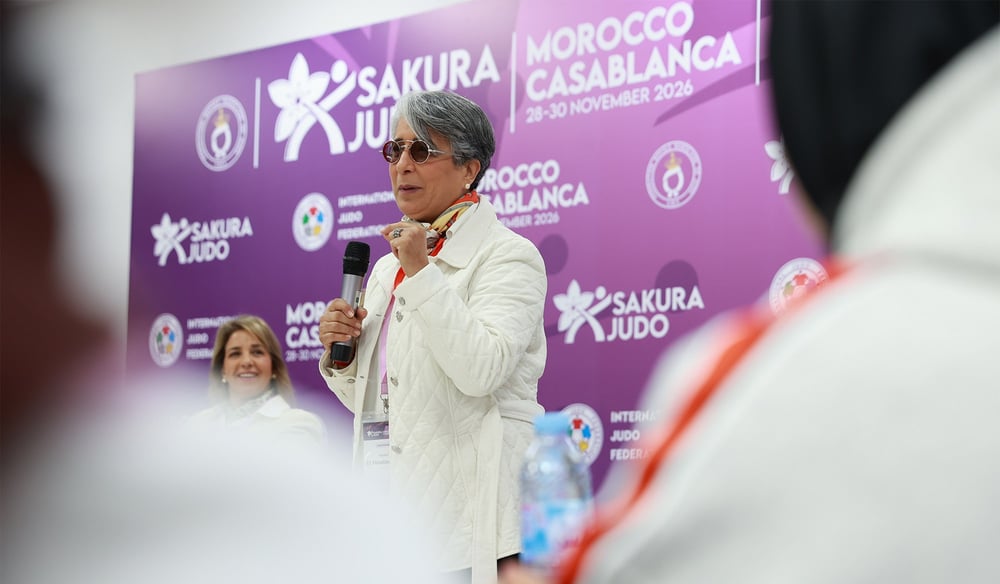
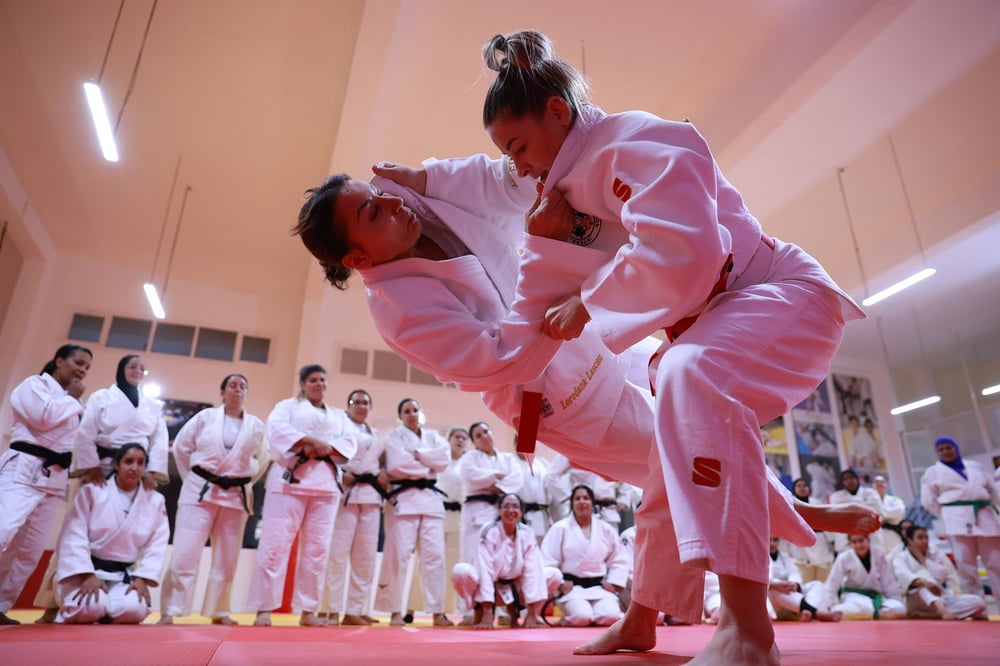
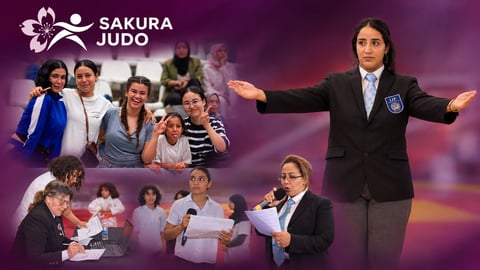
Over three days, women from across Morocco are working with experts from the International Judo Federation and Women Lead Sports. Denisa Deliu, Assistant to the IJF President, is overseeing the Casablanca edition and leading its self-defence component. She was struck by the warmth and enthusiasm of the women who had come from different regions of Morocco. For women who already give their time and expertise to judo in their communities, the seminar offers a chance to focus on their own development, ask questions and bring their experience into the conversation.
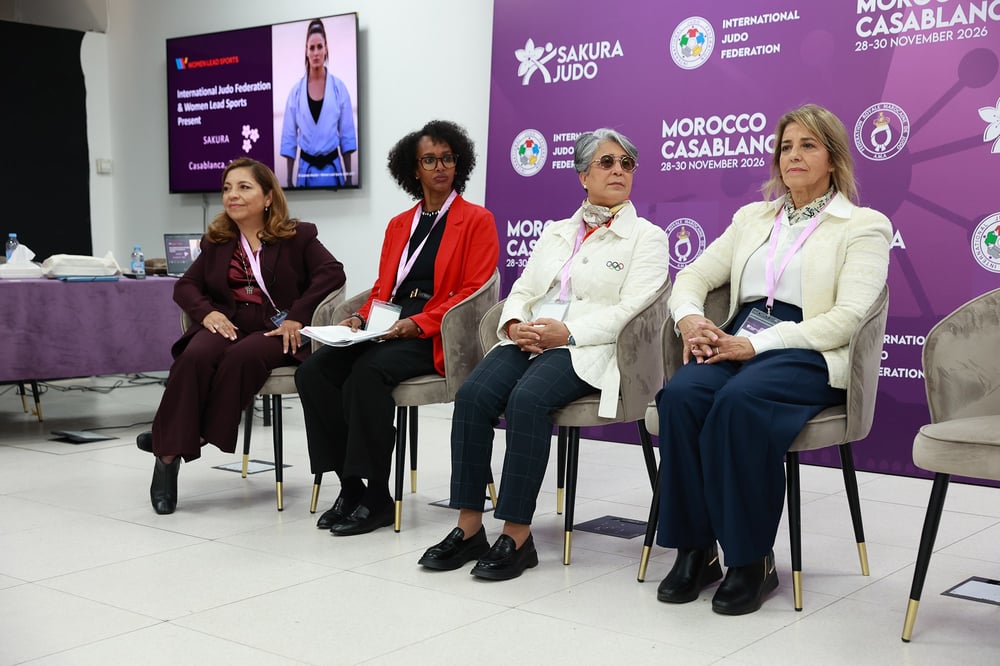
The morning discussion on calm strength and clear communication touched on how women express their ideas and take on responsibility. Gabriela Muller works with athletes, coaches and sports leaders on those skills, while Deqa Niamkey brings experience of how decisions are made in international sport. Loredana Lascau, an IJF Sakura Judo expert, has helped bring lessons from the Women in Sport High Performance Pathway programme into judo education, where questions about leadership can be explored alongside practical training.
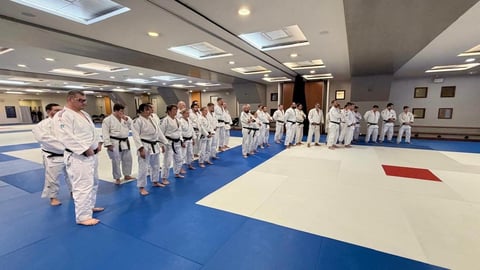
For Tina Trstenjak, the IJF Referee Director and Rio 2016 Olympic champion as well as a world champion, teaching the basics is part of preparing women for roles they may take on later. Her practical session drew on the methodology used at the IJF Academy, where understanding the principles behind a movement helps coaches explain it clearly and adapt their teaching to the person in front of them.
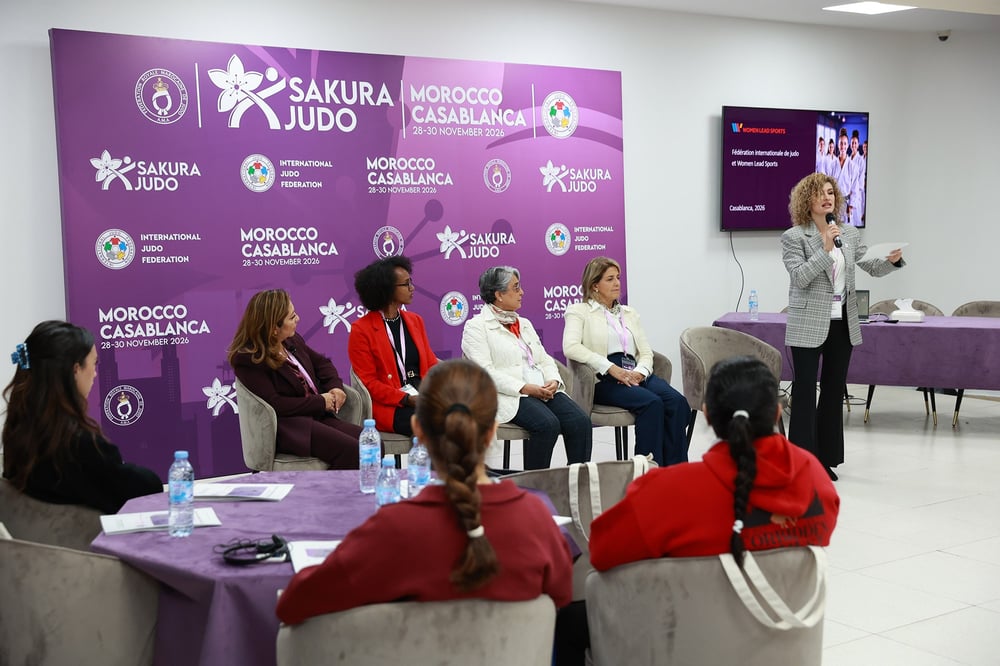
“I believe that having a strong understanding of the fundamentals is essential, not only for developing as judoka but also for becoming better coaches and educators,” she said.
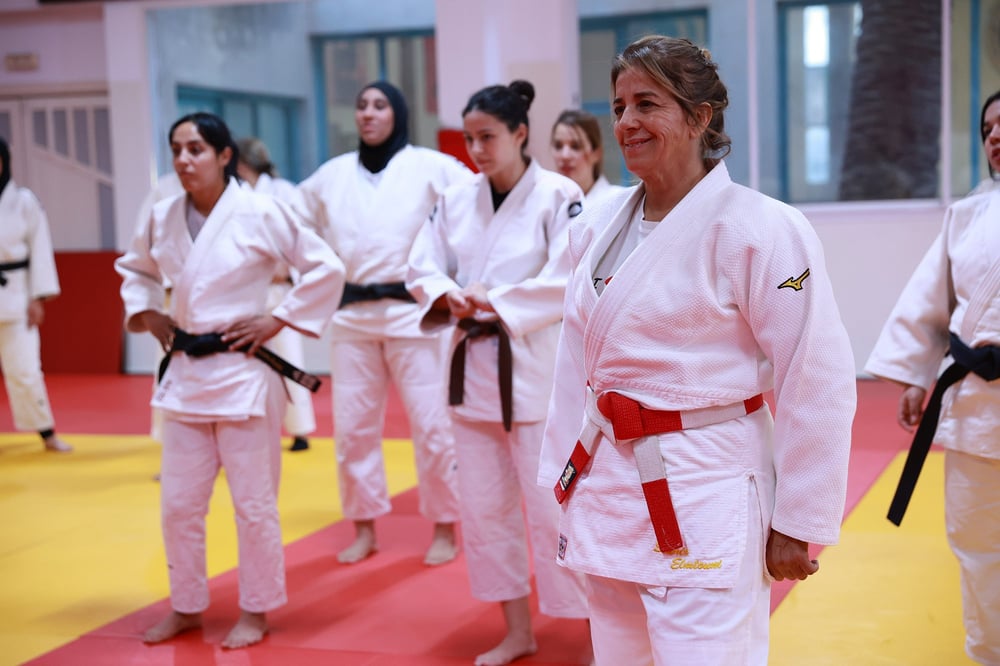
That connection between what a woman learns and what she can pass on is central to Sakura Judo. The programme combines personal development and leadership sessions with selected technical training. Each host federation can adapt the content and the participant profile to its priorities. In Morocco, that means bringing together women already involved in judo, from athletes and coaches to referees, club officials and administrators, and giving them space to explore where their experience could take them next.
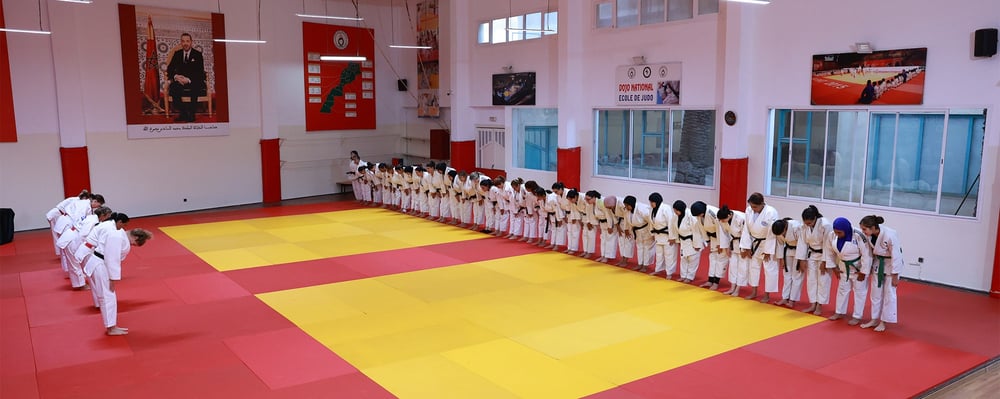
On the opening day, the participants welcomed Nawal El Moutawakel, a Vice-President of the International Olympic Committee. At Los Angeles 1984, she won the inaugural Olympic women’s 400 metres hurdles, becoming Morocco’s first Olympic champion and the first Arab, African and Muslim woman to win Olympic gold. She went on to serve in the Moroccan government and to take on senior responsibilities within the Olympic Movement.
For the women gathered in Casablanca, her visit carried a particular resonance. A generation of Moroccan girls saw in her victory what they could aspire to in sport. Her career after athletics gave them another example, that of a woman going on to help shape the decisions that affect sport. For participants considering their own next steps in coaching, refereeing or leadership, both parts of her story mattered.
Tina Trstenjak spoke about what athletes can carry into those roles. “Our experience, knowledge and values should not disappear when our competitive careers end.”
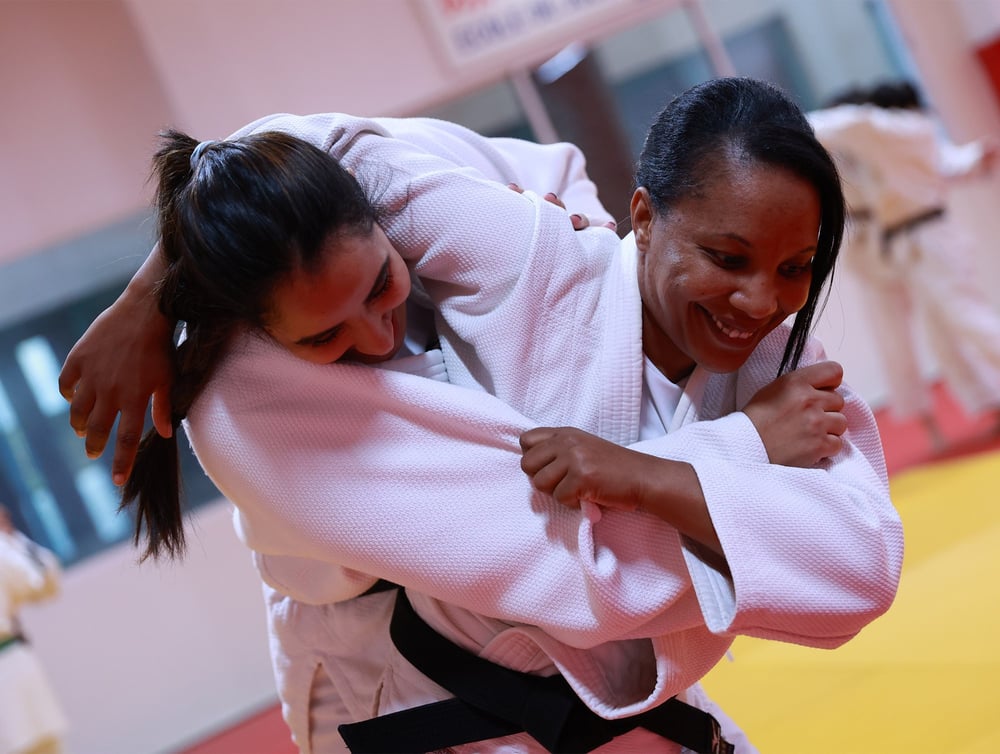
The days in Casablanca give participants time to consider what they want to do with that experience. The work afterwards will be to create opportunities for them to use it. A club can entrust a woman with her first coaching responsibility. An experienced referee can help a colleague prepare for the next level. A regional league can invite a new voice into a discussion about how girls gain access to judo. Through those decisions, what the participants learn in Casablanca can reach women and girls who were never in the room.
Photos © Badr Er-Rajaoui
read more
Similar news
Important updates
Top stories

Nov 28, 2026
Nov 26, 2026
Nov 25, 2026