
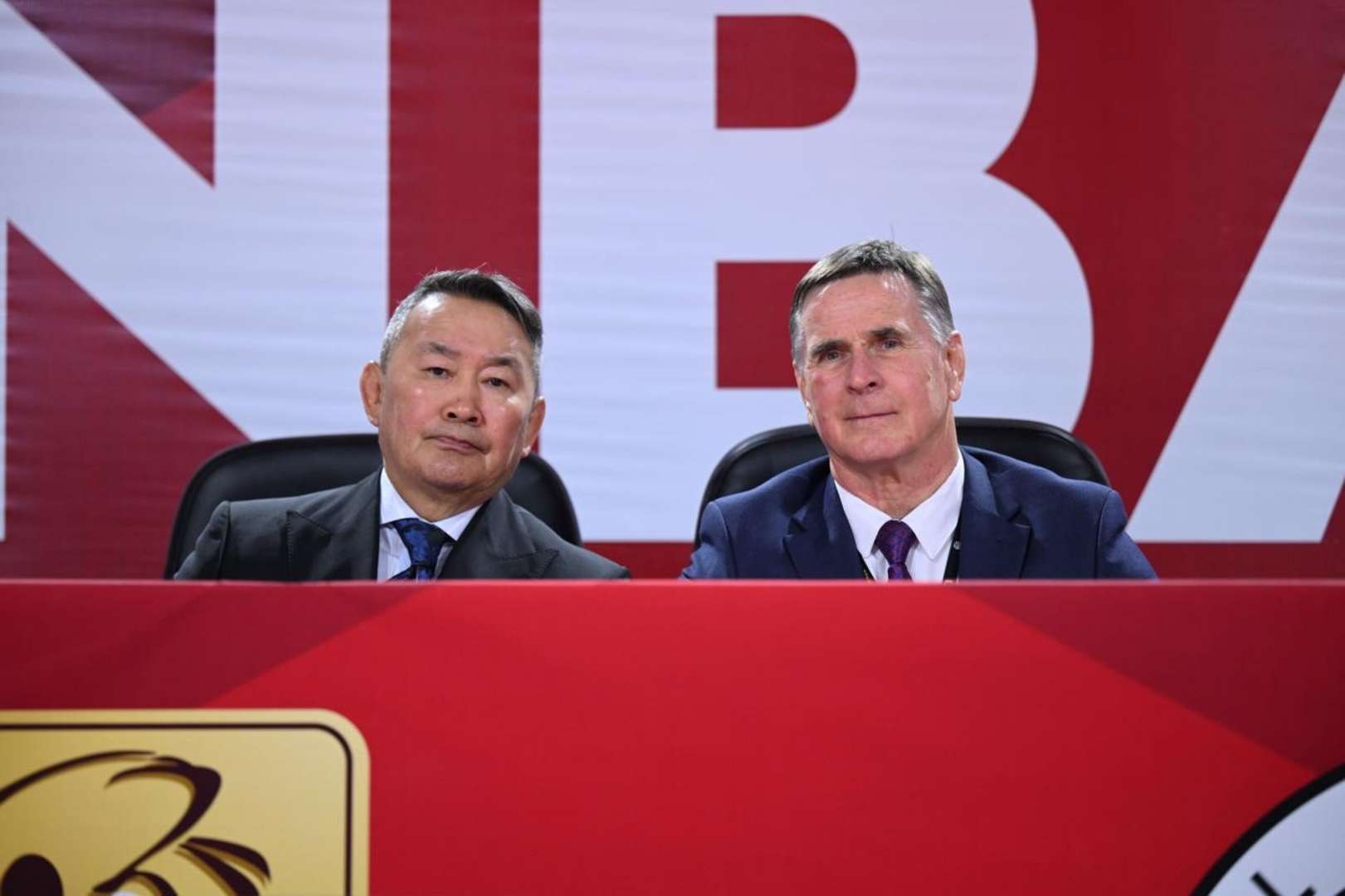
The responsibility resting on his shoulders is immense. The qualification system ultimately determines which of thousands of judoka around the world can reach the ultimate dream of competing at the Olympic Games. Yet Vladimir Barta’s role goes far beyond managing the process. Since the creation of the modern Olympic qualification system as we know it today, he has been one of its main architects, shaping a model that has become a reference point for fairness, transparency and universality.
“We undertook a huge period of reflection after the Athens Olympic Games and the new system, very close to the one we know today, was introduced for the London 2012 Olympic Games,” explains Barta. “At that time, we were only at the very beginning of the World Judo Tour. The process was not simple. The questions raised by President Marius Vizer helped us define the direction of our thinking. Together with Mathias Fischer from the IT department and the contributions of many experts, we were able to create the current system.
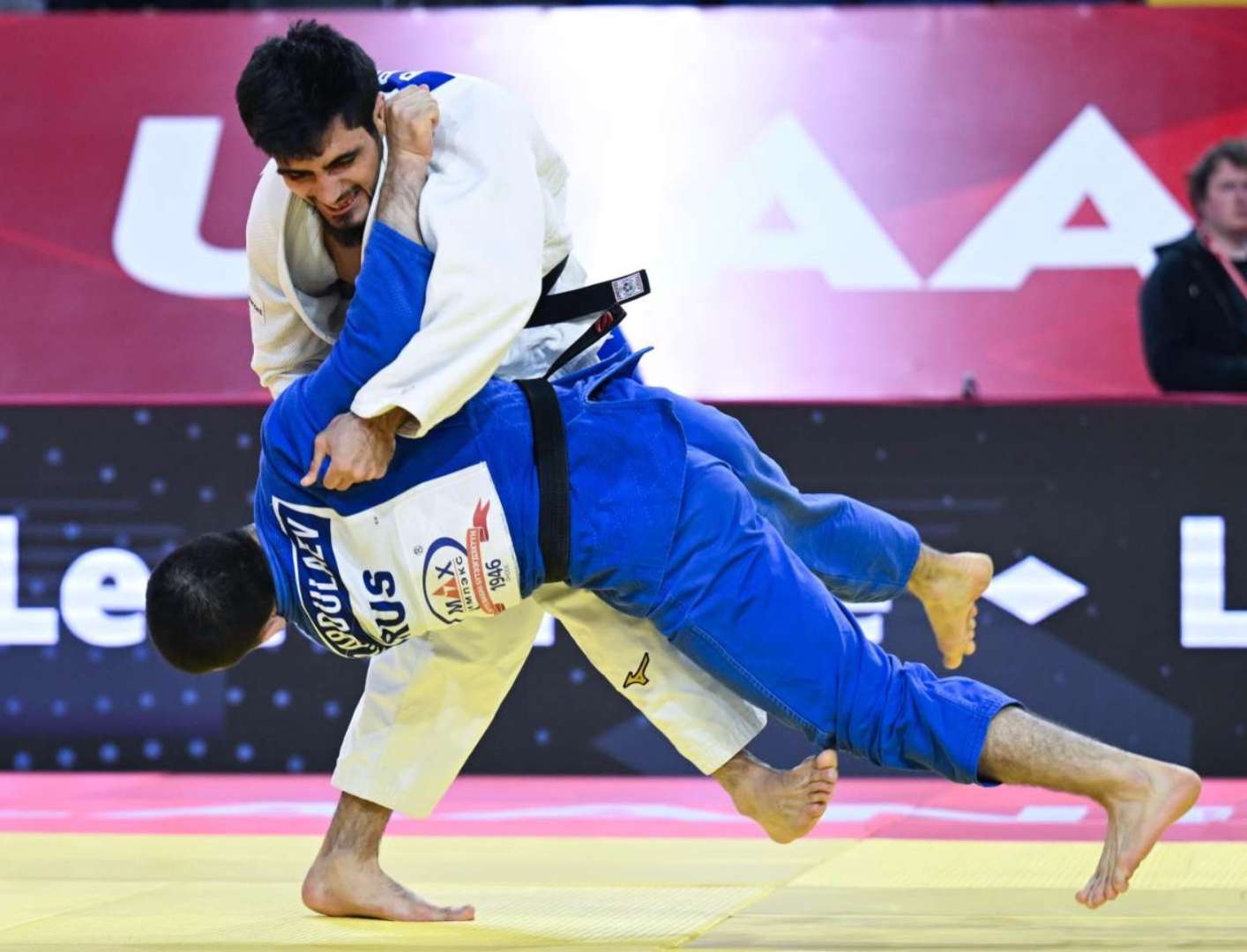
Our objective was very straightforward. We wanted a system based exclusively on results and performance, a system that was fair, simple, easy to understand, completely transparent and as universal as possible.”
In terms of performance, fairness, simplicity and transparency, the consensus today is clear. At any moment during the qualification period, athletes, national federations and judo fans can see clearly who is in a qualifying position, while the official lists are confirmed at the conclusion of the qualification period.
The question of universality is perhaps where the impact has been most measurable. “At the Beijing 2008 Olympic Games, we had 93 participating countries, which was already a very good number,” says Mr Barta. “Only four years later in London, that figure had increased by 42%, reaching 135 participating nations. This was the direct and measurable result of the system that we proposed to the International Olympic Committee and which was fully accepted. Today, we continue to use and develop the system but we are now working on fine adjustments. The foundations were established before London 2012 and they have proved to work extremely well.”
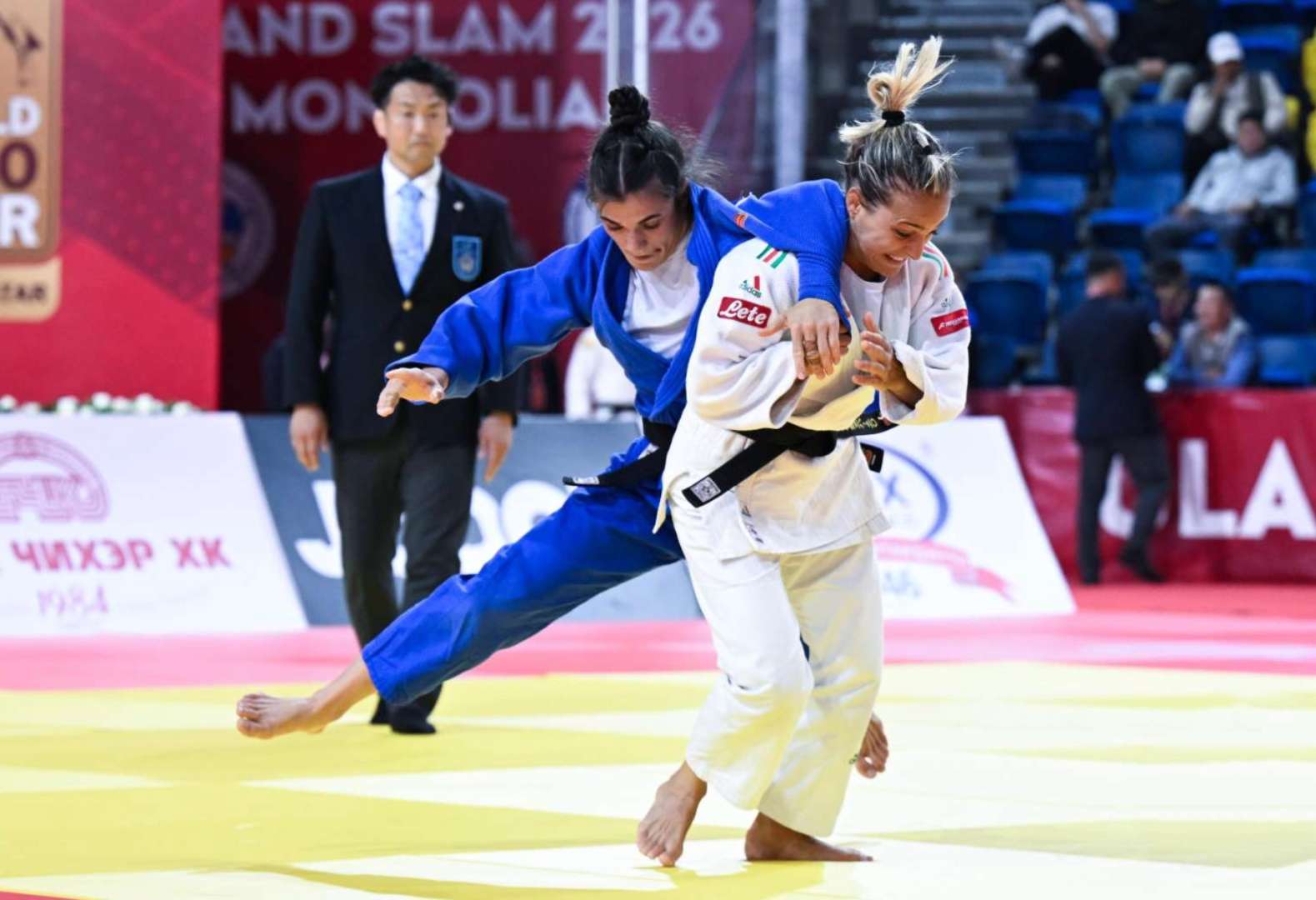
The immediate impact on universality placed judo among the most global sports on the planet, regularly ranked among the leading Olympic disciplines in terms of the number of participating nations. However, the effects extended beyond simple numbers. “Some countries, such as Georgia and Uzbekistan, to name just two examples, understood that the system now encouraged broader development of judo, particularly for women. Nations where our sport was traditionally almost exclusively male opened themselves to much greater diversity. This happened even before the introduction of mixed team competitions, which have only strengthened this evolution. It is something fantastic to witness.”
Another major consequence of the qualification system, the World Judo Tour and the world ranking list has been the increasing professionalisation of athletes and their preparation. “The physical and mental preparation of judoka have developed enormously, as have their technical abilities and tactical understanding. Having a clear and understandable World Judo Tour has allowed everyone to prepare much more effectively. At the same time, the arrival of new technologies surrounding our sport has played a major role. Today, athletes and coaches can analyse opponents in incredible detail, studying their habits and developing strategies to find solutions.”
The introduction of the ranking-based qualification system also transformed the structure of international competition. With a clearer hierarchy of athletes and a more consistent global calendar, the IJF was able to move away from the previous double repechage system, creating a more dynamic competition format, making performances easier to understand for athletes and spectators alike.
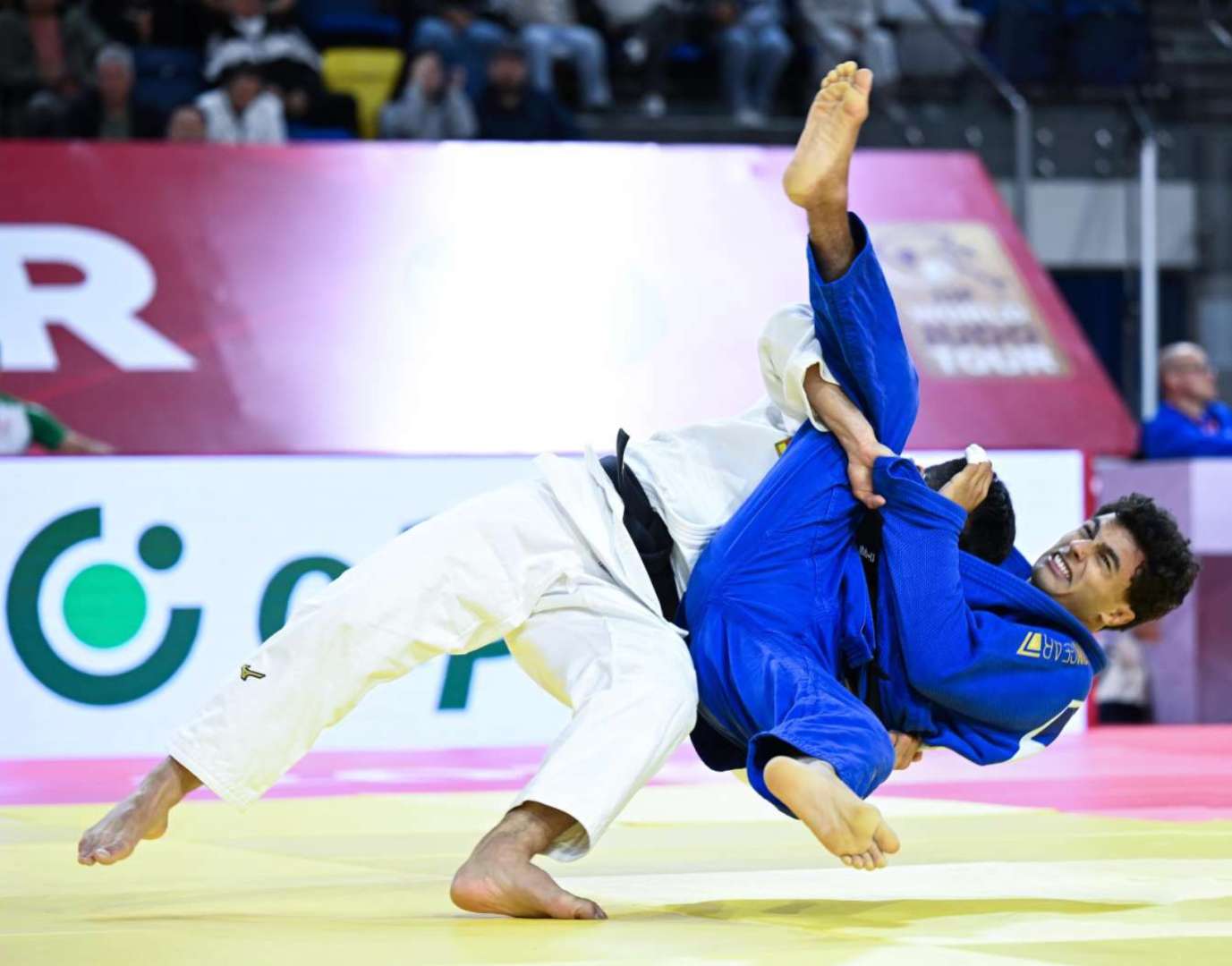
As the qualification journey towards Los Angeles begins, the overall assessment of a system now entering its fifth Olympic cycle is overwhelmingly positive. The level of judo has risen across the world, among both established powers and emerging nations. “We can identify several groups of athletes,” explains Mr Barta. “The first includes the very top performers, who do not have to worry too much about qualification and who prepare the major events with great discipline and precision. The second group consists of those who are determined to qualify directly through the World Ranking List. Finally, there are athletes aiming to secure a continental quota place.
All of this creates many more opportunities to reach the Olympic Games than in the past. The chances of participating are much greater. Every athlete can tell themselves, ‘I have a chance to go there.’ In the end, it is not easy for anyone but it makes the sport much more exciting.”
With all these considerations in mind, Vladimir Barta watches the action in Ulaanbaatar with the satisfaction of seeing years of work come to fruition. “I would like to take my hat off to all the national federations. When we introduced these changes before London 2012, everything was completely new and everyone understood what we wanted to achieve and why. We received tremendous support.
Today, the work being done by coaches and athletes is remarkable. The sport has become highly professional. Here in Ulaanbaatar, we can already see that everyone is fully prepared for the two years that now begin. The situation will evolve and become clearer, of course, but when you already see major names competing here, young athletes pushing through and so many others wanting to leave their mark on world judo, there is every reason to be satisfied.
Here, the judoka are making a strong statement: we are here, we are truly here, and we want to begin this Olympic race.”