
In a deeply personal episode of the JudoPod, Monteiro reflects on a remarkable career, revealing the mentality that carried her through six Olympic cycles, fierce rivalries and countless setbacks.
Behind her trademark intensity on the tatami lies a very different personality. While fans remember her fierce game face and explosive celebrations besides her four European titles and multiple Grand Slam golds, Monteiro describes herself away from competition as naturally shy and reserved. The contrast is deliberate. Her philosophy is simple: compete with a cold mind and a warm heart—using passion as fuel while keeping emotions firmly under control when it matters most.

Mental preparation became one of her greatest weapons. Long before sports psychology became common in elite sport, Monteiro trained her mind through detailed visualisation, imagining herself facing specific opponents and rehearsing the pressure of major finals. By the time competition arrived, she felt as though she had already lived the moment.
She also reflects on how dramatically the sporting landscape has changed. When she began competing, speaking to a psychologist was often considered taboo. Today, she welcomes the growing importance of mental health support, while warning that young athletes now face a different challenge: the constant pressure created by social media and online comparison.
Some of the interview's most memorable moments revisit her legendary rivalry with Kaori Matsumoto, an opponent who constantly pushed her to improve. One of her greatest victories came in Paris at the Grand Slam in 2012, where a last-minute tactical adjustment with her coach allowed her to throw Japan’s Sato in just seven seconds and finally claim the title she had always wanted.
Monteiro also speaks candidly about the setbacks that shaped her career. When leg grabs were removed from judo, many believed her style would no longer succeed. Instead of resisting change, she adapted, proving that great champions evolve with their sport.
Her Olympic journey was equally emotional. After years of heartbreak, including a devastating first-round defeat at London 2012, Monteiro finally reached the Olympic podium in Rio 2016—twelve years after making her Olympic debut. It remains one of the defining moments of her career.
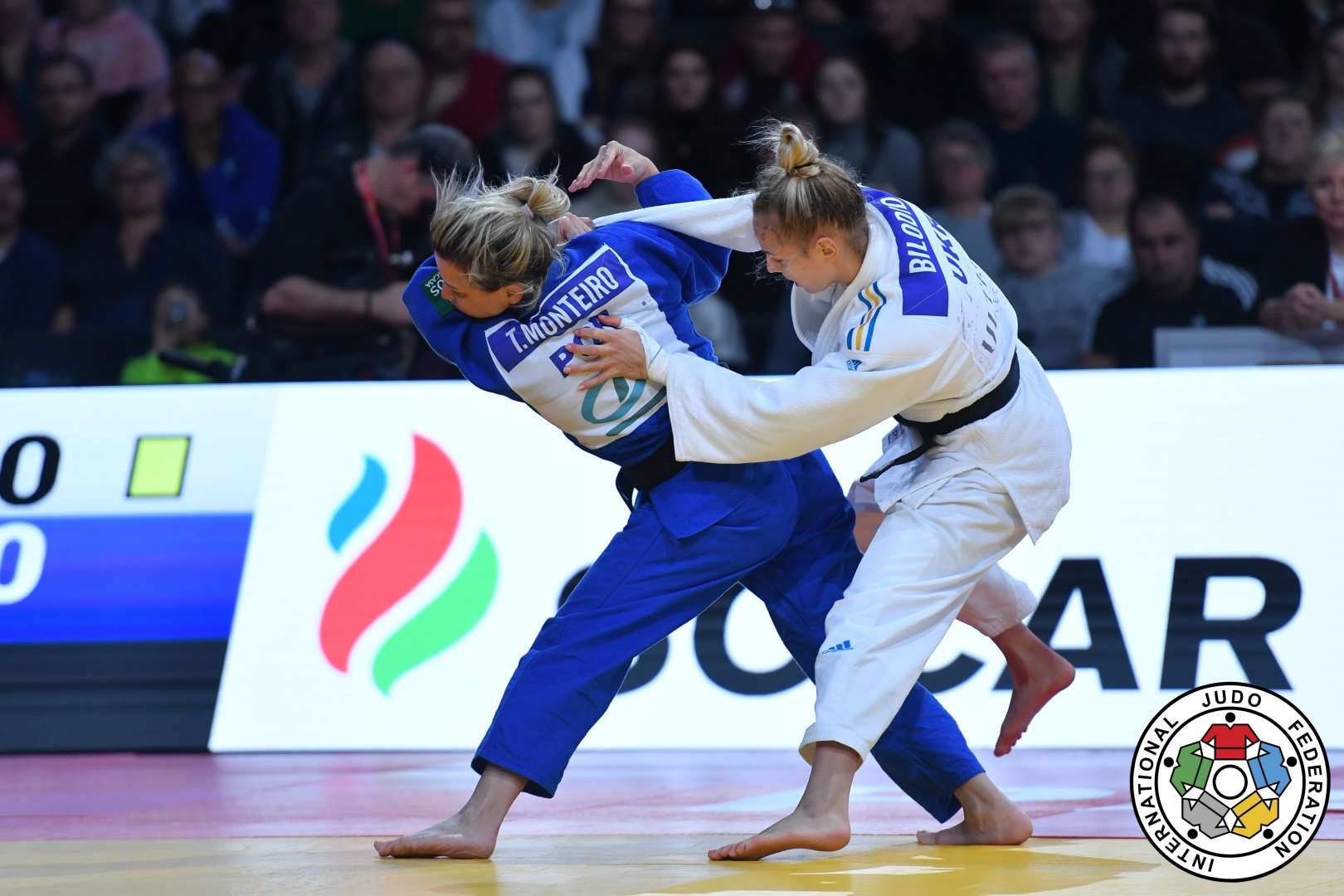
The interview concludes with one of her most personal memories. After narrowly missing qualification for a sixth Olympic Games, Monteiro visited the Olympic Village in Paris—not as an athlete, but as a spectator. It was there, surrounded by memories, that she finally accepted her competitive career had come to an end.
The tears, she says, were not of regret, but of gratitude.
Watch the full interview to hear Telma Monteiro reflect on mental resilience, legendary rivalries, Olympic heartbreak and the life lessons behind one of judo’s greatest careers.