
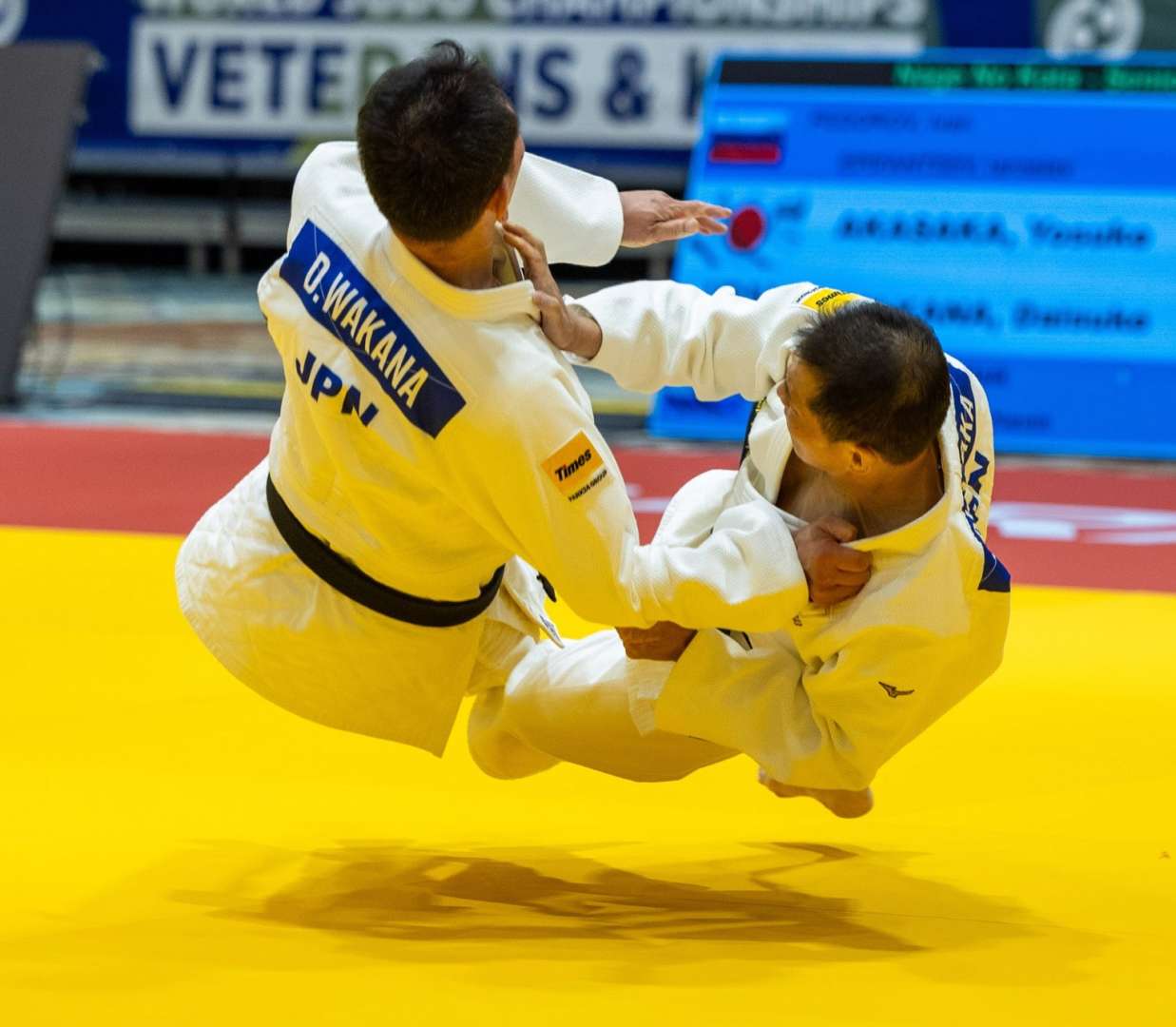
Italy arrived with the largest delegation, entering 34 pairs. Canada and France followed with 16 pairs each, reflecting once again the strong place kata occupies in a wide range of national judo cultures.
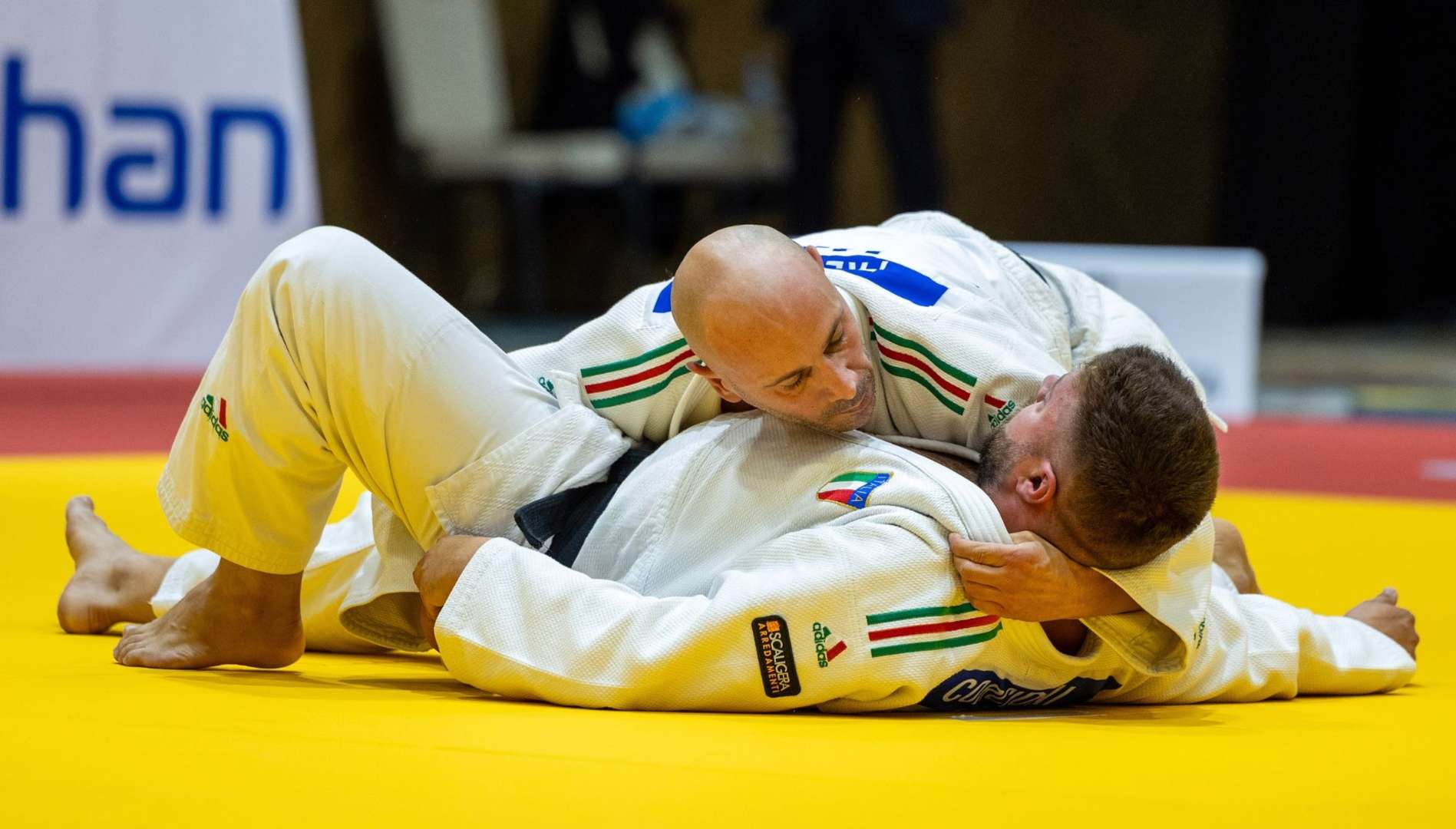
Nage-no-kata juniors and seniors, Katame-no-kata seniors, Ju-no-kata seniors and Koshiki-no-kata seniors formed a programme that moved across the full breadth of judo, from the study of throwing and groundwork to flexibility and the historical roots of the discipline.
At the end of the first day, Japan leads the medal table with three gold medals. Korea follows with one gold, one silver and one bronze, while the Netherlands have collected one gold and one bronze. In all, nine countries have already reached the podium: Japan, Korea, the Netherlands, Germany, Italy, Belgium, France, Spain and Romania.
The junior Nage-no-kata competition was decided by the narrowest of margins. An Sungchul and Yoon Geonwoo of Korea took gold with 362 points, ahead of compatriots Lee Minhoo and Jung Hyeonjun on 360.5. Spain’s Diego Hurtado Martin and Javier Miguelez de Salas completed the junior podium with 360 points.
In the senior Nage-no-kata, the Dutch brothers Maik and Kevin Van der Hulst claimed victory ahead of Germany’s Immo and Hendrik Schmidt after the two pairs finished level on the final score. The title was decided by the number of errors recorded, with the Dutch pair receiving fewer. Louis and Paul Ghegediban of France took bronze with 395 points.
Japan secured its first title of the day in the senior Katame-no-kata through Ryuji Kabata and Toshiji Odate, who scored 405.5 points. Nicolas and Jean Philippe Gilon of Belgium finished second with 398, while Korea’s Seungho Choi and Taehyeon Kim took bronze with 397.5.
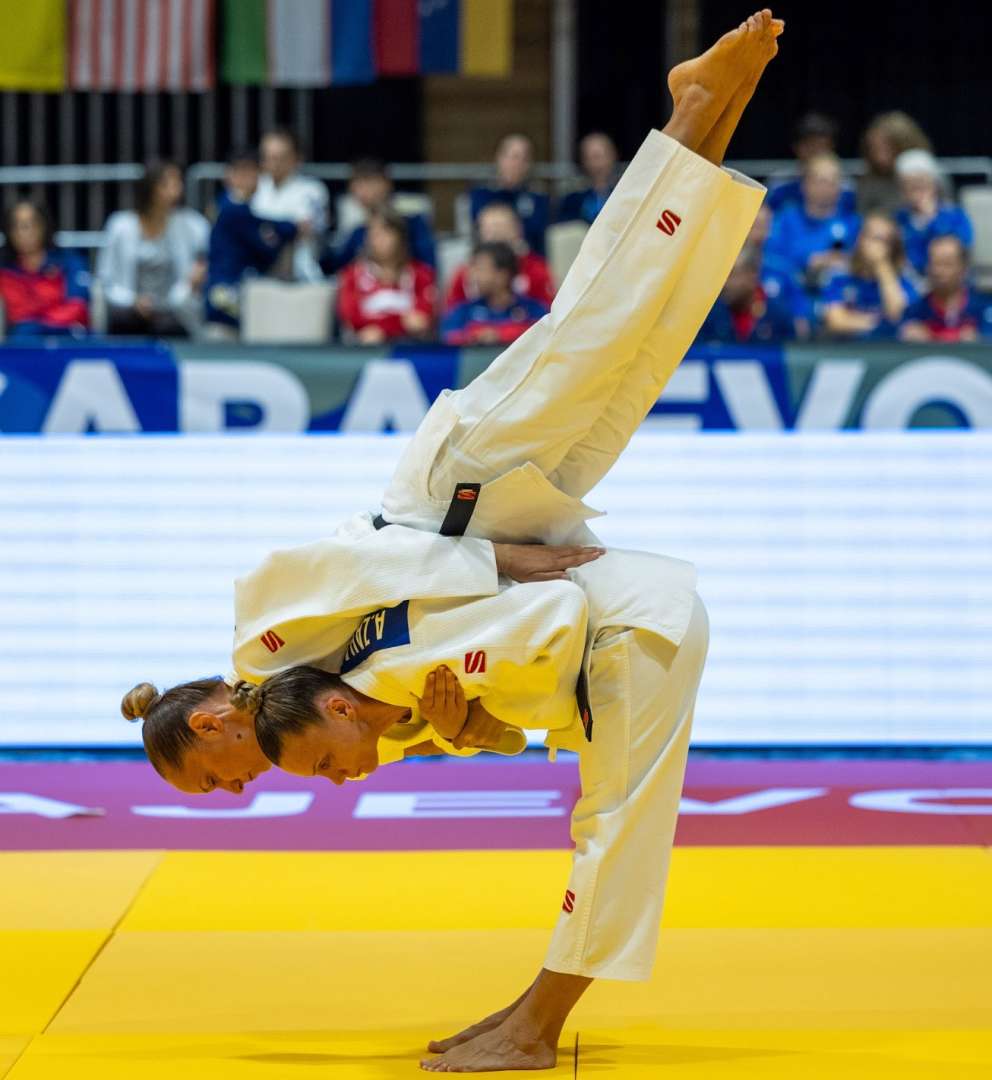
In the senior Ju-no-kata, Momoko and Mariko Ishida of Japan earned gold with 400 points. Giovanni and Angelica Tarabelli of Italy followed with 390, while Alina Zaharia and Alina Cheru of Romania took third place with 388.
The day concluded with the senior Koshiki-no-kata, where Katsuhiko Tetsuka and Kensuke Tokita of Japan produced the highest score of the day, 559.5 points. Ursula Loosen and Wolfgang Dax Romswinkel of Germany placed second with 521.5, ahead of Peter Goossens and Jelle Van Roosendaal of the Netherlands on 510.
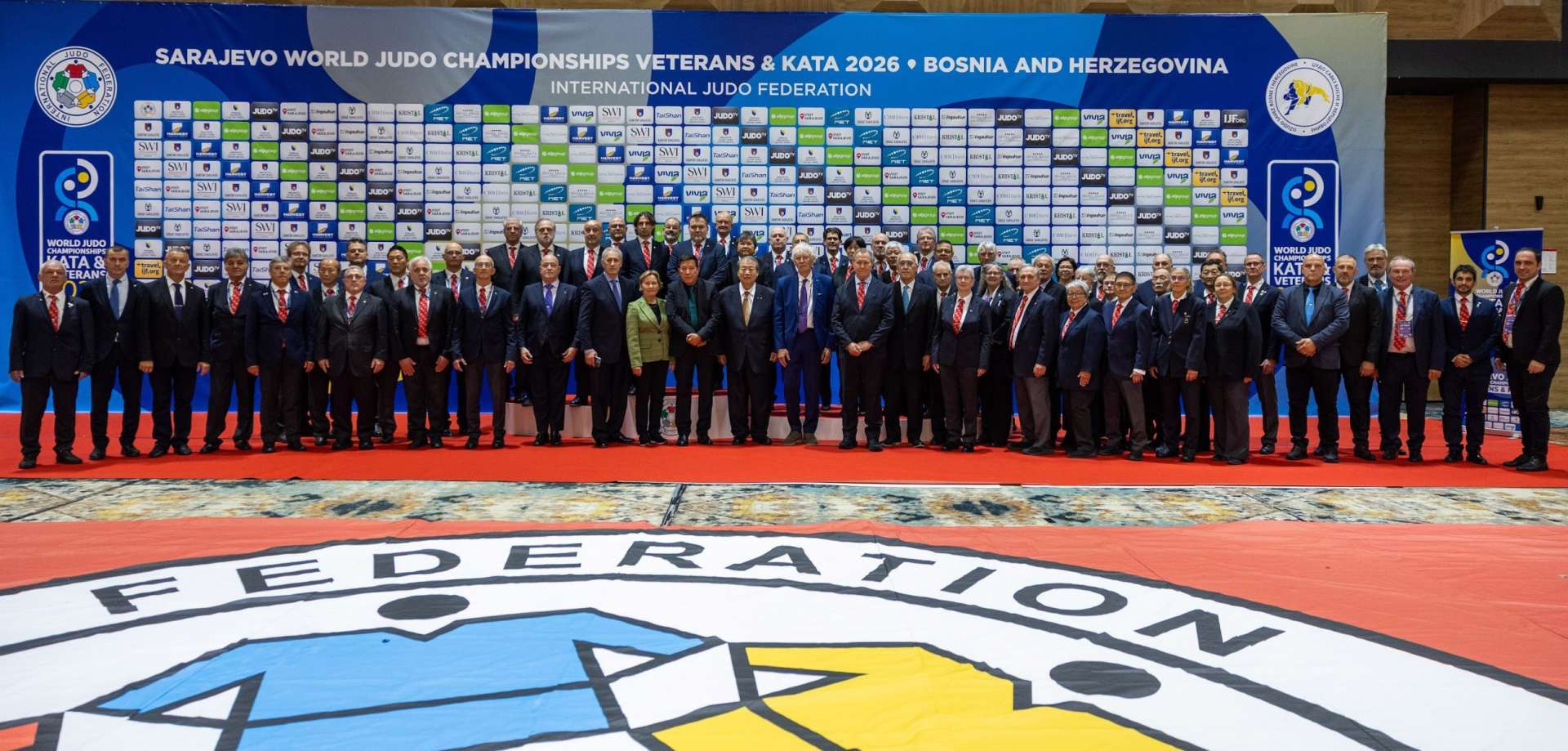
The first medals have now been awarded, but above all, the opening day confirmed the vitality of kata across continents, generations and styles of practice. In Sarajevo, the precision of performance was matched by the diversity of the field, giving the World Championships Kata a strong and compelling start.
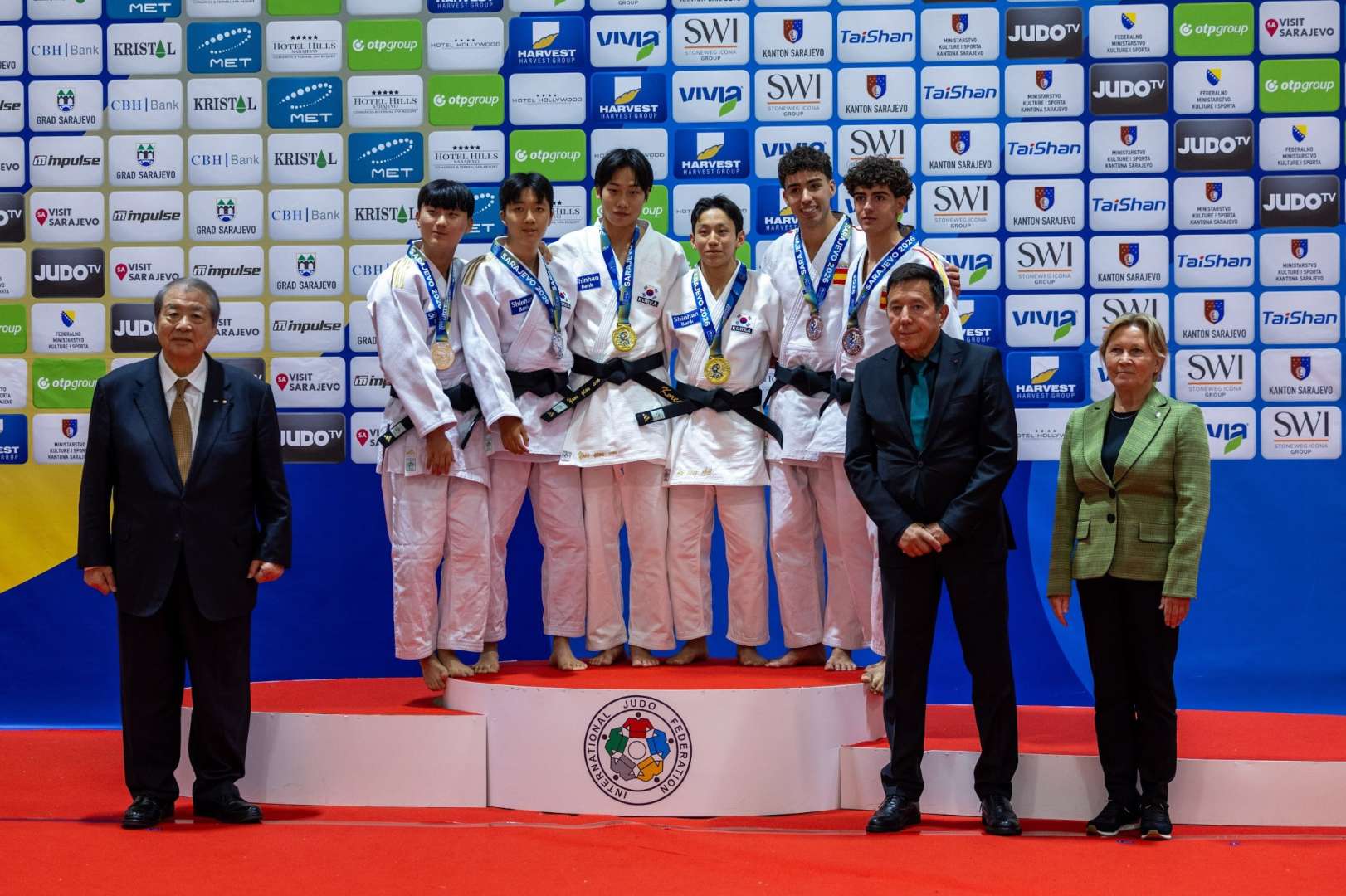
NAGE NO KATA — JUNIORS - total de 19 paires
- AN, Sungchul / YOON, Geonwoo (KOR) - 362 points
- LEE, Minhoo / JUNG, Hyeonjun (KOR) - 360.5 points
- HURTADO MARTIN, Diego / MIGUELEZ DE SALAS, Javier (ESP) - 360 points
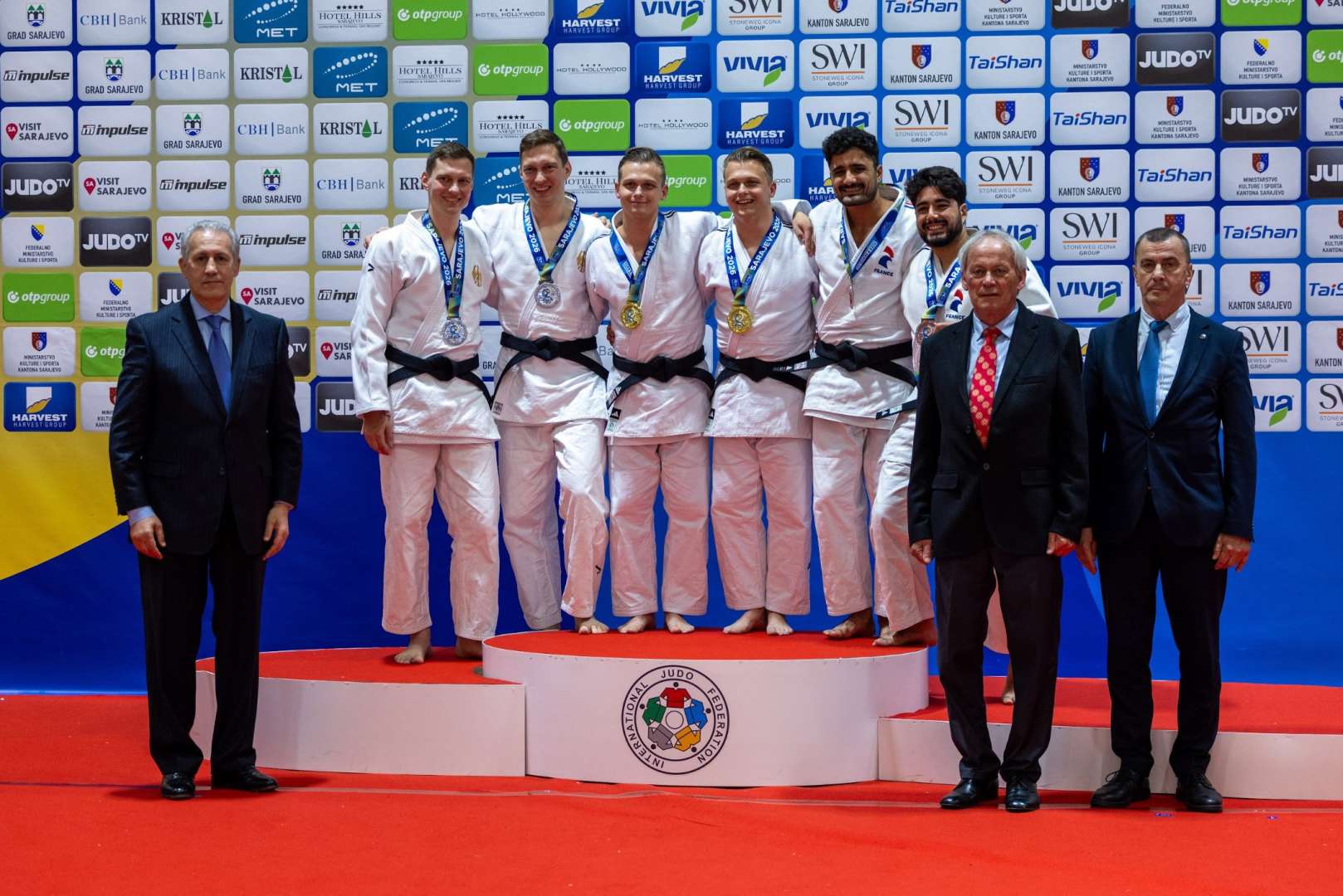
NAGE NO KATA — SENIORS - 25 paires
- VAN DER HULST, Maik / VAN DER HULST, Kevin (NED) - 401.51 points
- SCHMIDT, Immo / SCHMIDT, Hendrik (GER) - 401.5 points
- GHEGEDIBAN, Louis / GHEGEDIBAN, Paul (FRA) - 395 points
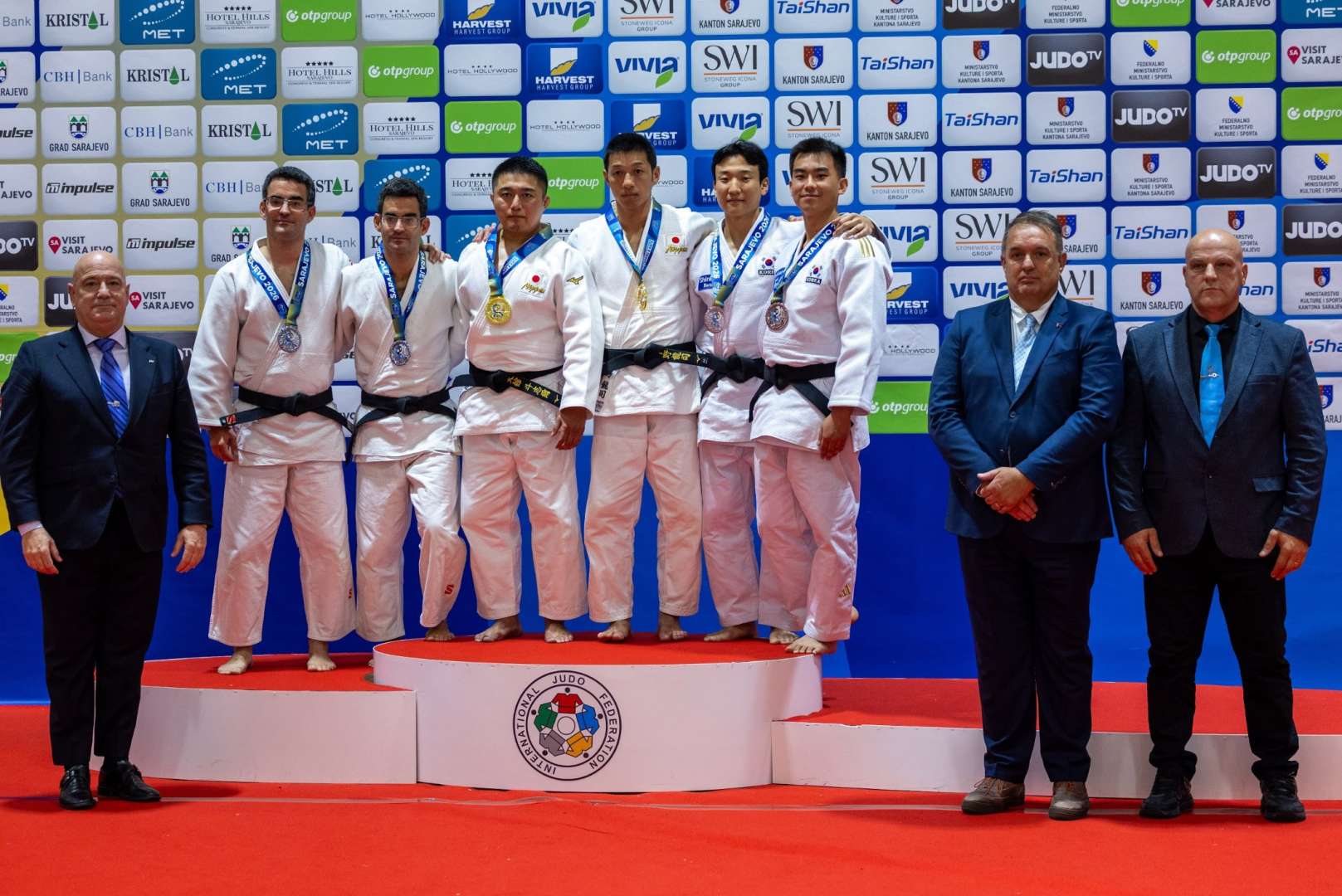
KATAME NO KATA — SENIORS - 25 paires
- KABATA, Ryuji / ODATE, Toshiji (JPN) - 405.5 points
- GILON, Nicolas / GILON, Jean Philippe (BEL) - 398 points
- CHOI, Seungho / KIM, Taehyeon (KOR) - 397.5 points
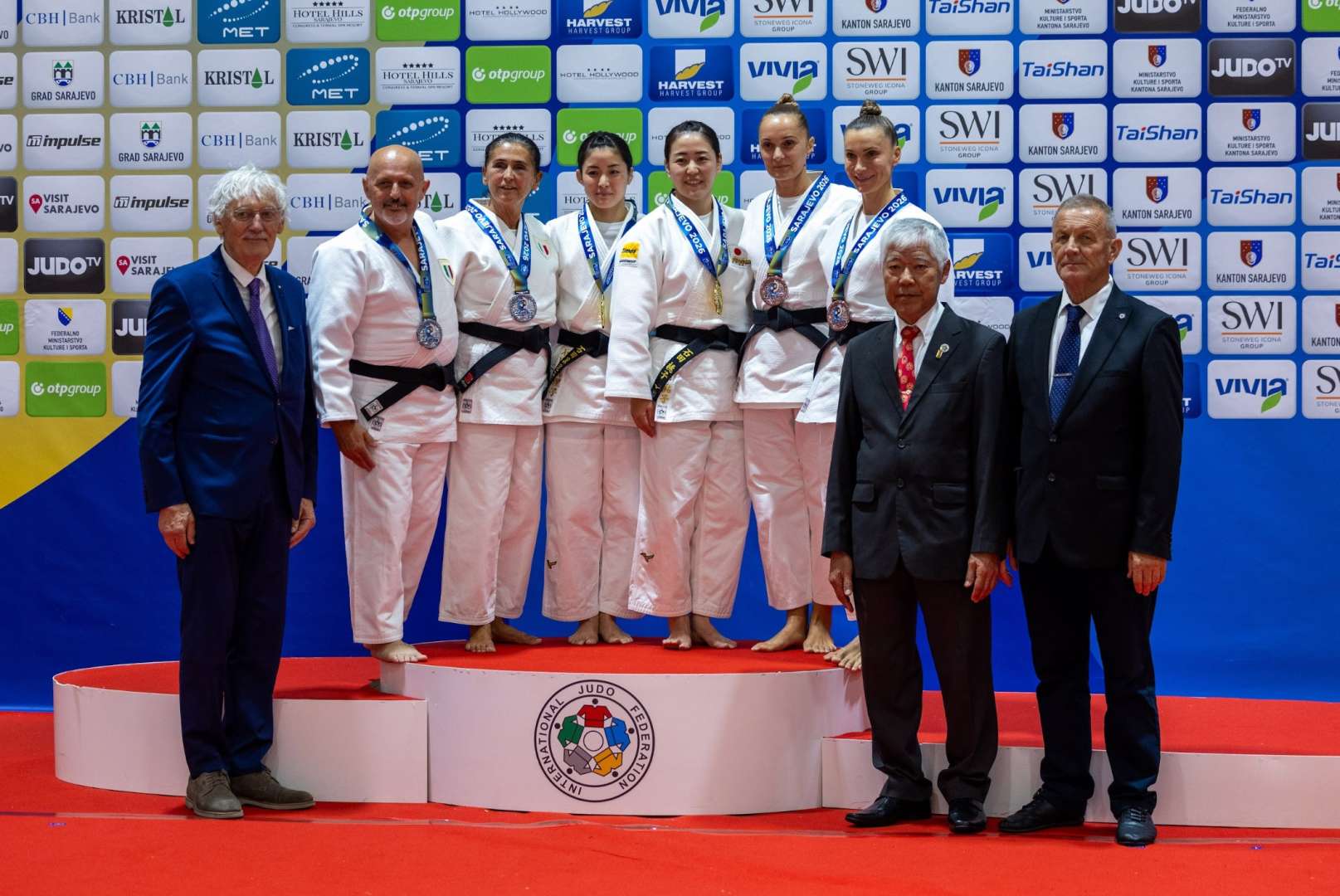
JU NO KATA — SENIORS - 26 paires
- ISHIDA, Momoko / ISHIDA, Mariko (JPN) - 400 points
- TARABELLI, Giovanni / TARABELLI, Angelica (ITA) - 390 points
- ZAHARIA, Alina / CHERU, Alina (ROU) - 388 points
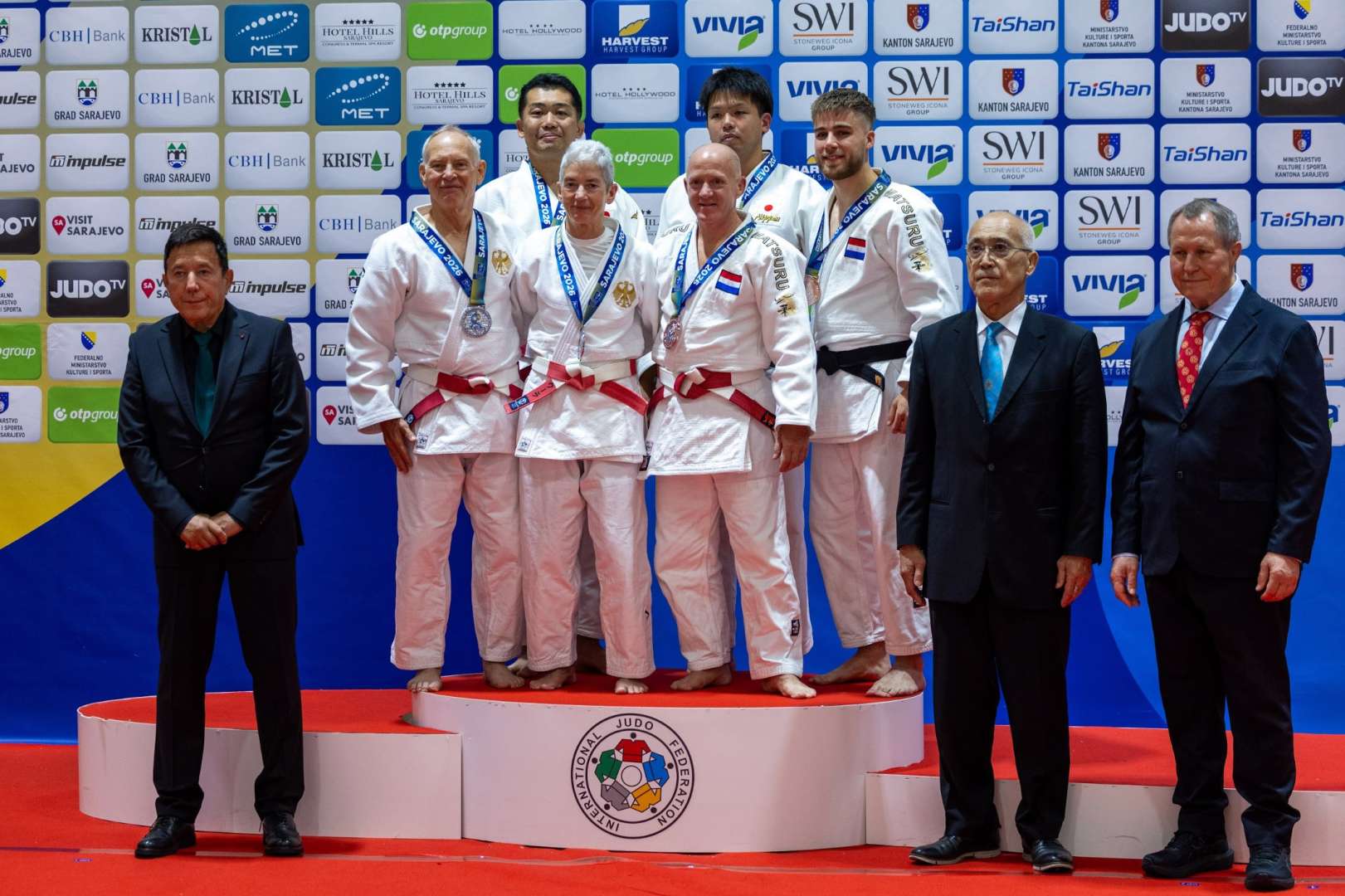
KOSHIKI NO KATA — SENIORS - 15 paires
- TETSUKA, Katsuhiko / TOKITA, Kensuke (JPN) - 559.5 points
- LOOSEN, Ursula / DAX ROMSWINKEL, Wolfgang (GER) - 521.5 points
- GOOSSENS, Peter / VAN ROOSENDAAL, Jelle (NED) - 510 points