Clarisse Agbegnenou: The Strength to Win, the Freedom to Be Human
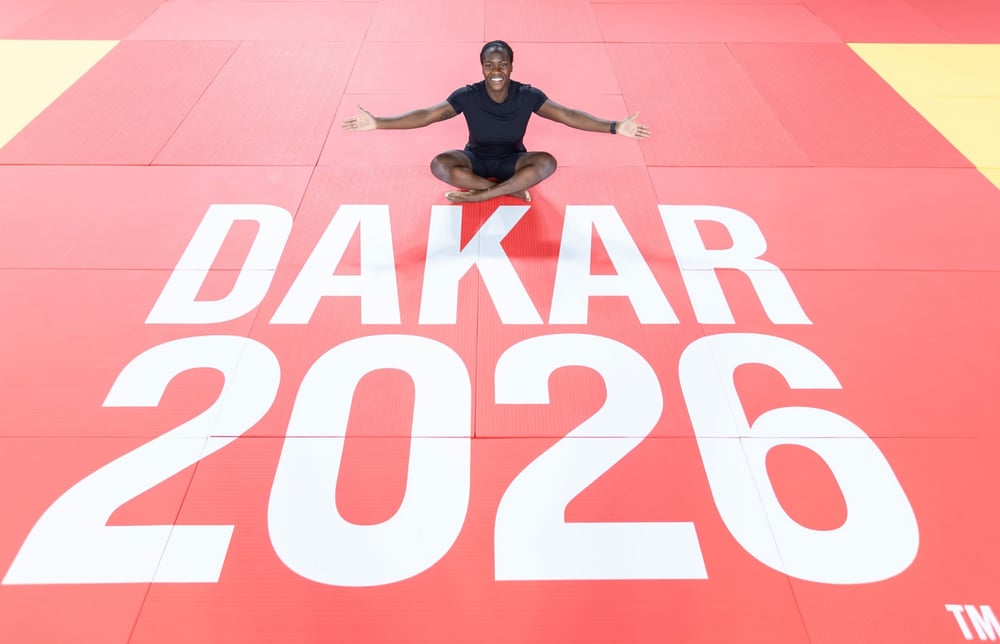
For Clarisse, who is attending the Dakar 2026 Youth Olympic Games as an Athlete Role Model, the question reached beyond training programmes and technical preparation. Her answer concerned the whole person.
“You have to think about your body and your mind and have people around you who can support you,” she explained. “Sometimes one part is neglected, either the physical or the mental side. You need both.”
Family, friends and coaches all have a place in that balance. Listening to these young athletes, Clarisse recognises ambitions she once held herself, along with questions she might not have known how to ask. Now she has the opportunity to offer something she would have valued at their age: an honest account of what a sporting life requires, what it can give and what a person must protect along the way.
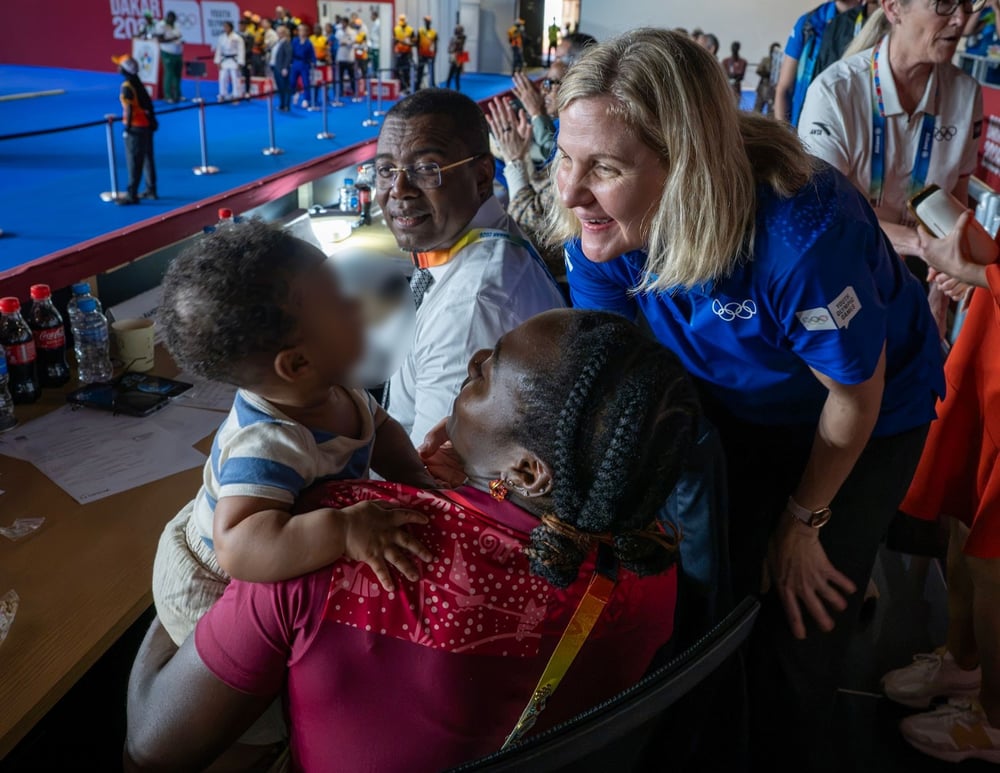
Being chosen for this role is a source of pride. There are many athletes whose experience could inspire the next generation and she is grateful to those who entrusted her with the responsibility. Yet the exchanges in Dakar have made it clear that the learning moves in both directions. “I am going back into my own youth. I was like them,” she said. “I would have liked someone to share these values with me. But they also bring me so much.”
For Clarisse, being an Athlete Role Model in Africa carries a personal significance. As a woman with African roots, she sees young athletes encountering possibilities that can sometimes appear distant when viewed through a screen. Here, those possibilities have faces, voices and a place on the tatami.
She has watched boys and girls from across the continent compete, challenge themselves and represent their countries. She has also seen the progress of judoka from nations with fewer resources, whose presence offers a broader picture of where the sport is growing.
Her message to young African women is direct, "Their ambitions belong here too.” She recognises that access to support and opportunities differs greatly between countries but wants them to be able to see themselves in her journey and imagine a future in which they, in turn, guide others. “I want to show young African girls that it is possible. You too can one day support young people.”
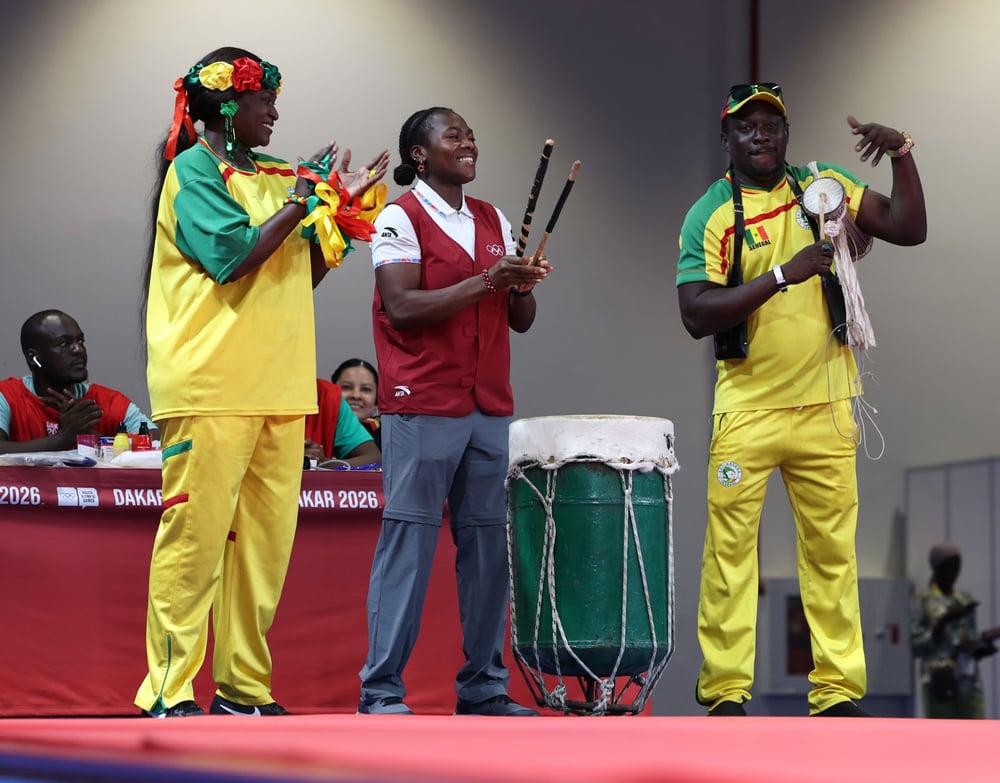
That is how she hopes transmission will grow: through people who take what they have received and make it available within their own communities, with role models emerging on every continent.
Experiencing the Games without the immediate pressure of competition has given Clarisse room to observe and enjoy them differently. She can be present for others, listen without watching the clock for her own warm-up and appreciate encounters that an athlete focused on a title might otherwise miss. For the young competitors, she wants Dakar to become an introduction to the full Olympic experience. There is the contest, certainly, but also the village, the opening ceremony and the friendships formed between people who might never otherwise meet. “You have to open yourself to others, mix with people and make friends around the world. That is the strength of the Olympic Games.”
Her own career has taught her how much can exist beyond a result: knowledge, travel, friendships and the discovery of other ways of living. These experiences can change the direction of a young person’s life, even when they do not return home with a medal. The public naturally remembers the podium. Clarisse wants the athletes to remember everything that helped them reach it and everything they can still gain when they fall short.
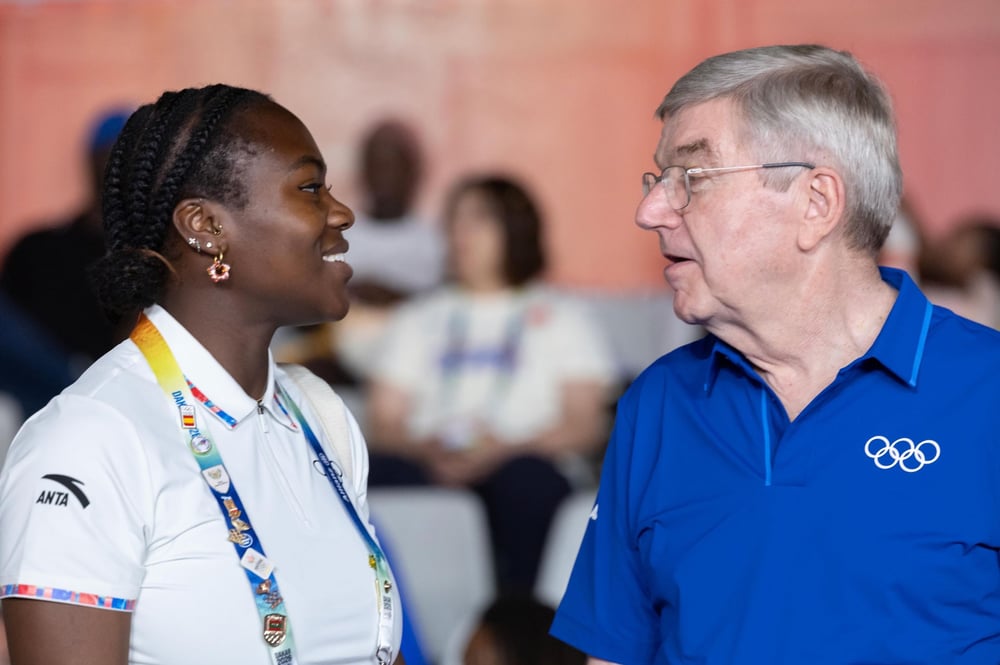
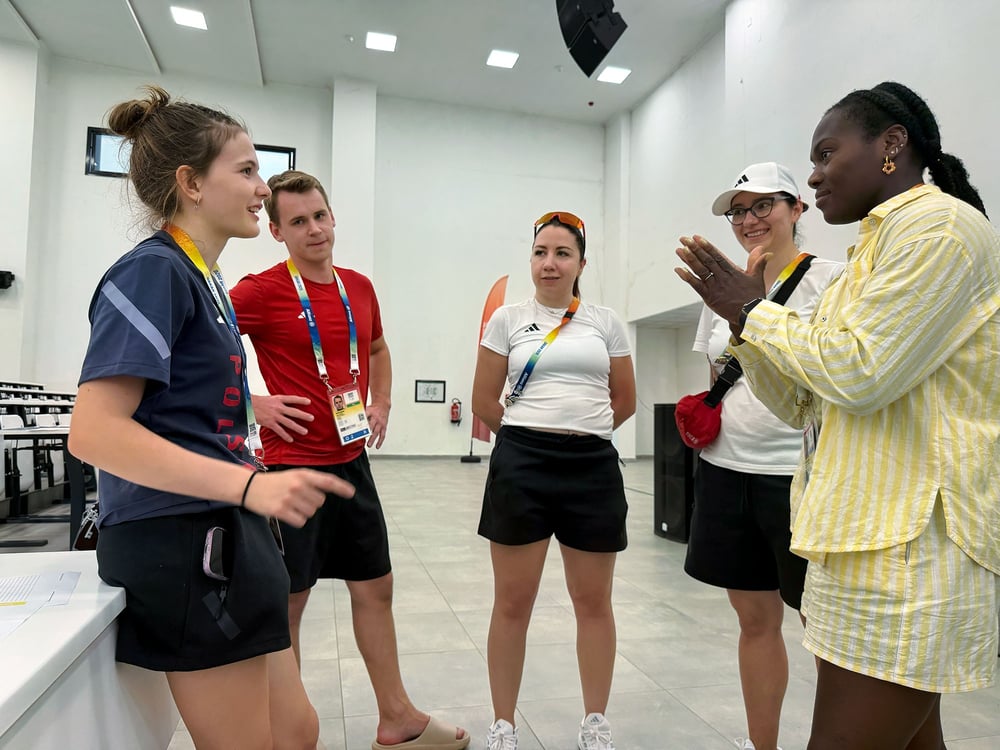
That responsibility becomes most tangible when the competition has gone badly. During her time in Dakar, Clarisse spoke with a young Polish judoka who had lost in the quarter-final and then in the repechage. The athlete was devastated. This was not the experience she had imagined and the emotional effort had left her exhausted. There was no phrase capable of making the disappointment disappear. Clarisse tried to help her find a way forward: allow time to accept the result, understand what the experience might teach her and, when she was ready, take part in the rest of the Games.
It was a conversation grounded in recognition. Clarisse knows those feelings. She has lived the moment when preparation, expectation and belief meet a defeat that is difficult to comprehend. “I would have liked someone to tell me that there would be obstacles,” she reflected. “This is not an easy sport. It is not possible to win all the time.” High-level sport demands choices, particularly during adolescence, when athletes are also trying to discover who they are. Clarisse believes that young people need space to live that part of their lives, especially mentally. The ambition to progress must be accompanied by care for the person carrying it.
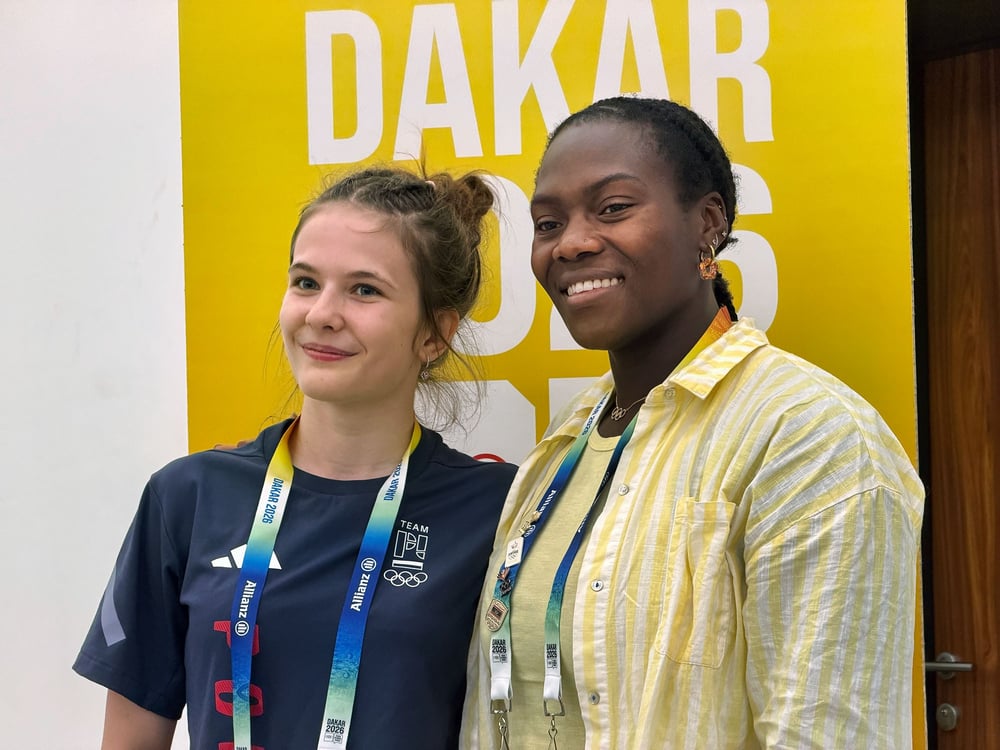
Even in failure, she insists, something valuable can remain: an understanding, a value or a new perspective. Recognising that does not remove the desire to win. It gives an athlete more than one reason to continue.
Clarisse speaks about these questions as an athlete still pursuing her own goals and as a woman whose life has changed profoundly. “My most beautiful medals are my children.” After Tokyo 2020 she had considered stopping. Becoming a mother helped her discover new reasons to remain. Her children now give her an extraordinary strength, while changing the way she organises her sporting life.
There is less time available for training. Sessions must be purposeful and concentration matters more than ever. She also needs quieter moments, recovery and an organisation that allows her to arrive ready to work. Her body has changed, and judo continues to evolve. She has to adapt and renew her approach. Far from finding that discouraging, she sees in it another challenge that keeps her engaged.
Clarisse’s experience also strengthens her conviction that women need more informed support. She wants greater access, in every country, to professionals who understand women’s bodies and the different circumstances that can affect their relationship with sport, including pregnancy, the postnatal period, endometriosis, menopause and illness. For her, this concerns both the ability to continue a career and the opportunity to practise sport with confidence. Too many athletes are lost during adolescence, she observes, and others leave when they become parents. Better understanding and appropriate support can help them retain their place.
Clarisse knows that success can create distance. The champion becomes an image of strength and the human being behind that image becomes harder to see. She wants to leave room for both.
Following her defeat at the Baku World Championships, people reminded her of what returning to that level already represented while raising two children and breastfeeding. That did not erase the sporting disappointment. It placed it within the wider reality of her life. “I have not always succeeded,” she said. “I am human.”
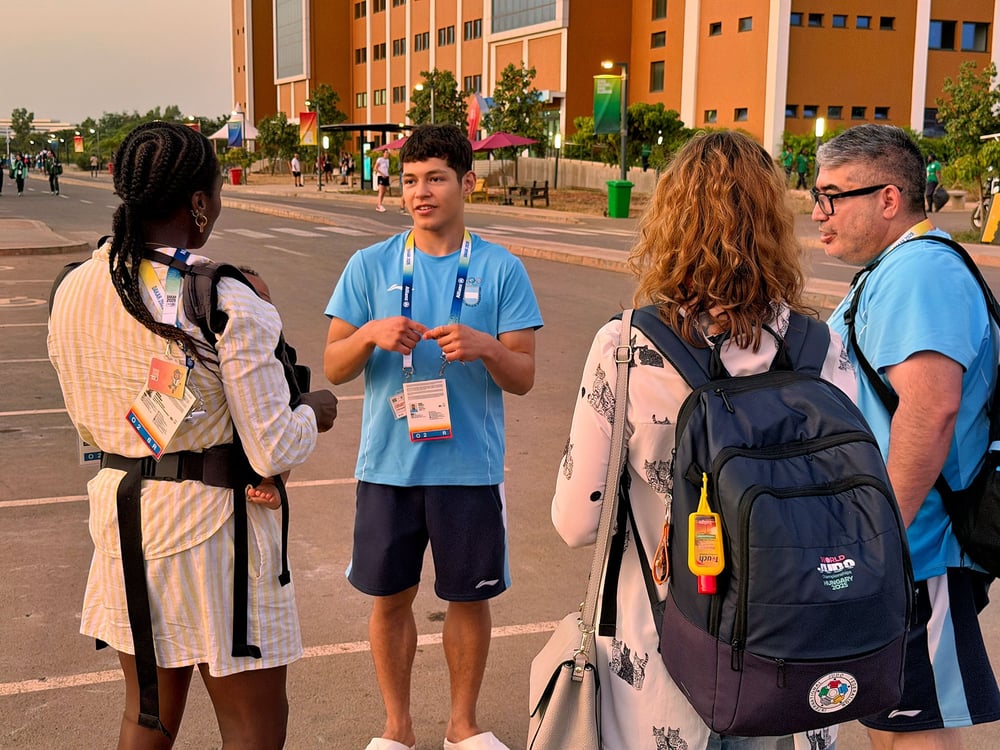
For women watching her, that honesty matters. They can recognise determination and exceptional achievement but also uncertainty, fatigue and outcomes that do not match the effort invested. Being a role model does not require hiding those experiences. Sharing them can make the example more accessible.
Watching the young judoka has also renewed Clarisse’s own desire to train. Their disappointments remind her of the work needed to progress; their commitment encourages her to look again at her own preparation. She had needed a pause, a chance to rest and begin a new cycle. Dakar has contributed to that reset. She returns to her ambitions with fresh experiences and ideas for the work ahead.
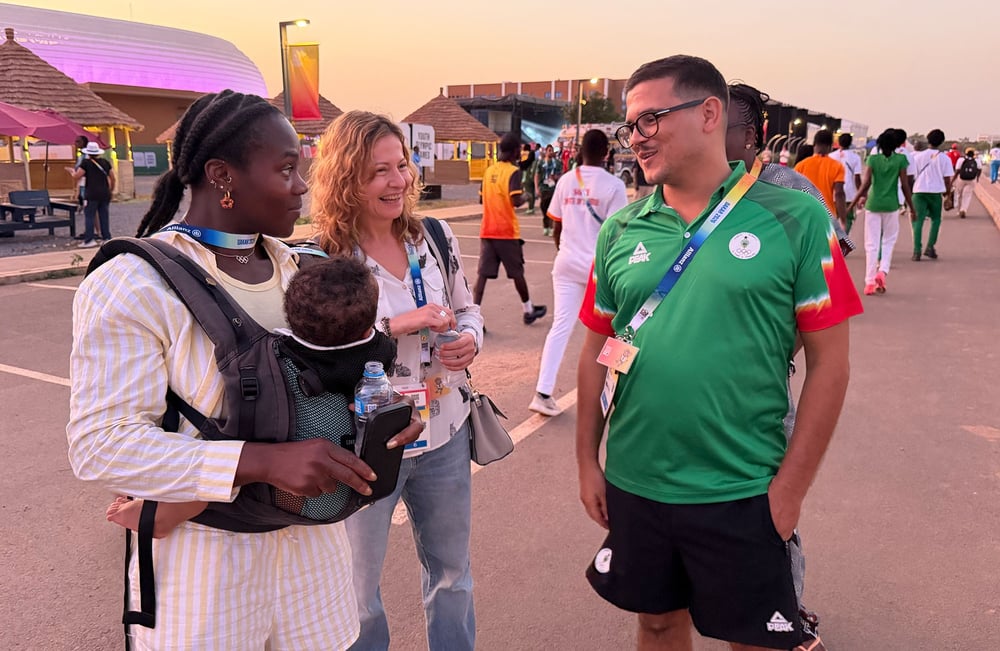
She will also take away a strong impression of Senegal’s welcome. The warmth of its people, their hospitality, food, dance and cultural generosity have become part of what these Games mean to her. She hopes the young athletes carry those memories home alongside their sporting experiences, ready to share them in their clubs and communities.
The first Olympic sporting event on African soil will remain part of their personal history. Clarisse wants them to understand that they are also responsible for what happens next: how they treat others, what they pass on and which doors they help open.
As for her own next chapter, she remains ready to contribute as a role model or ambassador, while pursuing the competitive ambition that still drives her towards Los Angeles 2028. “If you want to count on me again, I am ready.”
In Dakar, she has offered young athletes the experience of a champion willing to listen. They have given her encouragement to continue her own journey. That exchange may be one of the clearest expressions of what she came here to share.