
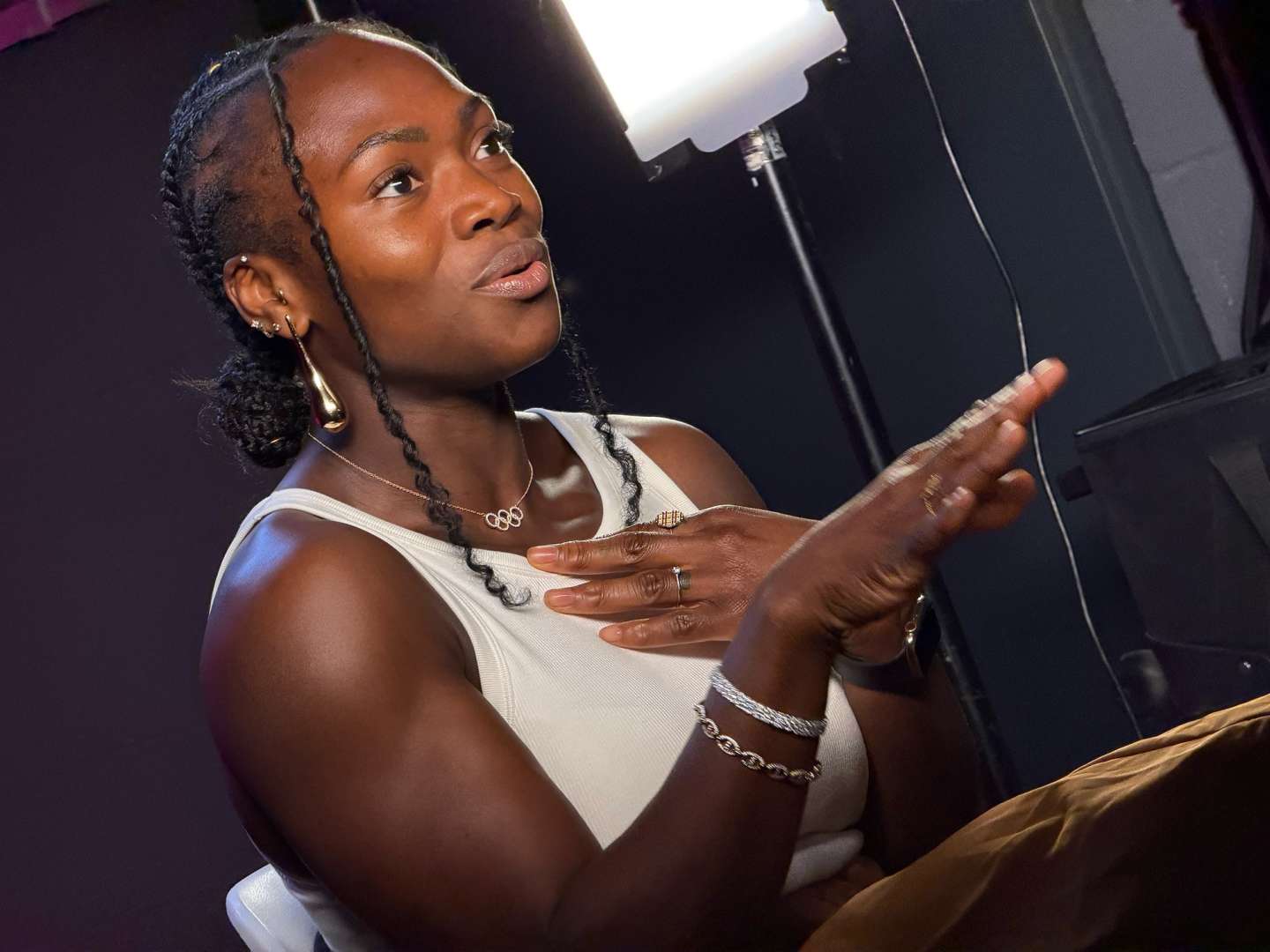
Her son Dakota was born on 11th March. Less than six months later, Agbegnenou was back on the tatami at the Ecole Mont-Olivet Lausanne Grand Slam, not to make up the numbers but to fight for gold. She left Switzerland with bronze, but five months after giving birth, this medal carried the weight of a much larger achievement.
“The day before giving birth, I was still training. One week after giving birth, I was back to training,” she explained. “A few weeks later, I was already at a camp in Japan for 17 days. It was a very hard camp but afterwards I felt really good.”
A few more weeks and several preparation camps later, Clarisse was once again stepping into the unique world of grand slam competition. “It was my first competition back and nothing replaces the adrenaline of competition. No training session, no test match can reproduce what you feel here. I can tell you that I really loved what I felt yesterday.”
Her bronze medal contest brought an emotion that went far beyond the result. Just weeks after Dakota’s birth, Clarisse lost her father. Lausanne therefore became her first competition without him.
“During the whole day, I managed to put everything aside but when the final gong sounded, everything suddenly came back,” she said. “I felt him close to me throughout the day. These past months were sometimes difficult because I was caught between the joy of Dakota’s birth and the sadness of losing my father.”
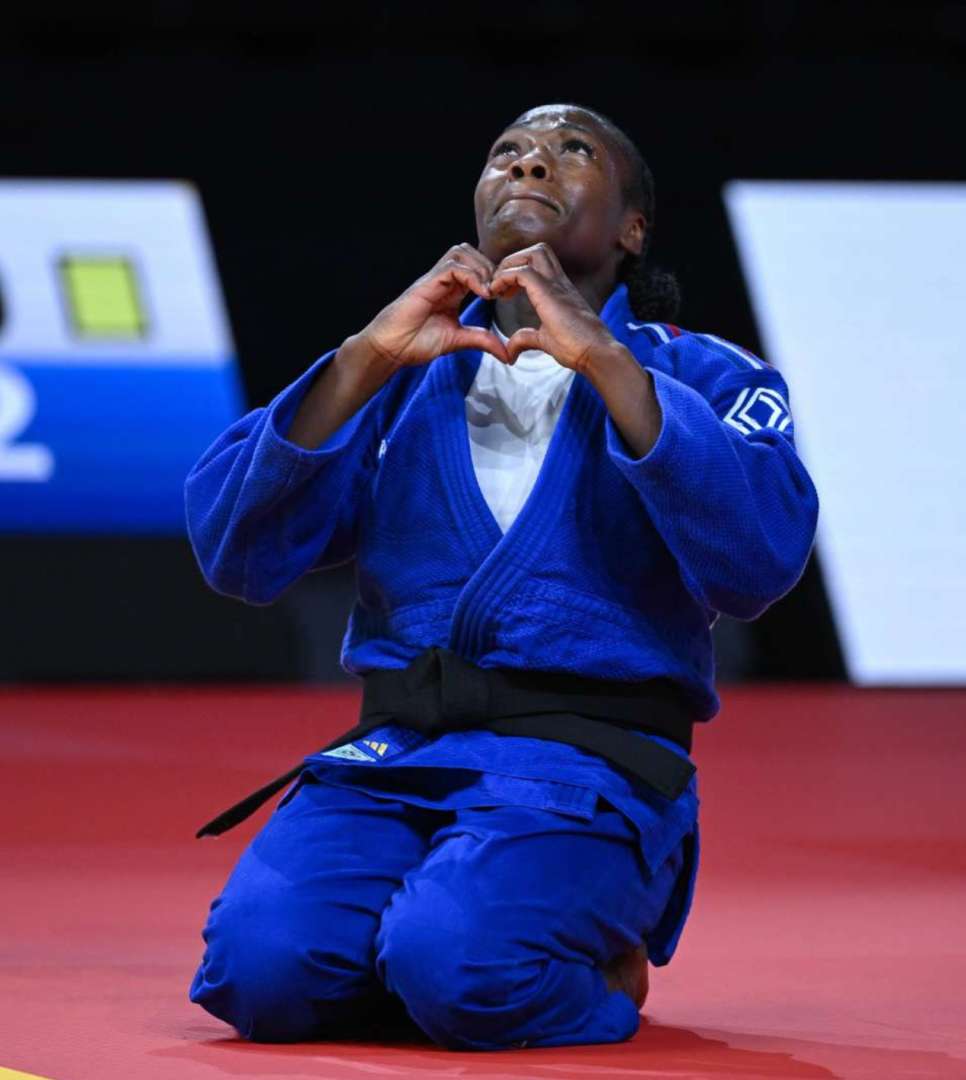
Before arriving in Lausanne, Agbegnenou knew that her preparation had been strong. She had felt it in training and in the camps but competition remained the only real answer. “All the indicators were green and I had good feelings. I went there to win but things do not always go according to plan. If I win the world championships and the Olympic Games in two years, I will not remember this bronze medal in the same way. But it remains magical, only five months after giving birth.”
She had already returned after becoming a mother once. This time, the challenge was different but the determination remained intact. “I think it is unique to come back twice after pregnancy. My objective remains the Los Angeles Olympic Games, but first I have to qualify. To qualify, you have to go through tournaments like this one. It is impossible otherwise. What happens after Los Angeles, we can talk about it later. I have ideas but I already have enough to think about.”
Motherhood has also given her a new perspective on winning, losing and education. “The best thing about being a mum is education, what you give them. Yesterday, I had to explain to my daughter what winning and losing meant. For her, I had won, but I had actually lost earlier in the day, when Manon Deketer was better placed with silver but had lost her final. It was a little confusing for her. Watching my children grow also makes me grow.”
Clarisse Agbegnenou already sees a wider purpose in the experience she is living. “I would like to help more athletes to be able to choose motherhood without it having too great an impact on their competitive career. It is a question of equality, equity and women’s rights. Being a mother is not an illness. It is a choice, of course, but it is not an illness. We need support.”
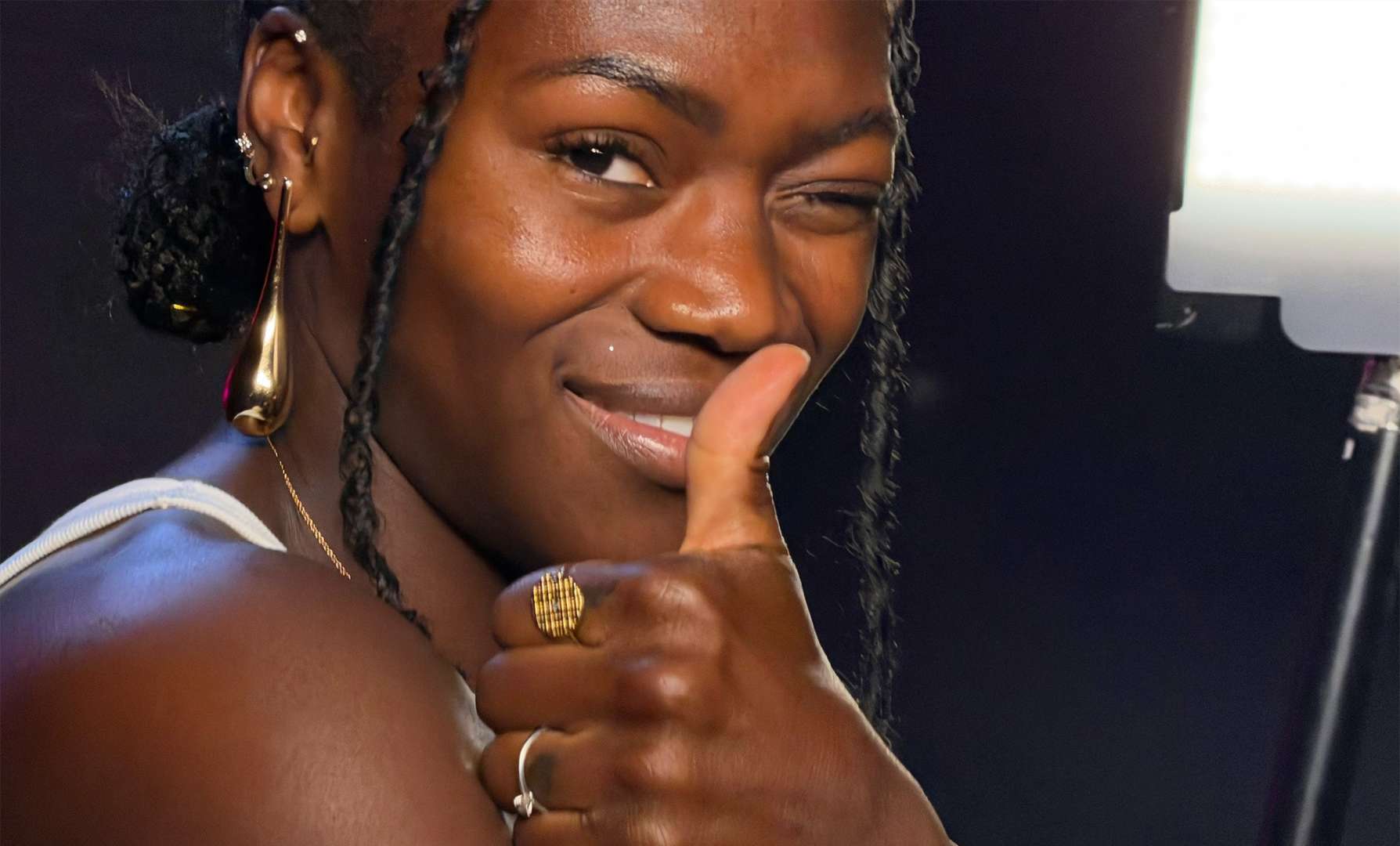
Baku awaits in October, with the World Championships and the possibility of a seventh world title. A few weeks later, Agbegnenou will travel to Dakar as an Athlete Role Model for the Youth Olympic Games. On the tatami, beside her children or in front of a new generation, she continues to move forward with the same force, that of a champion who has learned that life’s greatest victories are never measured by medals alone.