

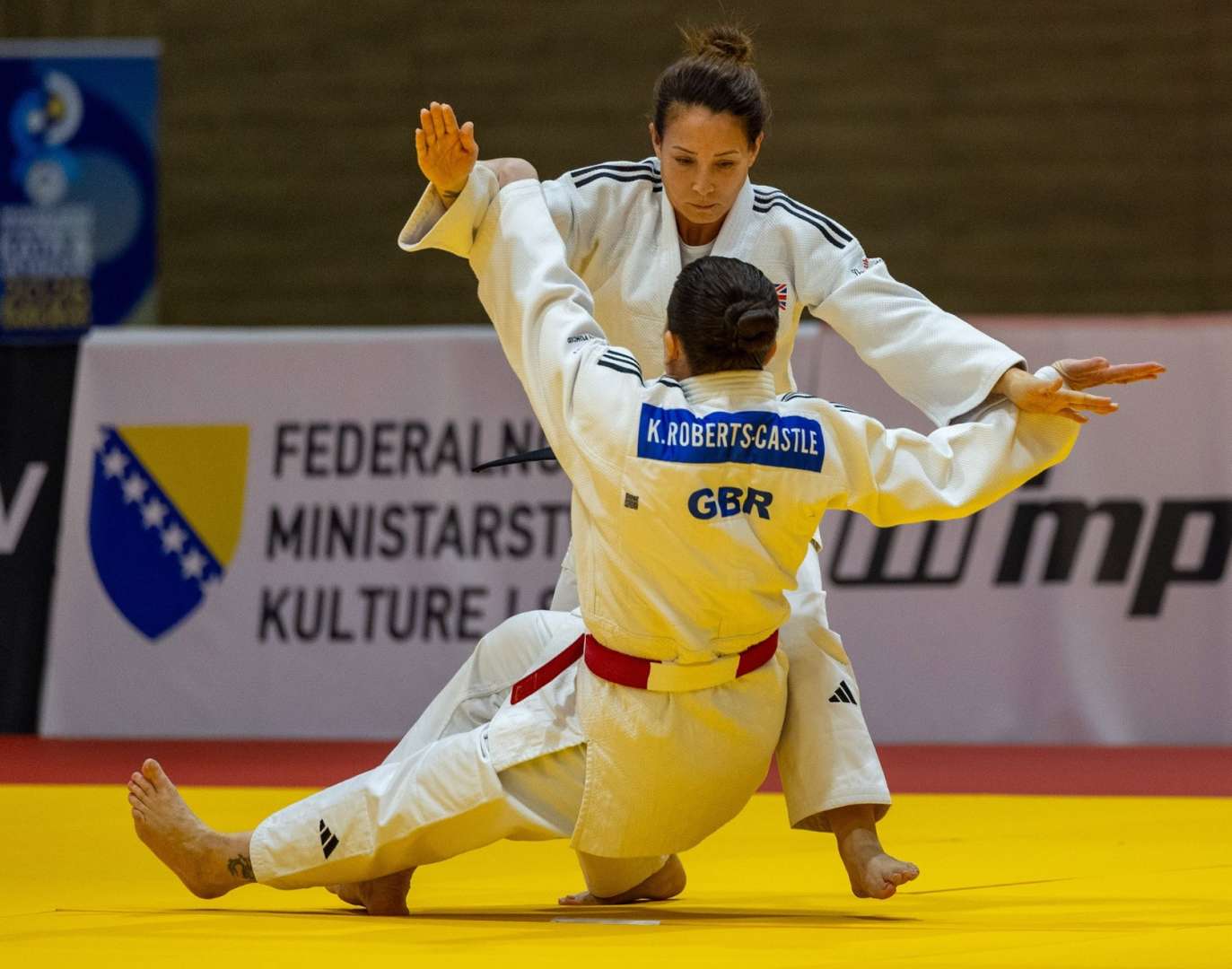
It presents neither a sequence of throws nor a repertoire of self-defence techniques. Instead, it seeks to express, at a higher level, the principles of attack and defence in judo. It takes the discipline into a more philosophical dimension, reminding us that judo is more than a sport.
Itsutsu-no-kata consists of five sequences of movement, often referred to simply as the five forms. Unlike those of the other kata, these movements have no specific names.
Itsutsu-no-kata draws on the heritage of Tenjin Shinyo-ryu jujutsu, another school fundamental to Jigoro Kano Shihan’s foundations. He did not preserve it as a museum piece though. He integrated it into judo to give physical expression to principles of movement, the relationship between forces and imbalance.
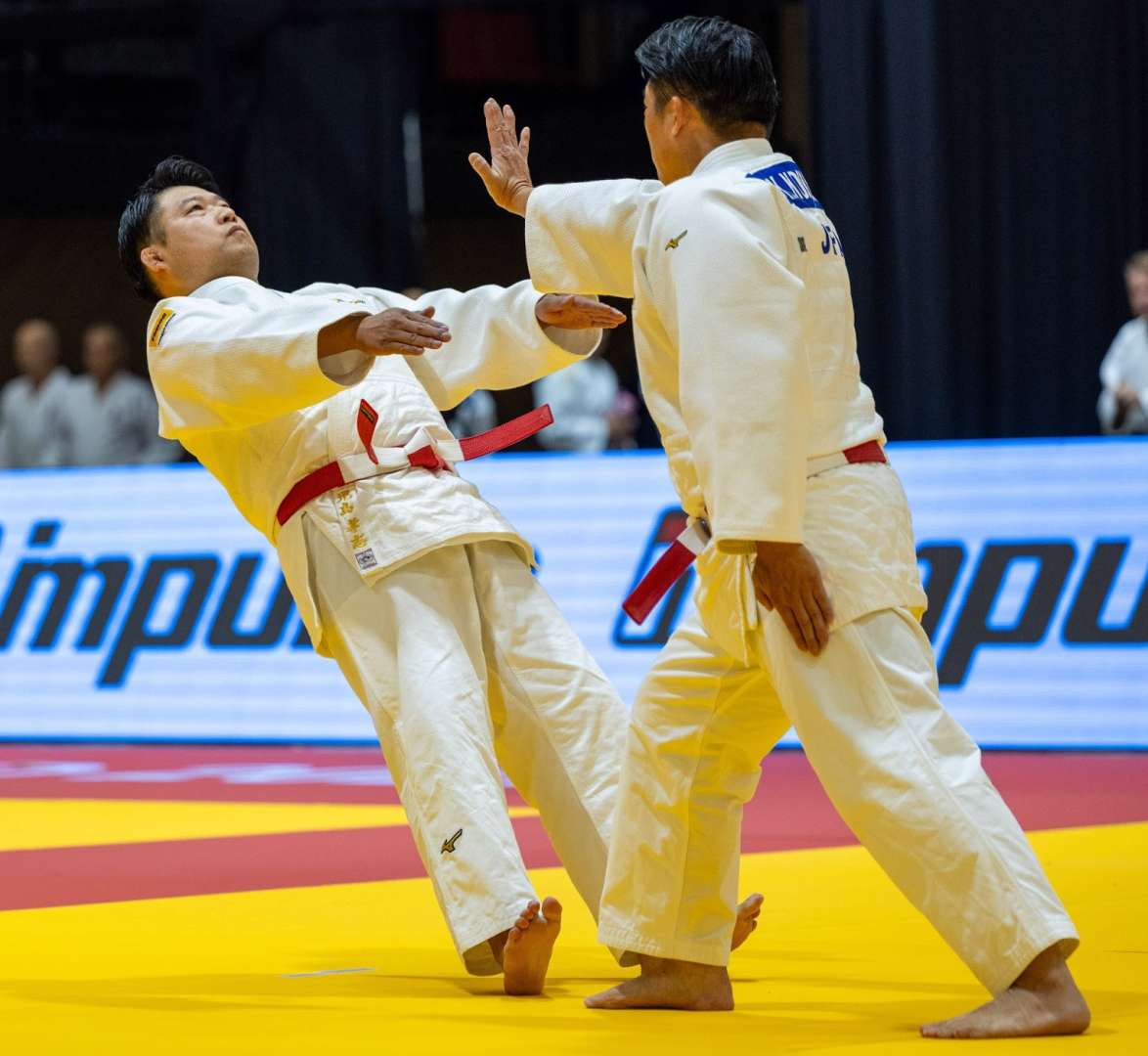
It is often described as a kata of the forces of nature. This can be a useful image for the wider public, provided that no definitive meaning is assigned to each of the five forms. They may evoke a linear force, a circular action, waves of movement or forces that meet and transform one another. The essential point lies elsewhere: understanding how a force arises, travels, is received, directed or absorbed.
This is why Itsutsu-no-kata is particularly demanding. Its difficulty does not come from the number of techniques, since there are only five, but from the quality of intention, posture, distance, rhythm and the relationship between tori and uke. Every unnecessary movement becomes visible because it contributes neither to the harmony of the kata nor to the principles of judo, Jita Kyoei and Seiryoku Zenyo.
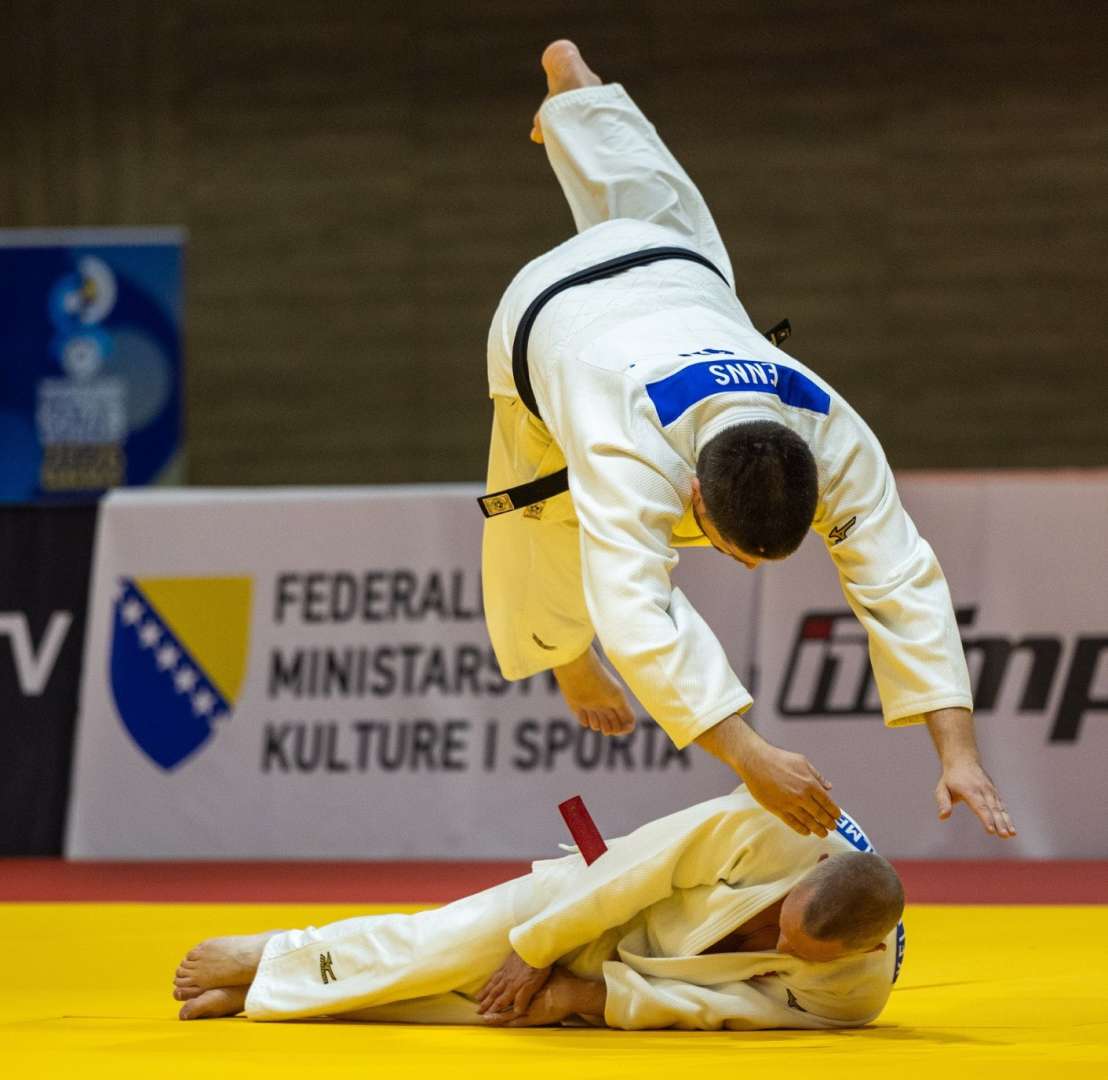
Itsutsu-no-kata can therefore be understood as a kata of research. It invites the judoka to move beyond the sole logic of technical execution and to consider movement in its purest form: balance, energy, continuity and adaptation. It is a symbolic kata, expressing fundamental principles of movement, balance and natural forces.
Itsutsu-no-kata does not show a technique to be applied. It reveals the laws of movement that every judo technique must understand.