
Every martial art has its own forms and, consequently, there is no single symbolism shared by all of them. There are, however, common elements that distinguish kata from other forms of practice. First of all, kata is a Japanese word meaning ‘form.’ Depending on the discipline, it may refer to a sequence performed by two partners, as in judo, or to an individual form, as in karate. In other countries and traditions, different terms are used: taolu in China, poomsae in Korean taekwondo, quyền in Vietnam. In judo, we speak of kata.
Above all, a kata, and even more so a body of kata, is a form of memory. Before books, mass teaching and today videos and social media, kata enabled technical knowledge to be passed from one generation to the next. The modes of transmission have evolved but the essence remains the same. Kata does not simply transmit a movement. It also conveys distance, rhythm, intention, a way of responding and, above all, a principle. In this sense, kata is a kind of grammar of combat in which nothing is left to chance. The attack, the response, the movement, the gaze, the breathing and, of course, the ceremonial framework surrounding the kata are all defined. Nothing is invented or improvised. Improvisation comes later. Jigoro Kano Shihan compared kata and randori with grammar and composition: once the syntax has been learned, it can be expressed freely in randori.
Judo kata also expresses a transformation. Japanese martial arts gradually moved from jutsu, the technique of combat, towards do, the way: a path of education and personal development. Kata thus becomes a means of unifying body, technique and mind, while cultivating discipline, self-control and respect for the other person, in this case one’s partner in practice and demonstration.
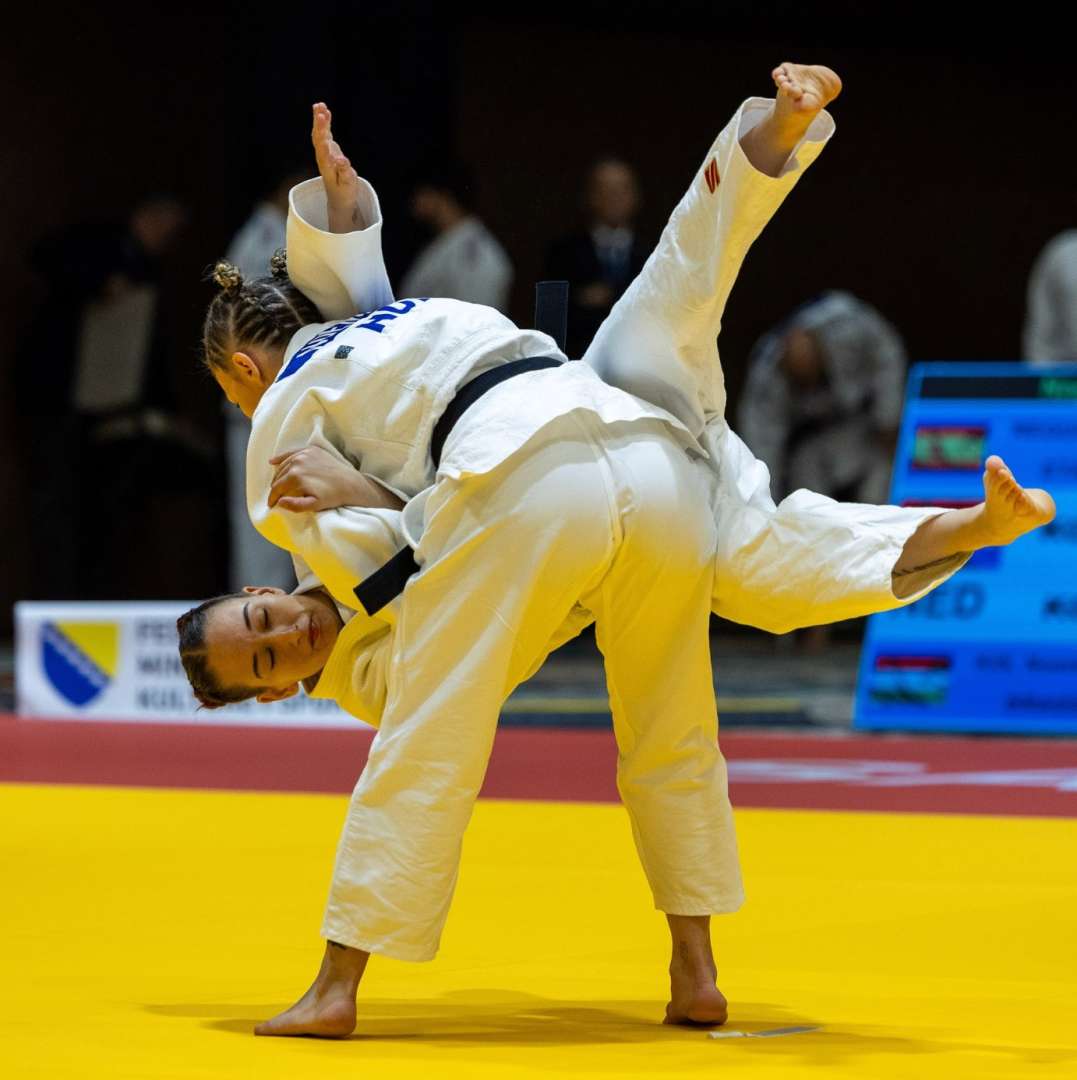
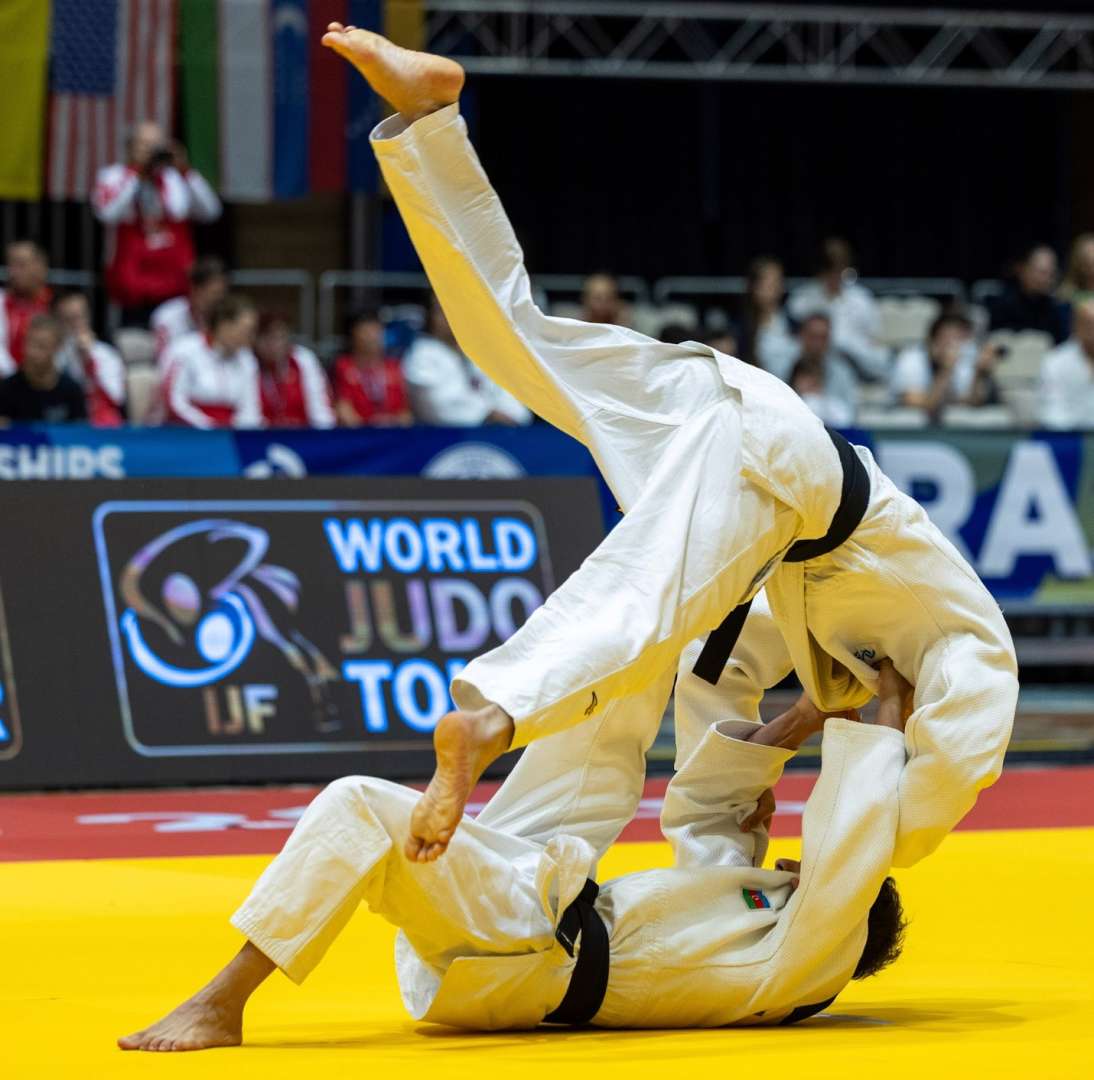
In paired kata, as practised in judo, the relationship between the two practitioners is paramount. In accordance with the principle of jita kyoei, mutual welfare and benefit, one cannot progress without the other. Strength is not released in a raw or uncontrolled manner. It is controlled, made intelligible and placed in the service of an action that is both effective and just.
We can therefore say that, in all martial arts and in judo in particular, kata is memory in motion. It transmits techniques, naturally, but through action it also transforms the practitioner. The judoka learns to observe before acting, to master their body and movements before seeking to control another person, and to turn force into the precision of a watchmaker. In the Japanese tradition, and through the seven katas demonstrated at these world championships (Nage-no-kata, Katame-no-kata, Ju-no-kata, Koshiki-no-kata, Kime-no-kata, Kodokan Goshin-jutsu and Itsutsu-no-kata) the practitioner moves from jutsu, technique, towards do, the way.
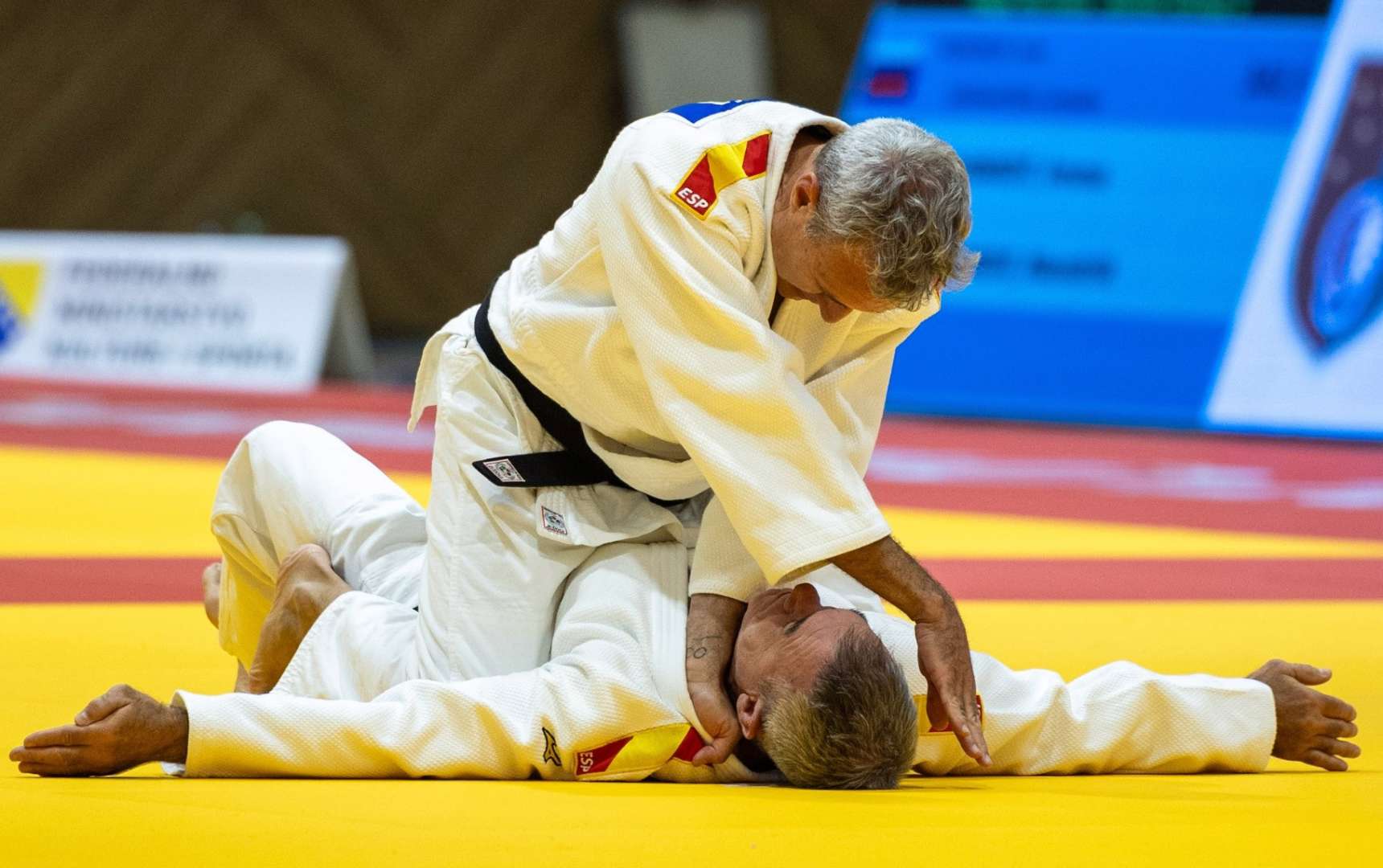
Kata does not tell us how to fight. It is neither a simulation of combat nor a fixed choreography. It is a laboratory. Here, two partners study, in a precise order, the principles that make an action effective and just, in safety and with respect for one another. Kata reminds us why we train: to make the movement more accurate, the gaze more attentive and strength more responsible.
Contrary to a common misconception, kata is not solely turned towards the past. It preserves the history of judo but it is also a living tool for learning. It forms part of the four methods of studying judo envisaged by Kano: kata, randori, kogi (theoretical instruction) and mondo (questioning and discussion).
Together, the seven kata, now presented at the highest international level, cover the full spectrum of judo, from throwing to self-defence, from ancient heritage to reflection on movement in its purest form.