
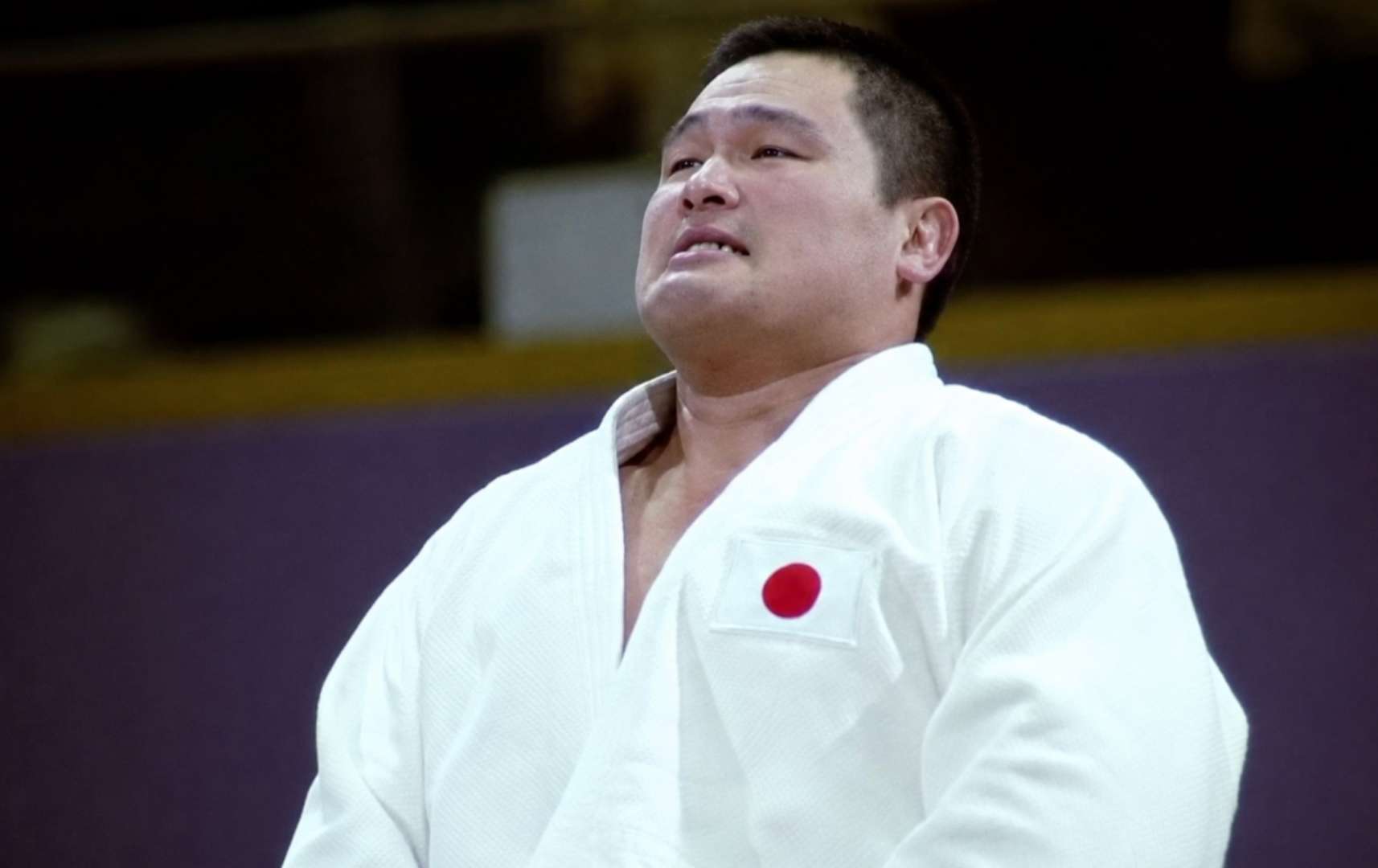
Throughout his life, Yamashita has faced challenges. The most profound came three years ago, when a serious accident caused a spinal cord injury and left him using a wheelchair. Yet the champion’s determination has not diminished. If anything, it has found a new purpose.
During the opening ceremony of the Ecole Mont-Olivet Lausanne Grand Slam, Yamashita addressed the audience and officials gathered at the Vaudoise Arena through a video message of remarkable honesty, emotion and resolve. His words went far beyond sport. They invited everyone to reflect on the meaning of life and on the power of values learned on the tatami from the earliest age.
“Three years ago, I suffered a spinal cord injury in an accident, and I now live using a wheelchair,” he said. “Through this experience, I have come to feel strongly that there is always meaning in being alive and everything happens for a reason.”
The first Ecole Mont-Olivet Lausanne Grand Slam provided the perfect setting for this message. Alongside the World Judo Tour competition, adapted judo and deaf judo athletes competed in the same arena, on the same stage and before the same audience. For Yamashita, this was a vivid expression of what judo should be.
“I offer my heartfelt congratulations for the first-ever Mont-Olivet Inclusive Grand Slam in Lausanne,” he said. “This event truly embodies the philosophy of judo: judo for all.” His personal experience has given fresh urgency to his mission. “Building a society where people with disabilities are accepted and supported, this is my life mission going forward,” he declared.
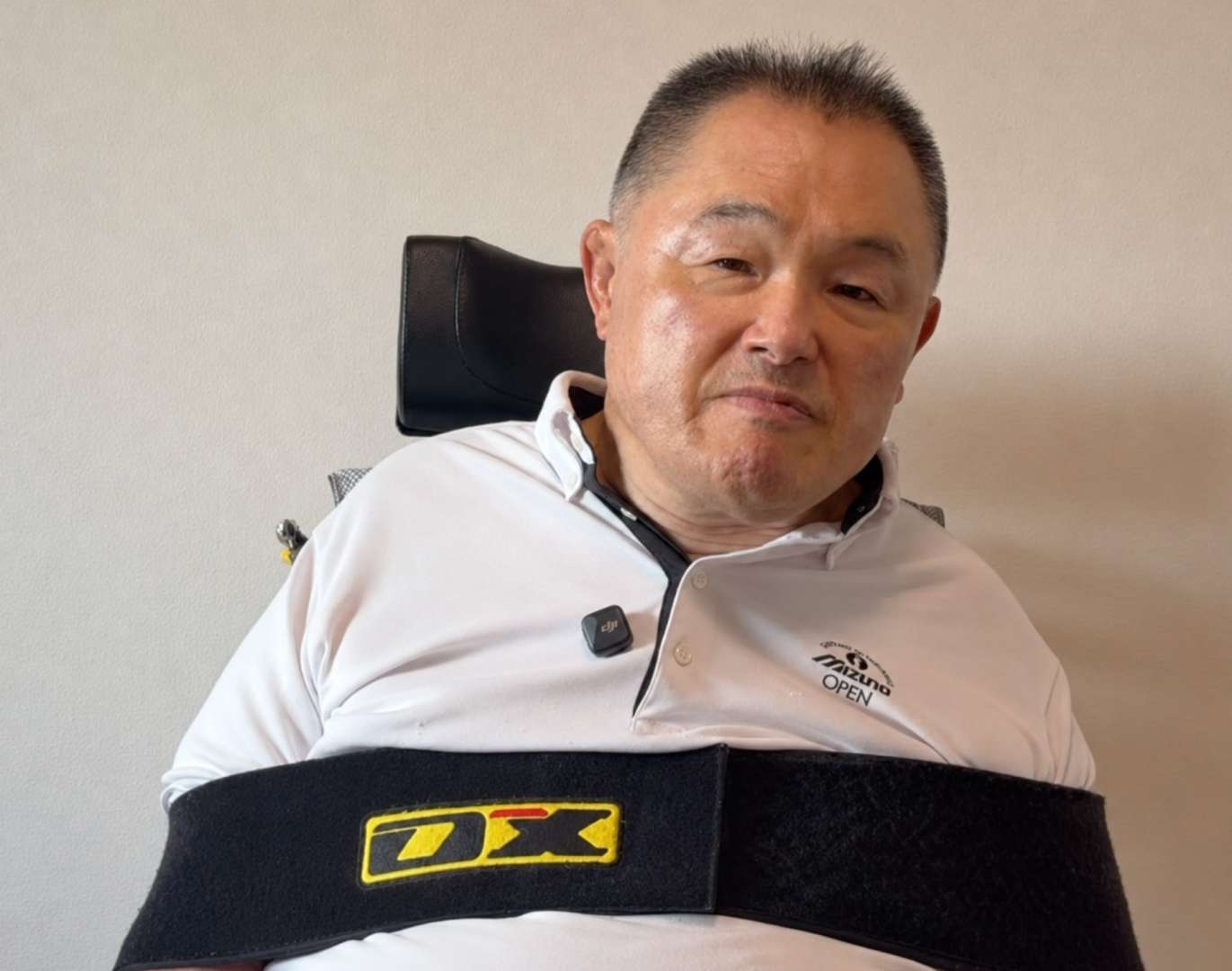
The words carried particular weight because they came from a man who has always understood judo as far more than a contest between two athletes. “Judo is not just a sport to determine winning and losing,” Yamashita explained. “Respecting your opponent and growing together through mutual improvement, that is the true spirit of judo.”
At the heart of his message stood Jita Kyoei, mutual welfare and benefit, one of Jigoro Kano Shihan’s founding principles. “It is not something confined to the tatami,” Yamashita reminded the judo family, “It has the power to connect people across borders and bring peace to the world.”
He also addressed the athletes directly, paying tribute to their fighting spirit, courtesy and determination. “You give courage and hope to people worldwide, you give everything on the tatami and challenge your own goals and dreams. Through the spirit of judo, let us build a better world together.”
It was a message that moved the Vaudoise Arena not because it came from a champion speaking about the past but because it came from a man still fighting for the future.