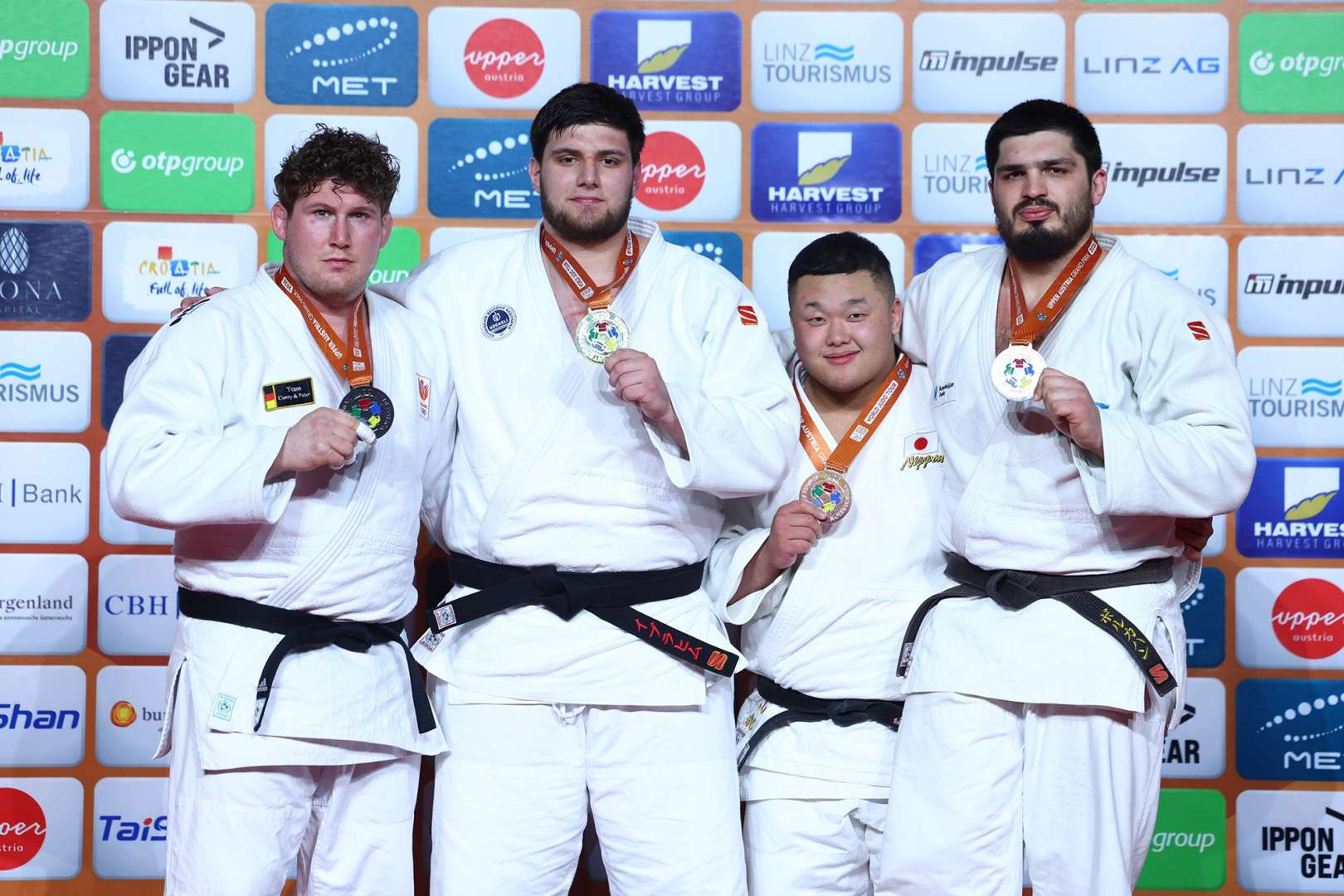

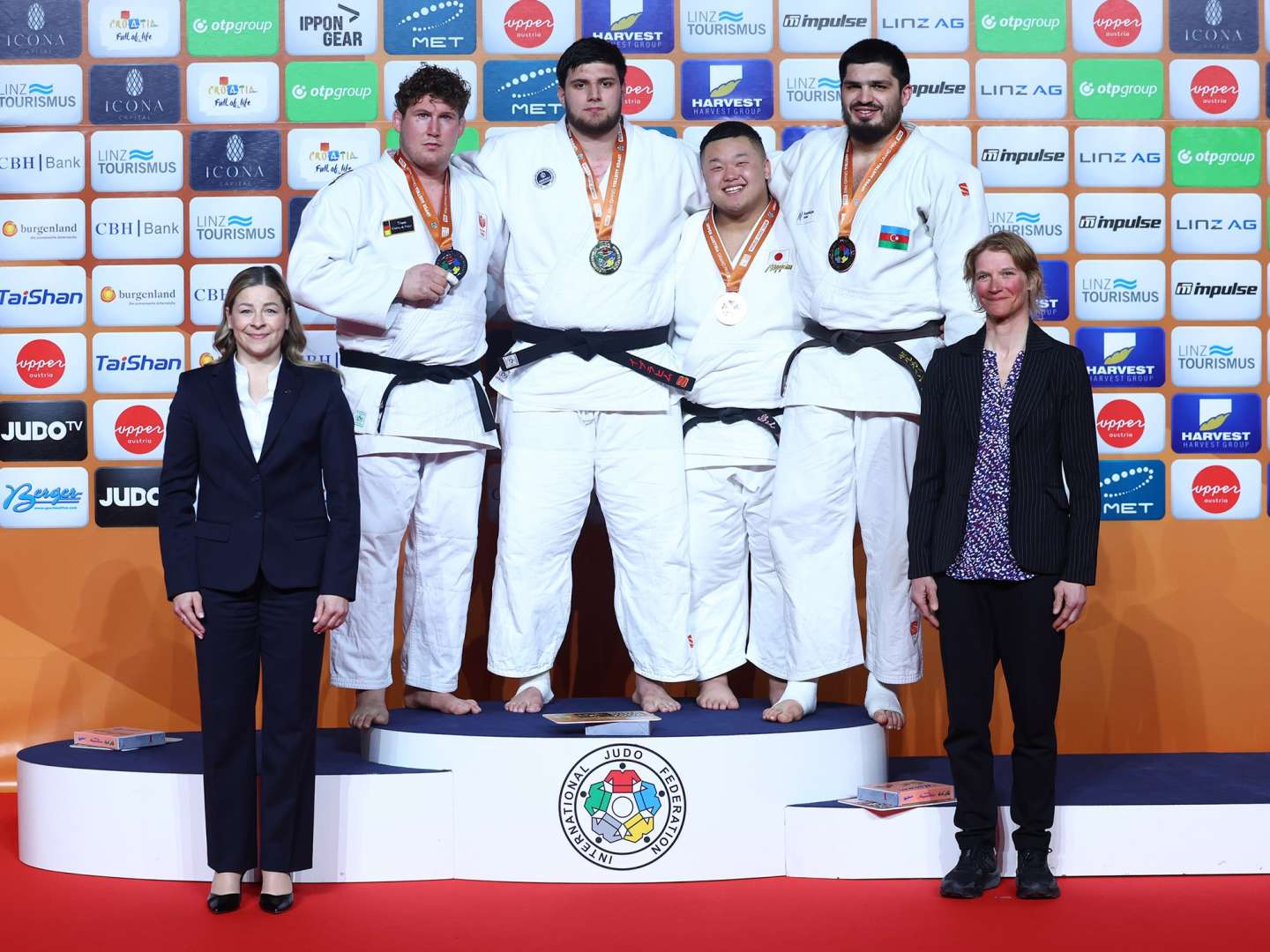
It was Ibrahim Tataroglu (TUR) who had eliminated the Georgian champion and he certainly capitalised, moving through the draw all the way to the final. There he met Jur Spijkers (NED), more decorated than the 20-year-old Turkish judoka.
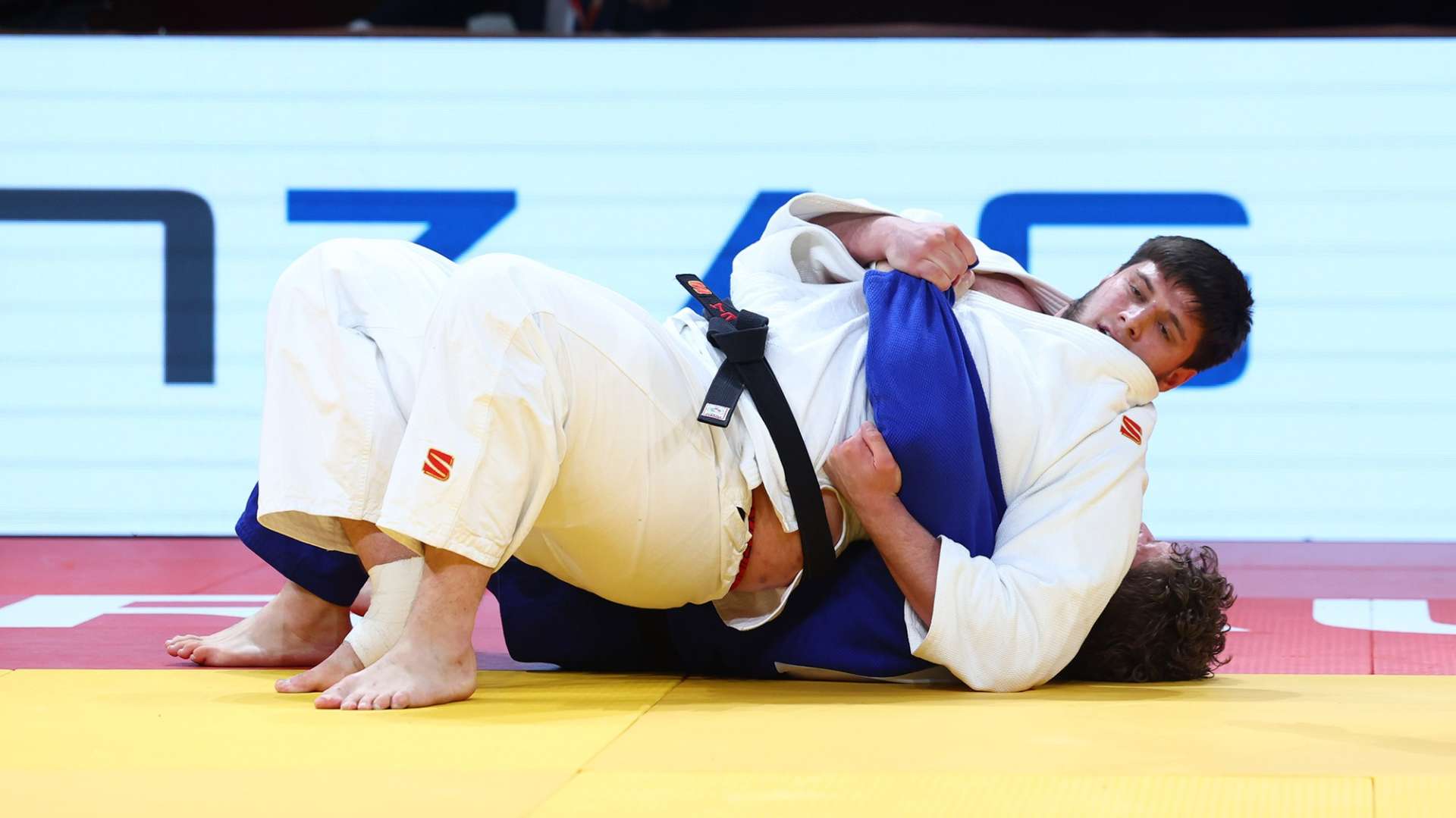
All previous medals aside, Tataroglu found his rhythm and confidence, attacking with power and commitment. Spijkers had avoided all pitfalls for the first three minutes but Tataroglu just kept coming and surged forward with a makikomi that left no doubt in anyone’s mind. It was an ippon throw for a first World Judo Tour gold and after starting his day in the most spectacular way, Tataroglu had finished it just as emphatically.
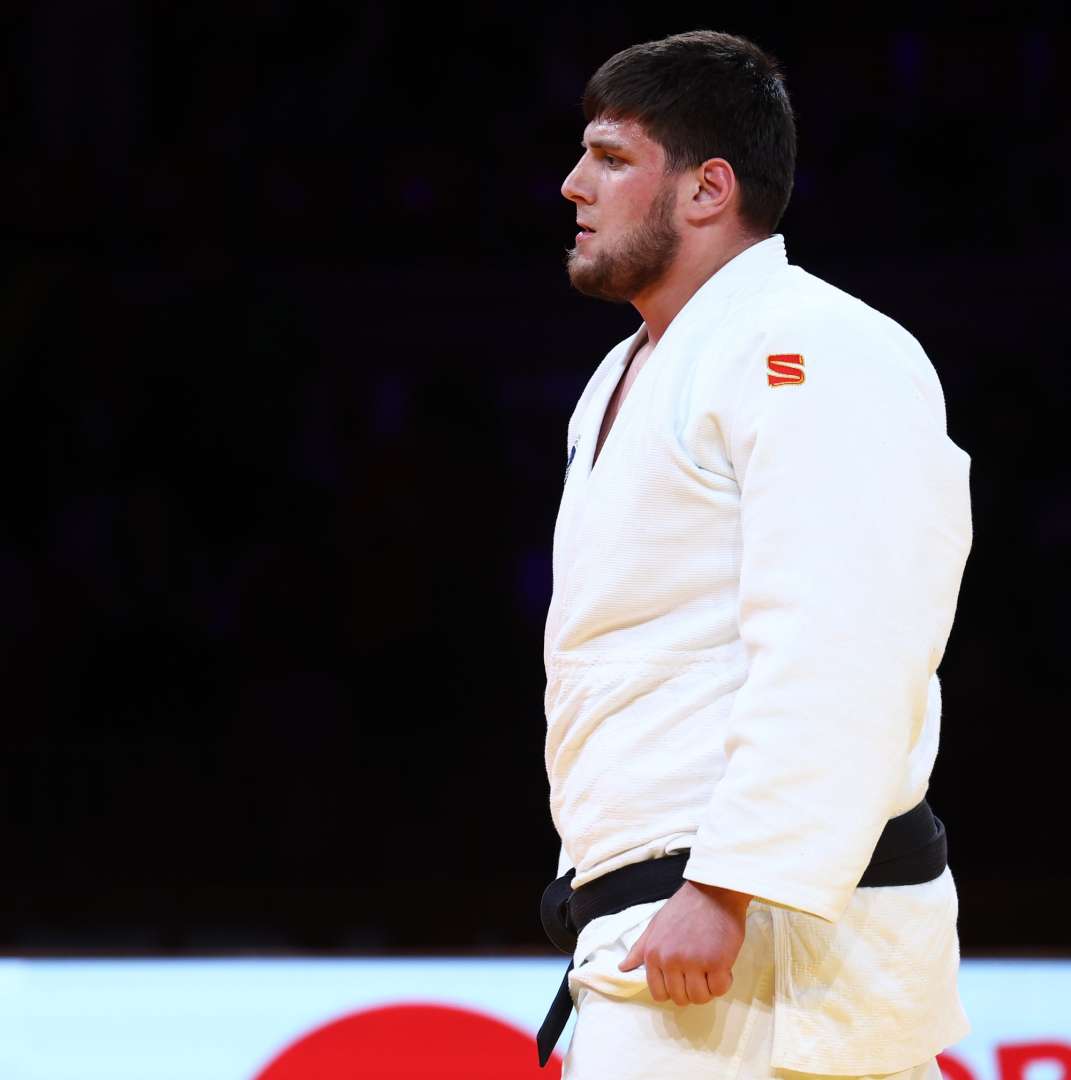
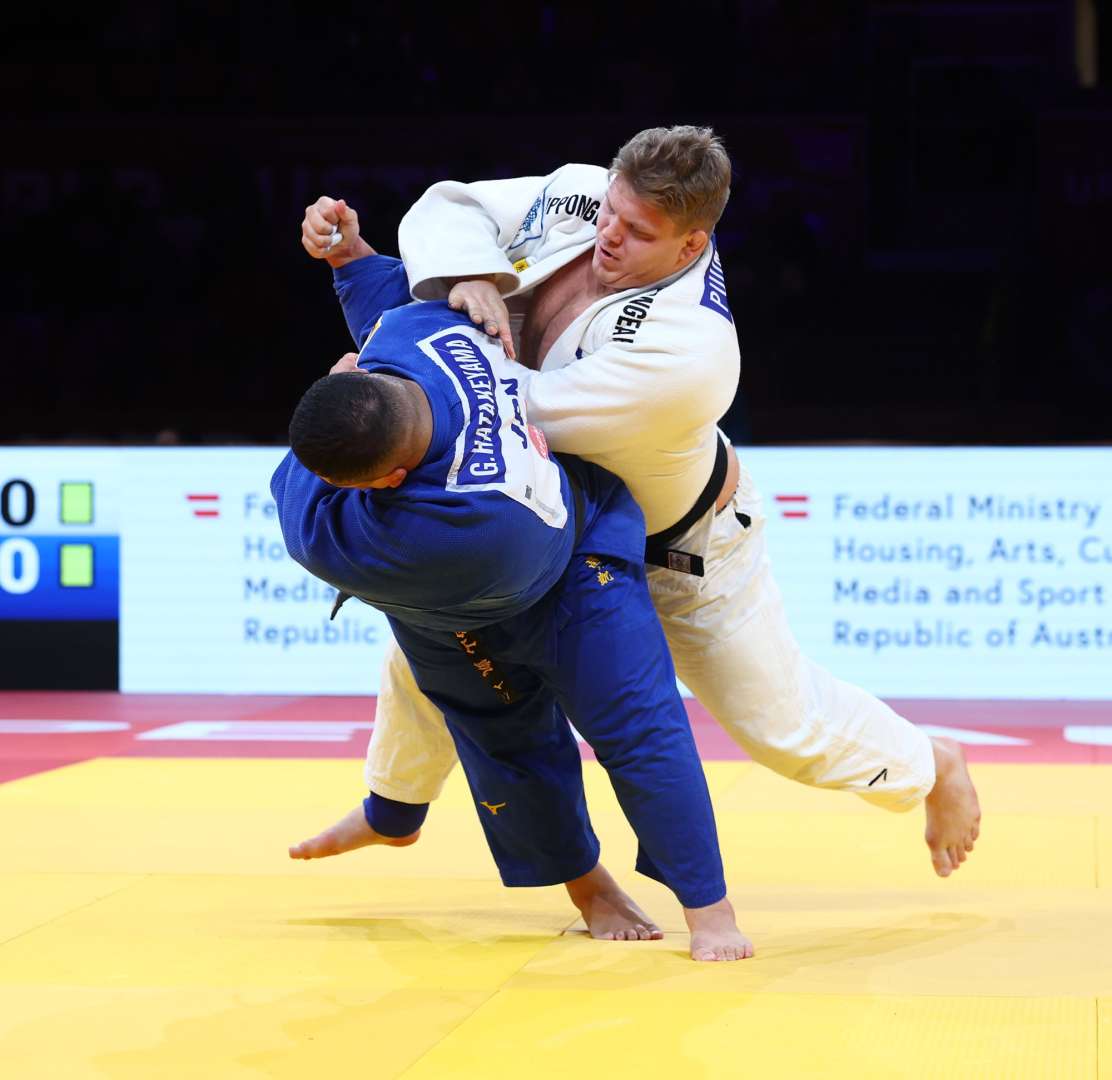
In the first bronze medal contest a largely unknown Japanese competitor stepped foreward to face one of the big names of the group, Martti Puumaleinen. Puumaleinen has a World Judo Masters gold, a European gold and exploits his never-give-up attitude to its maximum level.
Gai Hatakeyama (JPN) was unfazed by the resumé of his opponent and arrived with a high pace and sincere confidence. He out-worked Puumaleinen enough that the Finnish judoka collected 3 penalties and had to concede the medal. This is Hatakeyama’s first senior medal but it is unlikely to be his last.
For the second bronze medal Dzhamal Gamzatkhanov (AZE) took on Irakli Demetrashvili (GEO). The latter, despite his smaller stature, moved more fluidly and with just a minute left on the clock he applied a neat ko-uchi-gari and scored a yuko. Gamzatkhanov did all he could never giving up hope. Demetrashvili defended, of course, but not well enough.
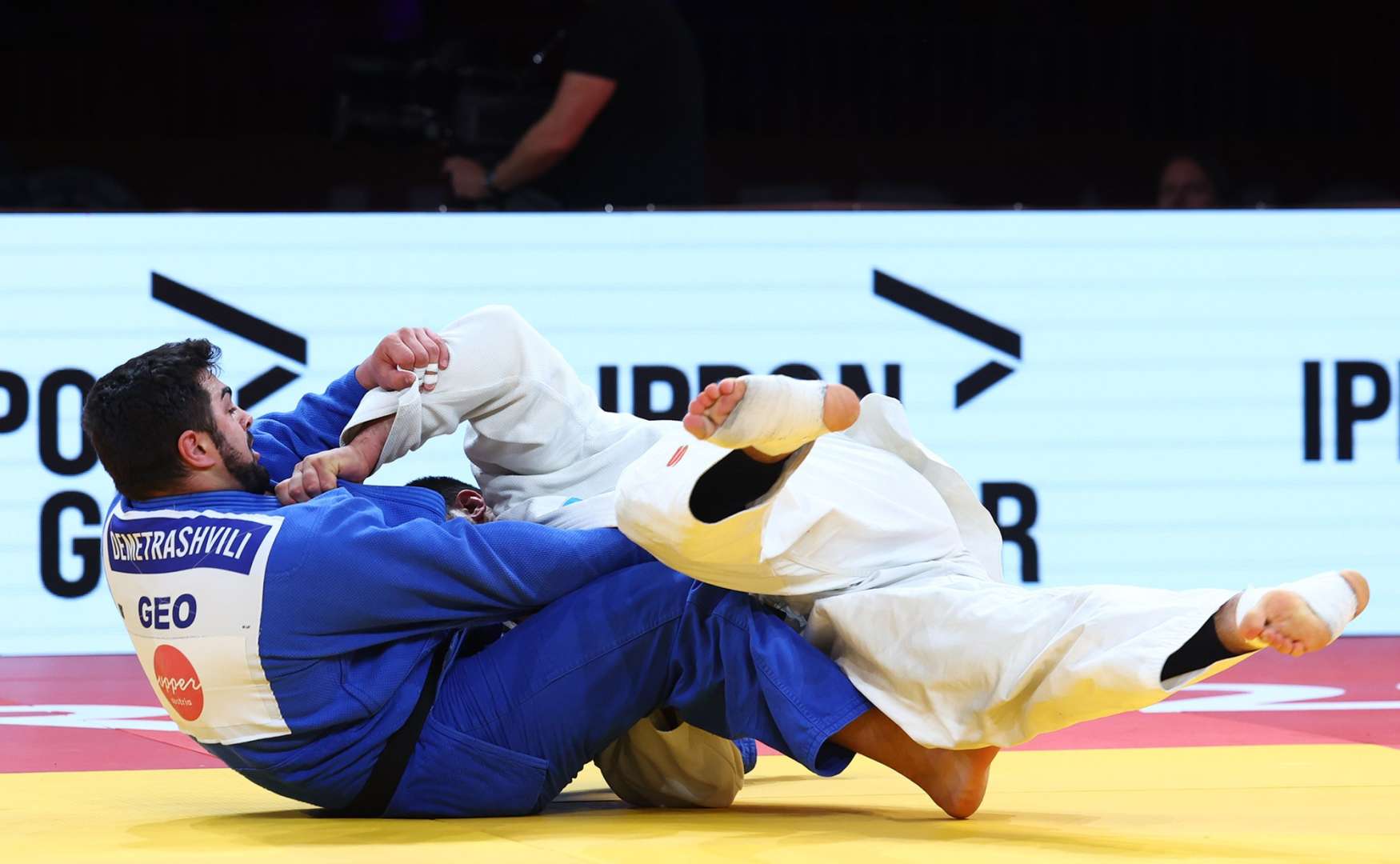
As the last second was displayed on the clock, the Azerbaijani athlete launched a last-ditch kata-guruma attempt and scored a waza-ari. The Georgian judoka sat in disbelief. He had lost the bronze medal with zero seconds left on the clock.
Final (+100 kg)
Bronze Medal Fights (+100 kg)