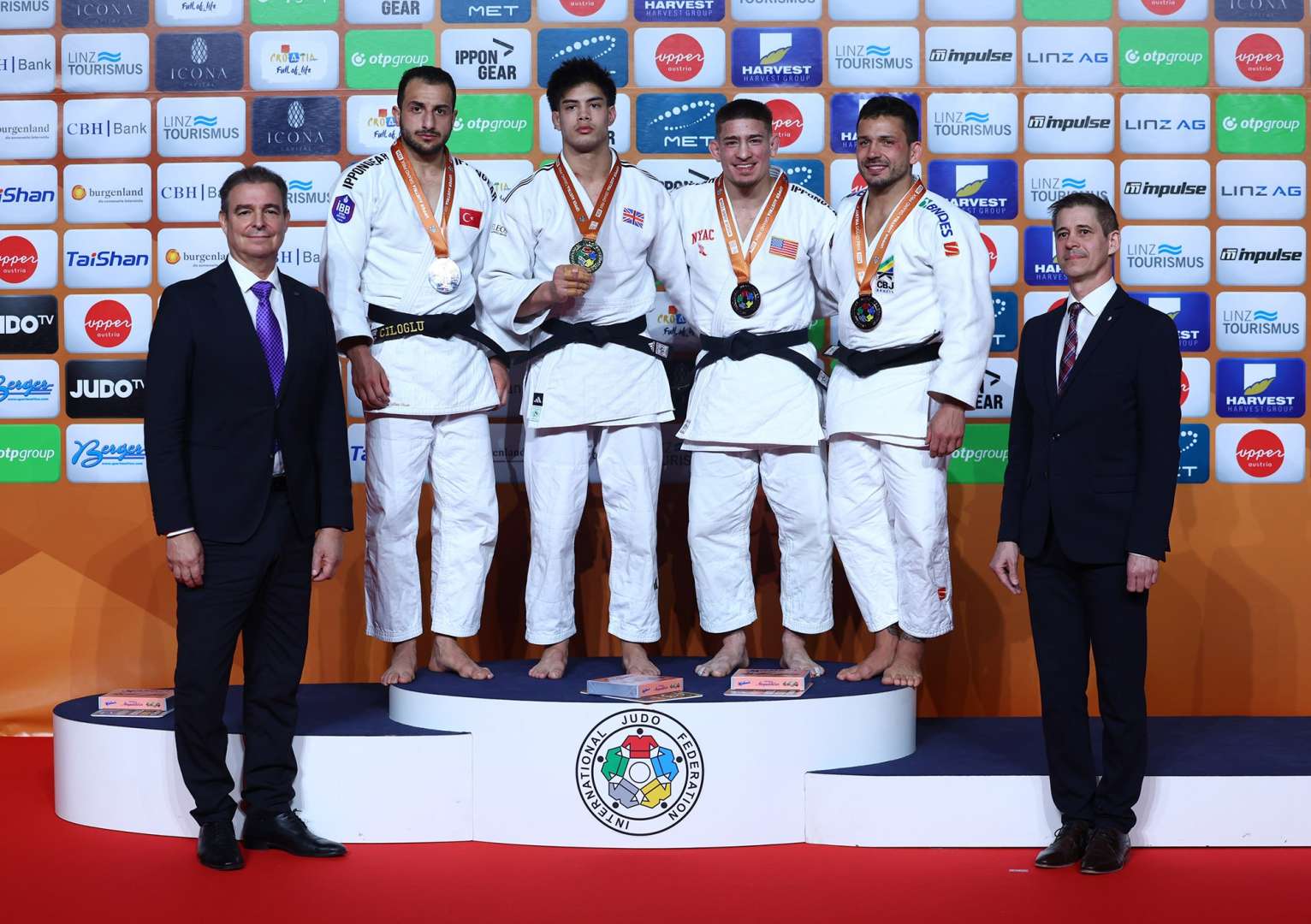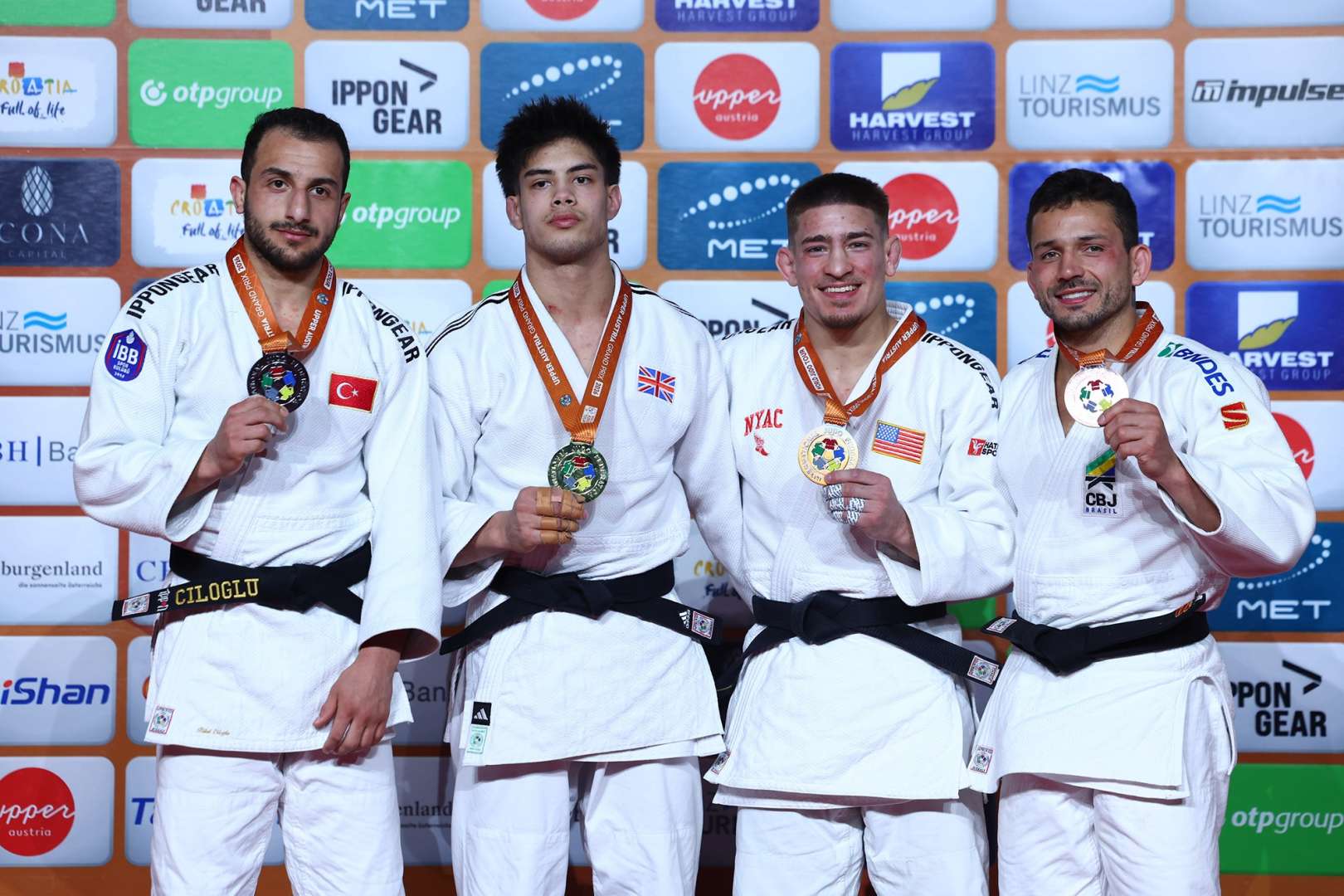

Bilal Ciloglu (TUR) won grand prix gold way back in 2018, in Agadir, and although he has top class ability, also evidence by his world bronze in 2021, his results have been inconsistent throughout his career. In Linz though, in 2026, he made sure every element of his plan was just as it needed to be. He was strong, persistent and focused and it paid off perfectly, all the way to the final.
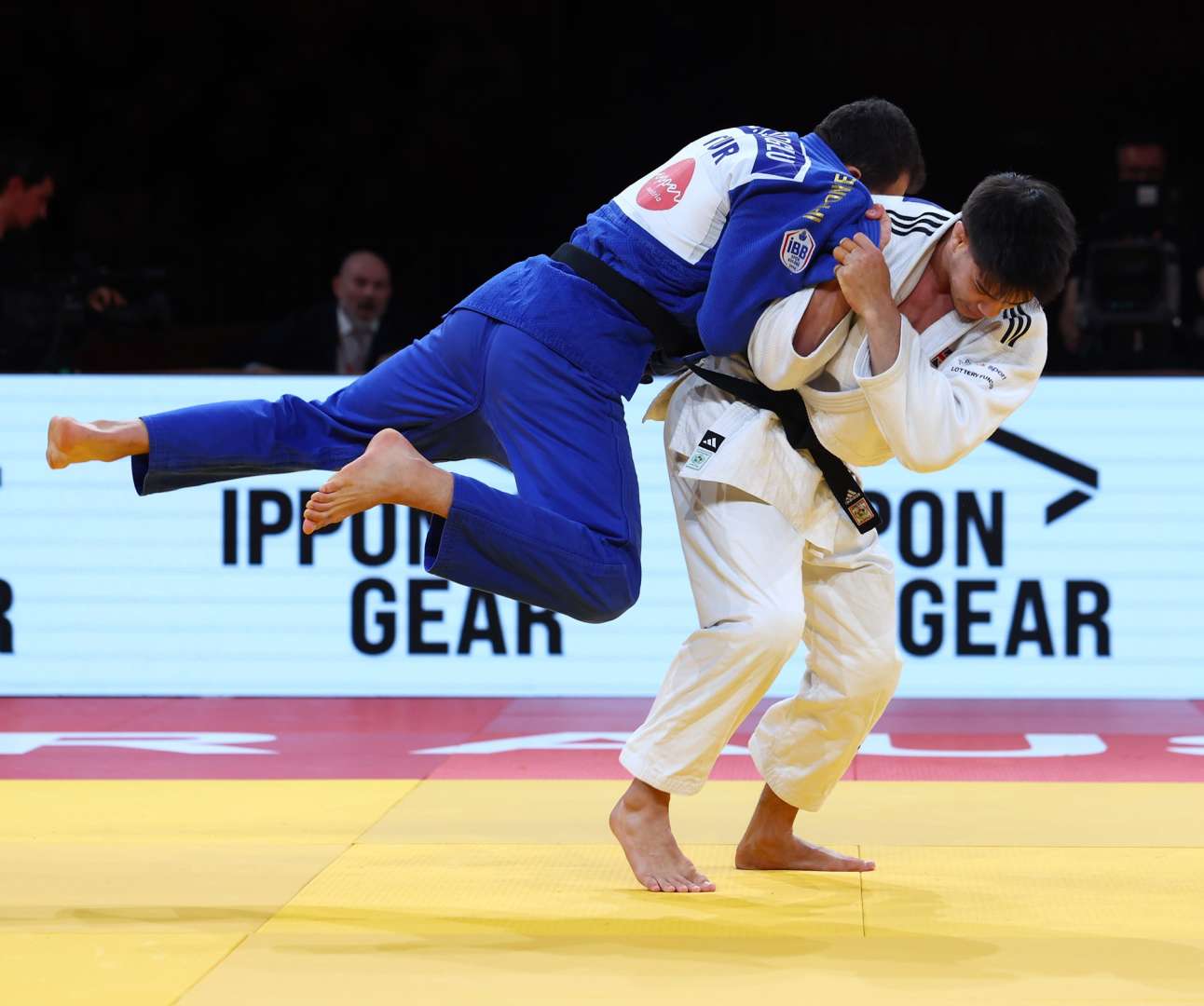
In the final, Ciloglu met World Judo Tour final block debutant Ethan Nairne (GBR), a fighter who gave the performance of his life to overcome no less than three Olympic medallists on his way to meet the Turkish judoka. Osmanov (MDA), Basile (ITA) and Cargnin (BRA) were taken by surprise, not expecting the dynamic energy of Nairne.
Ciloglu appeared more prepared than those who came before him, neutralising Nairne’s preferred attacking positions but the Brit, on blistering form all day, found his way. His plan seemed to be to stay on the attack no matter what and it began to pay dividends. As time wore on, Ciloglu slowed down where Nairne did not. Two minutes into golden score, Nairne caught his opponent with an o-soto and was awarded a yuko for his trouble.
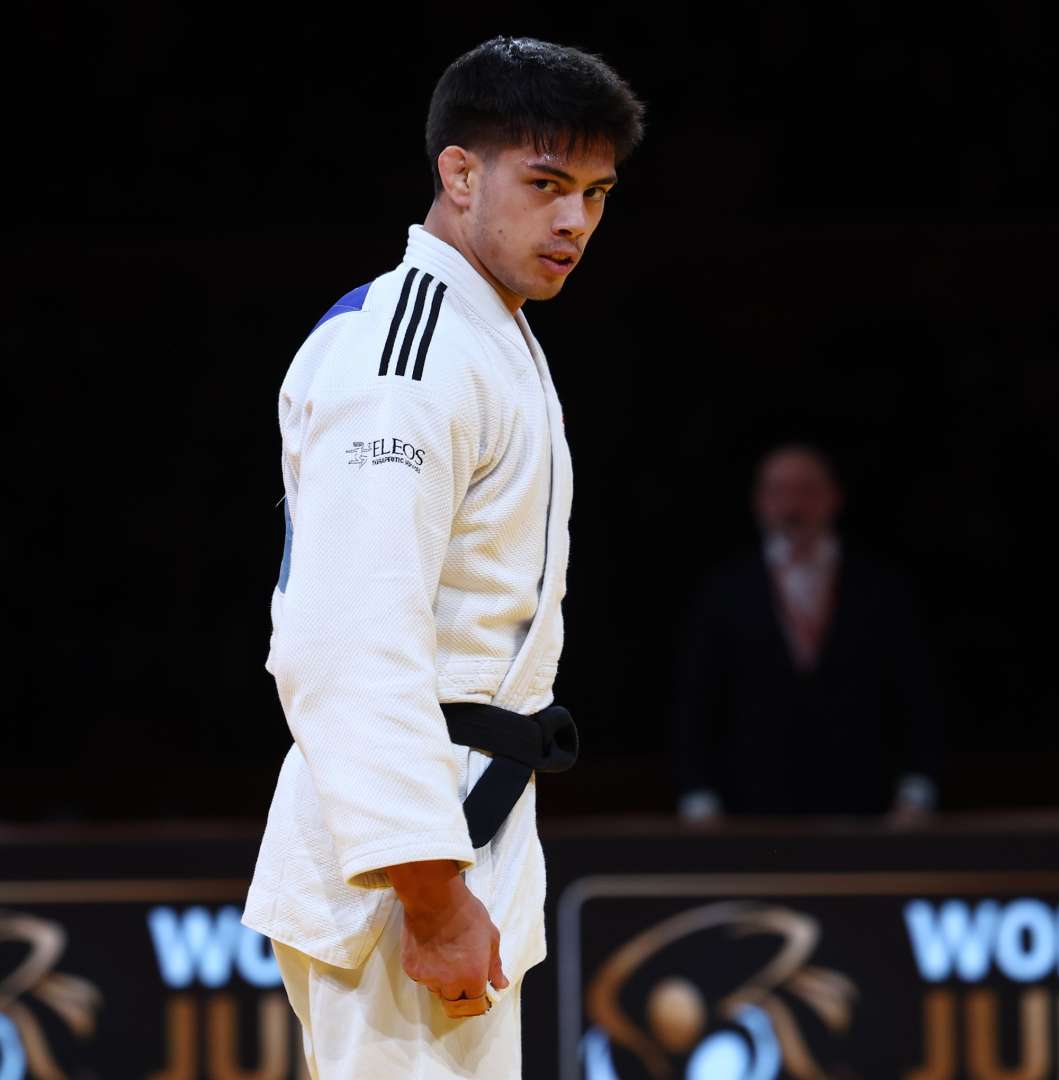
Ethan Nairne is only the third British man ever to have won gold in a grand prix since the establishment of the World Judo Tour in 2009. His work rate and composure made him the best in a stacked field, an impressive day from start to finish.
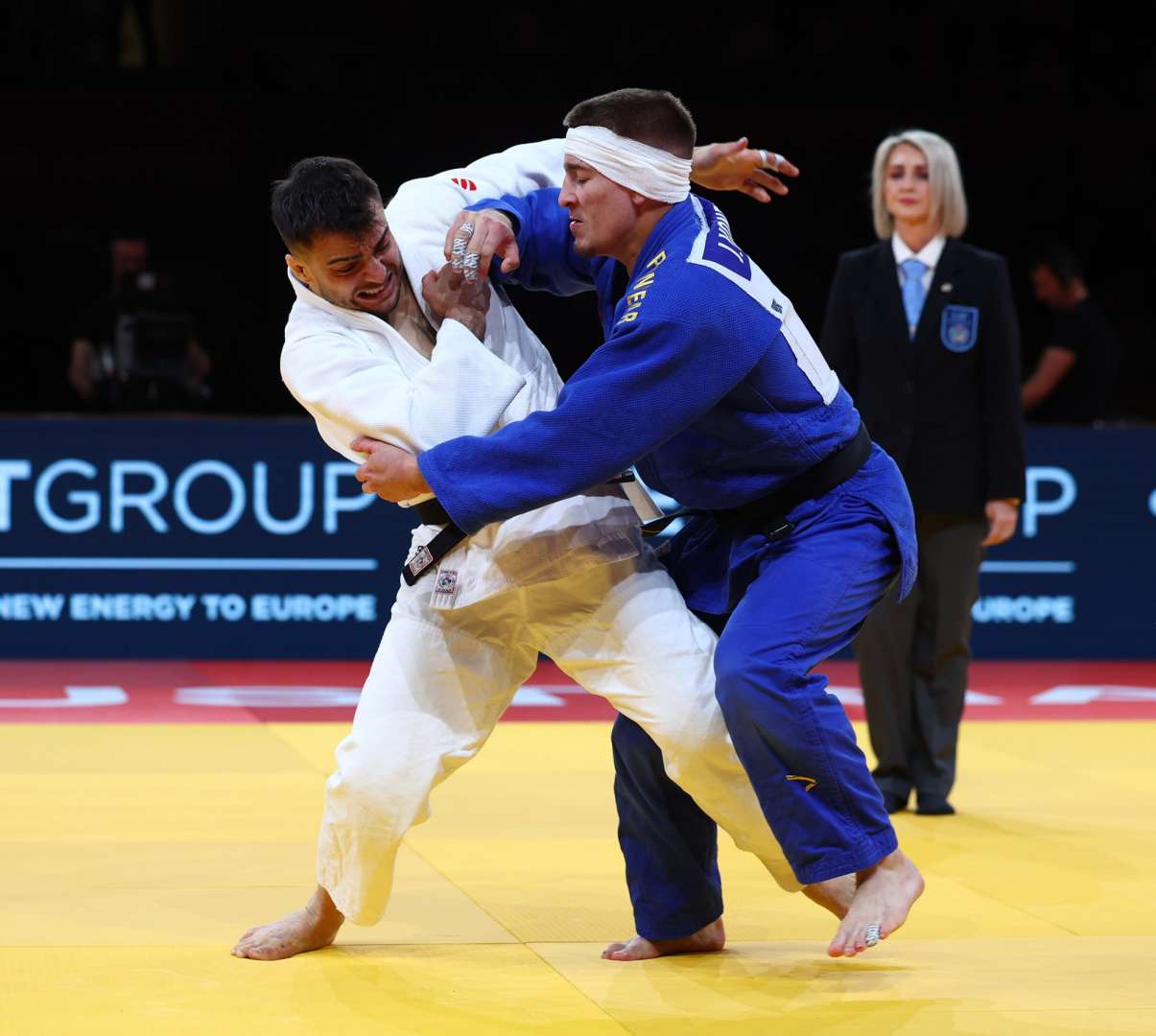
In the first bronze medal contest, 2016 Olympic champion Fabio Basile (ITA), who enjoyed winning a bronze medal in Linz at a previous edition of the Upper Austria Grand Prix, was back for more. He would have to face the up-and-coming American Jack Yonezuka, a ne-waza specialist with a big heart, not afraid of fighting against the best.
There was a moment early on when it looked as if the ne-waza might shine through but Basile is not new to this environment and knew how to escape just before the 5th second of osaekomi ticked down, avoiding the yuko and keeping the scoreline even. As they went into golden score with only penalties between them, both judoka seemed to get increasingly frustrated, opening up and leaving space for the other. The beneficiary was Yonezuka in the end, catching Basile with a ko-soto-gake for a yuko two minutes into golden score.
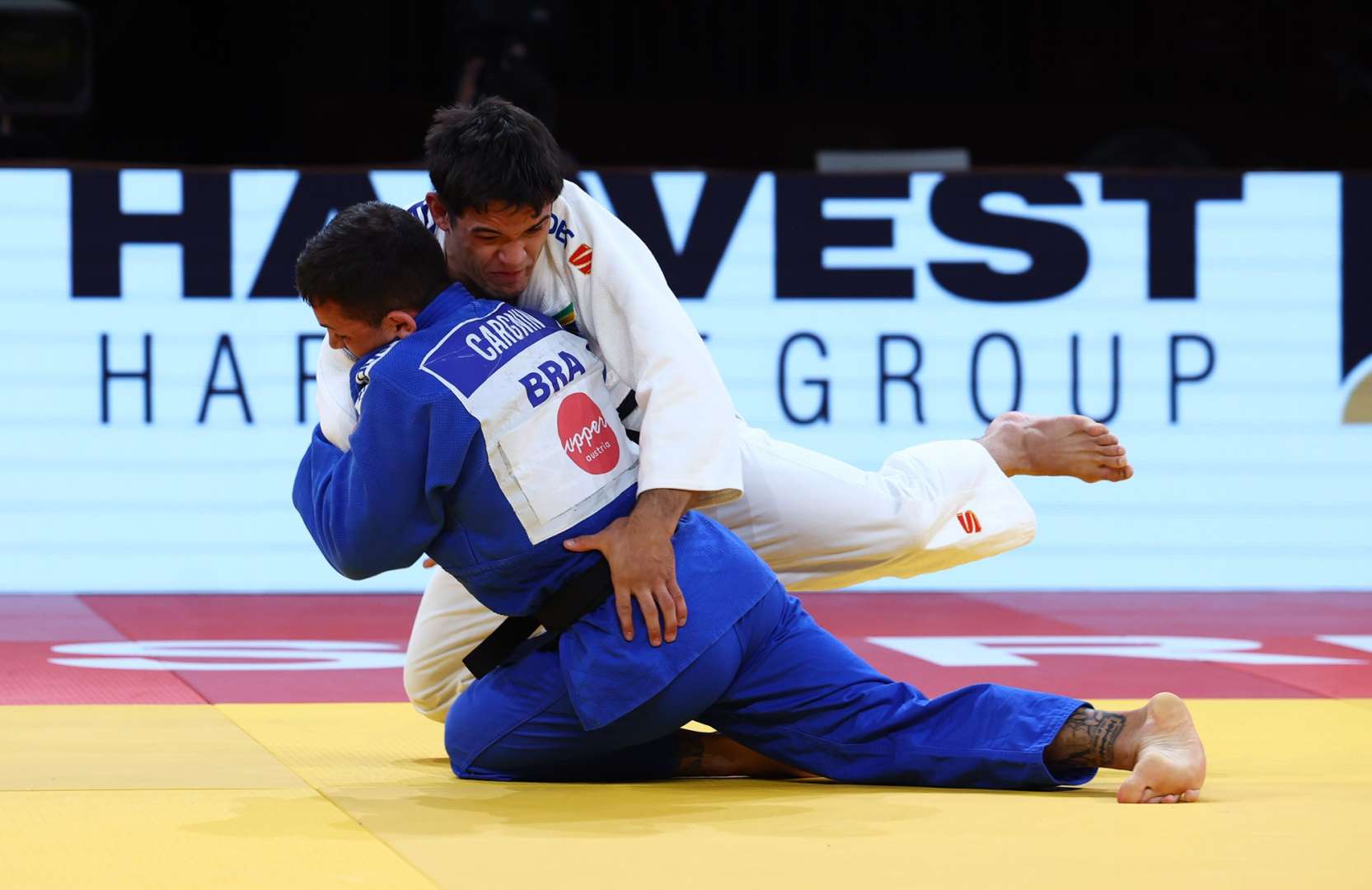
In the second bronze medal contest Guilherme De Oliveira had to face his highly decorated teammate Daniel Cargnin (BRA). This Brazilian derby really was the old versus the new as 21-year-old De Oliveira was competing for the first time in a grand prix final block.
De Oliveira was not going to give in easily but Cargnin’s experience was clear to see. He exploited every opening and every inch of space to ensure he stayed a head. At the halfway point he countered for a waza-ari and although De Oliveira tried to apply pressure and find space to attack again, Cargnin had every avenue blocked. It was bronze for Brazil but no baton had been passed to the new generation, not yet.