
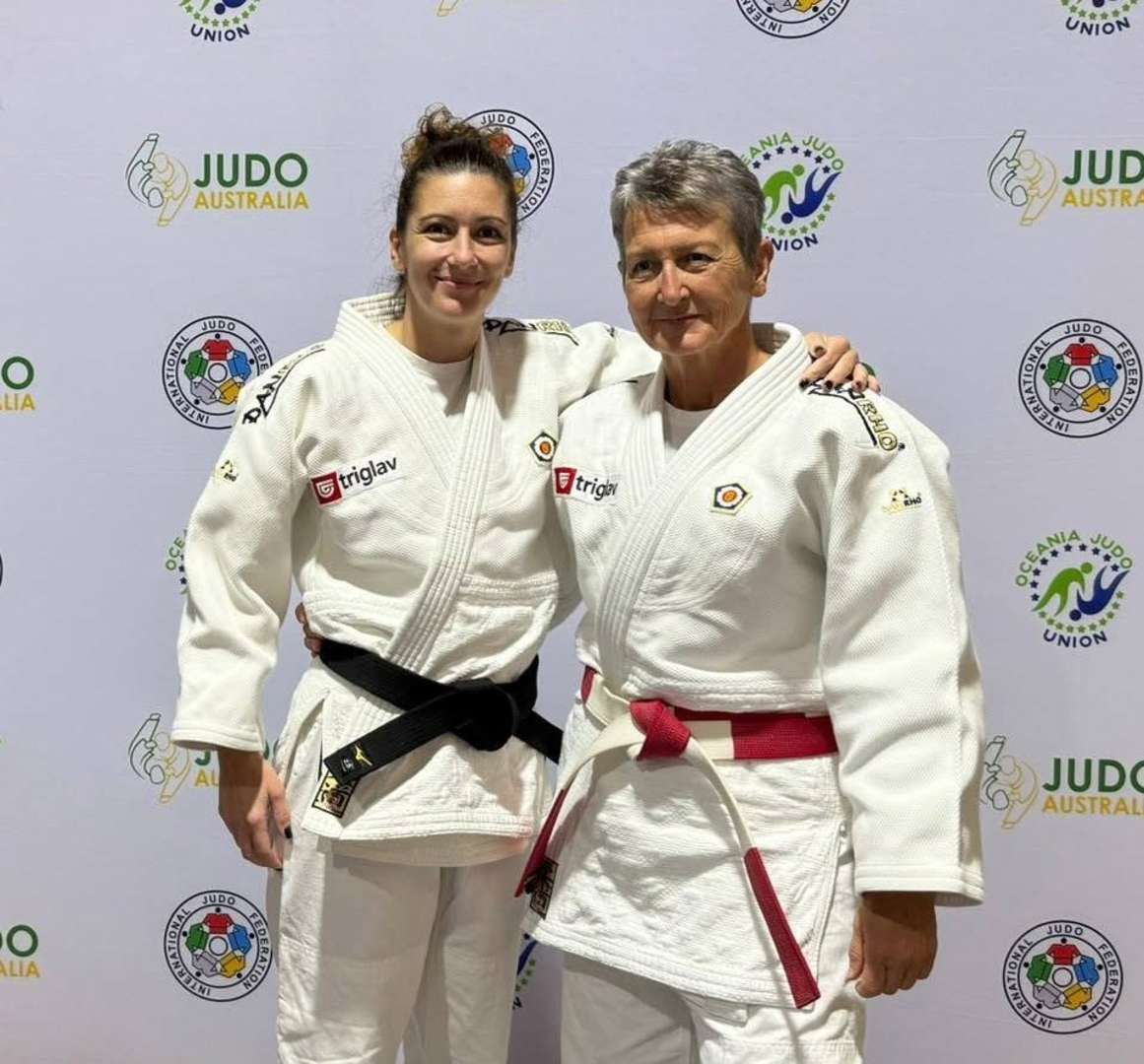
Kerry Tansey and Marina Draskovic, both members of the IJF Inclusion Commission, travelled to Australia at the invitation of the Australian Adaptive Working Group, with the support of Judo Australia. Their objective was to share the structures, experience and practices, while listening to the needs and ambitions of the Australian judo community.
The programme brought together coaches, club officials, parents and federation representatives. By involving all those who shape a judoka’s experience, the course created a shared understanding of inclusive practice and of the resources needed to support it. From the outset, the reception was encouraging. “There was a genuine openness to integrating adapted judo within the wider judo environment, rather than seeing inclusion as something separate,” explained Kerry Tansey. Like the European judo family, through its Judo for All approach, Australia showed both a clear willingness to move forward and the need for a structured pathway that helps judoka and coaches feel welcomed, supported and confident.
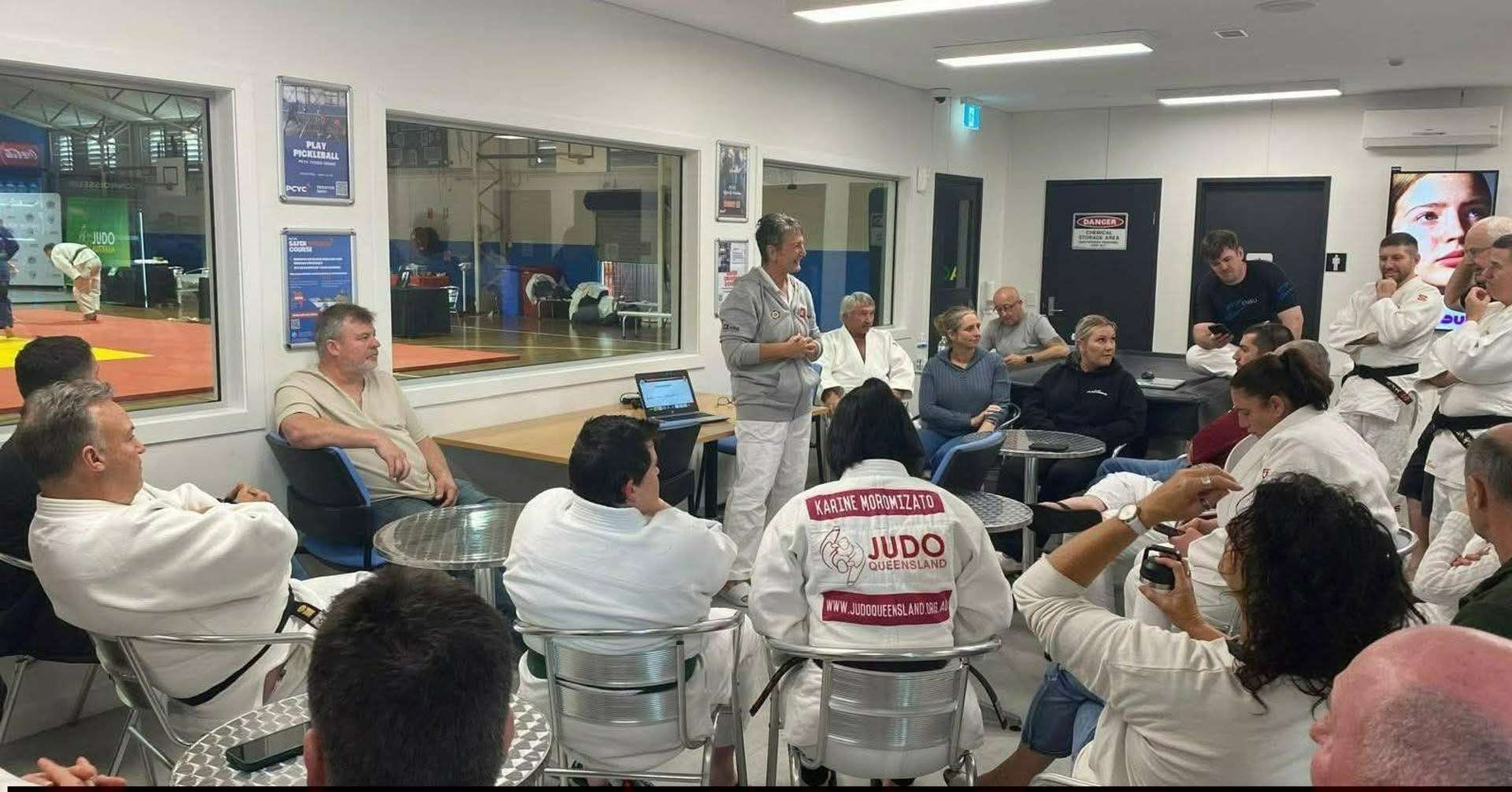
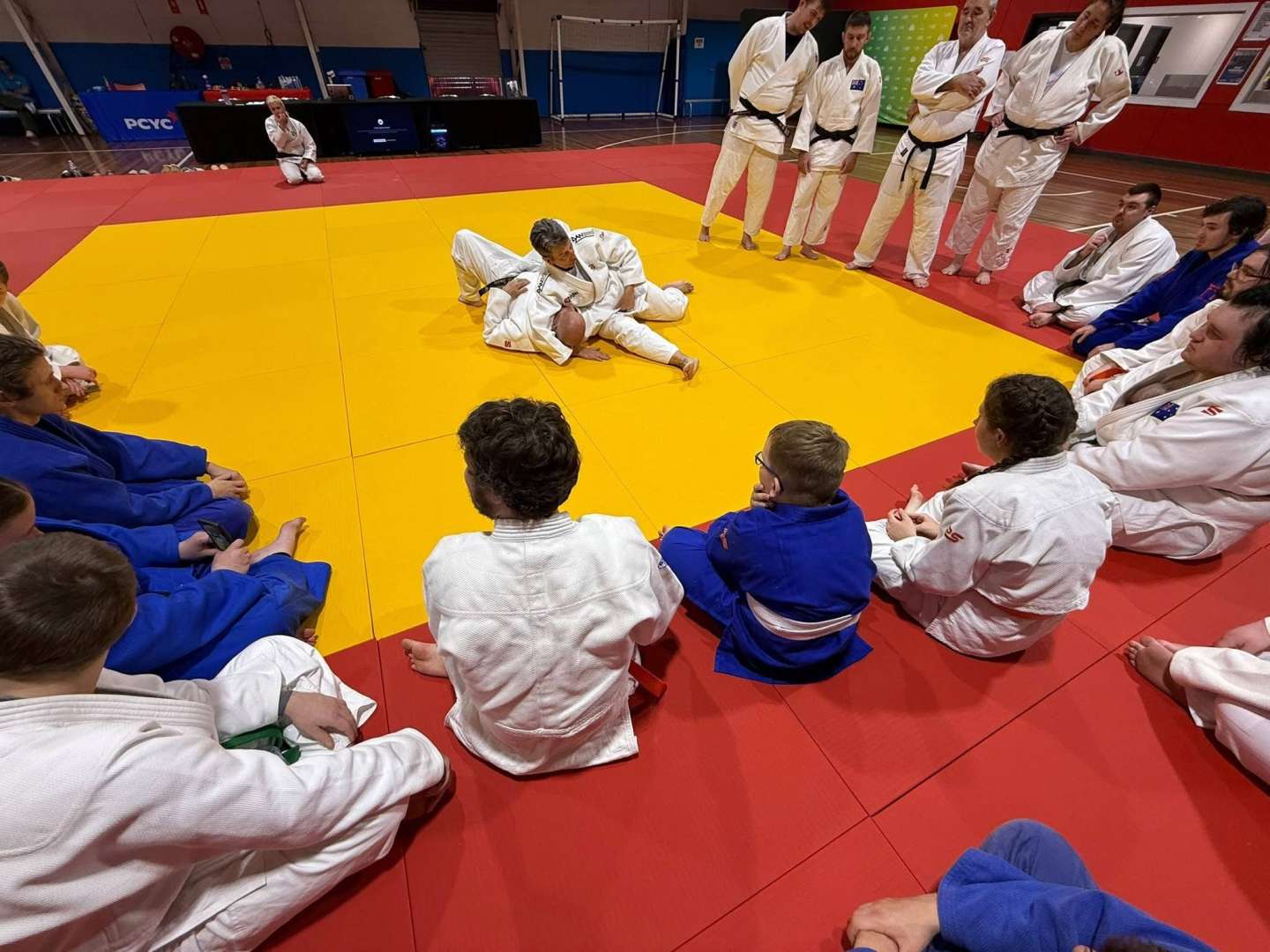
The education sessions combined practical work with a clear framework. Divisioning was one of the central themes, with coaches learning how to observe technical content, behaviour and ability in order to place judoka within the five recognised ability levels. This was not confined to theory. On the tatami, participants practised identifying the markers of competence, confidence and control that can help create fair and meaningful competition opportunities.
Inclusive coaching was another key element. The message was clear, "An inclusive session does not benefit judoka in adapted categories only. When coaches create shared learning environments, they improve engagement, understanding and technical development for everyone," explained the two experts.
Marina Draskovic also led inclusive coaching through game-based learning. Warm up games, movement activities and technical exercises provided enjoyable and practical tools for coaches, demonstrating how teaching methods can be adjusted to support different needs while keeping the identity of judo fully intact.
Adapted Nage-no-kata, led by Sanja Delladio, introduced adaptations in tachi-shisei and ne-shisei, standing posture and kneeling posture, respectively. The emphasis was on technical competence, with grips, movement patterns and positioning adapted according to individual needs. Over the two days, judoka were then able to step forward and take part in kata competition themselves.
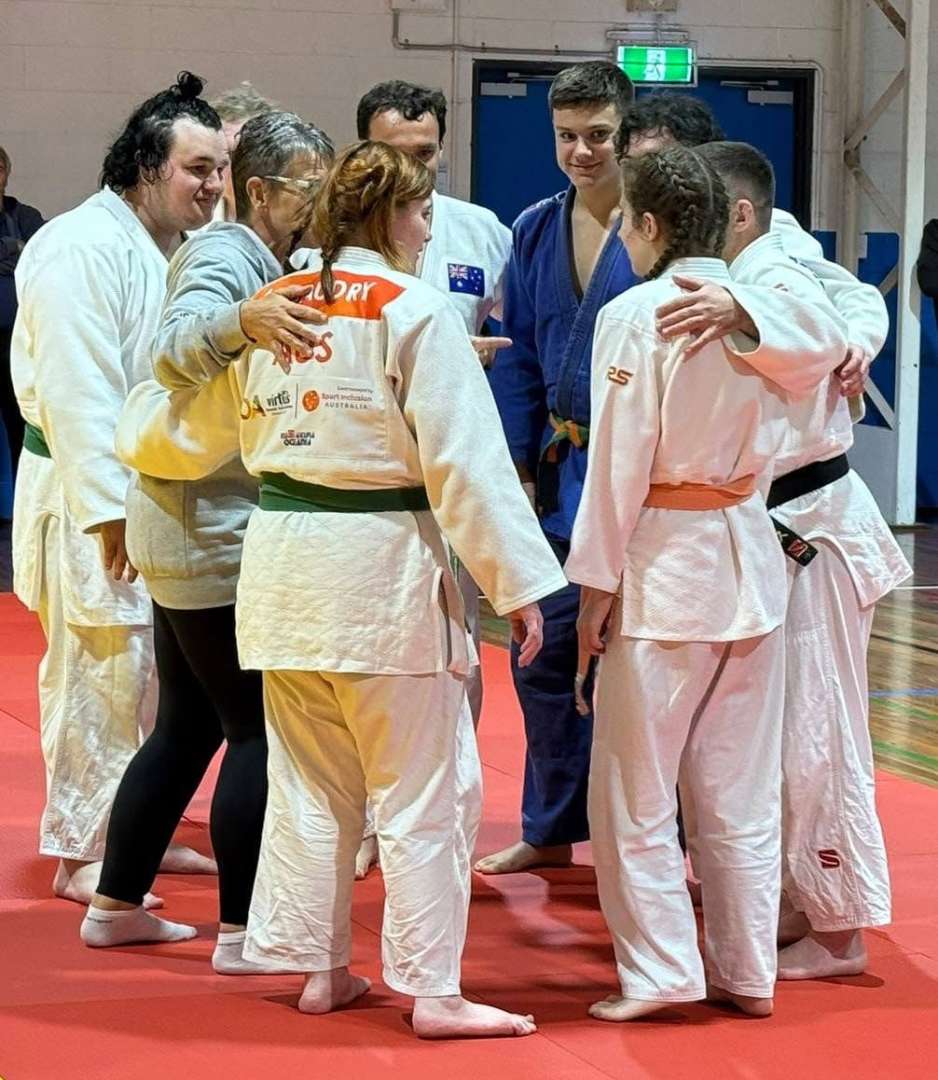
The programme concluded with competition pools built from the earlier assessments, ensuring fair match-ups and a meaningful competitive experience. A team event brought the day to a close, providing additional contest opportunities while strengthening communication, teamwork and club spirit.
“Adapted judo is not about lowering expectations,” Kerry and Marina said. “It is about raising the quality of connection, communication and technical clarity, so every judoka can access the real judo experience.” This approach recognises that adapting how judo is taught does not change what judo is. On the contrary, it protects its essence: problem solving, mutual welfare, personal growth and enjoyment.
The immediate impact was visible. Judoka remained focused and engaged for long periods, including some who would normally disengage quickly. Parents and coaches noticed the difference during the sessions: more smiles, more confidence in movement, greater willingness to try and a stronger collective energy throughout the room.
Naturally, participants also raised questions about financial support and the geographical realities of a country as vast as Australia. Yet the course helped demonstrate why structure matters. Divisioning, education and a clear inclusive pathway require investment but they also create the conditions for more people to participate, remain in judo and flourish within it.
For clubs and national federations looking to take their first steps, the message is both practical and deeply rooted in judo philosophy. Respect every individual. Keep learning, sharing and adapting. Look at good practice elsewhere and apply it in ways that meet local needs. As Kerry Tansey puts it, “CASE: copy and steal everything!”
Accessibility is not only about performance pathways or medals. Achievement takes many forms and every judoka deserves the opportunity to experience challenge, progress, belonging and pride. Not every disability is visible which is why a welcoming and inclusive pathway ultimately serves the whole judo community.
The visit also reinforced the value of international co-operation. Coaches and educators around the world are already creating opportunities for judoka with disabilities, usually with remarkable dedication. Bringing them together allows experience to be shared, successful initiatives to be recognised and new ideas to travel across borders.
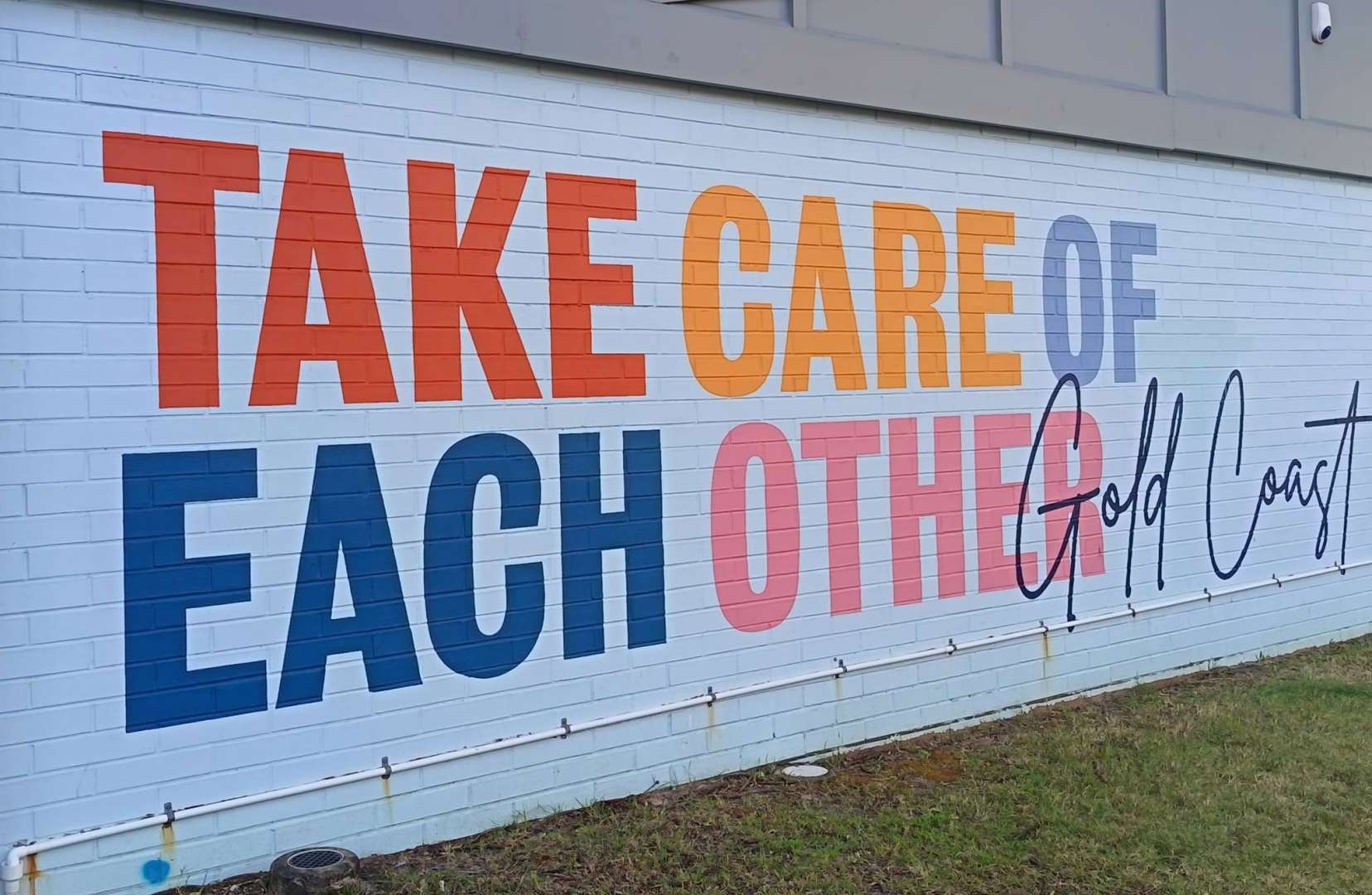
Australia may be geographically distant from many traditional centres of international judo but its initiative carries a message for every continent: be brave, be open to learning and create the opportunity. Disability is not something to fear and inclusion is not an extra responsibility added to judo; it is one of the ways in which judo becomes stronger, more relevant and more faithful to its own principle of Jita Kyoei, mutual welfare and benefit.
The aspiration now is for adapted judo to become an integral and sustainable part of the wider Australian judo community. With education, connections between clubs, support for existing practitioners and a willingness to open the door wider, the foundations are in place for something that can grow for generations.