
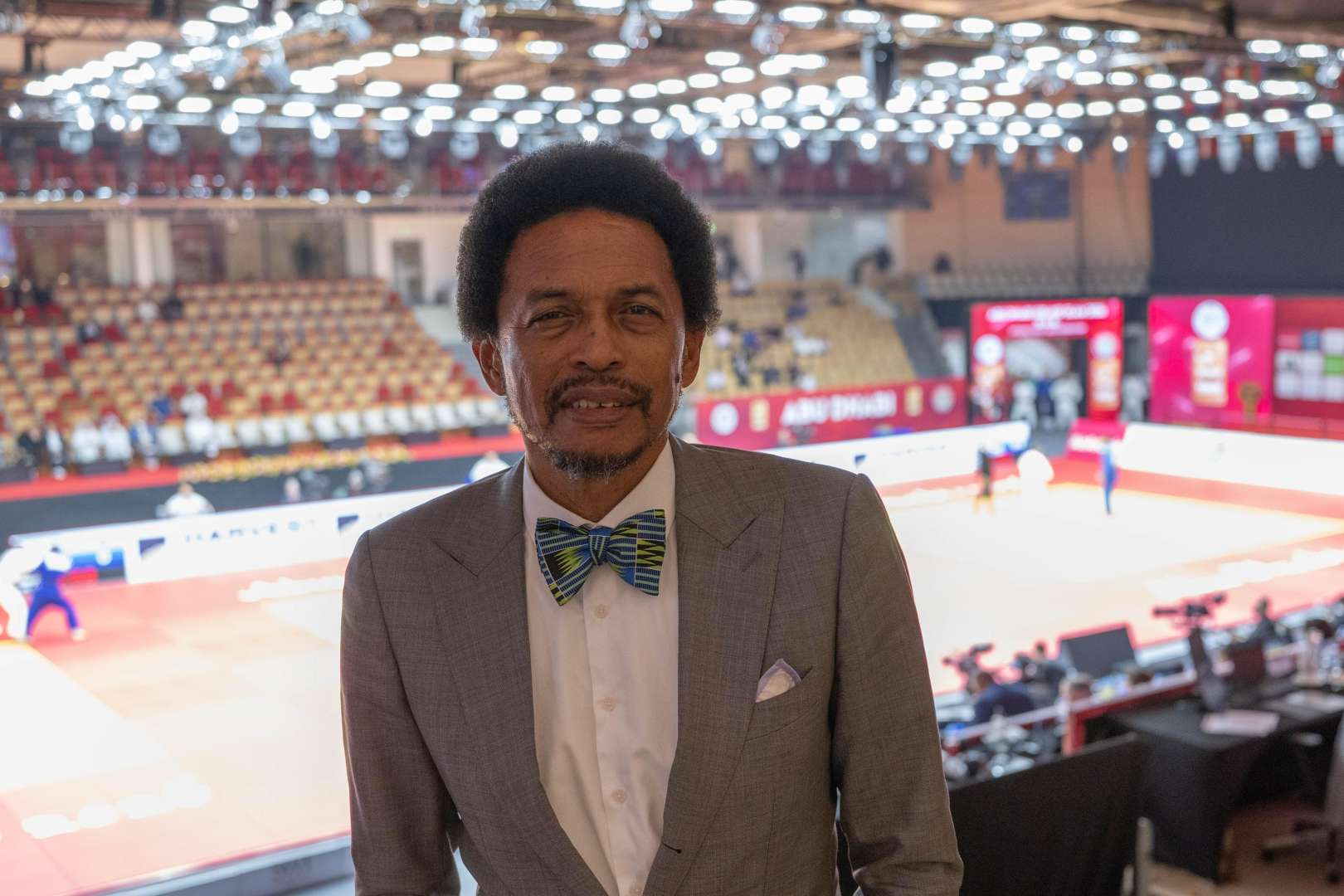
The former President and General Secretary of the Caribbean Association of National Olympic Committees (CANOC) and the former President of the Trinidad and Tobago Olympic Committee (TTOC) Mr Brian Lewis arrived in Abu Dhabi as a guest of IJF President Mr Marius Vizer, to enjoy judo and to take part in meaningful discussions around equality and equity in sport, not just reflecting on gender issues but those of race and socio-economics too.
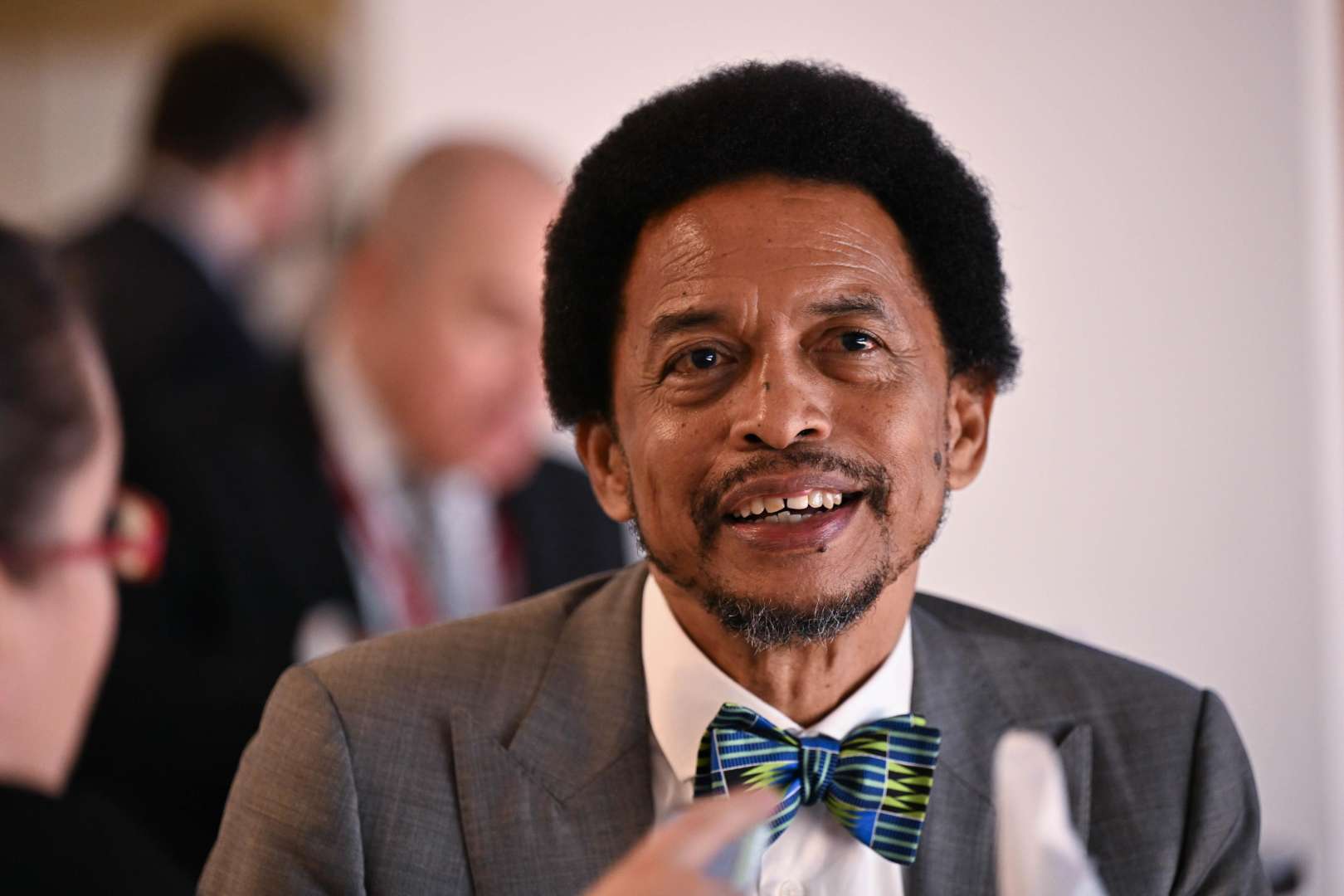
“When I first saw Mr Vizer, I thought, as we say in Trinidad and Tobago, ‘This man is one of we.’ He was ready to fight the status quo and make real change where it was needed. I expressed my admiration for his work and immediately felt encouragement from him. He said I was a brave man too and offered support with my prostate cancer diagnosis.”
Brian Lewis is vocal about his experience living with prostate cancer and alongside his anti-discrimination work, he urges all men to take care of their health, sharing his own circumstances publicly.
To understand why Mr Lewis is an important figure in international sport, especially within the Caribbean region, it is important to know something of his background. Raised by a single mother with his three siblings. “When I was 8 my darling, beautiful mother sent me round the corner to the shop. Some bigger boys tripped me and beat me up and took the money she gave me. I hurt the back of my head and ran home hysterically. My mother asked me what happened. When I told her, she told me to go back and get my money. I was beaten up again. When I arrived home the second time, she was stood in the road waiting for me and said sternly, ‘Where. Is. My. Money?’ So she came with me for the third time and she got her money. She told me she had to do a lot of work and make sacrifices to earn that money and I didn’t fight for what was mine. That was the last time I ran away from anything, from any honest fight.
Mr Lewis had an affinity with contact sports from early childhood, “I loved rugby so much. Sometimes, getting sent to play in the pack as a winger could seem like punishment but not for me. I loved it. I was fast and could run but I loved being in the middle of the action. I have always had an interest in judo too, though I was not involved personally until much later, as an administrator and advocate.
How I came to be involved at an Olympic committee level is quite a long story but I had a friend who was a public relations officer for bodybuilding in Trinidad and Tobago and he asked me to sponsor them. Of course I said yes. I saw lots of things to improve and that was my start in public relations. I continued offering voluntary public relations work through a couple of decades when I was playing rugby and also maintained my connections with body building."
"The Caribbean is an oral mix of cultures where traditions are often passed down by word of mouth. Communicating was therefore not a weakness for me. I had an ability to talk myself out of trouble, I had creative explanations. One day someone from rugby union couldn’t go to an NOC meeting and so I went instead. I was listening to everything. I made a comment during that meeting and seemed to garner some reactions like ‘where did this guy come from?’
Then, when Douglas Camacho was running for NOC president, he wanted me to deal with their media. I had a little ‘chippy’ on the shoulder and said to him, ‘Mr Camacho, I’m really not interested in the TTOC. As far as I am concerned all they do is fly all over the world at the expense of athletes.’ He was a very well respected man and said ‘And that’s why we want to bring you on, to change that perception.’ So I was trapped by my own philosophical convictions. I was then on the board. I later became assistant secretary general and then eventually TTOC president.
I felt the TTOC needed to become more athlete-centred and entrepreneurial. I set a goal of 10 or more Olympic golds by 2024, from 2014. It made sense to me within Long Term Athlete Development theory to work within a ten year goal, improving systems as well as individual athlete programmes."
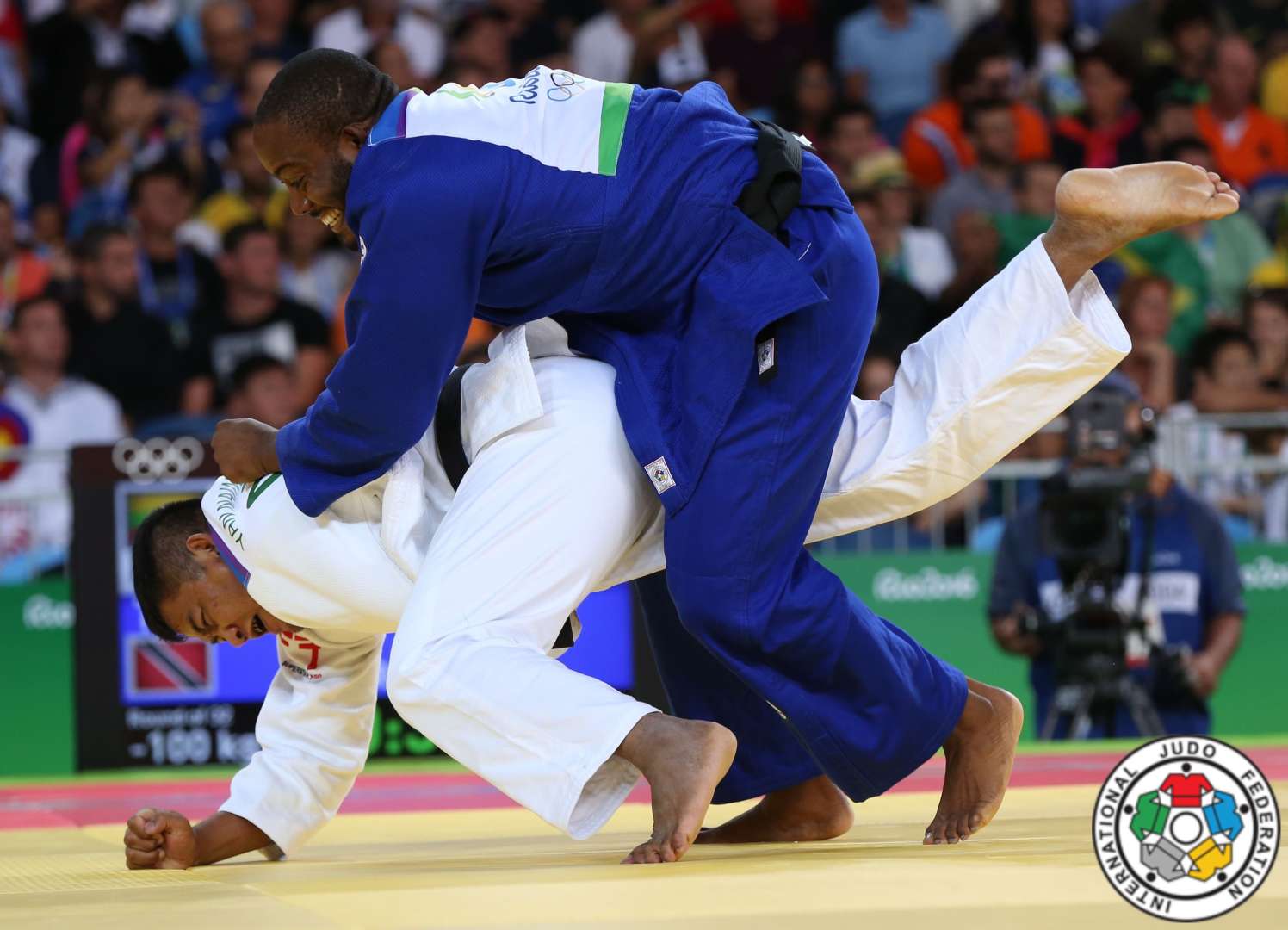
"I built a good team around me. At that time there were only a few countries offering medal bonuses for the Olympic Games and I wanted to go that way. I saw how athletes were committing 10-15 years of their lives to sport and then at the end there was nothing. I had to find a diplomatic way to move things forward.
Action speaks louder than words! I will continue to be an ally. The biggest danger we face anywhere is complacency. Because there are now women, for example, at the head table, some think that the battle is won. I believe the attitude must be that the battle is lost or continuous. There is a long way to go and I’m here always for this fight. The issues of black and brown faces is an Everest to climb, still, today.”
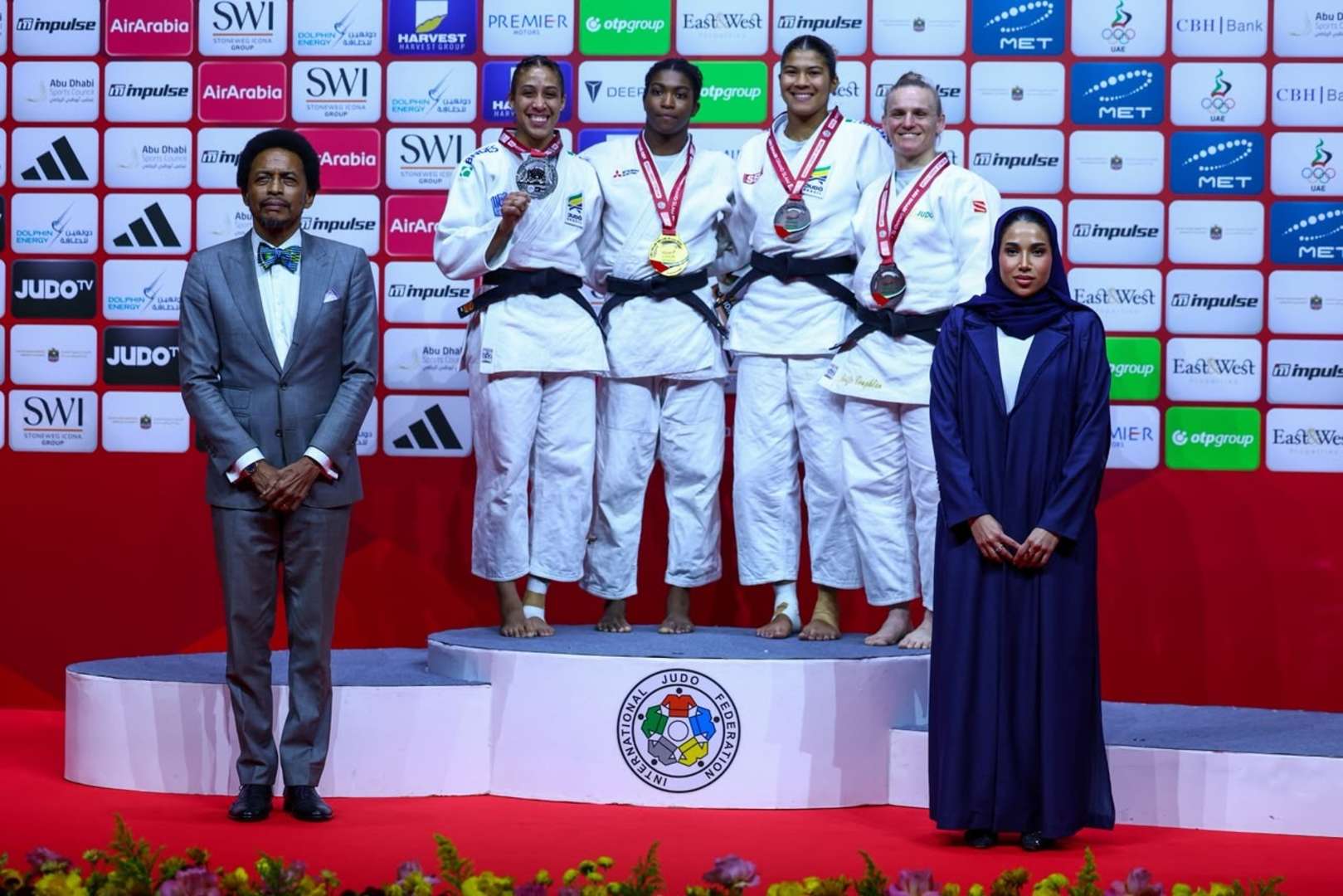
Brian Lewis advocates for all members of society, working tirelessly to protect human rights and to further the gender equity movement as well as enhancing race relations around the world. He yearns for equal access to sport and to leadership roles, “My dream is to see Caribbean faces represented in every major sporting arena around the world. That would show real diversity and inclusion.”
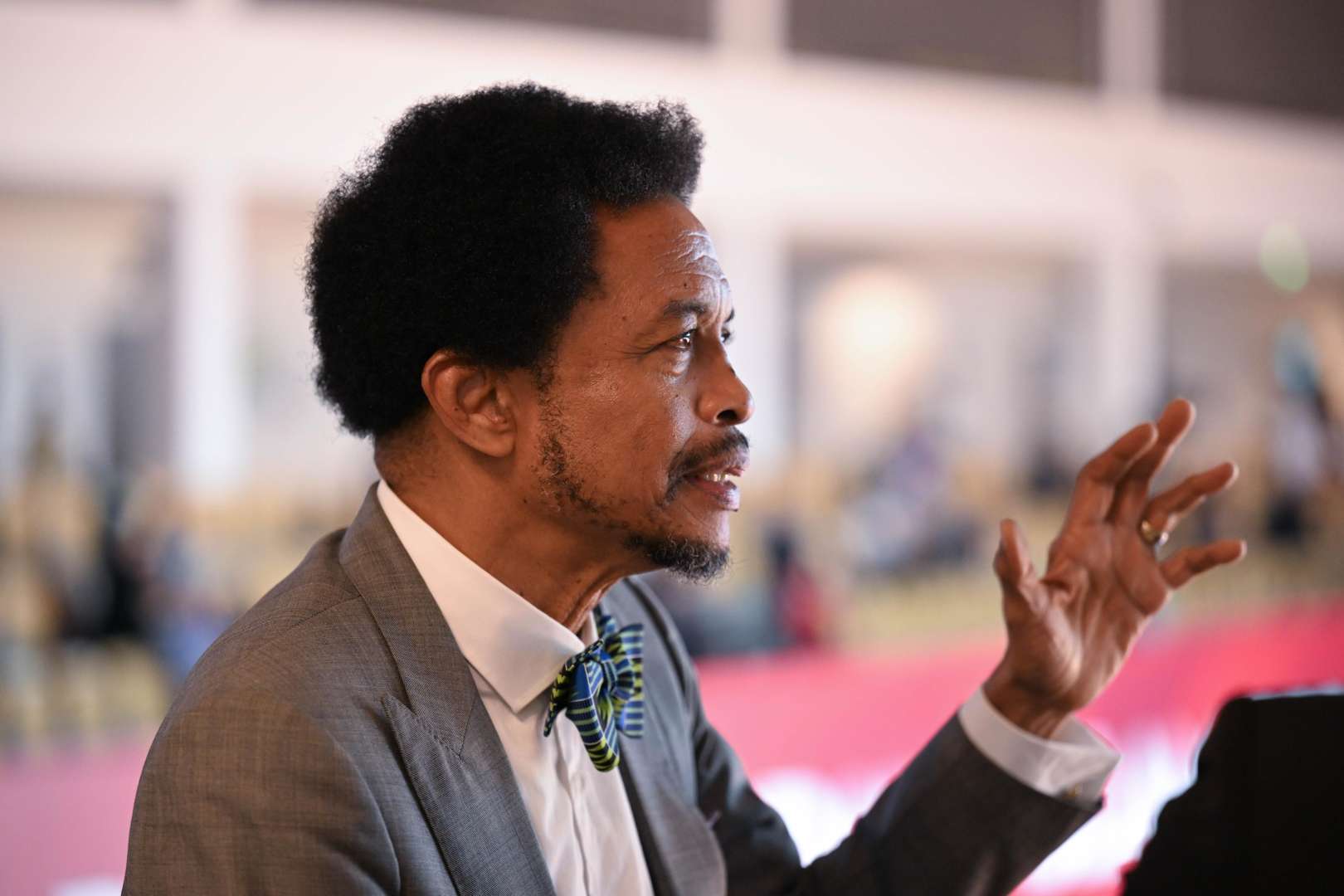
This aim to have all ethnicities represented within elite sport is a mission that the IJF, under the leadership of Marius Vizer, has also been working towards for decades. Two hundred national federations and specific IJF commissions overseeing inclusion, children, peace projects, refugees, gender-based matters and more, means that Mr Lewis and the IJF are aligned with philosophy and share the values of courage, friendship and respect.