
Refereeing domestically for years, completing numerous education activities and committing to the pathway that leads to the Olympic Games is just some of the route. Once the continental exam has been passed, the process takes another jump up, on to a new level, one which demands further focus, knowledge and time.
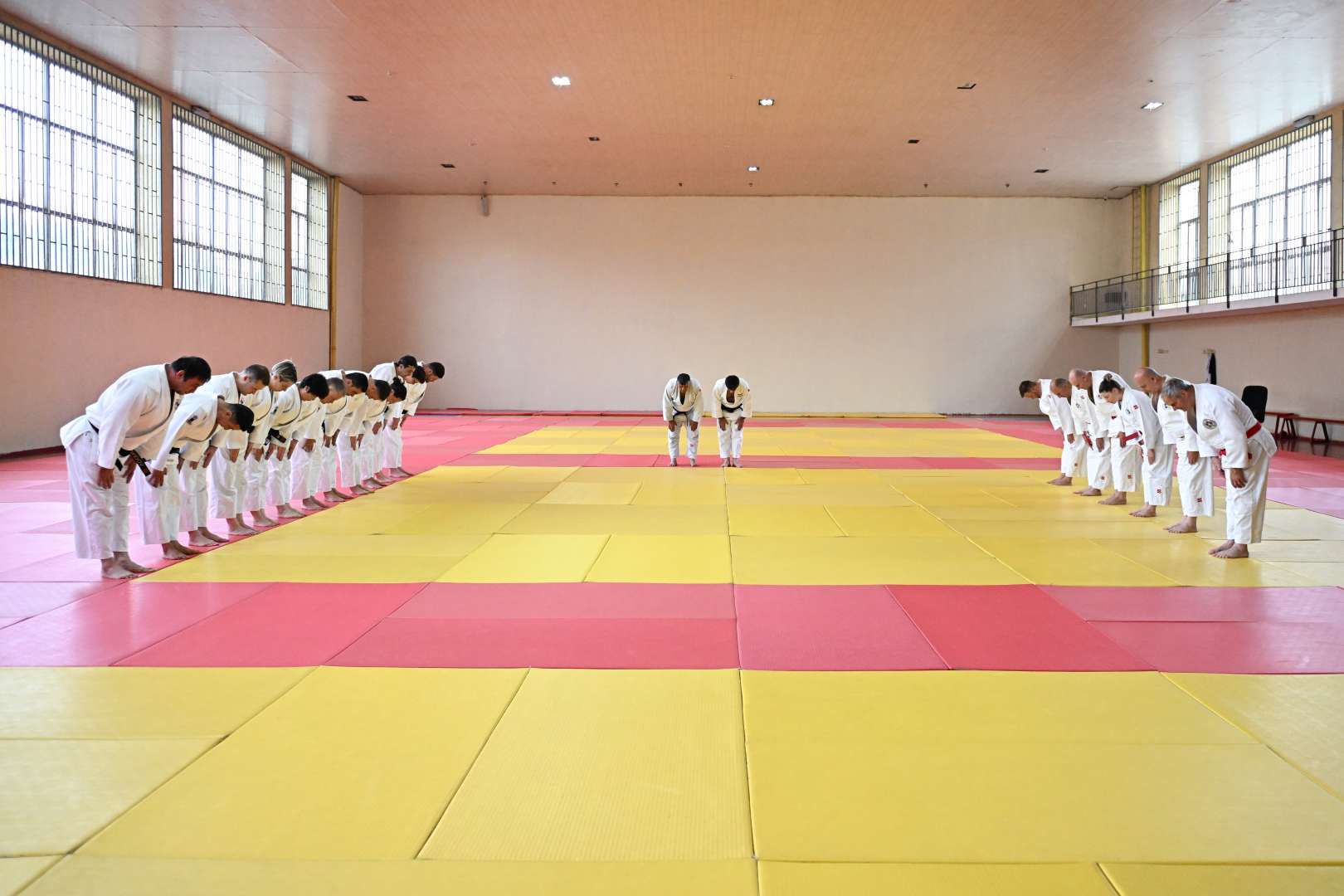
The IJF referees have been through it all, including the IJF Academy courses that ensure parity in technical understanding. Once that certificate is collected, there is still more to do!
At the referee meeting for the Dushanbe Grand Slam 2026, held at the Tajikistan Judo Federation headquarters, Olympic referee Roberta Chyurlia (ITA) presented Katame-no-kata in front of her peers and members of the IJF Referee Commission; a daunting task. Along with her uke, Melanie Percheron (FRA), they delivered the full kata, in examination conditions, in silence.

IJF Referee Director Mr Raul Camacho explained, “Katame-no-kata is part of the full programme of Randori-no-kata.” The techniques in Nage-no-kata form the base of tachi-waza pracice while Katame-no-kata includes ne-waza techniques. “It’s necessary to continue working on the basics at every stage of our careers. In the past we had some issues with some situations, whether to call ‘osaekomi’ or not. So now all World Judo Tour referees complete the IJF Academy course, which includes the Nage-no-kata exam, and then, in addition, they must present Katame-no-kata.”
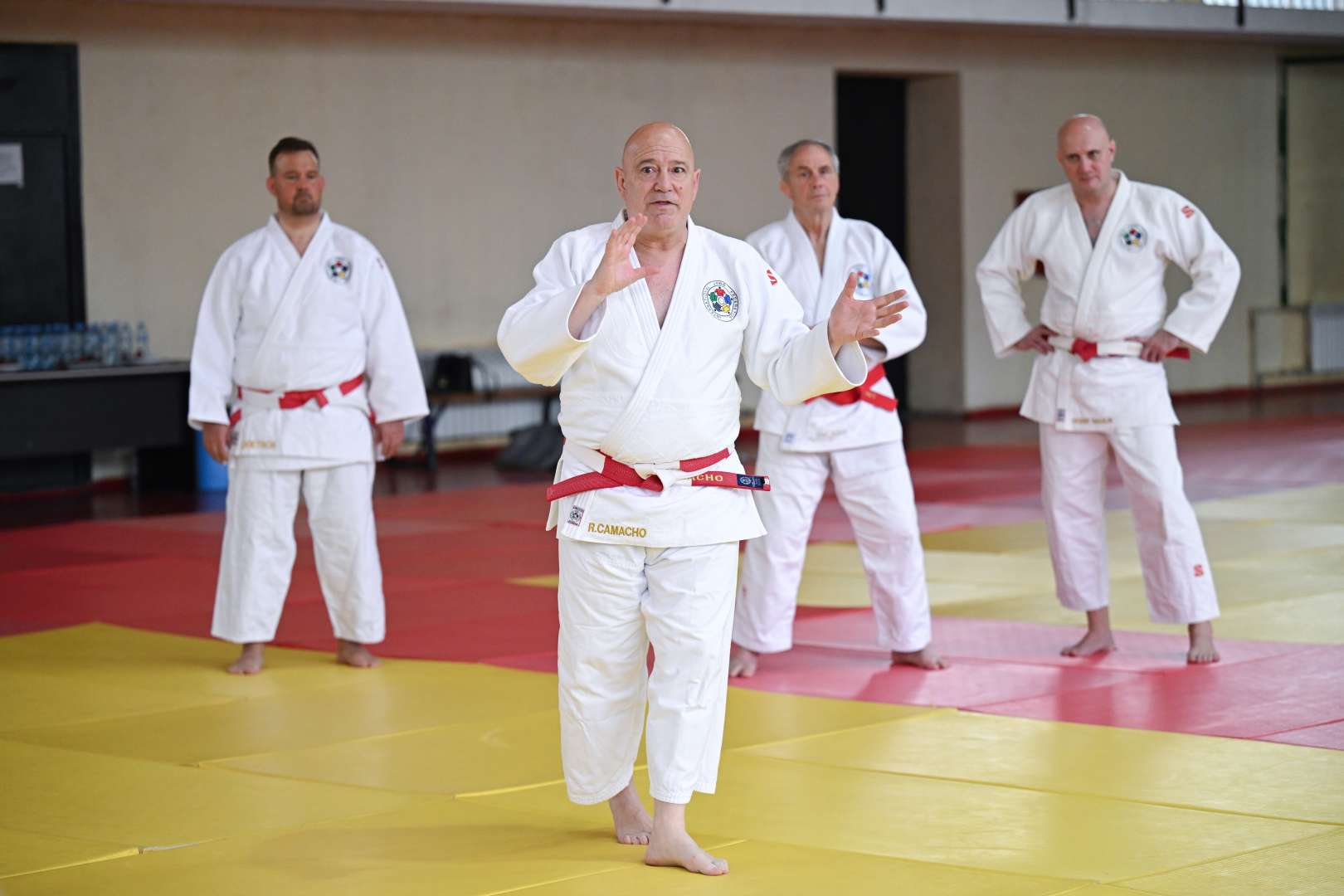
The idea is for every referee to have undergone study and examinations that ensure their continued development. World Judo Tour referee meetings, seminars, kata practice and much more is involved in this continuous process. “We give our referees the opportunity to choose where they do their exam, but it must be done.”
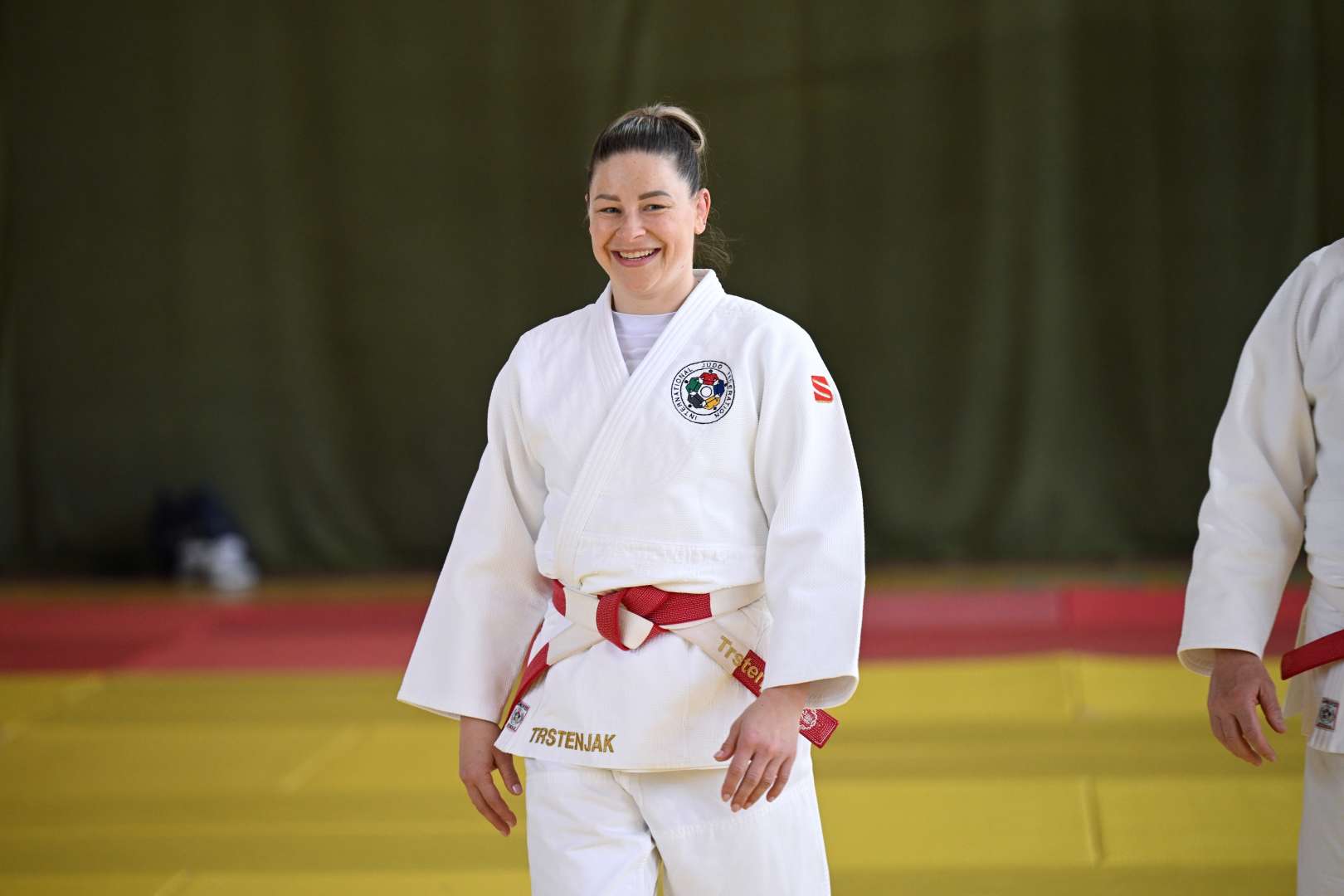
IJF Referee Director Ms Tina Trstenjak added, “Referees need to continue working to develop their knowledge and ensure their refereeing skills are at the right level for them to be present and confident on the world’s biggest tatami.”
During the coming events, each IJF referee will go through this examination process. It is challenging but also necessary and every referee is happy to continue developing in line with the demanding requirements of elite sport.