
For Ababacar Ngom, Head Refereeing Director of the African Judo Union, the session was of great importance. It forms part of a long-term development strategy that began in 2018. “In Africa, this has allowed us to improve the level of refereeing significantly,” he explained. “Previously, we did not have seminars like this. Each country would bring a referee to competitions and the overall standard was inconsistent. This led to judgement errors and disputes. Over the past few years, we have worked hard to promote a new generation of referees. Fresh talent was needed to inspire younger people to take on this crucial role.”
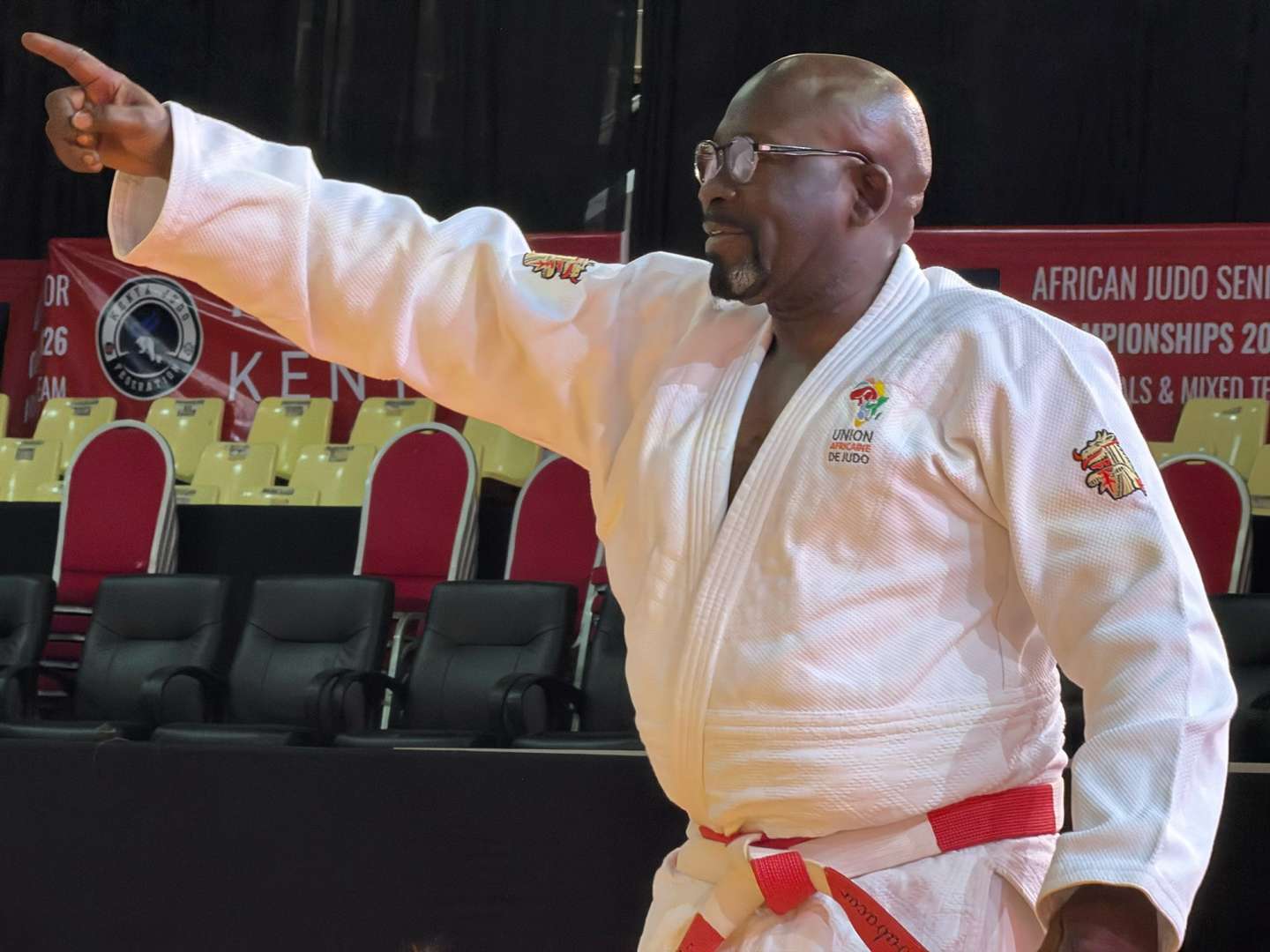
Ngom highlighted that the refereeing body had been ageing, but thanks to strong support from the International Judo Federation and its refereeing commission, significant progress has been made. “We have achieved real harmonisation. It has allowed us to look ahead, embrace new rules effectively and modernise our continental commission. This also aligns Africa with the other continents. We now share the same level of understanding and analysis.”
Efforts have also been made to standardise refereeing licences, contributing to a notable rise in quality. “In the past, referees would see a few examples on the tatami and then be thrown into competition. Today, the standard is much higher and continues to improve. Seminars like this one are essential and have now become mandatory.”
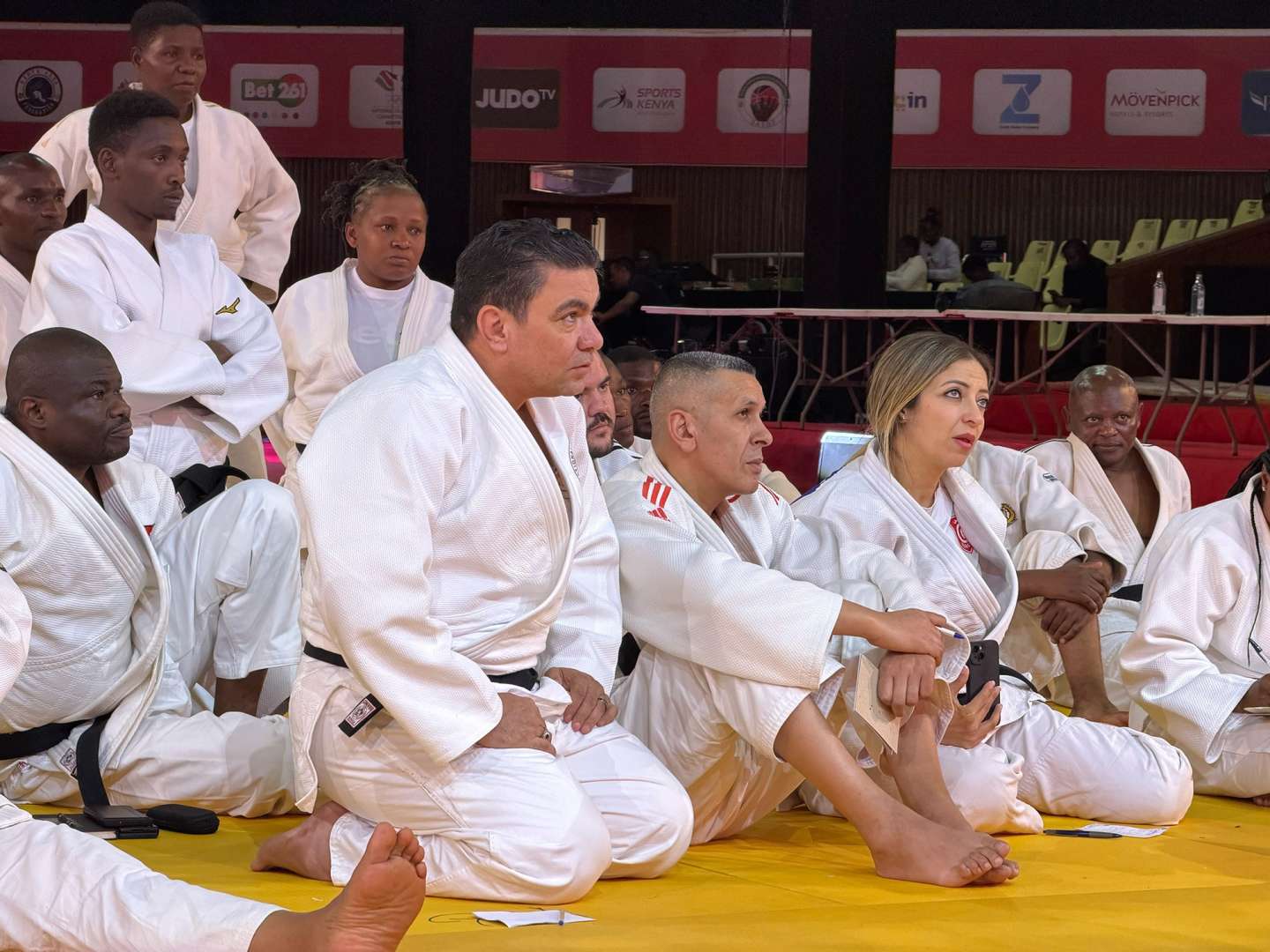
Organising these seminars directly at competition venues has also proved beneficial. With all facilities already in place, it reduces costs and allows referees to mentally prepare by immersing themselves in the rules before the event begins.
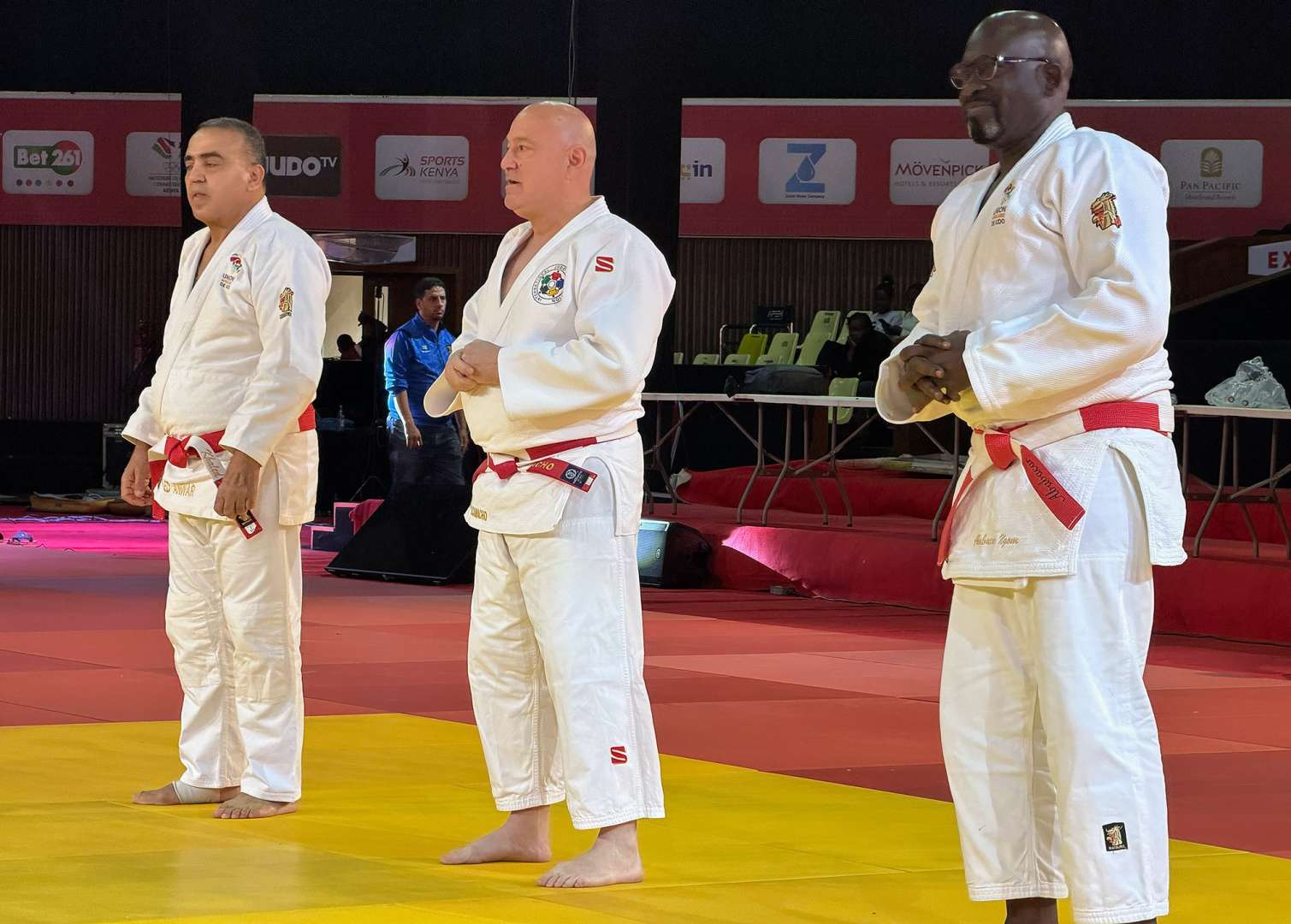
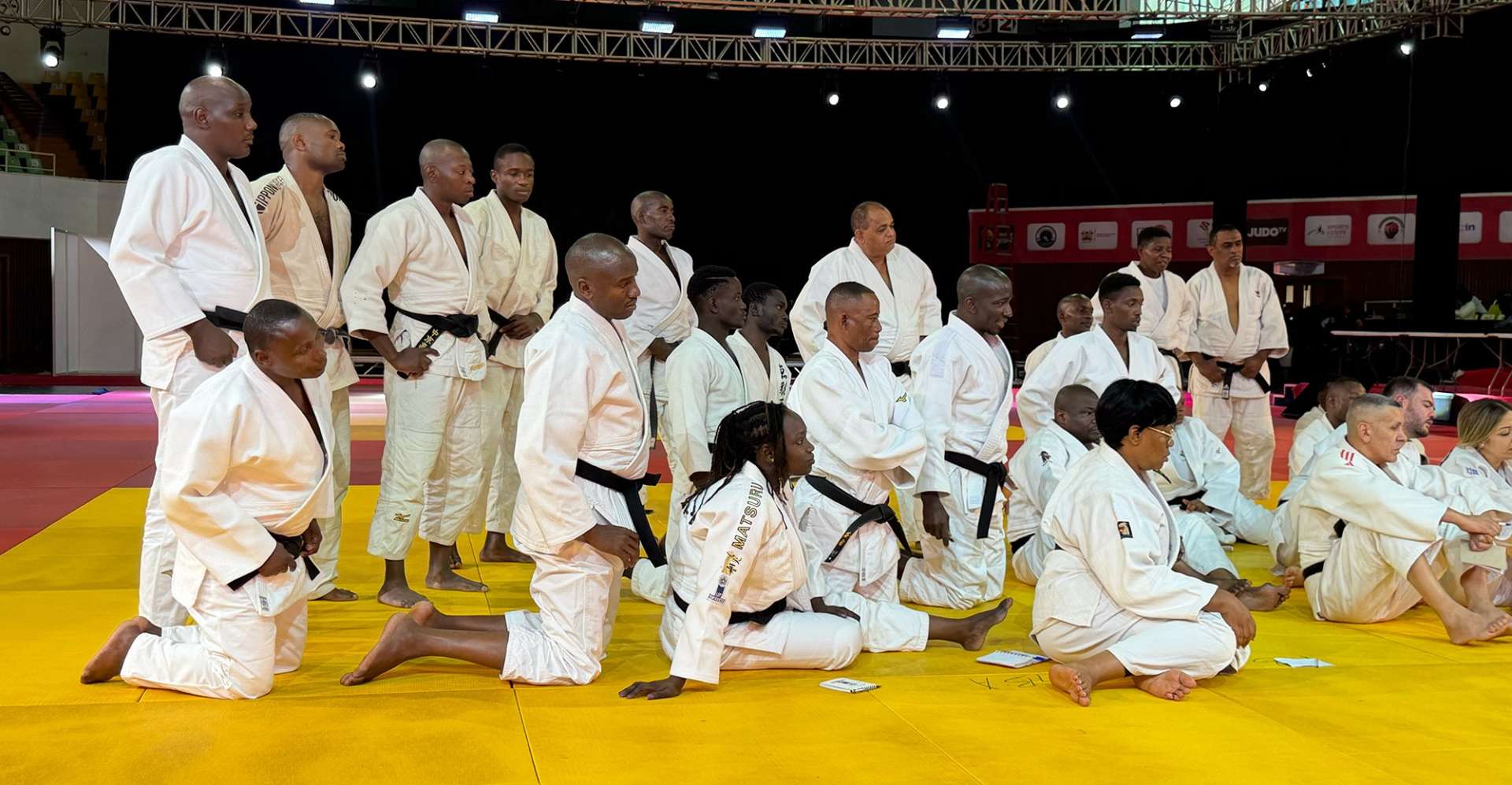
Under the supervision of Ababacar Ngom and Khaled Anwar, AJU Referee Director, 25 referees and 15 coaches took part in the session, reviewing the rules that will apply during the championships, in detail.
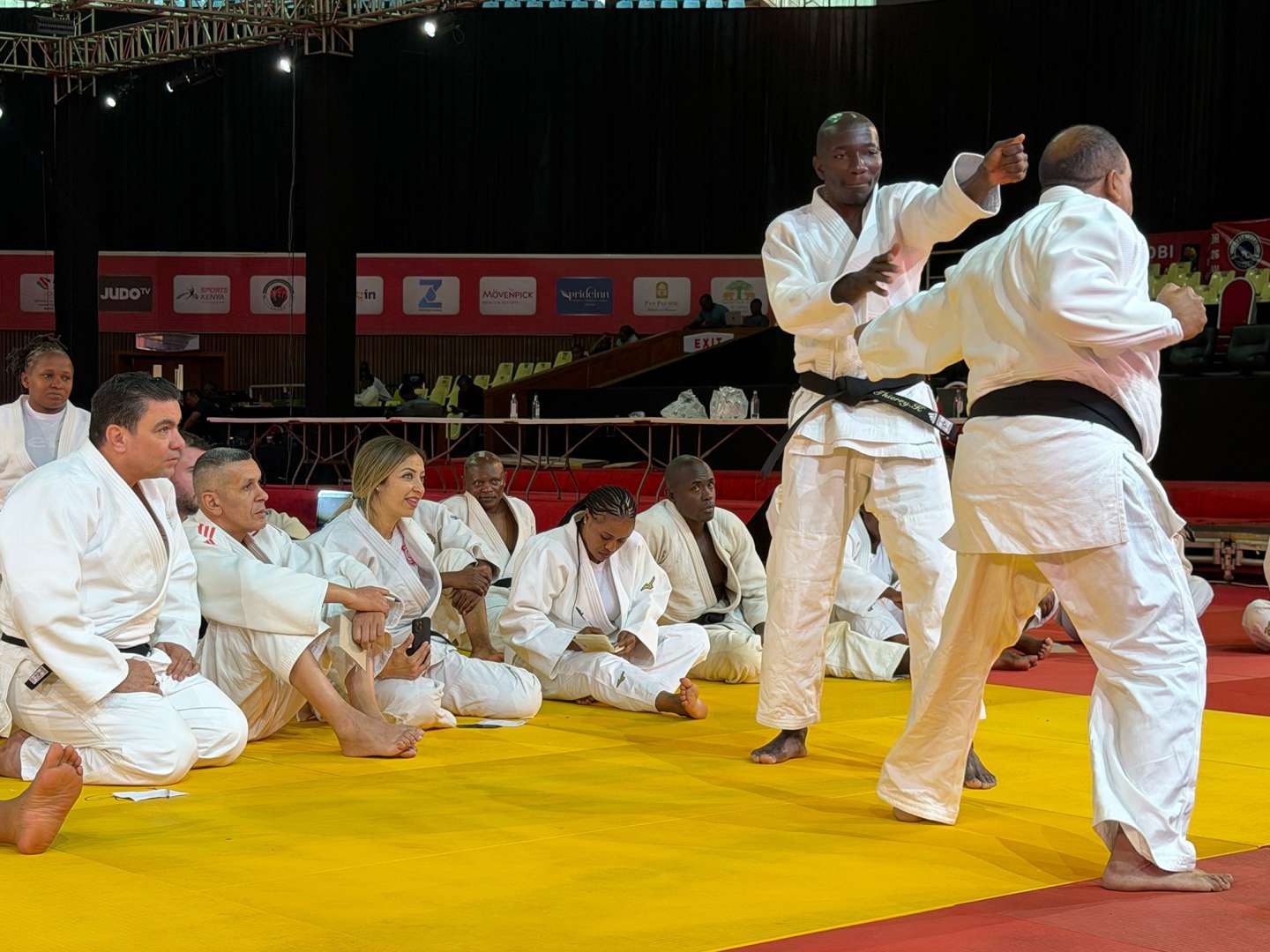
“With 40 participants, we had a strong group,” said Anwar. “The discussions were precise and the interactions excellent. Bringing referees and coaches together is extremely valuable. We reviewed everything using video analysis and I am pleased that IJF Referee Director Raul Camacho was also present.”
Mr Camacho engaged actively with participants and emphasised a key message, “We are not shido hunters. When there is a clear infringement, we give a shido but we love judo and want to let the athletes fight and produce beautiful judo.”
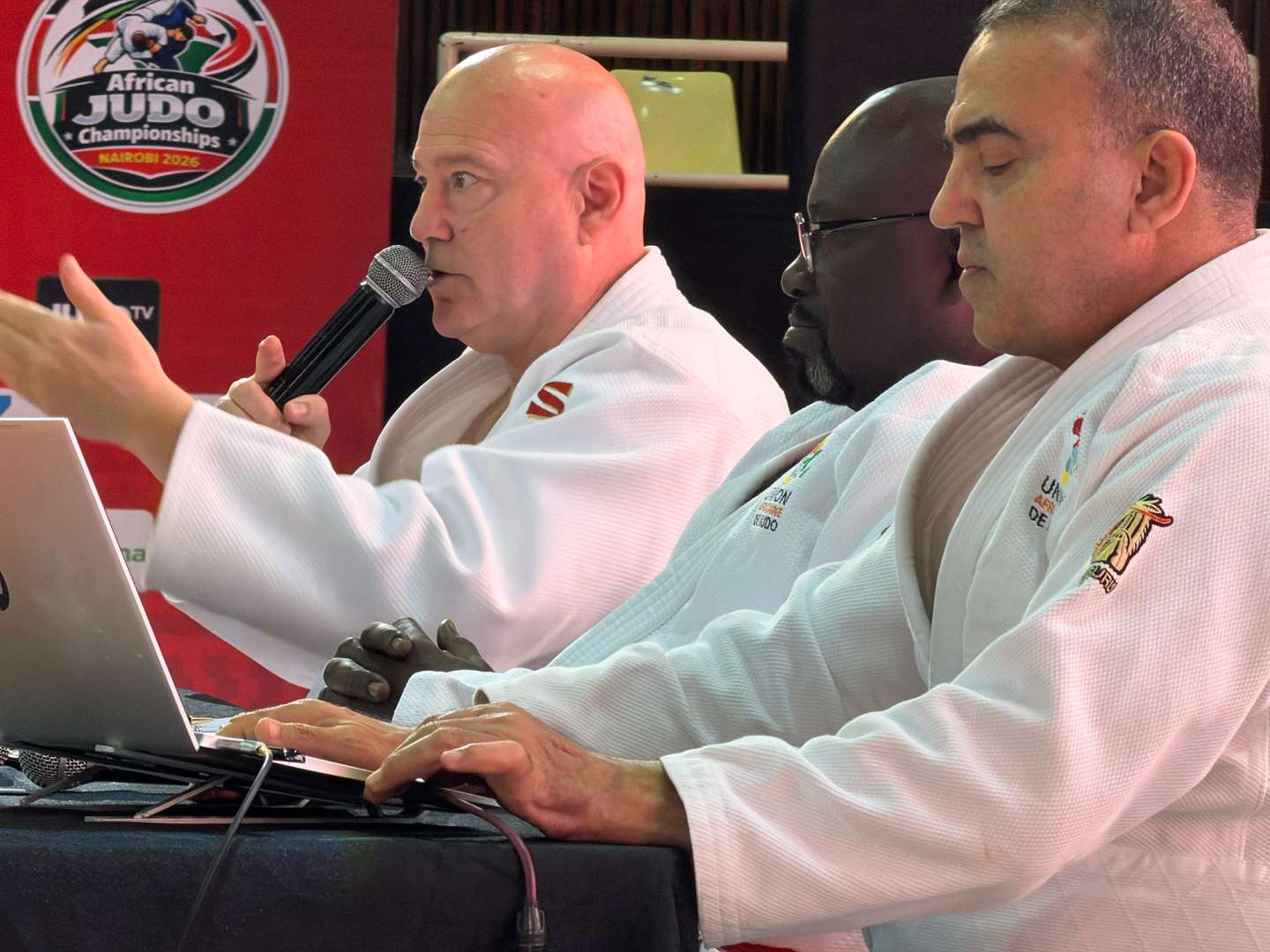
He also noted the high level of engagement, “I was pleasantly surprised by the number of questions at the end. It shows Africa’s strong interest in fair refereeing. It is crucial that referees, coaches and athletes all understand the rules. The technical preparation here is very good.”
As the 2026 African Championships approach, this seminar has laid a solid foundation for consistent and high-quality officiating. By bringing referees and coaches together in a collaborative environment, the African Judo Union, with IJF support, continues to strengthen both the understanding and application of the rules. The positive engagement witnessed in Nairobi reflects a shared commitment to fairness, development and excellence, ensuring that the competition will be conducted in the true spirit of judo.