
As the judo tournament approaches its conclusion, her assessment carries the perspective of someone who has accompanied the event through its challenges and witnessed the commitment required to deliver it. Above all, she sees a competition for which meaning extends beyond the venue: an encounter between the Olympic movement and a continent hosting the Games for the first time.
“Having the Youth Olympic Games in Dakar and in Africa for the first time makes this a unique event with a unique flavour. We all understand how important this is for the continent and for the world to get to know Africa and its people better,” she said. “We are delighted that the joy of sport and the Olympic values have been brought here to be shared with young people and to give hope to the entire world.”
That historic dimension has given the organising team a strong sense of purpose. There has been a tournament to deliver but also an opportunity to demonstrate what can be achieved through co-operation, trust and the sharing of expertise. The preparation demanded patience and sustained effort, supported by the enthusiasm of those determined to make the occasion a success.
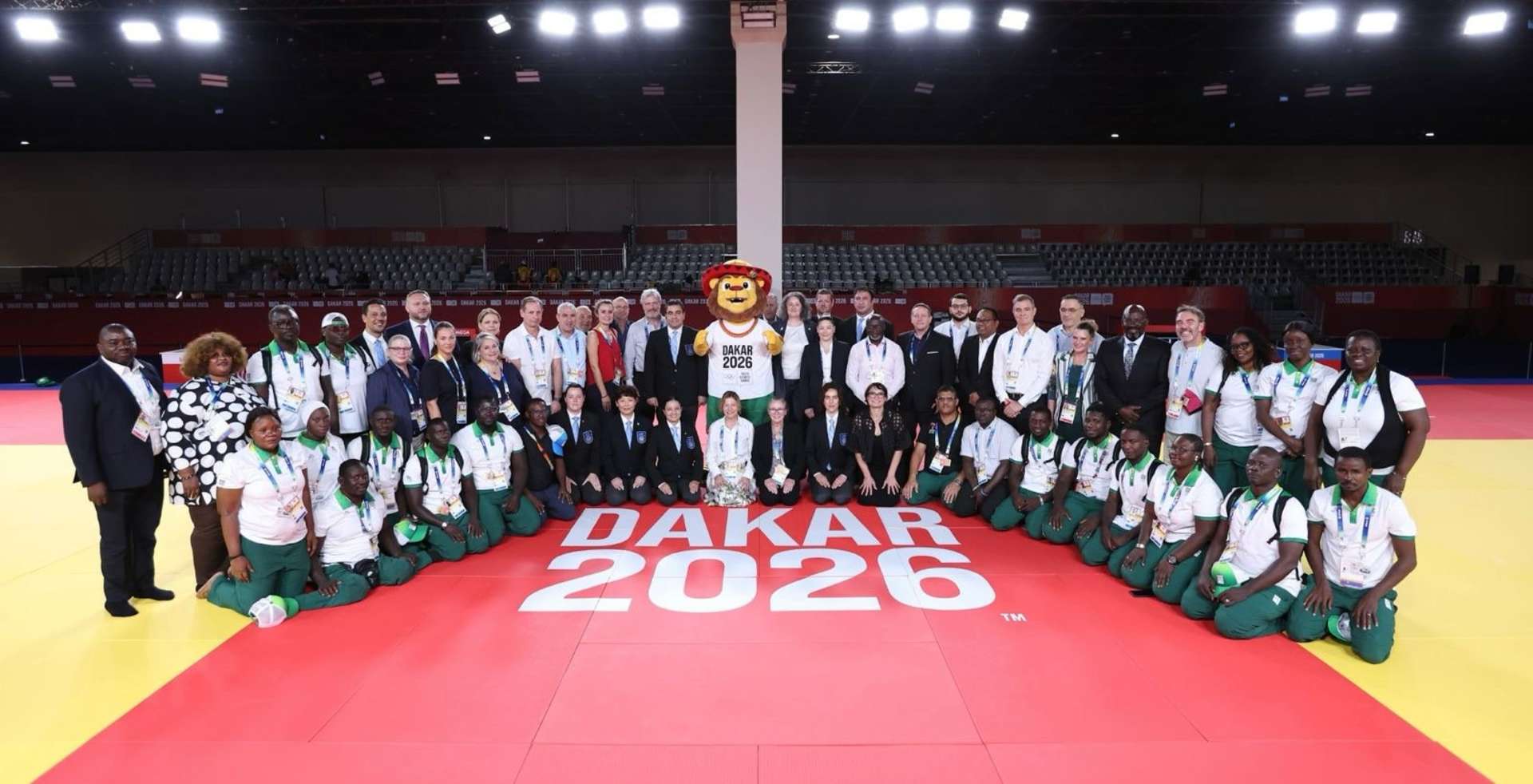
“From an organisational point of view, the journey was long and not always easy but throughout it we could feel the passion and motivation of those involved. For the judo competition, we had a great team. Our national technical officials and volunteers come from judo. They are knowledgeable and enthusiastic, and they gave their best to make this a success.”
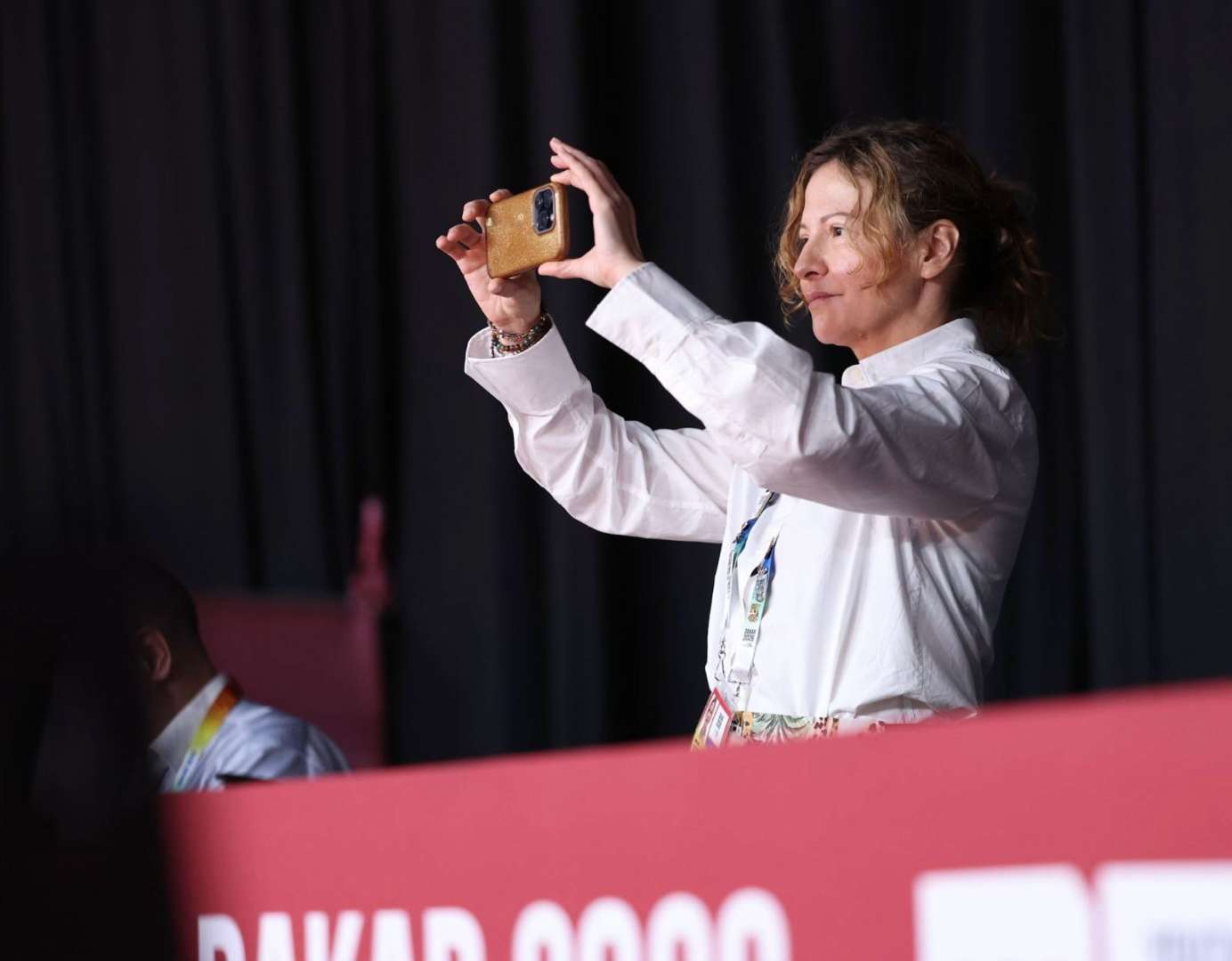
The involvement of the Senegalese judo community has been particularly valuable. Familiarity with the sport brings an understanding of its needs, its rhythm and the responsibilities surrounding a competition. Hosting young judoka from around the world also brings a personal investment: the desire to offer a welcome that reflects well on both the country and its judo family. “Since arriving here a week ago, we have worked tirelessly together, becoming one team with one goal: to make judo a success at Dakar 2026.”
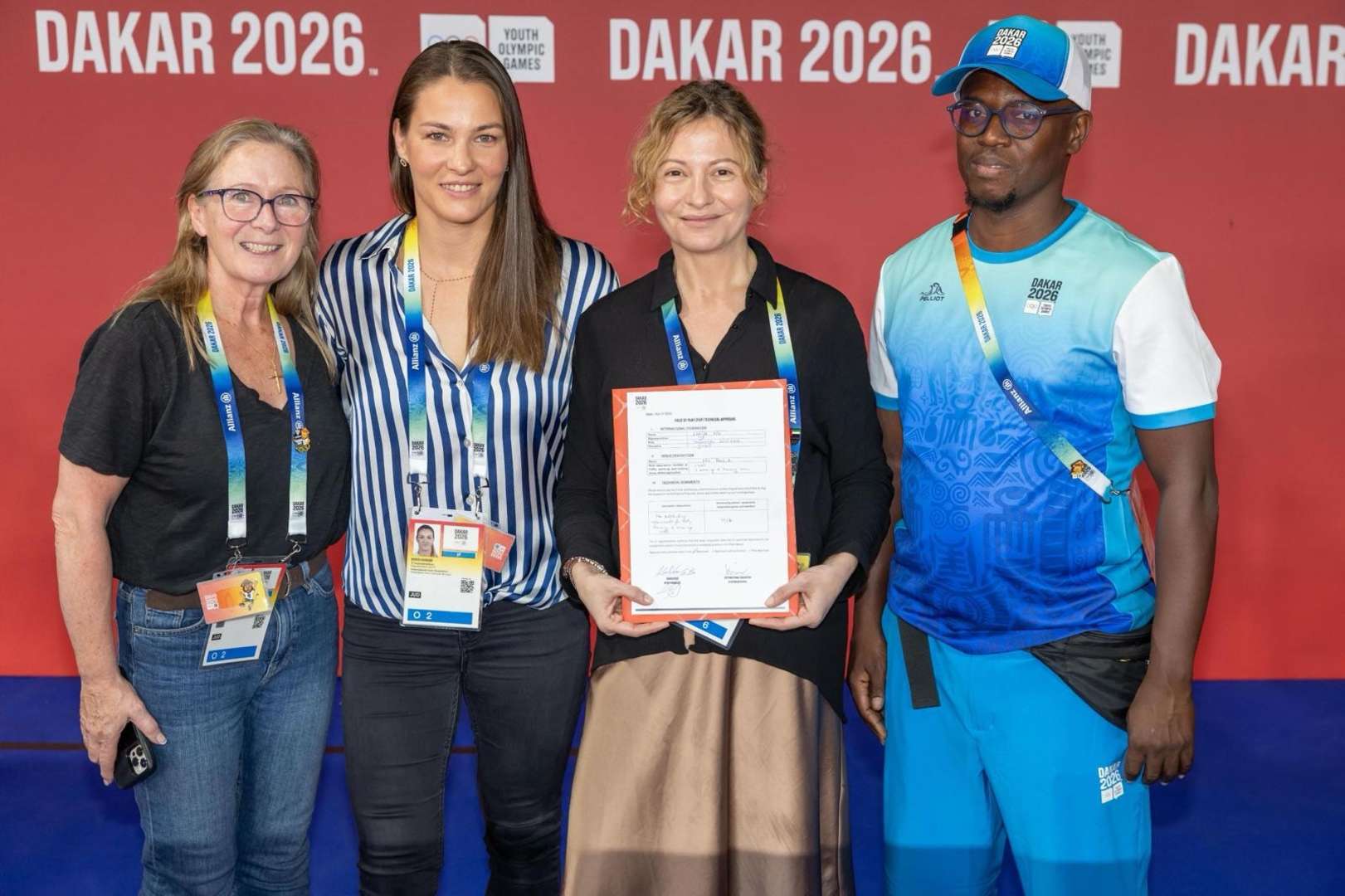
For Larisa Kiss, that unity has been strengthened by the complementary experience within the team. IJF colleagues accustomed to international competition have worked alongside national officials, volunteers and colleagues from the African Judo Union, bringing their knowledge into a shared effort. “Our IJF team is experienced and knowledgeable and we included many colleagues from the African Judo Union. Working together has been an incredible experience of professionalism and friendship.”
For Larisa, the composition of the team also represents an important milestone. Equal representation of women and men among those delivering the competition sends a powerful message about the opportunities available throughout the sport, including in technical roles. “Everything has been special but one of the most meaningful aspects of this experience for me was that, for the first time at an international judo event, we came here with a gender-balanced team. That makes me particularly happy. I hope it sets a strong example for all our member federations and encourages women around the world to contribute to the development of judo as technical officials too.”
Those words describe an important part of the event’s legacy. Beyond the immediate demands of competition, working together creates relationships and allows knowledge to circulate. Experience gained in Dakar can travel back into federations, clubs and future events, carried by people who have shared both responsibility and achievement. “I would like to thank President Marius Vizer and the IJF for the trust and support they gave us for this competition and all my colleagues who contributed to preparing and delivering this event.”
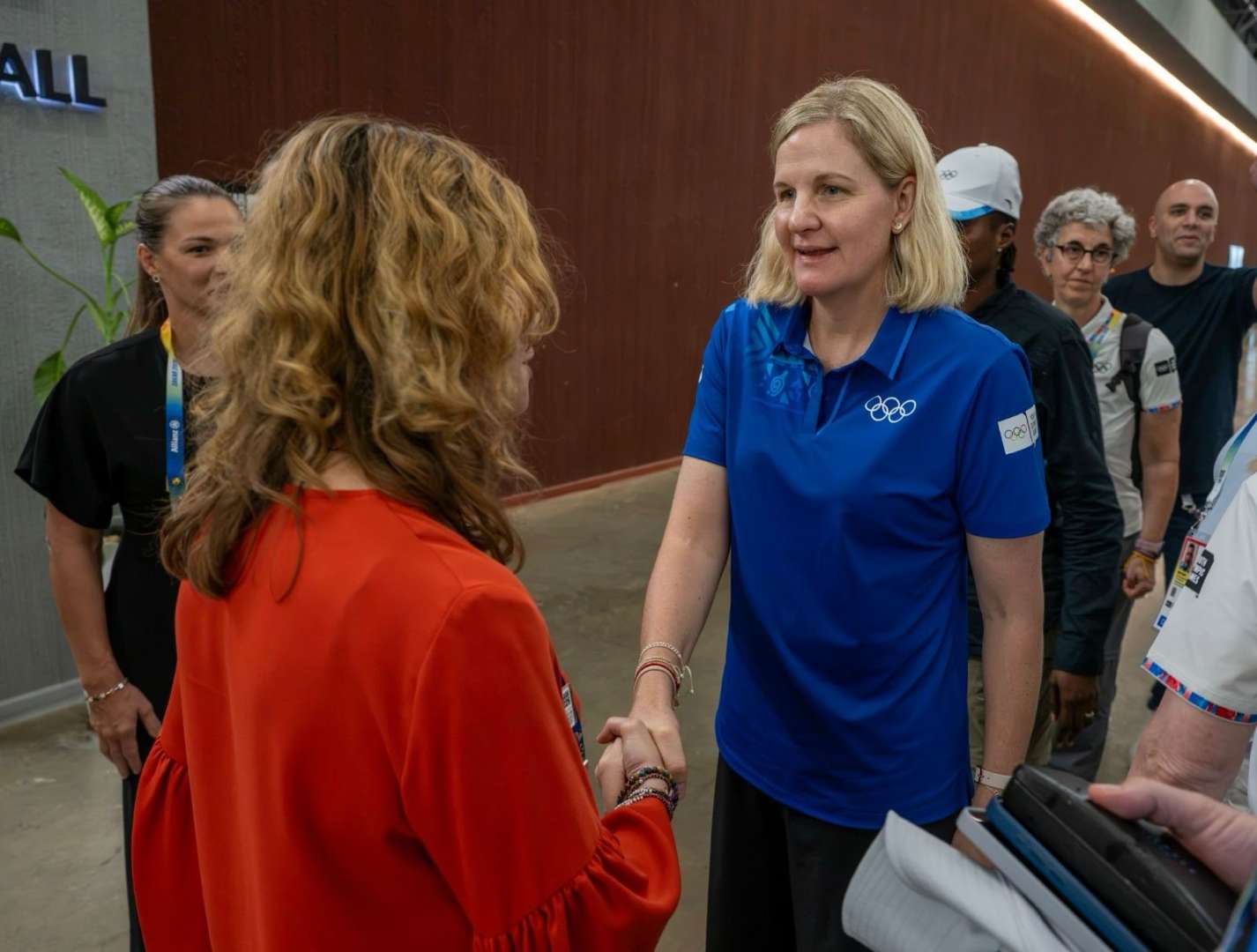
The tournament has also offered visitors an opportunity to see the quality of the young judoka and the atmosphere surrounding their performances. The visit of IOC President Kirsty Coventry on the second day was a particularly significant moment for the team. “We were very honoured to welcome the IOC President yesterday and to learn that she and the IOC were impressed by our work and by the performances of our young judoka. We have welcomed many guests throughout the competition. It has been a pleasure to see them enjoy and appreciate what was happening in the judo venue at Dakar 2026.”
At the centre of it all remain the athletes. Their ambition has given life to the preparations, while the diversity of countries reaching the decisive stages has reinforced the importance of offering young people an international platform. For nations with smaller judo programmes, a strong performance here can become a reference point for an entire community. “It is a great pleasure to see so many smaller judo countries performing here and making history by reaching the final stages of the competition and even winning medals.”
For the host country, Matar Diop’s bronze medal has given that possibility a powerful local expression. Seeing a Senegalese judoka on the podium brings the achievement close to home for young spectators. It offers encouragement to those already training and an invitation to those who have yet to discover the sport. “We are all very happy about the bronze medal won by Senegal. We hope it will provide extra motivation for Senegalese judo to become even better and attract more young people to our sport.”
The presence of Clarisse Agbegnenou as an Athlete Role Model has added another important dimension. Her availability and engagement have allowed young judoka to meet a champion whose experience encompasses success, disappointment, perseverance and renewal. For Larisa, the opportunity to work with her has made Dakar especially memorable. “For me personally, the event has been even more special because of the opportunity to work with Clarisse. She demonstrates what it means to live the values of judo on and off the tatami. Her presence has been appreciated by all the delegations and we are happy to have shared these unique moments with her.”
Such encounters belong to the wider purpose of the Youth Olympic Games. Competition gives the athletes a challenge; the people they meet can help them understand how to carry that experience forward. A conversation, an example or a word of encouragement may remain with them long after the results have been recorded.
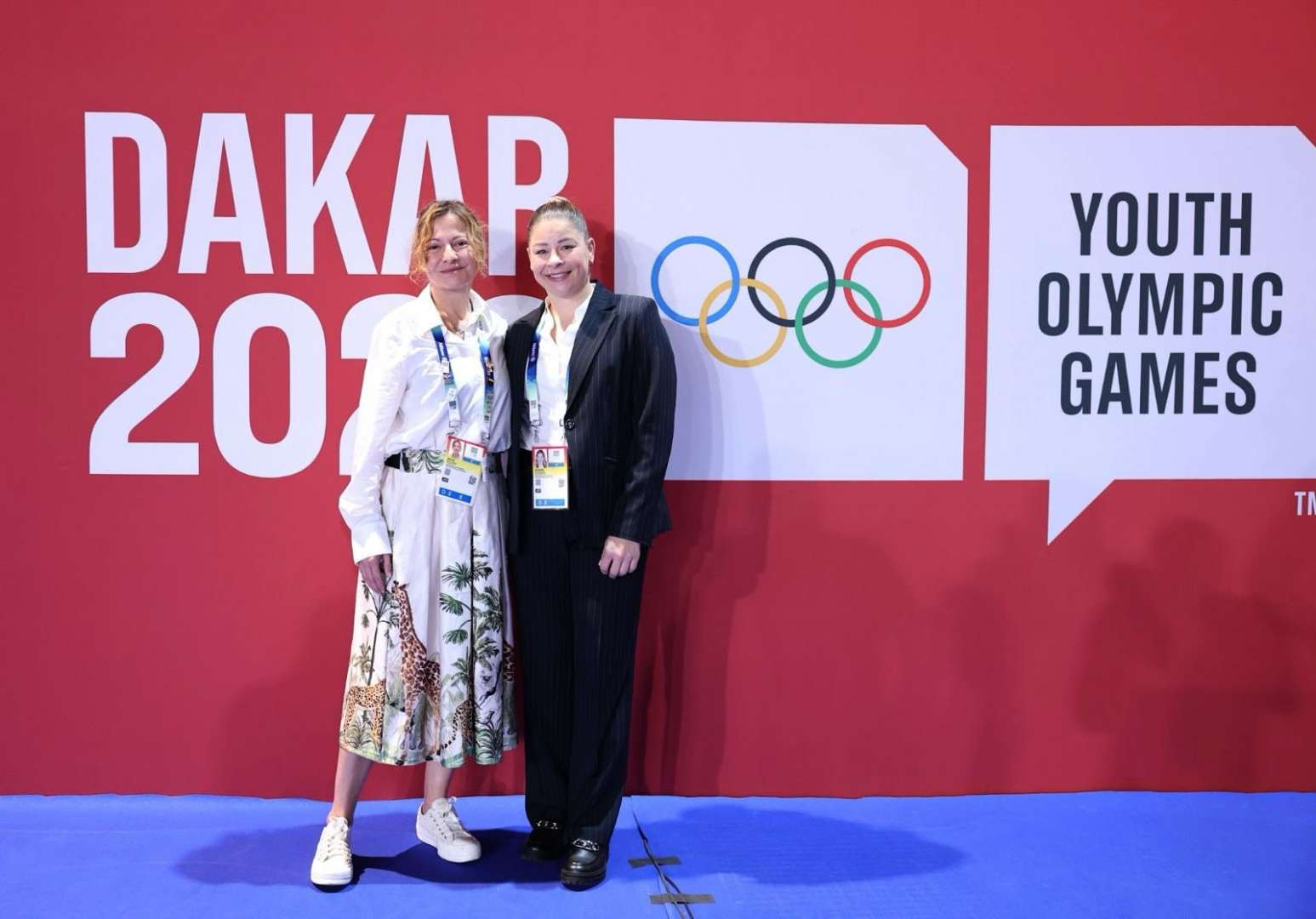
As the tournament draws towards its final contests, Larisa’s pride is rooted in the contribution of the whole team and in the opportunities their work has created. “I would like to thank all my colleagues once again for making this event happen. I am proud that we have been able to show the world the highest standards of the IJF.”
In Dakar, those standards have been delivered through experience, dedication and a shared willingness to make the occasion count. The young judoka will leave with different results but each has been given a place on this historic stage. Helping make that possible is an achievement the entire organising team can carry with pride.