
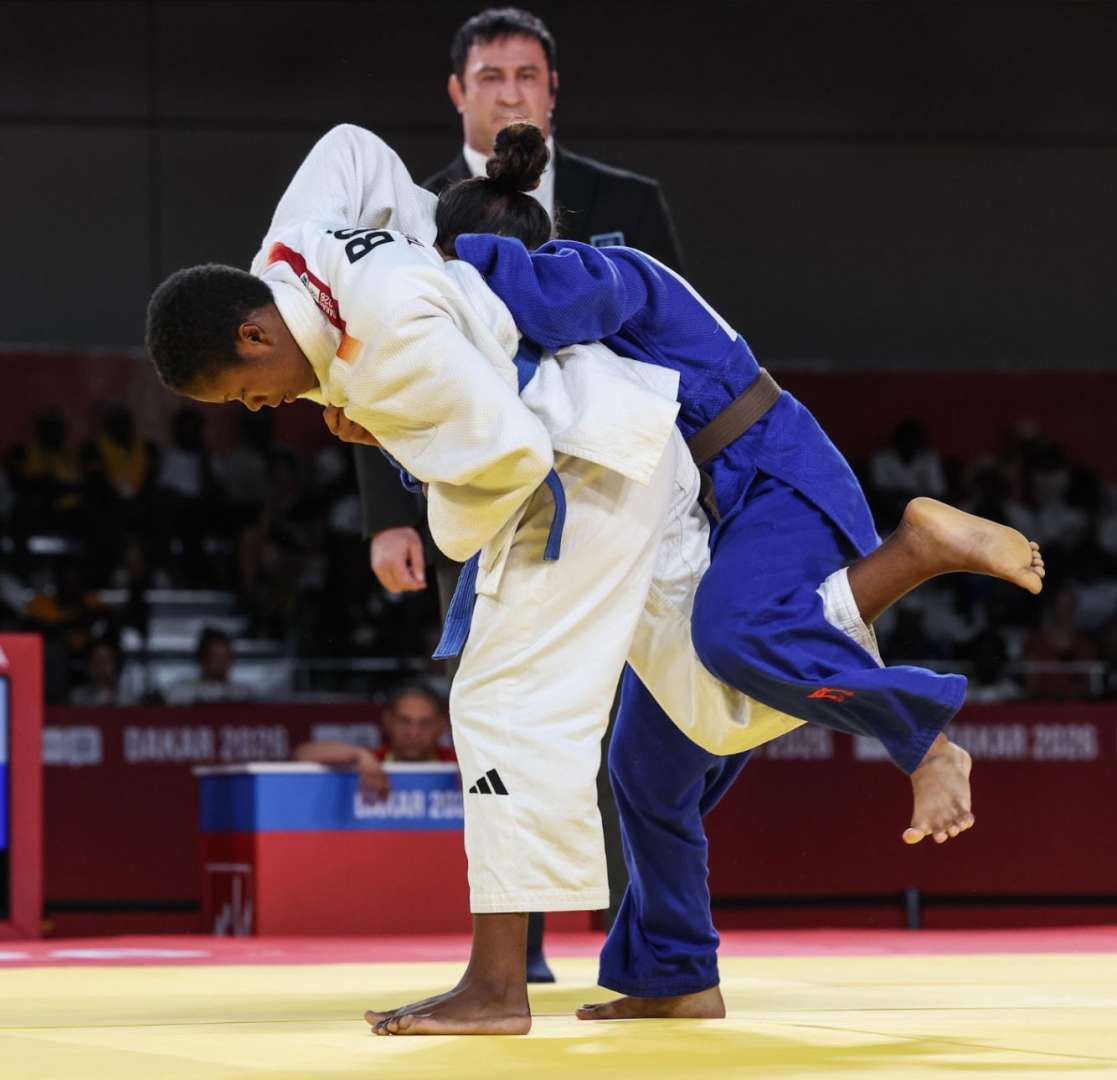
Before the first contests, nothing was certain. Major judo nations had arrived with ambitions of their own and the podium offered no guarantees to anyone. For Africa’s young judoka, however, there was an added incentive: the opportunity to show what they could do in front of a public for whom their success would resonate far beyond the competition hall. Each represented a country. Together, they gave a continent reasons to cheer.
Matar Diop gave Senegal a moment to treasure. By winning a bronze medal, he became the host nation’s first medallist of these Games, across all sports. A place on the podium was also a place in his country’s sporting history. For a young athlete, carrying that hope can be a considerable burden; turning it into a medal is an achievement for which meaning reaches well beyond the individual.
Zambia’s Elisha Zimba also claimed a magnificent bronze, earned through determination, ambition and an unrelenting desire to win. There was something deeply moving in seeing that commitment rewarded, in watching a young judoka seize an opportunity that had once existed only somewhere ahead of him, in training sessions and dreams. Yesterday, it became something he could hold.
Others left their mark without stepping on to the podium. Ibrahim Moussa of the Central African Republic, in the -55 kg category, and Theresa Tagarira of Botswana at -44 kg produced performances that deserve to be remembered. Their contribution belonged to the same story: young African athletes meeting the demands of the occasion, testing themselves and giving everything they had.
Throughout the day, national pride found room within a wider sense of belonging. The athletes brought their own identities and cultures to Dakar, while sharing in the significance of these Games for Africa. Even those competing far from their own countries could, in a very real sense, feel at home.
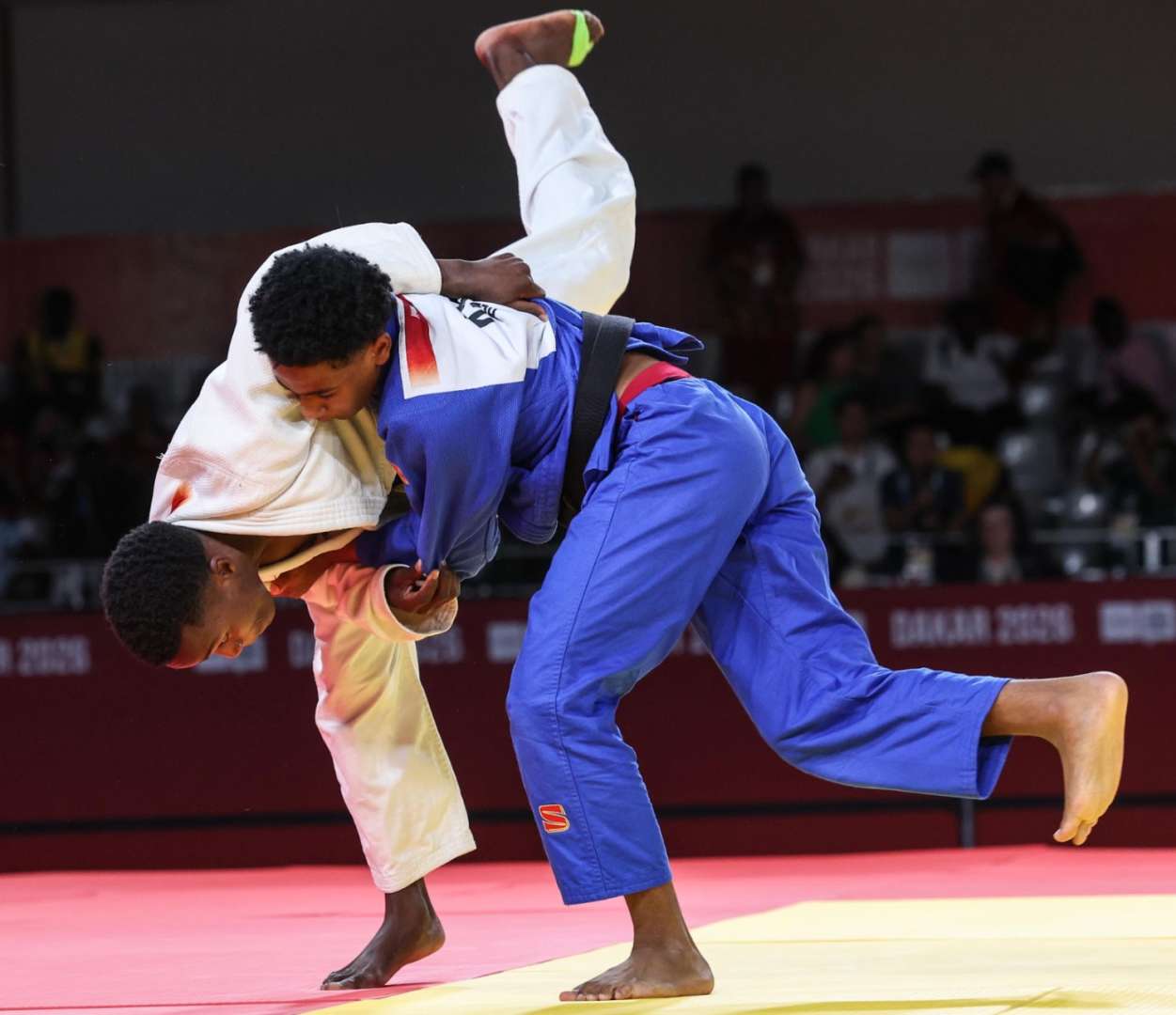
Botay Arno Yafunga embodied that feeling particularly strongly. Born in Congo and a refugee in Kenya, competing for the Olympic Refugee Team, he carried a journey that crossed borders long before he arrived in Senegal. In Dakar, those different strands of his life seemed to find common ground. He came agonisingly close to a medal, finishing fifth, within touching distance of a podium every competitor longs to reach.
That disappointment deserves to be acknowledged. Athletes do not devote themselves to their sport without wanting to win and coming so close can hurt. Yet the value of Yafunga’s performance also lay in the wholehearted commitment that brought him there. He had earned the right to contest a medal on this stage. He had made the possibility real.
The Olympic ideal championed by Baron Pierre de Coubertin gives meaning to precisely this kind of effort: participation demands courage and the quality of the struggle matters alongside its outcome. Giving the best of oneself is a profound sporting ambition in its own right.
Botay Arno, Matar, Elisha, Ibrahim, Theresa and their fellow judoka gave that idea life yesterday. Through their performances, Africa’s historic role as host became something intimate and human; a young person stepping on to the tatami, carrying a flag, feeling the weight of the occasion and finding the courage to rise to it.
They have every reason to be proud. Across a continent, there are people who will have watched them and felt proud too.