
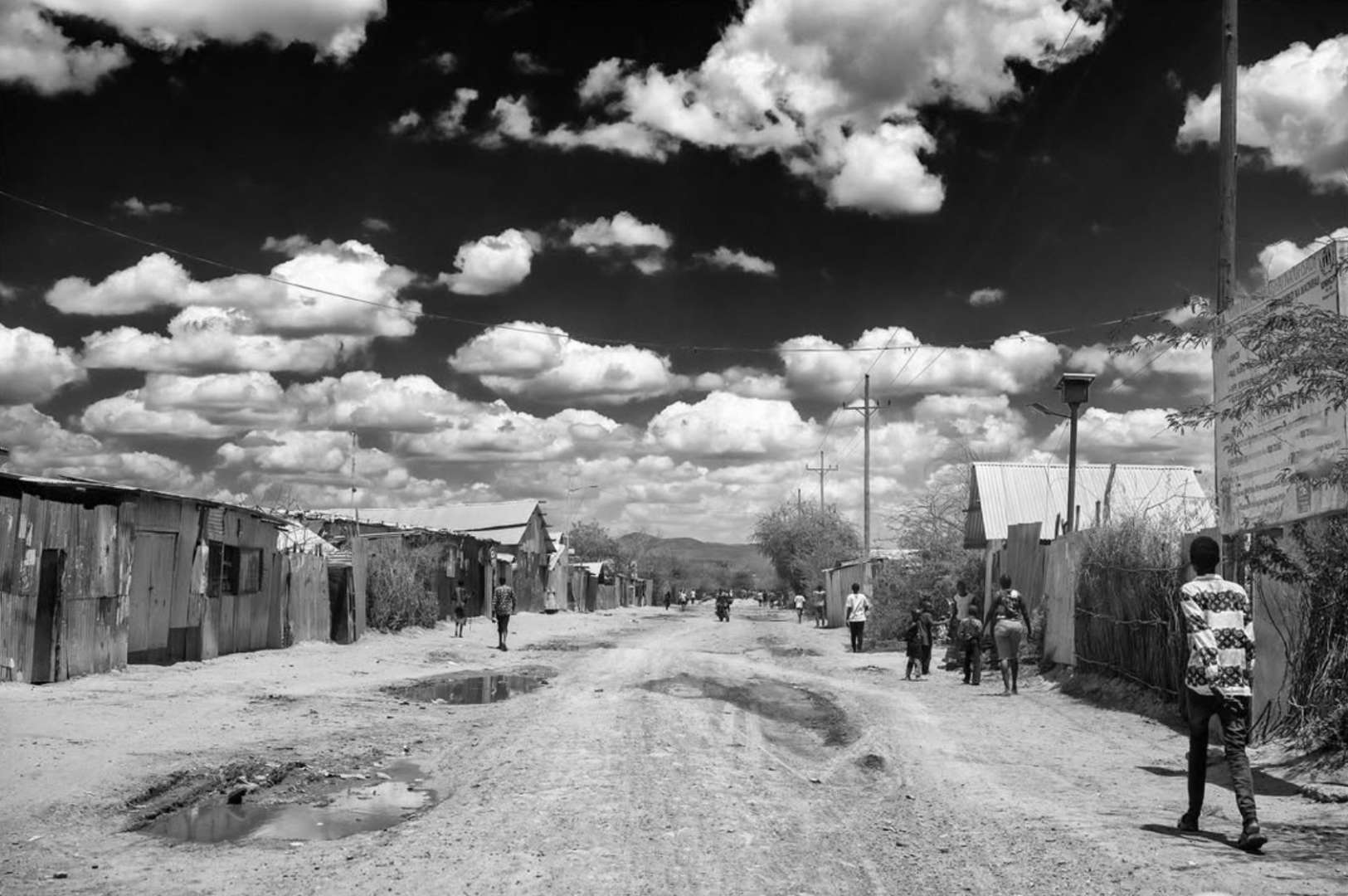
Originally from the Democratic Republic of Congo, Arno fled his country with his family as a child and found safety in Kenya, spending time at Kakuma refugee camp. His introduction to judo came through his father, Arnold. Watching him train awakened an interest that would eventually take the young judoka to an Olympic event. Today, Arnold remains his coach, accompanying his son on a journey they have built together.
Before the Games, the 15-year-old described a demanding routine in Nairobi: running early in the morning, attending school during the day and training in the evening. He also explained what judo offered him beyond competition. In an environment where young people can encounter difficult choices, the dojo gave him direction, teaching respect and responsibility. His father, a black belt, spoke about the practical barriers facing refugee families, from administrative documents and access to employment, to finding equipment and places to train.
Arno’s ambitions were clear. He wanted to win, but he also wanted his participation to open people’s eyes. “I wanted to show that, as refugees, we are capable of achieving great things,” he said.
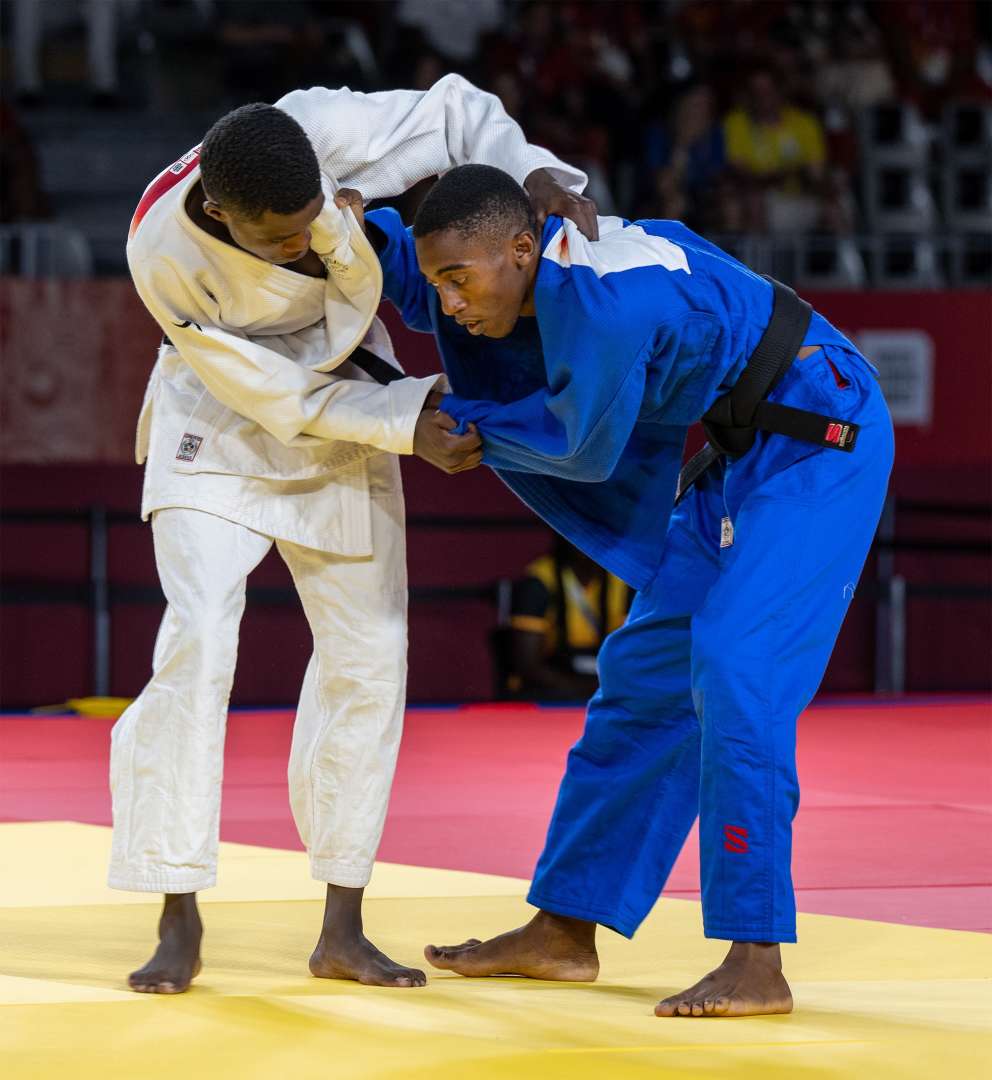
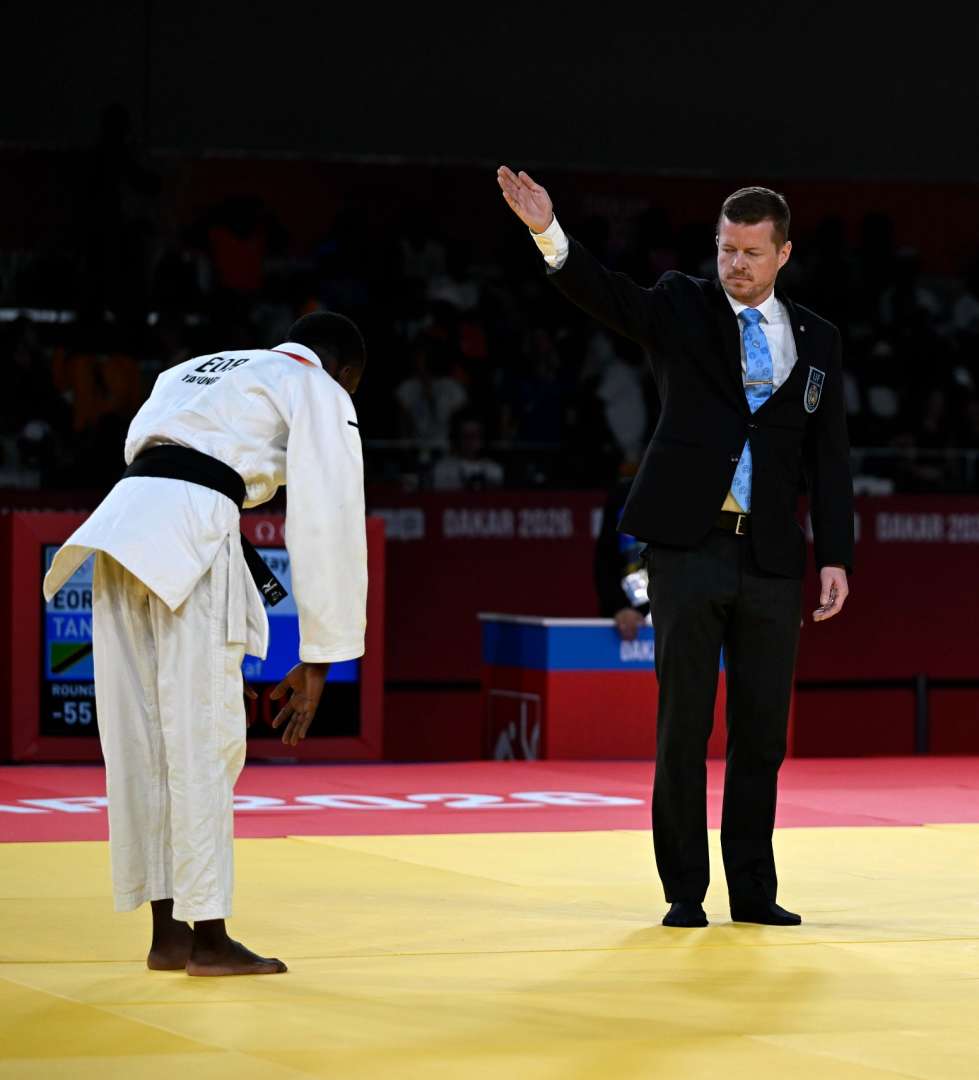
At the Dakar Expo Center on 1st November, he had the chance to put that determination into action. An opening victory over his Tanzanian opponent was followed by defeat against Saudi Arabia’s representative in the quarter-final. He responded in the repechage with an ippon victory and advanced to the bronze medal contest. His five Refugee Olympic Team teammates were there to support him throughout.
Mongolia’s Tugskhuslen Tungalag stood between Arno and a medal. Under pressure immediately in ne-waza, Arno escaped an immobilisation and an armlock threat to earn another opportunity in the standing phase. Tungalag’s next attack, however, brought a decisive seoi-otoshi for ippon. Arno finished in fifth place, one win away from the podium, after showing that he could compete for a medal on this stage.
Afterwards, disappointment sat alongside pride. “But I am so proud of myself,” he said, acknowledging both his performance and the encouragement of his teammates. Their presence mattered, "I have competed as an individual, with an entire team behind me."
Arno receives support through the Refugee Athlete Support Programme, managed by the Olympic Refuge Foundation and funded by Olympic Solidarity, with Kenya serving as his host National Olympic Committee. That support helped make Dakar possible. What he did with the opportunity was his own: he trained, competed, recovered from defeat and reached a medal contest. For the young judoka who once watched his father practise, there is now another experience to build upon and another reason to keep going.