
Burundi was on the brink. Communities had been torn apart and peace seemed far removed from the daily concerns of people who had to get up each morning and get on with their lives. We brought judo with us because it was what we knew. We had a few tatami, a bag full of judogi and a wish to share them. In the dojo, you learn to trust the person who throws you. You also learn to guide their fall, help them back to their feet and start again together. In Burundi in those years, those simple gestures carried particular weight.
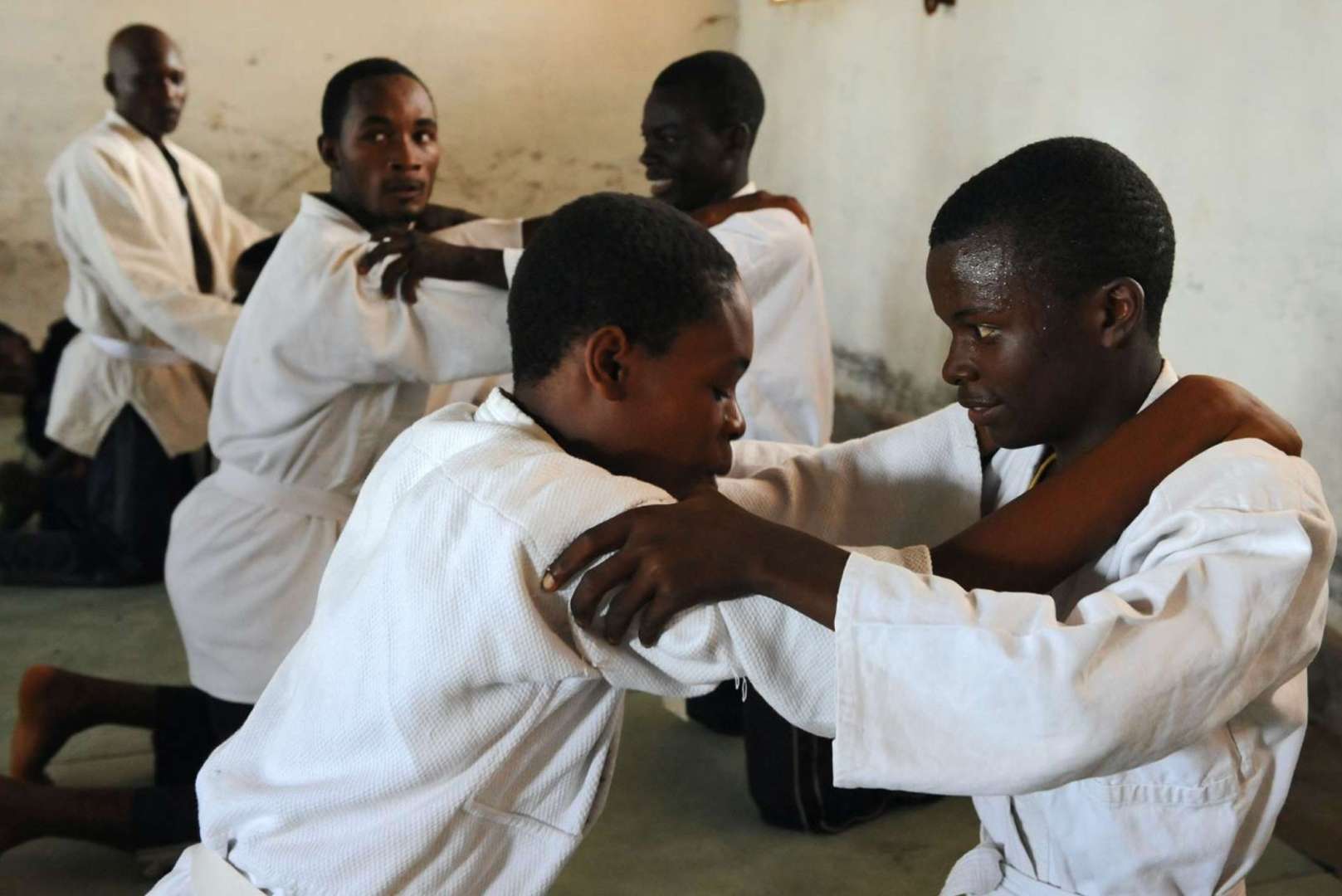
It took deep conviction to keep seeing light in those beautiful landscapes when so many lives were growing darker. We drew that conviction from our Burundian friends, who soon became family. They, too, believed in this quiet revolution. There were plenty of obstacles. Whenever one blocked our way, we looked for another route. Sometimes the detour brought us to people we might never otherwise have met.
In 2006, in Bujumbura, we began talking in more concrete terms about the future. The national judo federation, led by its president, Valéry, and his team, had a dream. They wanted to win an Olympic medal within four years. I told them I thought that timetable was unrealistic. The ambition was already there. We still needed to build clubs, train coaches and give young judoka time to grow in the sport, to compete, to lose and to come back. To reach the Moon, first we had to build a launch pad, then a rocket. They already had their eyes on the Moon. I could mostly see how much we still had to build.
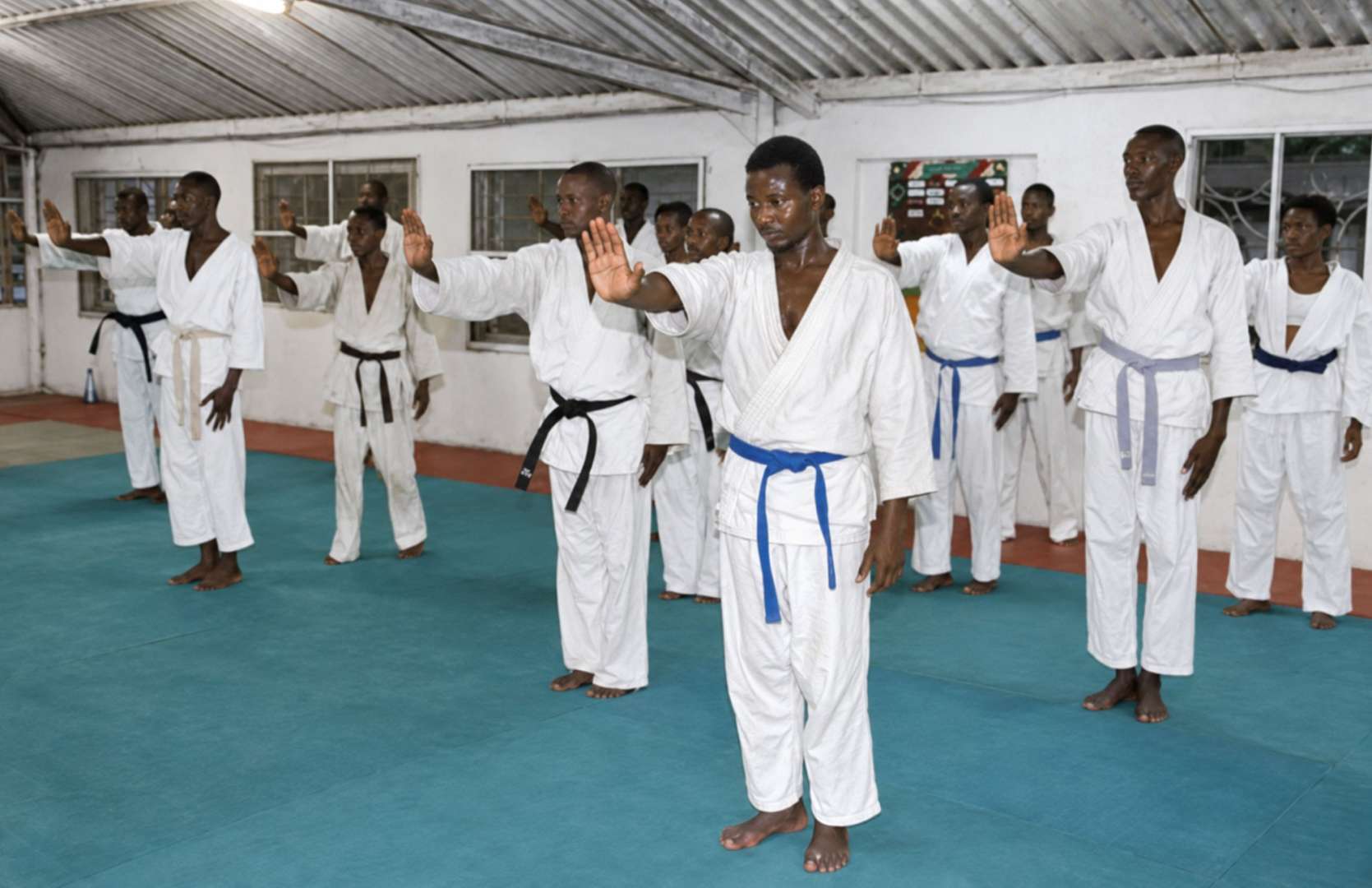
The years passed. One small success at a time, Burundian judo grew. In Bujumbura and elsewhere in the country, the seeds we had helped sew began to take root. Burundian coaches, officials and volunteers kept the clubs going, came up with ideas of their own and passed on what they had learned. On successive visits, I watched those ideas take shape and the projects move forward in their hands. We had shared what we could. One of my greatest joys, I think, was seeing what they made of it.
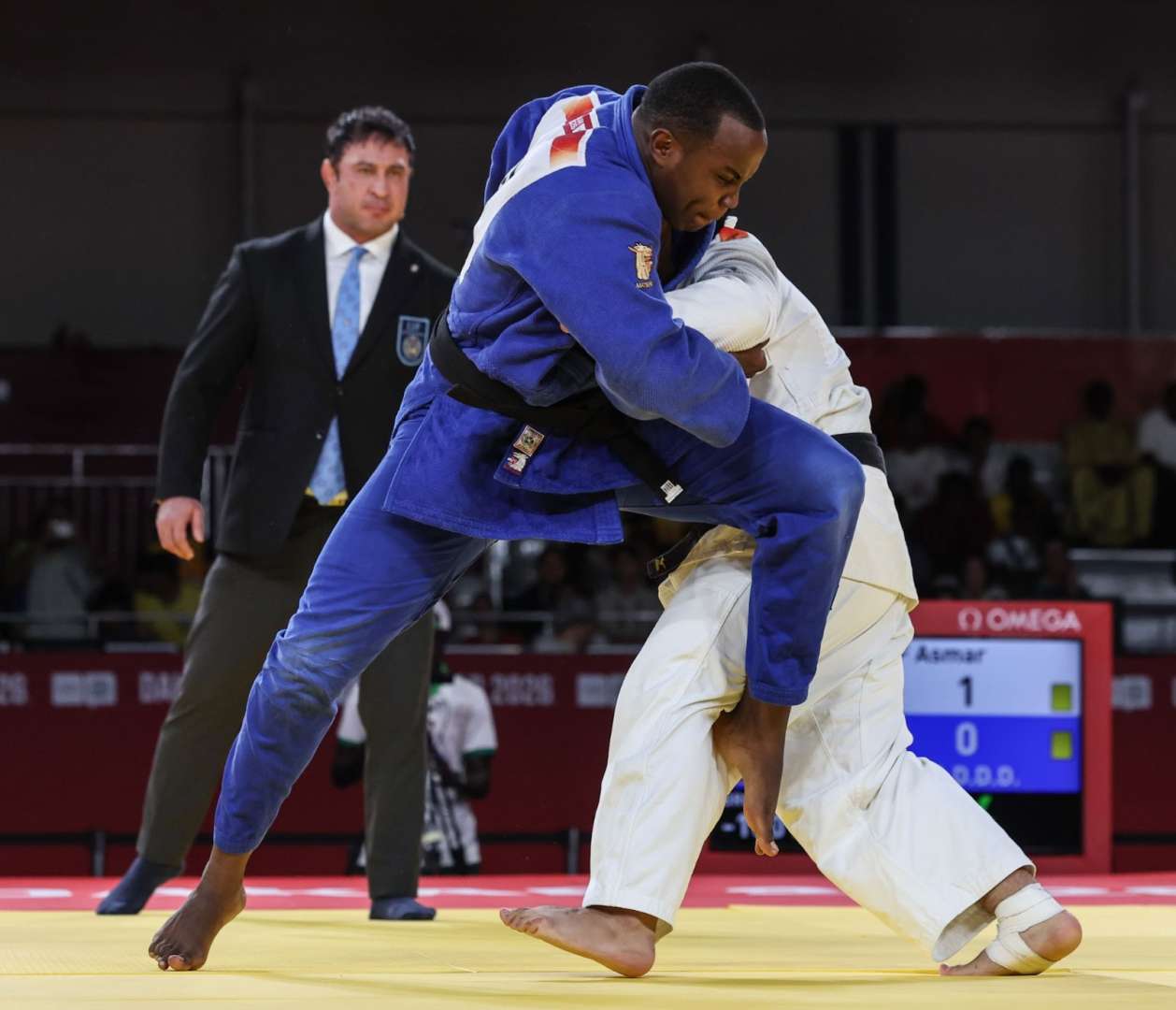
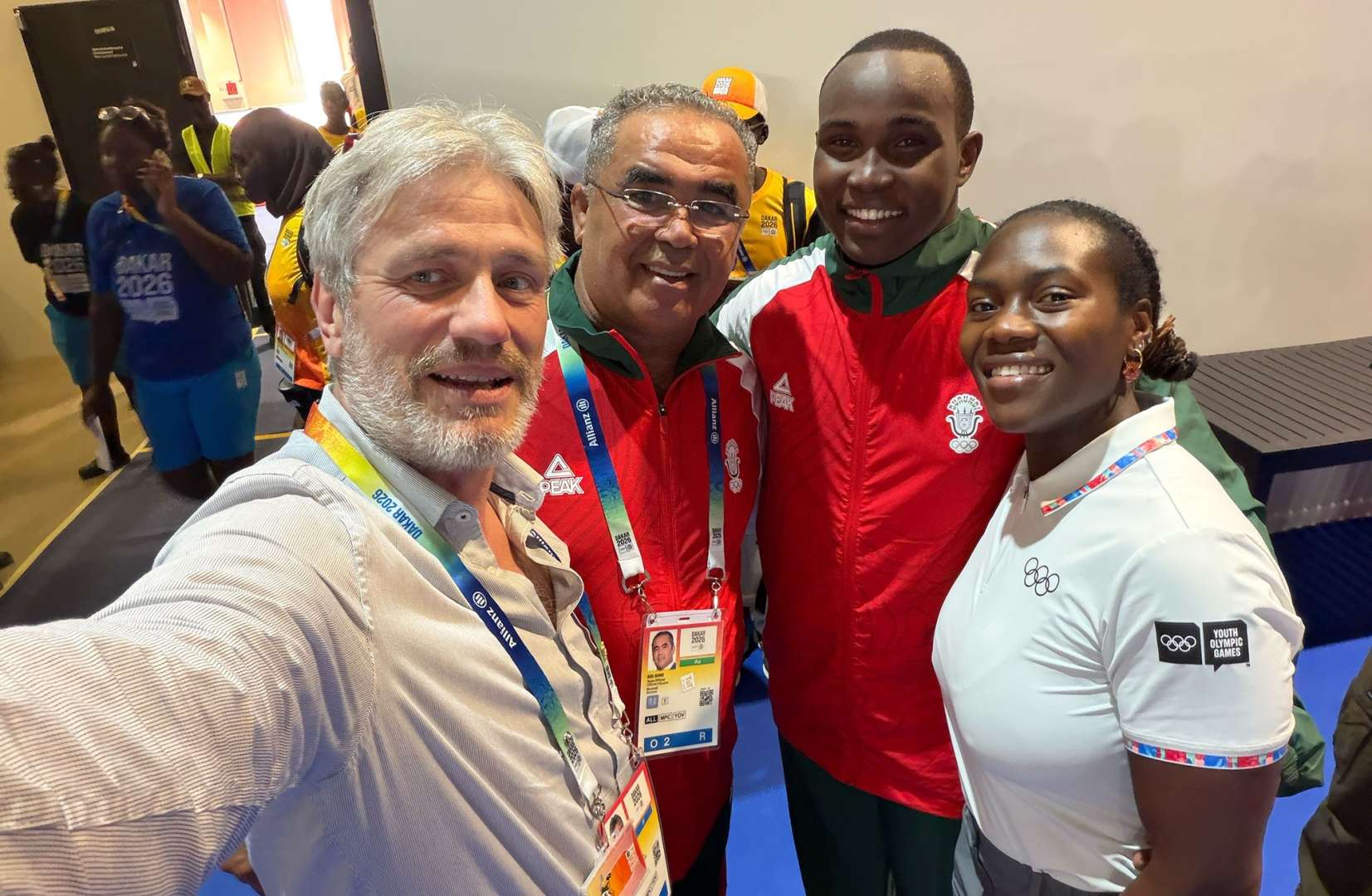
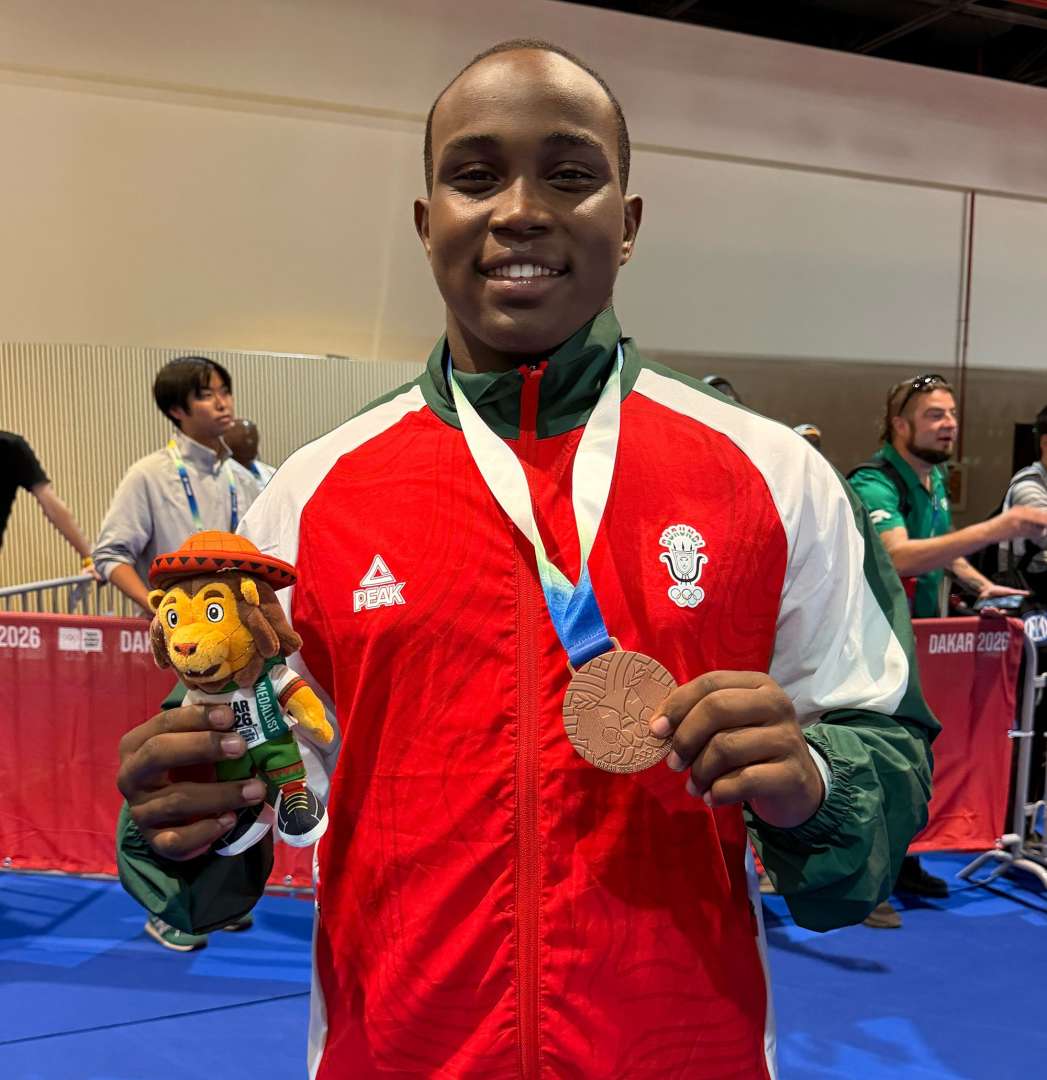
Twenty years have passed since that conversation. Twenty years is a lifetime and now, at the Dakar 2026 Youth Olympic Games, Burundi won its first medal in judo. The young man who won it is called Don de Dieu Igiraneza. Don de Dieu means ‘gift from God’. You couldn’t make it up.
He was behind in his bronze medal contest. He kept attacking, looking for an opening and risking leaving himself exposed as time ran out. Then he put everything into one throw and scored ippon. He went after that medal with courage and style. It is his and I think of the joy of everyone in Burundi who watched him win it.
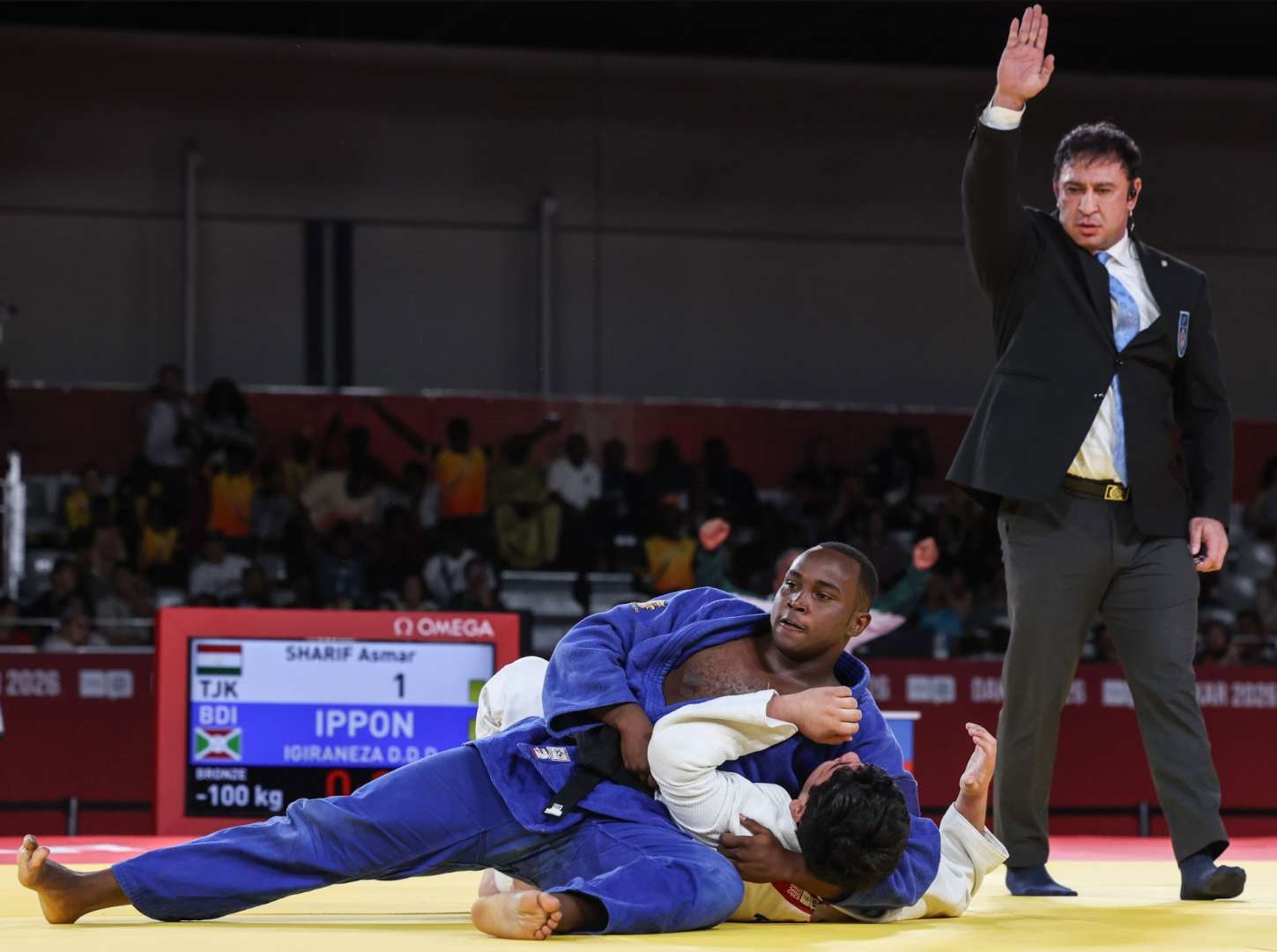
Don de Dieu had not yet been born when Valéry and his team first talked about that medal. They believed in it enough to say it out loud, even as I was telling them it would take much longer. Four years was too soon. Twenty years later, I recognised their dream in the face of that young man the moment he realised he had won.
Tonight, I had goosebumps. I thought of my father, of both my parents and of the friends who became family. I thought of the judoka who had lost before him, the coaches who returned to the dojo the day after a defeat and everyone who kept opening the doors, laying out the mats and welcoming children. In Kirundi, we say Turikumwe, we are together. Tonight in Dakar, I felt what those words meant. I thought of all those who would have loved to be there and who, in a way, were.
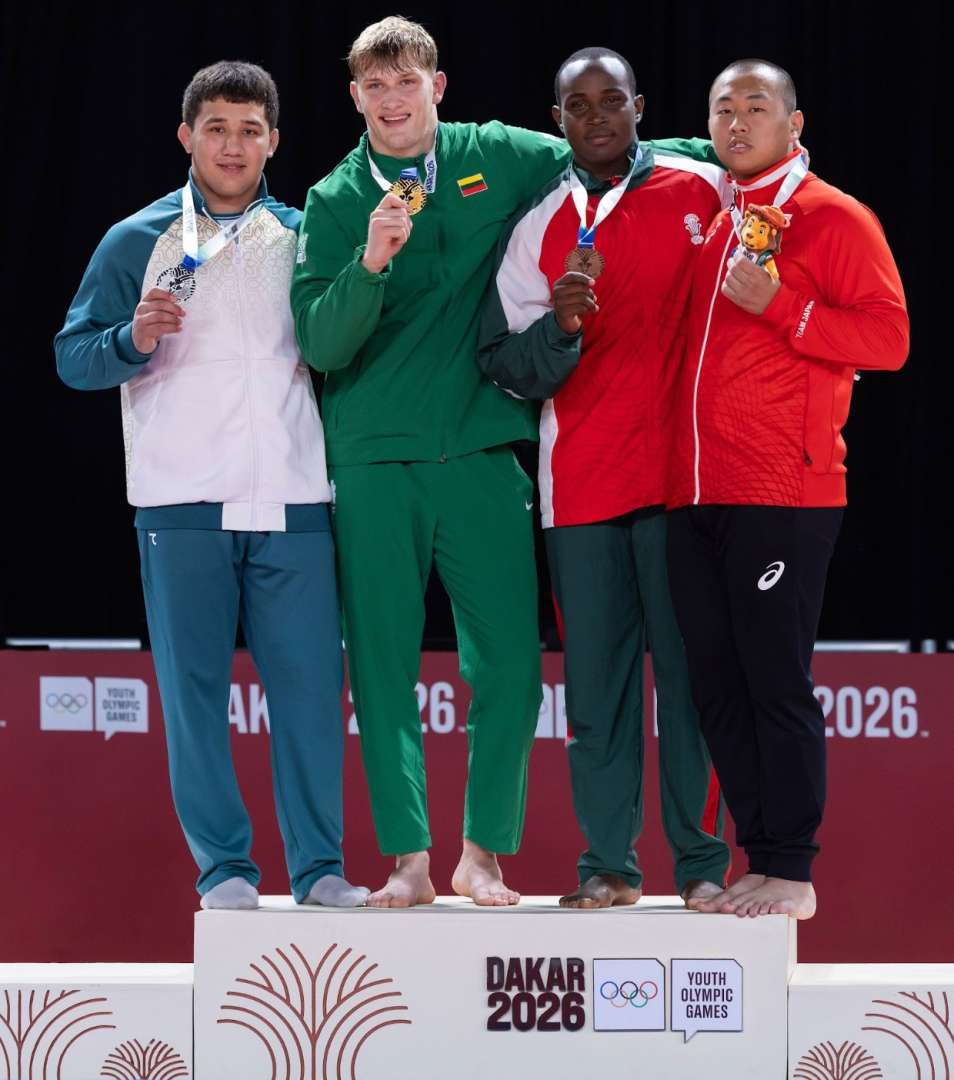
Well done, Don de Dieu. Well done to Valéry, to the Burundian Judo Federation and to everyone who held on to that dream long enough to pass it on to a generation that had yet to be born. I am happy, honoured and proud to have walked part of that road with you and I think of the child who will walk into a dojo in Burundi for the first time tomorrow because they saw Don de Dieu step on to that podium.