
Today, Sabiti lives in the Nakivale Refugee Settlement in Uganda where he has spent nearly a decade as a refugee, after fleeing violence in eastern Congo.
“In 2017, armed groups had taken control of our city,” he explains. “It became impossible to live normally. I had to leave to protect my life and the lives of my family.” During the escape, he was separated from his relatives. Like thousands of others, he crossed the border into Uganda on foot, facing uncertainty and fear before finally reaching Nakivale.
Life in the camp remains extremely difficult. Access to water and food is limited, employment opportunities are rare and daily conditions are harsh. Yet amid these challenges, Sabiti chose not to surrender to despair. Instead, he returned to judo.
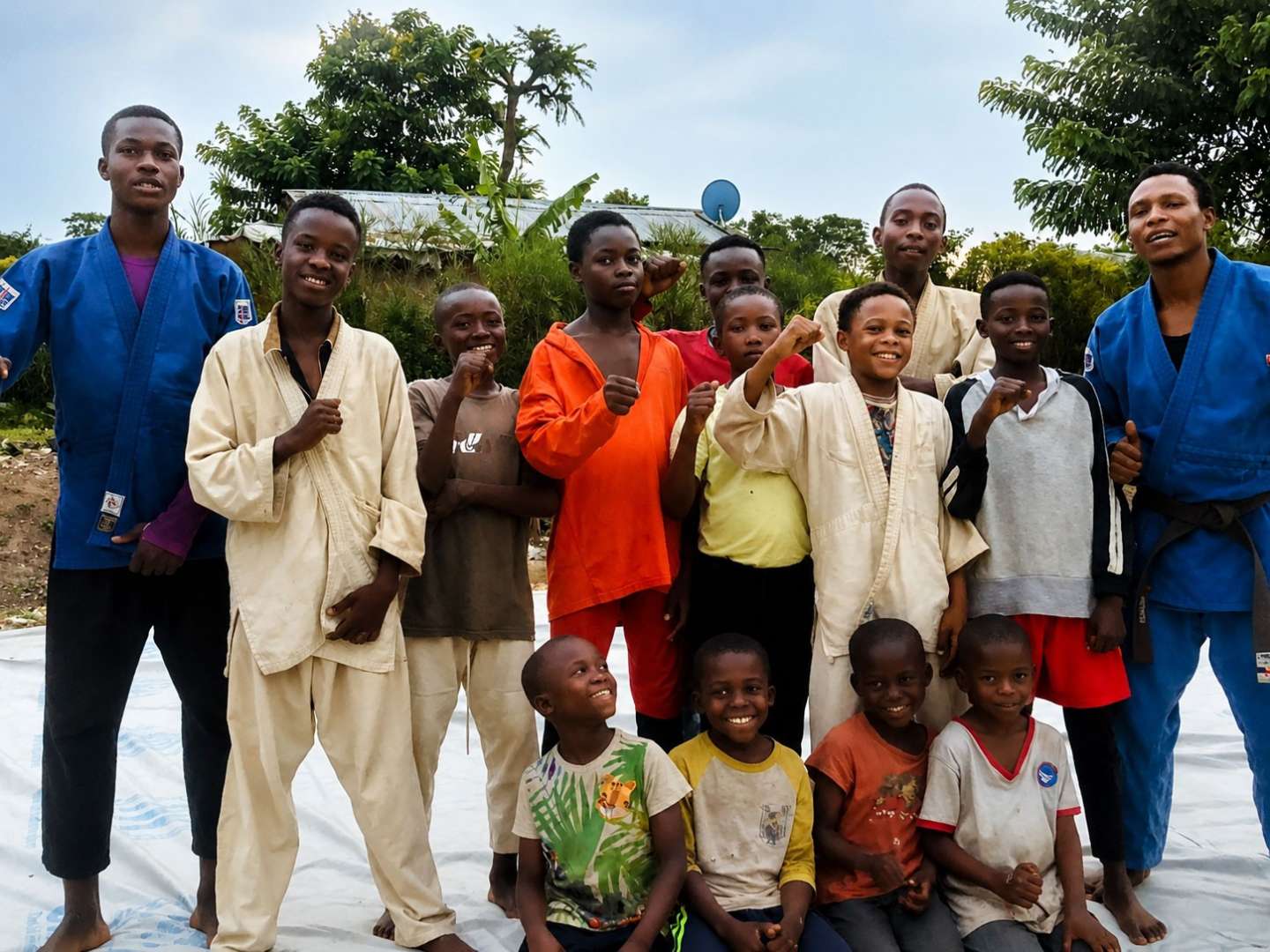
Already an accomplished athlete before exile, he continued training and in 2022 won the East African Judo Championships. But his greatest achievement may not be found in medals. Today, he coaches and organises judo activities for refugee children and teenagers inside the camp.
“We do our best with very limited resources,” he says. “But we strongly believe that judo can support discipline, resilience and hope among young refugees.”
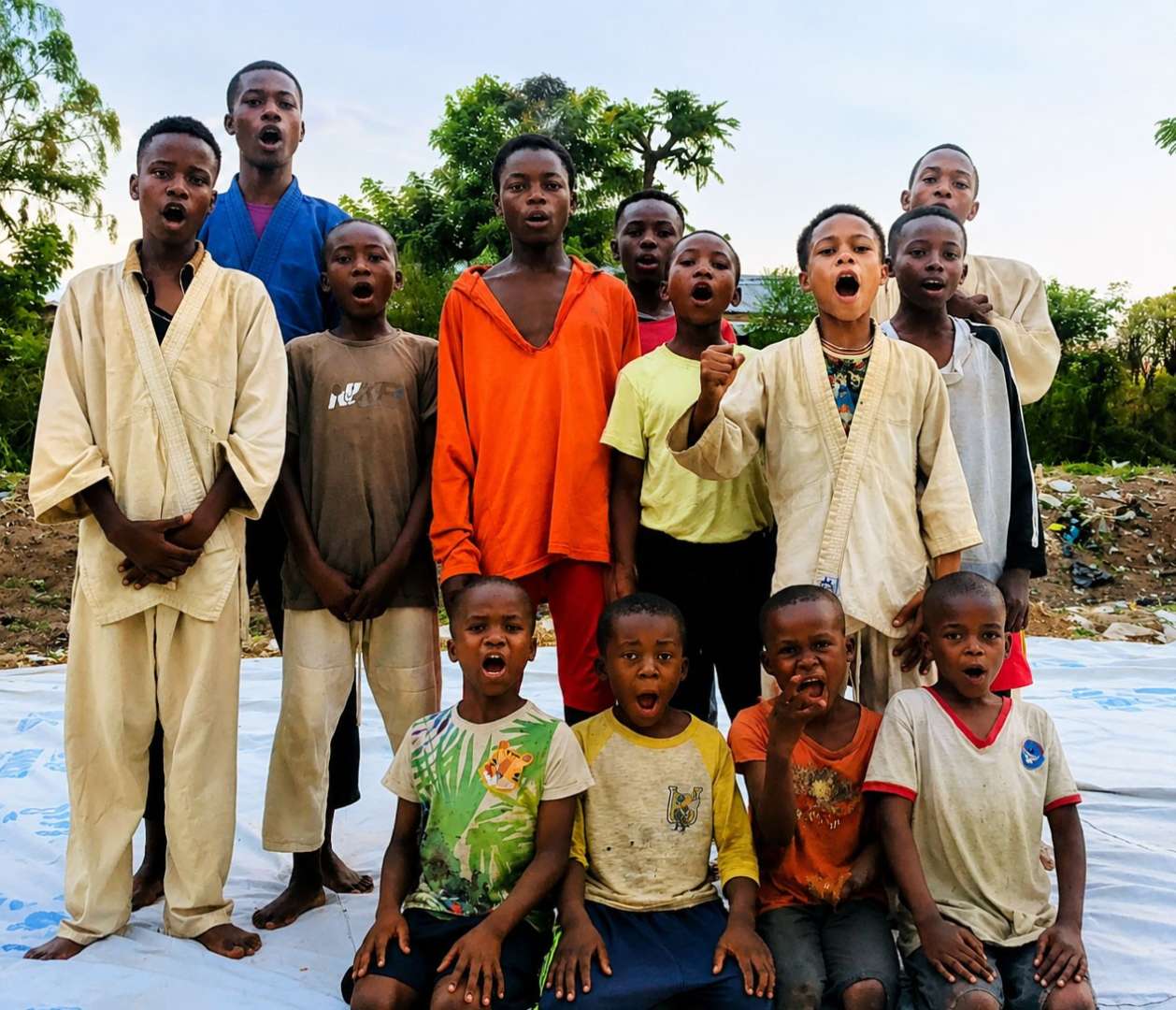
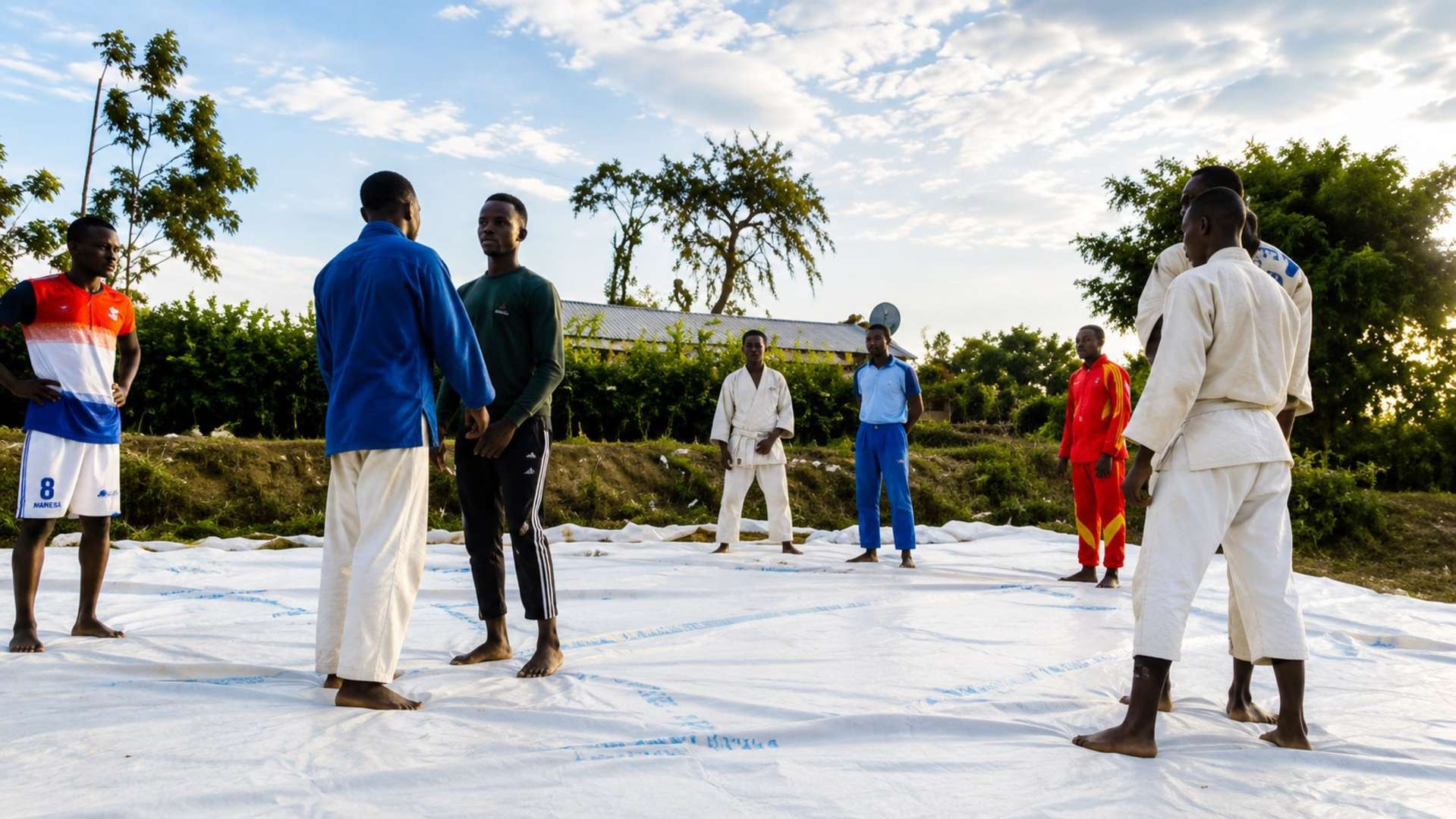
Around 30 young people regularly participate in the programme, including children as young as six years old. The training conditions, however, are extremely basic. There are no proper tatami, very few judogi, often no equipment at all.
“Sometimes we train on the ground or on the grass because we have no mats,” Sabiti explains. “But the young people are motivated and eager to learn.”
For him, judo is about far more than sport. “Judo keeps children away from violence. It gives them structure and discipline. It creates a community. It helps support mental health and gives hope for the future.”
In a place where many young people have experienced trauma, loss and instability, the tatami, even an imaginary one drawn on the earth, becomes a safe space. Through judo, children learn respect, self-control and perseverance. They begin to believe in themselves again.
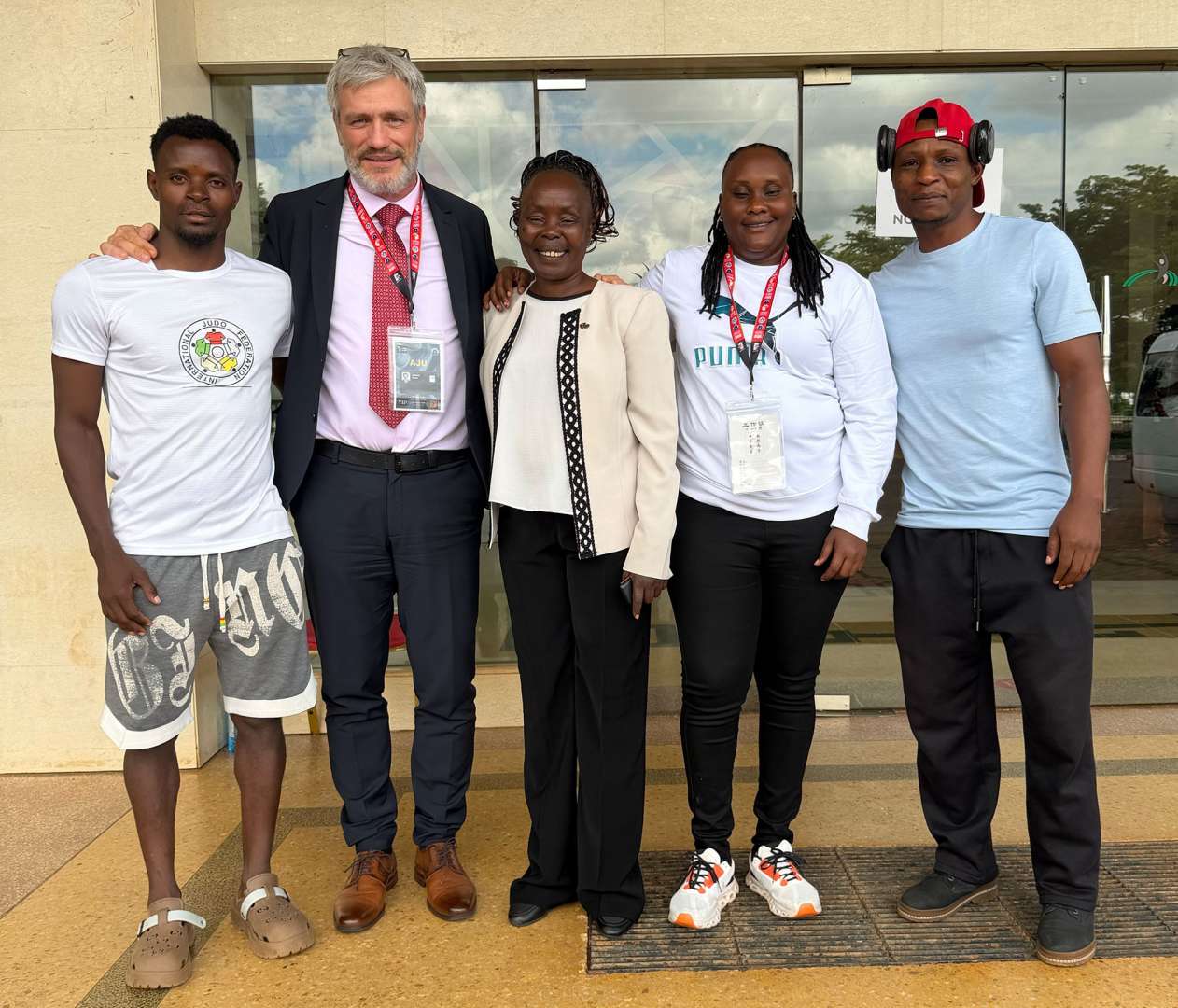
Sabiti dreams of creating a real training centre inside the camp, a place where young refugees can build a better future through sport. To achieve this, the needs are simple but essential: tatami, judogi, coach education and financial support to organise activities and competitions.
“Through judo, I feel useful,” he says quietly. “I feel capable of helping others.” His story is a reminder that even in the most difficult circumstances, judo can still plant the seeds of dignity, resilience and peace.