
For the International Judo Federation, supporting refugees is not a temporary commitment or a symbolic action. It is part of the very essence of judo as imagined by Jigoro Kano Shihan in 1882: using physical education as a means to develop human beings and contribute to a better society.
For many years, through its Judo for Peace Commission and in close collaboration with national federations, local authorities, NGOs, private partners and organisations such as UNHCR and UNOCT, the IJF has been developing long-term programmes dedicated to refugees and displaced communities across the world.
The strength of the judo movement lies in its ability to act at every level, from grassroots initiatives in local communities to national, continental and international programmes. Across the world, local clubs, national federations, continental unions and the IJF itself combine their efforts to ensure that refugees are not only given access to sport but are welcomed into a community where they can learn, share, rebuild confidence and regain a sense of belonging.
The IJF’s commitment also relies on a broad network of partners from the associative, institutional and private sectors. By combining expertise, resources and different fields of action, these partnerships make it possible to provide refugees with the most comprehensive and effective support possible, extending far beyond access to sport alone.
Many of these initiatives take place away from the spotlight. Behind every training session, every competition and every visible success story lies a considerable amount of work involving co-ordination, education, social support, safeguarding, infrastructure development, capacity-building and the creation of long-term opportunities. This often unseen commitment is essential in ensuring that judo can offer a genuine pathway towards inclusion, dignity and empowerment for displaced people.
Judo for Peace South Africa is a powerful example of this collective commitment. Through the dedication of local clubs and coaches, refugees and members of host communities train side by side, creating spaces where barriers of language, nationality and culture gradually disappear. Beyond learning techniques and throws, participants develop friendships, leadership skills and a sense of belonging, proving once again that the tatami can be a place where social cohesion and peaceful coexistence are built every day.
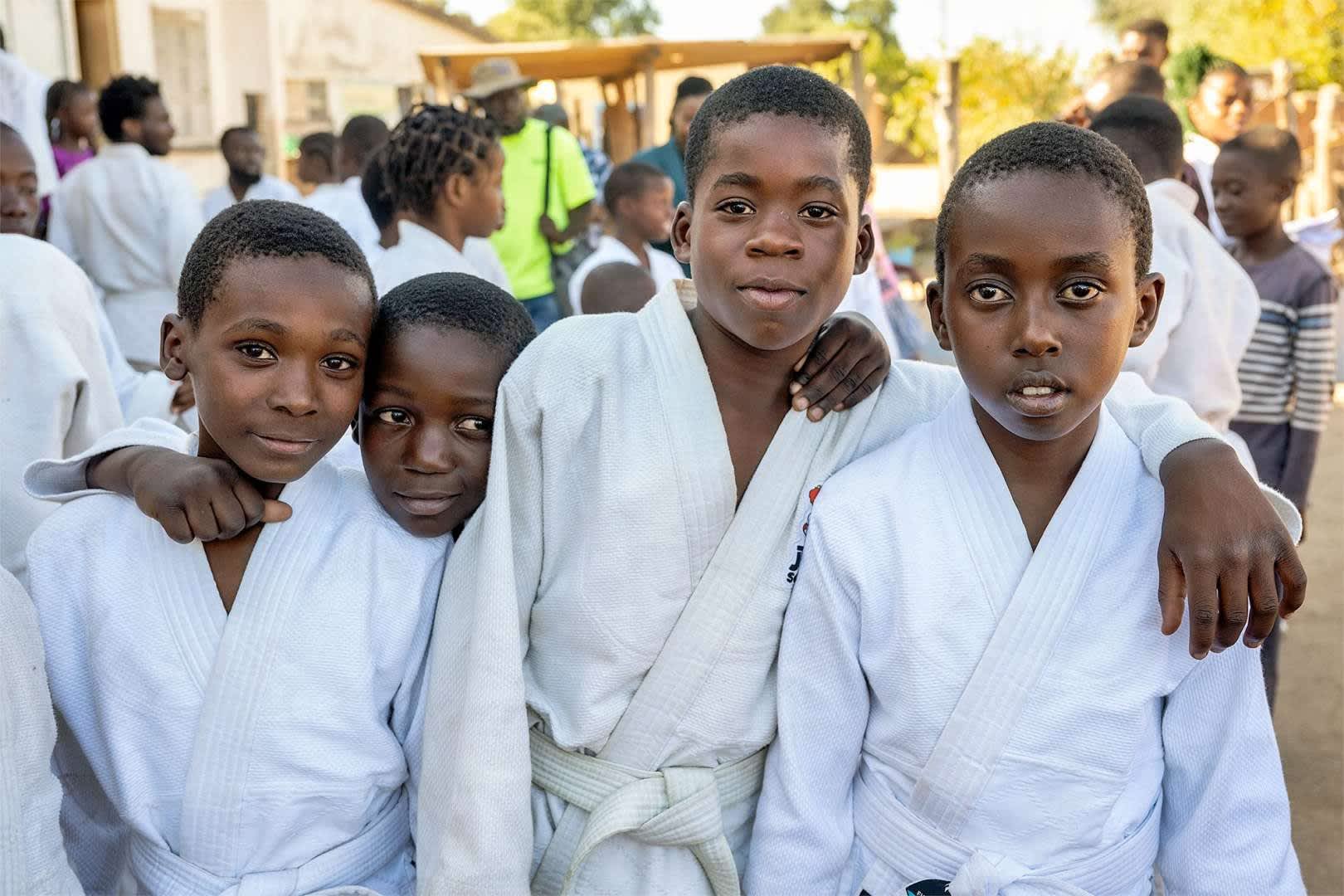
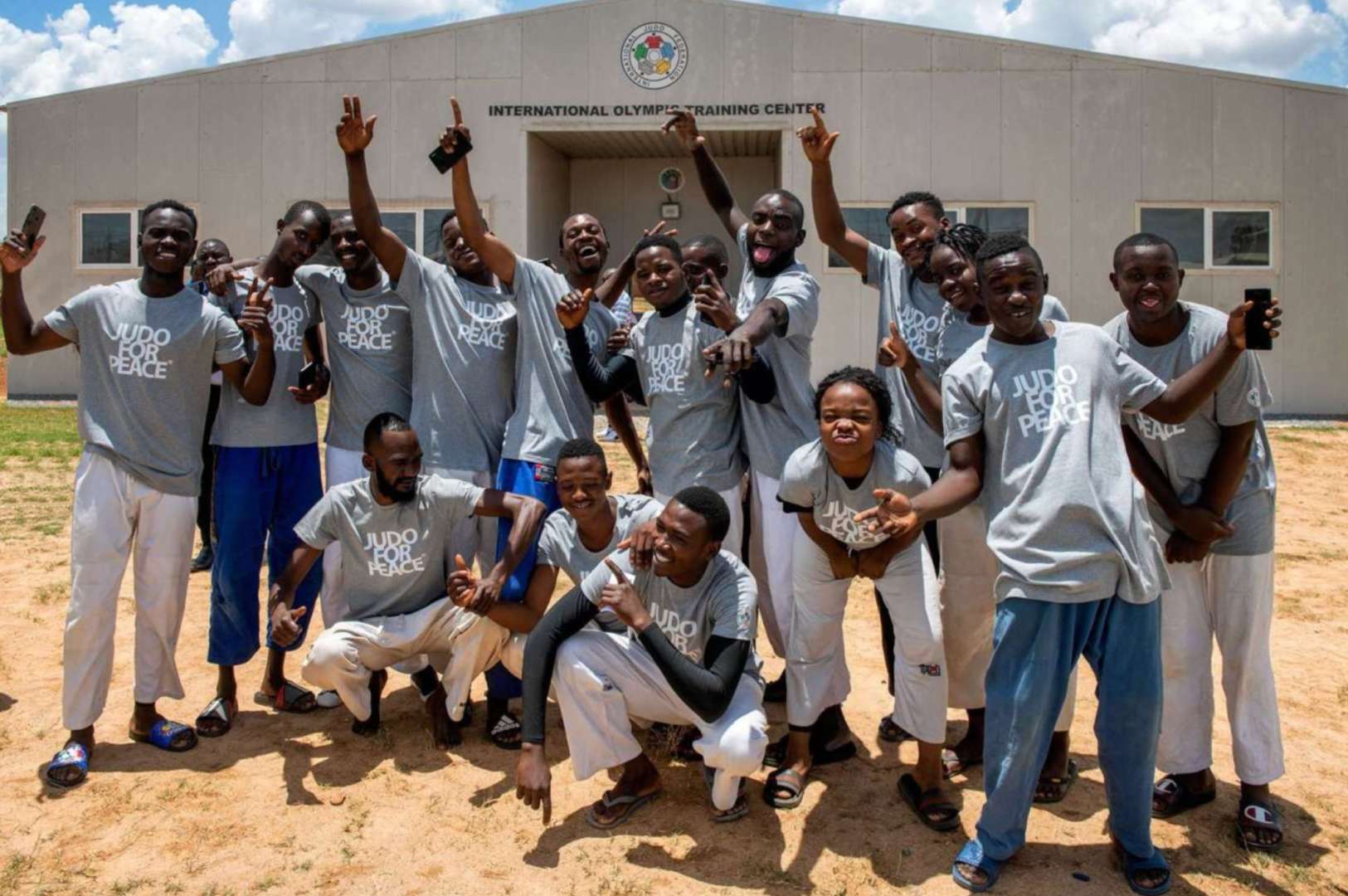
In refugee camps and settlements in Zambia, Malawi, Zimbabwe, South Africa and Türkiye, the tatami has become much more than a sporting space. It is a place where children and young people can recover a sense of normality, learn discipline and respect, build confidence and create relationships with their host communities.
In Zambia, where Judo for Peace activities have been established since 2016 in settlements such as Meheba, Mayukwayuka and Mantapala, the programme has grown strong partnerships with national authorities, UNHCR and sporting organisations. The construction of dedicated dojo facilities, with the strong support of the Norwegian Olympic and Paralympic Committee, has enabled refugees to access regular and structured judo education.
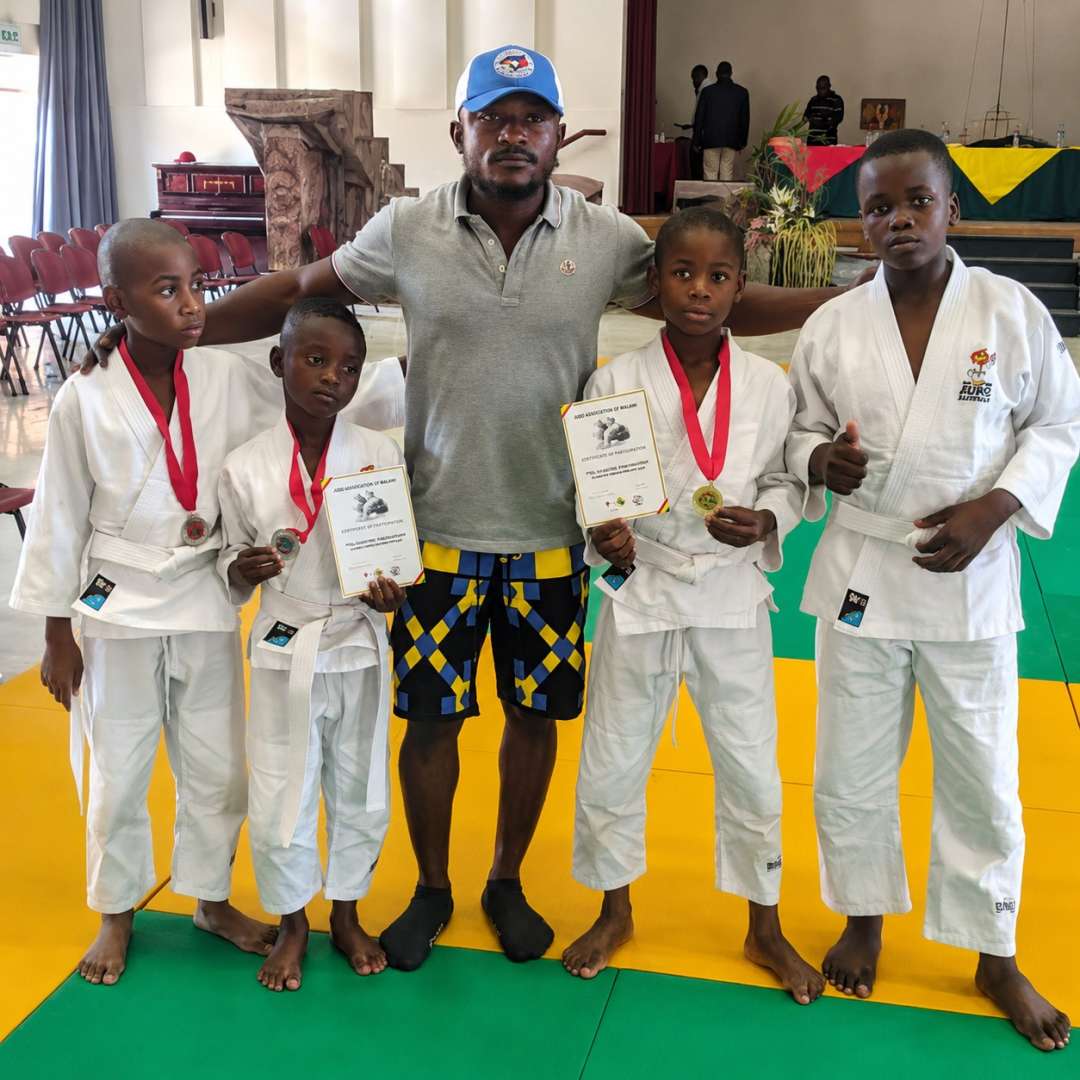
In Malawi’s Dzaleka Refugee Camp and Zimbabwe’s Tongogara Refugee Camp, young refugees from different countries come together through judo and interact with local communities as well. Not only do they learn techniques and skills but also the values of friendship, courage and mutual respect. Through demonstrations, educational activities and environmental initiatives, they show that refugees are not simply recipients of support but are active contributors to their communities.
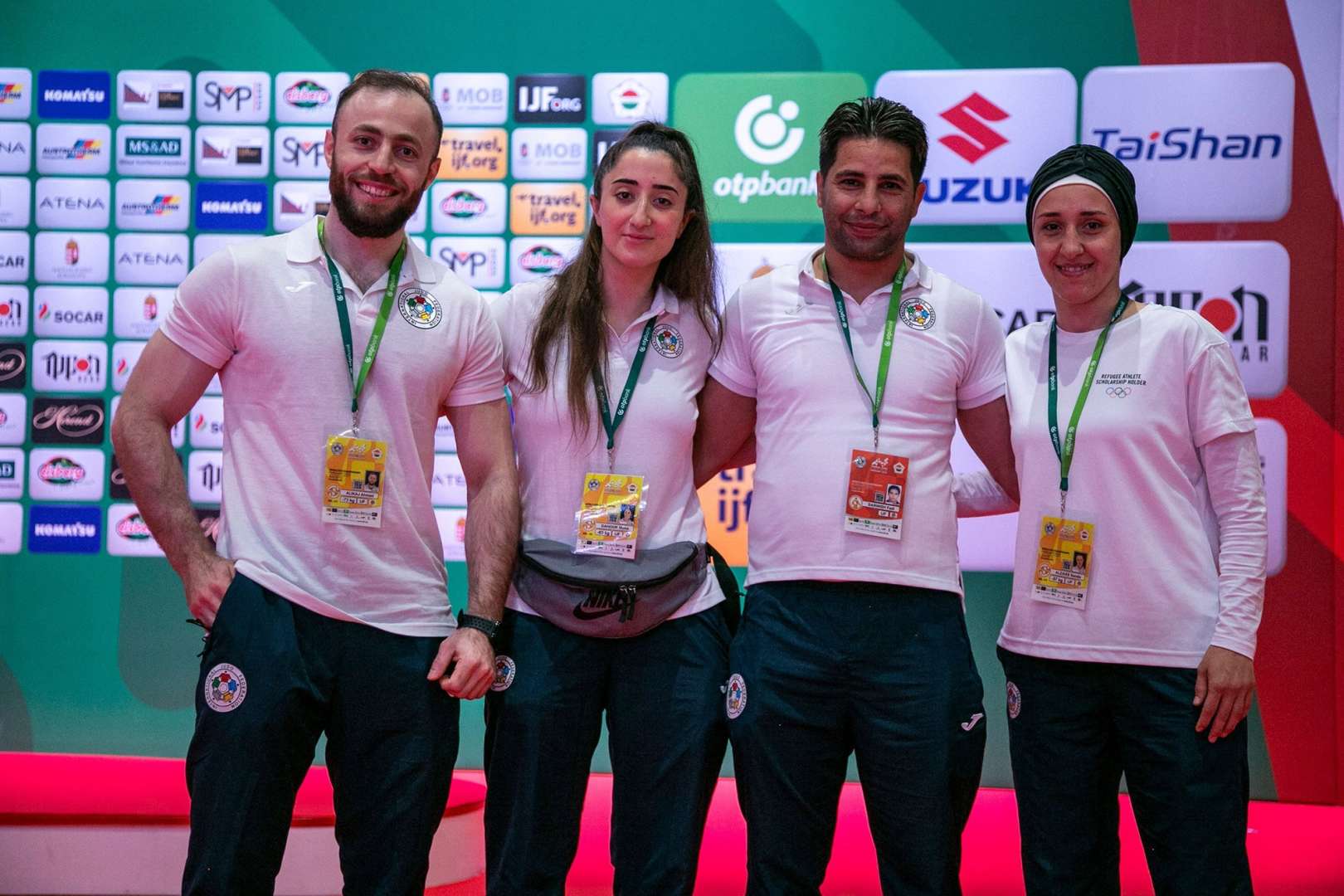
The journey of some refugee judoka has also reached the highest sporting level. The IJF Refugee Team’s presence on the World Judo Tour and the participation of refugee athletes on the Olympic stage demonstrate that, with support and opportunities, displacement does not define a person’s potential. These athletes compete for themselves but are also symbols of hope for millions of displaced people worldwide.
Today, the IJF plays an active role within the Sport for Refugees Coalition and contributes to global efforts that recognise sport as a powerful tool for protection, inclusion and development. Together with hundreds of organisations worldwide, the judo community helps to create safe spaces where refugees can learn, grow and regain confidence.
On World Refugee Day, the message of the judo family is clear: a refugee is not defined by what he or she has lost, but by the future he or she can still build. Through judo, that future begins with a bow, a shared tatami and the simple recognition of our common humanity.