
In a world often marked by division, this commitment stands as an example of what sport can truly achieve. With the active support of the International Judo Federation, Malawi has developed a programme that goes far beyond competition. It is about education, dignity and opportunity.
This work is part of a broader regional strategy, linking Malawi with neighbouring countries such as Zambia and Zimbabwe, reinforcing a shared vision of development through judo.
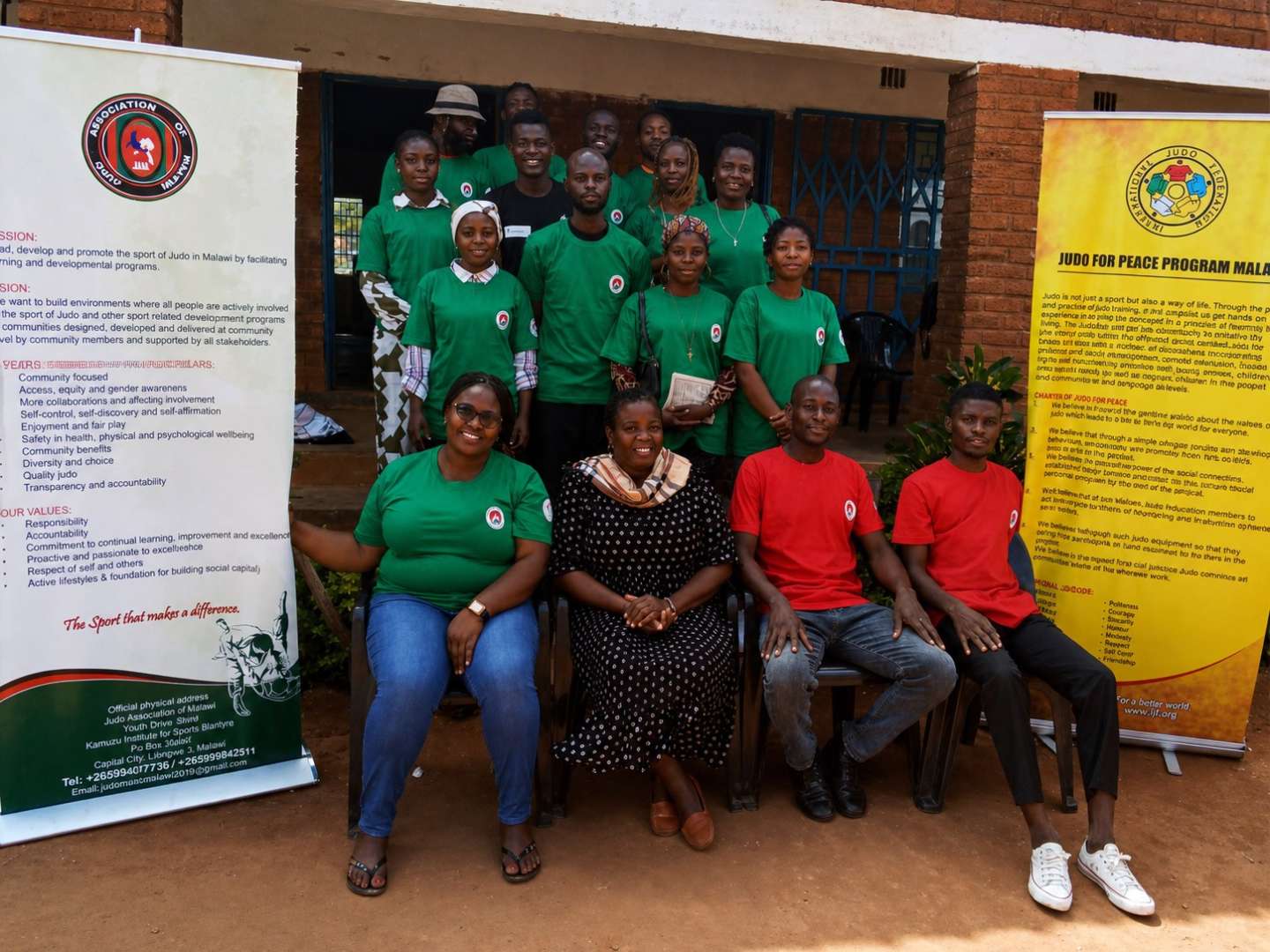
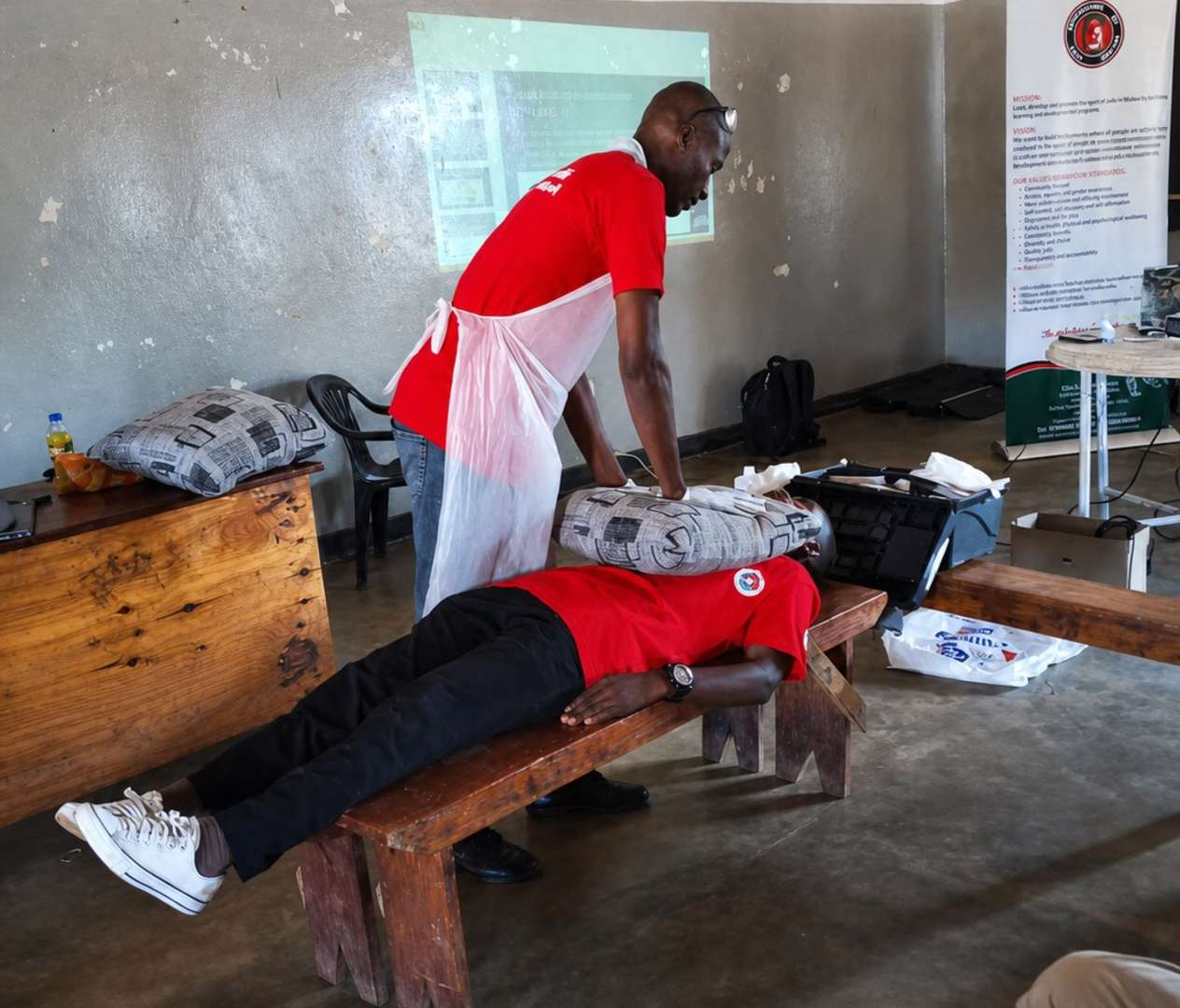
At the beginning of May, a new milestone was reached. On 2nd May 2026, a first aid refresher course was organised in Dzaleka as part of the federation’s development plan. The objective was clear, to maintain, update and strengthen the knowledge and practical skills of trained participants, ensuring they remain confident and capable in emergency situations.
Fifteen participants took part in the course, ten from the refugee camp and five from the surrounding community. The training was delivered by Adam Hamza and George Mchenga, both former judoka now working in hospitals, demonstrating once again how judo builds pathways far beyond sport.
From basic principles such as hygiene and safety to managing emergency situations, the course provided essential tools that can save lives. It was officially closed by District Sports Officer Mrs Loveness Phiri, who praised the initiative and the continued support of the International Judo Federation.
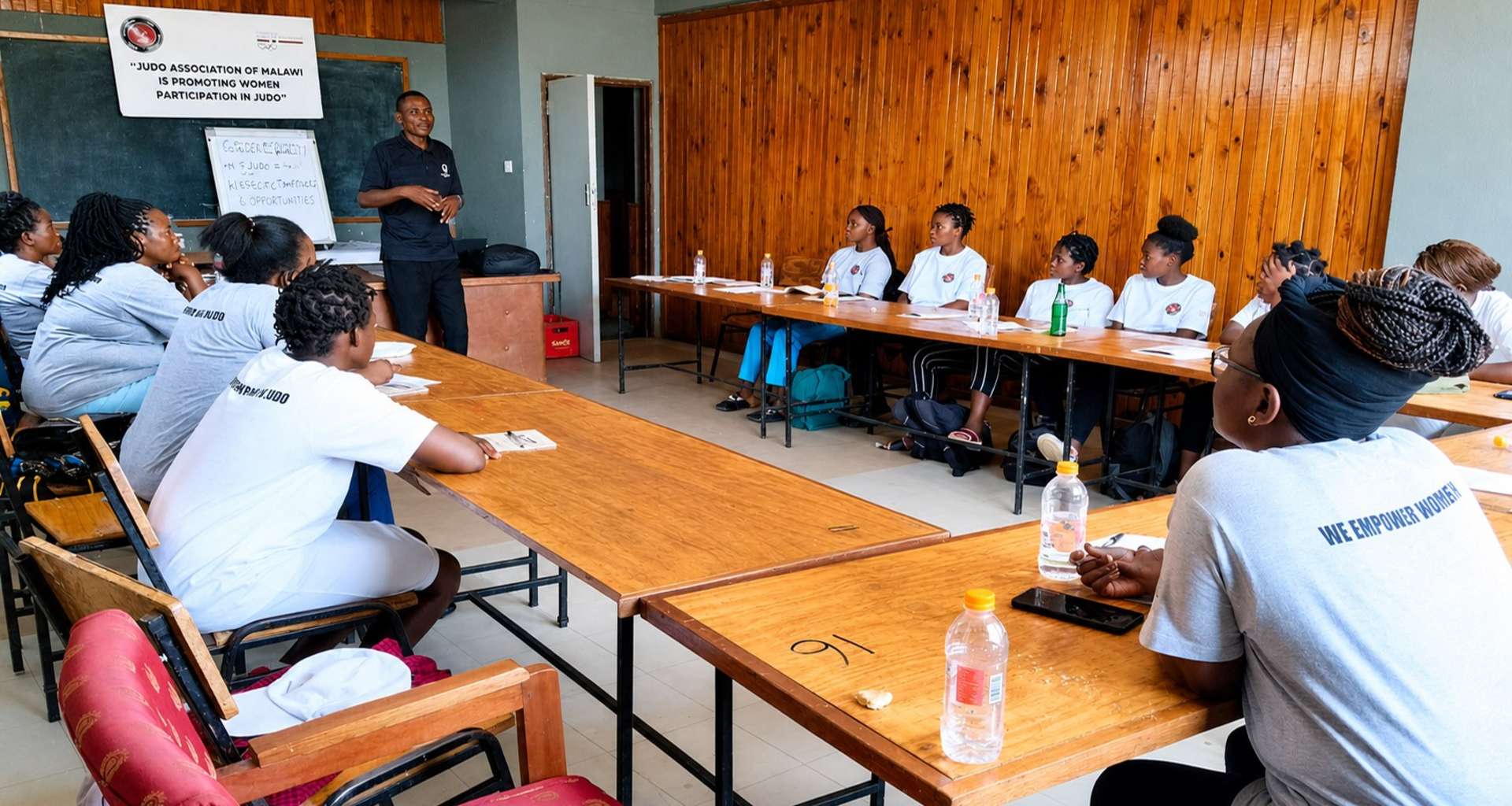
This course is only one piece of a much larger effort. Throughout the year, the Judo for Peace programme in Dzaleka continues to grow. It supports co-ordination and organisation, strengthens coaching structures and equips participants with the tools to face social challenges. It also creates opportunities for refugees to take part in national competitions, to learn leadership roles such as refereeing or coaching, and to build confidence through the values of judo.
Particular attention is given to inclusion. Efforts are made to encourage the participation of women and girls, to raise awareness about discrimination and to celebrate events such as World Refugee Day. For many, judo becomes a space where they can express themselves, rebuild confidence and look towards the future.
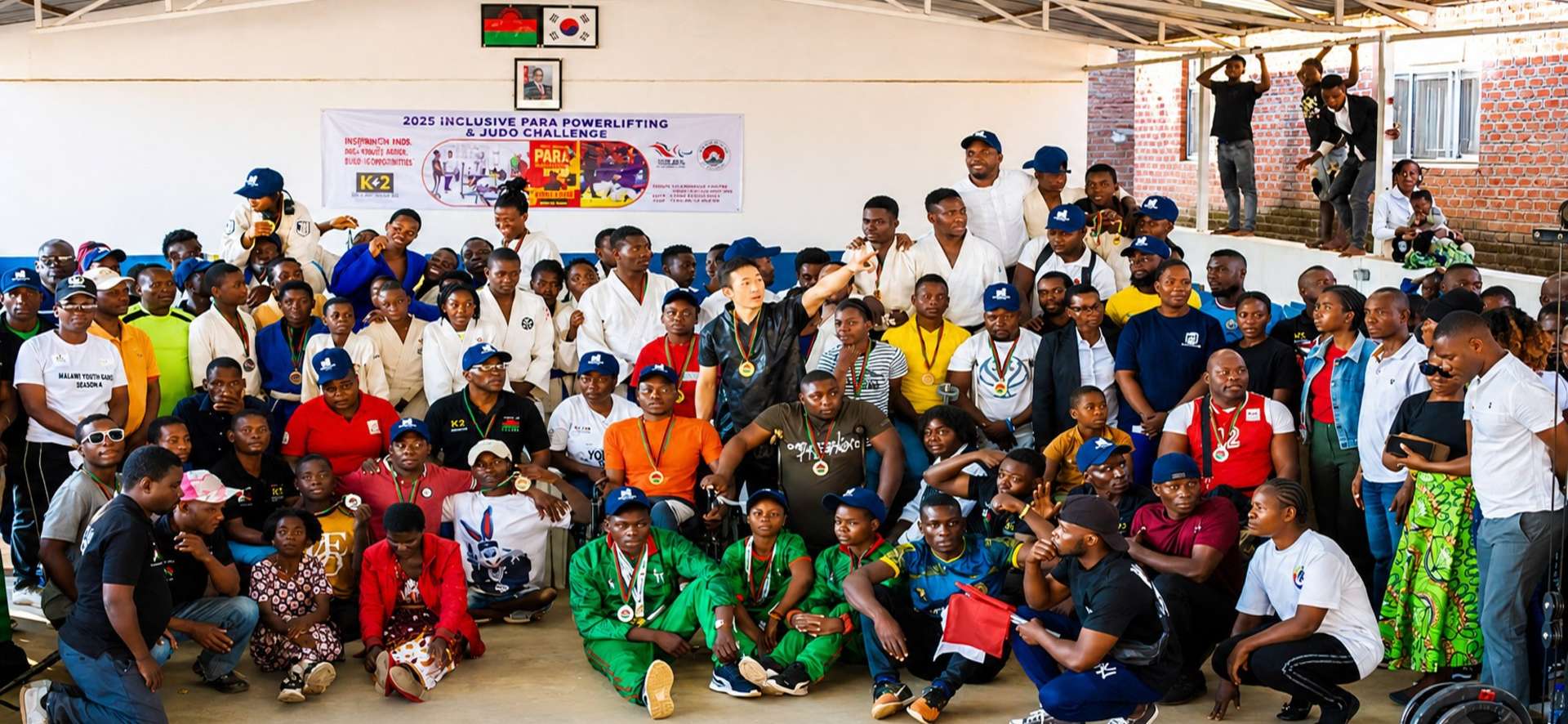
The progress made is remarkable but challenges remain. Economic difficulties, limited resources, food insecurity and cultural barriers continue to affect participation. These realities make the commitment of the federation even more meaningful.
Looking ahead to rest of 2026, the vision remains strong. New initiatives are planned, including environmental workshops through the Green Dojo project, participation in national championships and regional competitions, and increased support for young refugee athletes aiming to compete on the international stage.
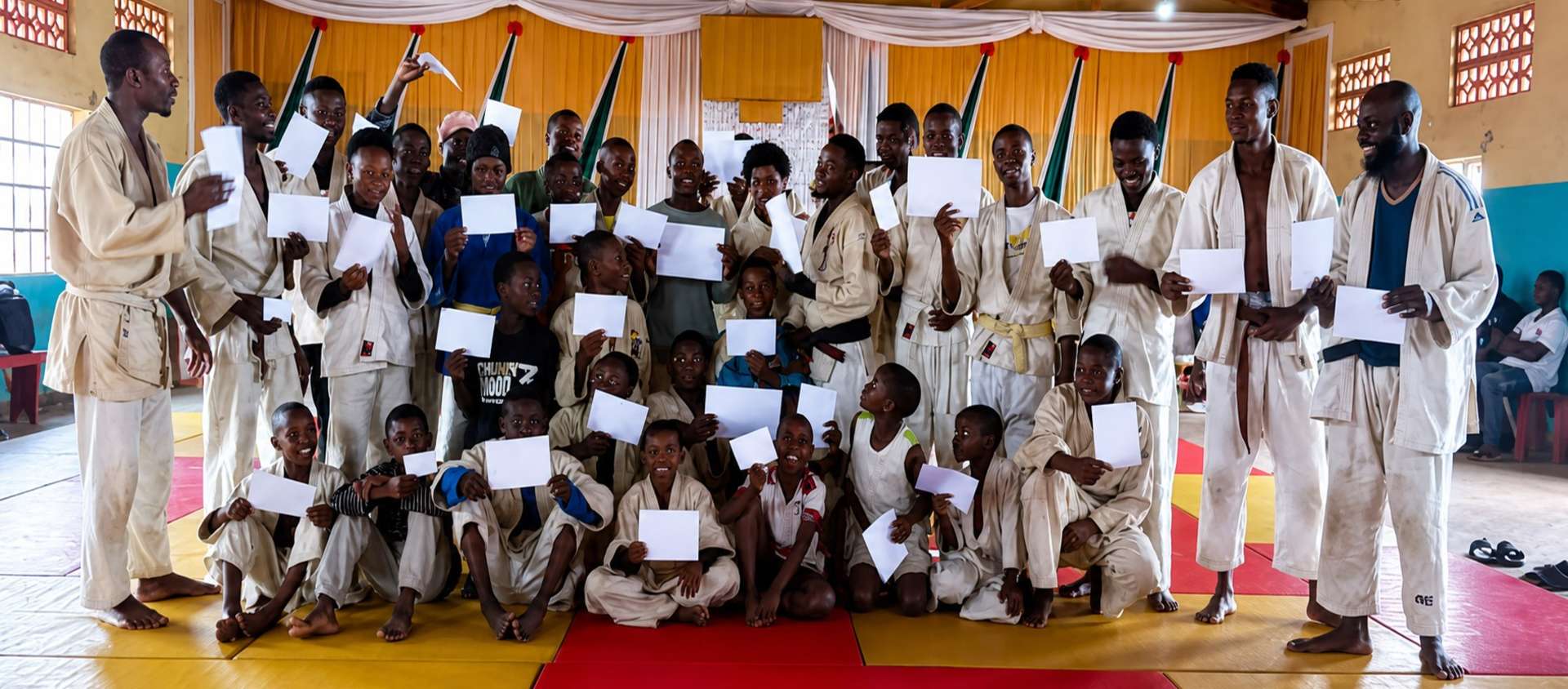
More than anything, Malawi is proving that judo is not just a sport, it is a tool for transformation. In Dzaleka, every training session, every course and every competition tells the same story: even in the most difficult circumstances, hope can grow. Through judo, that hope is given structure, direction and strength.