
The Refugee Team stands as a powerful symbol of hope. Even when individuals have lost everything, the judo family remains present, offering support, purpose and new objectives.
Vahid Sarlak has experienced life as a refugee but today, as head coach of the IJF Refugee Team, he works tirelessly on a daily basis to support refugee athletes in their sporting careers and also on a human level.
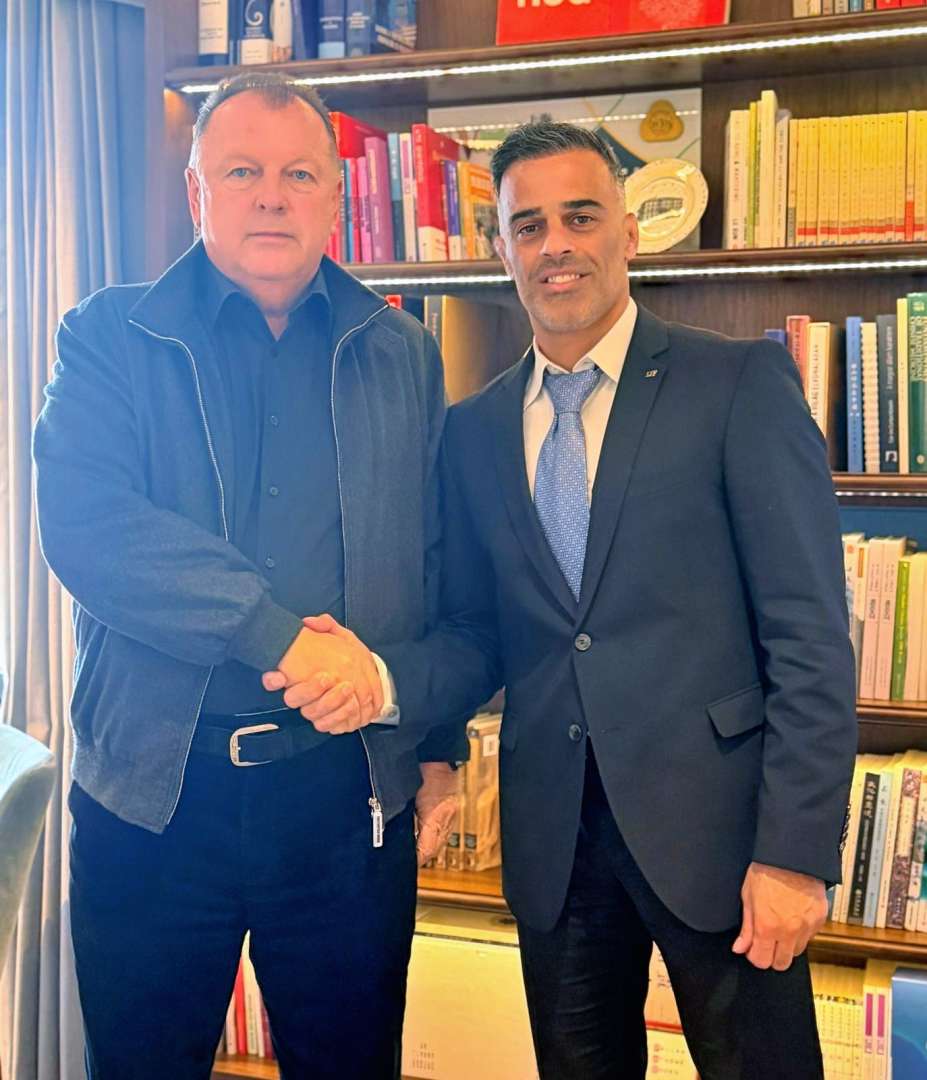
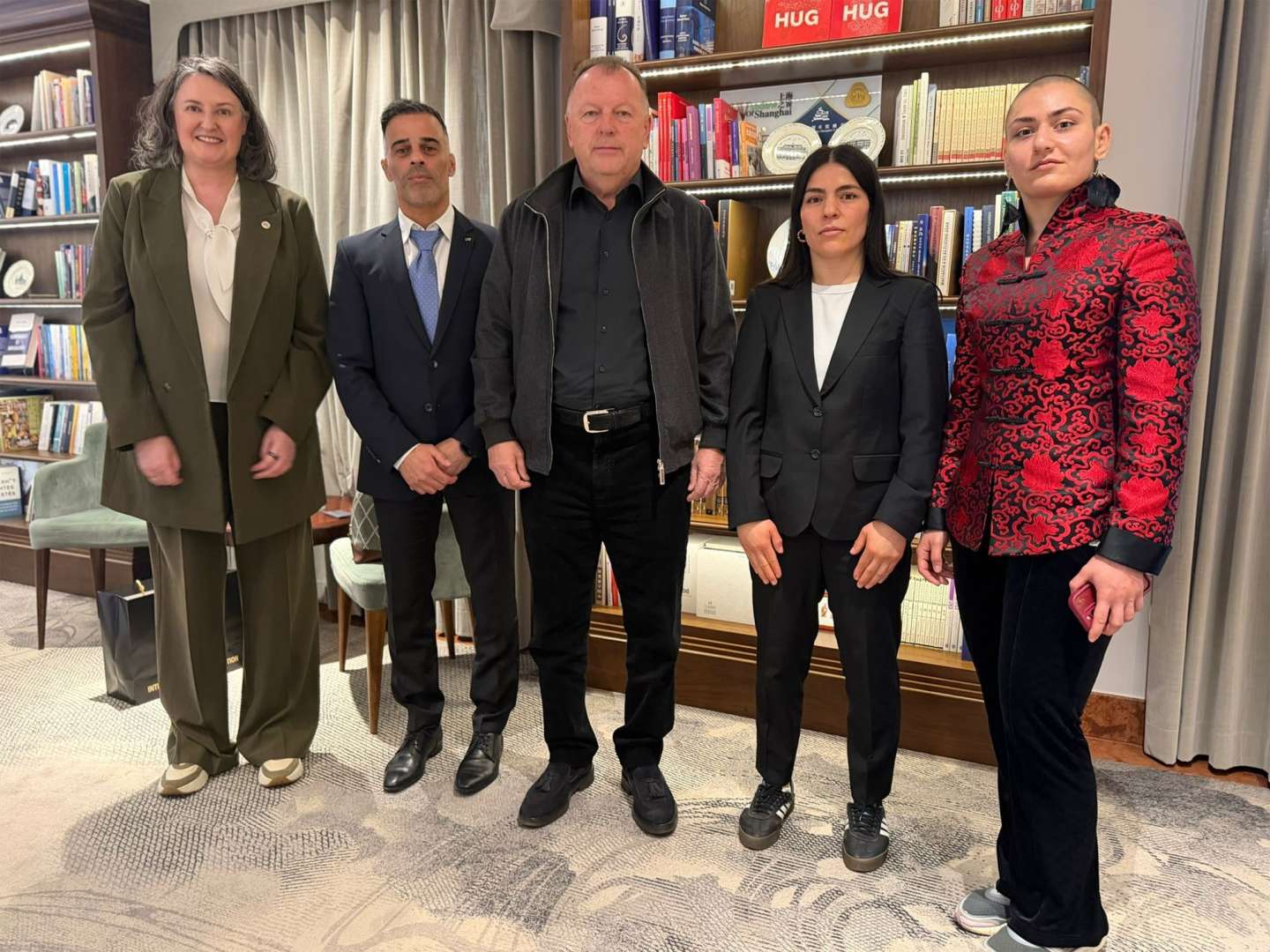
Reflecting on the meeting, he said, “We had a very nice lunch with the IJF president. It was a positive and supportive meeting for the team. We mainly discussed the development of the IJF Refugee Team, the athletes’ progress and future plans for major events, including the world championships and the Olympic Games.”
The president showed great support and encouragement for both the team and the athletes, which was highly motivating for all of the team members. Those present included the IJF Refugee Team athletes, the head coach and representatives from the IJF.
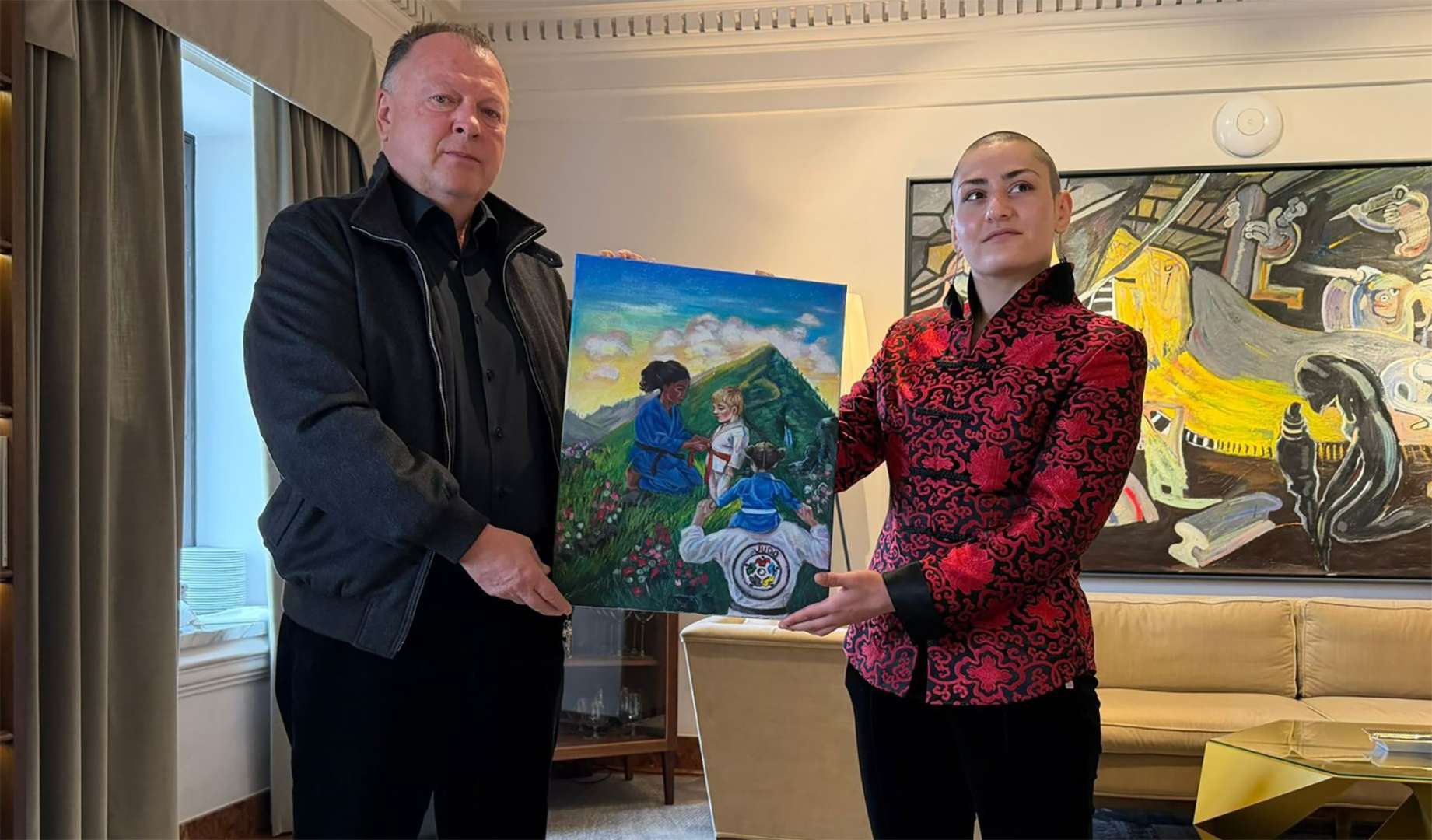
“Mr Vizer was like a father figure to the athletes during the meeting. The IJF Refugee Team members had the opportunity to share their concerns and challenges with him openly. He listened carefully and responded with great understanding and support. He demonstrated a strong willingness to assist the athletes in many aspects and his presence meant a great deal to all of us. We are truly grateful for his support.”
Recent results achieved by the refugee athletes clearly demonstrate the power of sport and of judo in particular.
At the same time, the IJF continues to expand its Judo for Peace programmes in refugee camps around the world, bringing hope and stability to communities facing extremely difficult circumstances. Beyond physical activity, these programmes offer a sense of belonging, dignity and purpose. For many participants, stepping onto the tatami becomes a first step towards rebuilding their lives, fostering resilience and imagining a brighter future.