
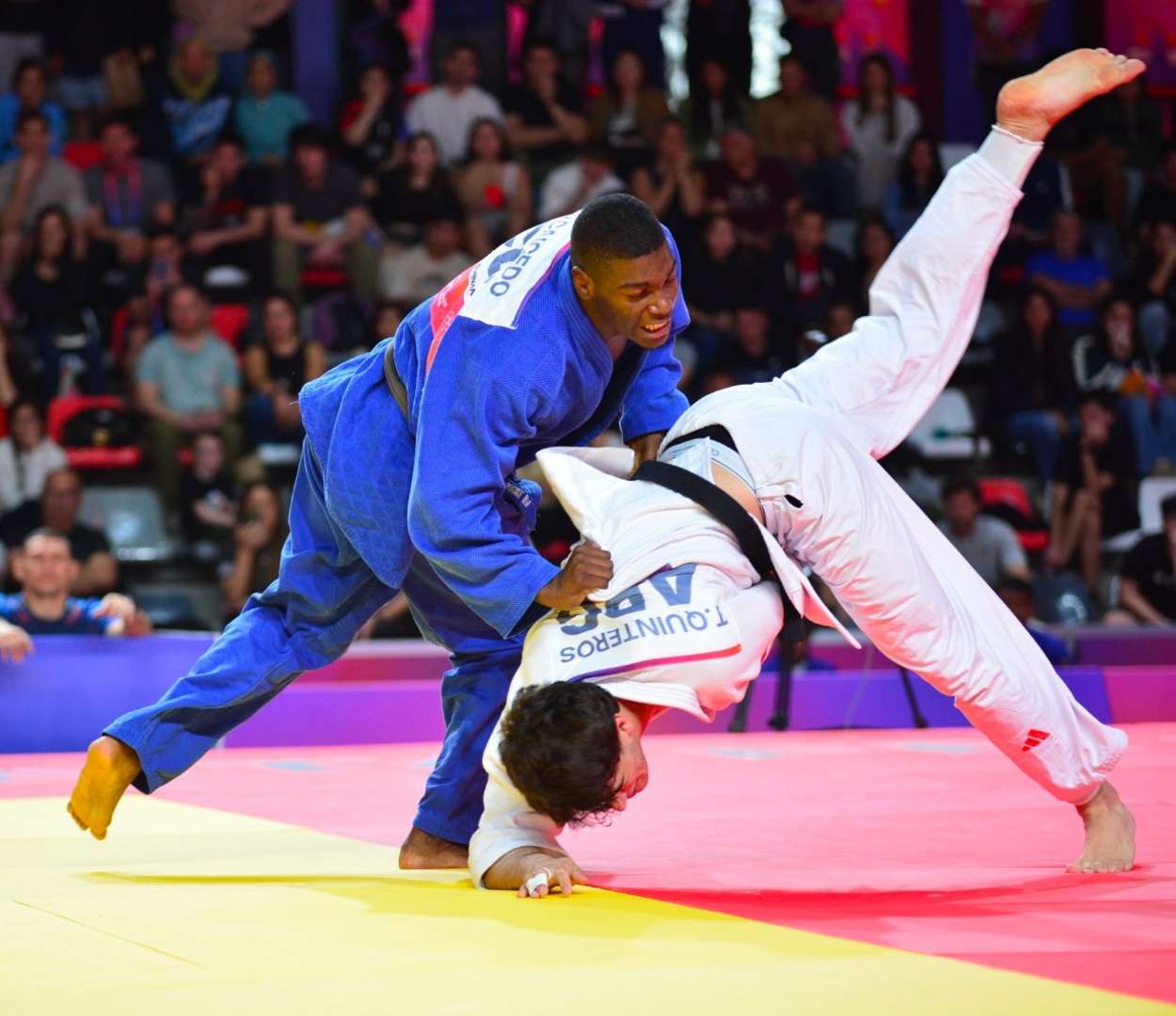
Delegations from Argentina, Brazil, Bolivia, Chile, Colombia, Ecuador, Panama, Paraguay, Peru, Uruguay and Venezuela gathered at Parque Independencia for an intense programme of individual and team competition as well as kata. The result was a rich display of the continent’s judo: established champions confirming their status, younger athletes stepping onto a major stage and a public discovering, bout after bout, the technical beauty and intensity of the sport.
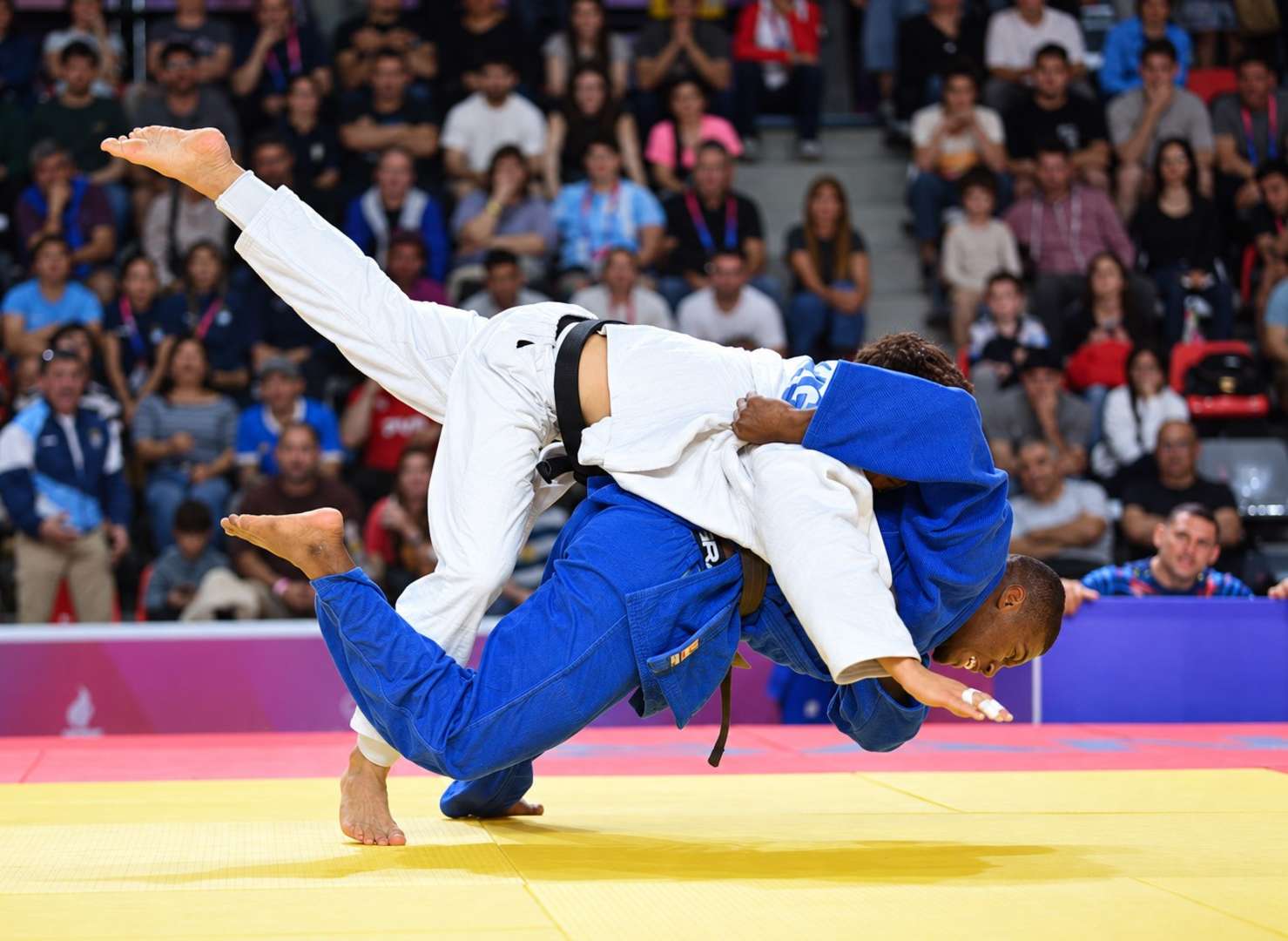
Brazil once again demonstrated the depth that has made it the leading force in South American judo. The Brazilian team claimed eleven of the fourteen individual titles, taking control across both the men’s and women’s categories. Diego Ismael, Ronald Lima, Guilherme De Oliveira, Gabriel Falcao, Marcelo Fronckowiak and Andrey Coelho all won gold in the men’s divisions, while Sarah Mendes, Rafaela Rodrigues, Gyovanna Andrade, Nauana Silva and Ana Soares completed an impressive women’s campaign.
Behind Brazil, Venezuela produced one of the strongest overall performances. Anriquelis Barrios at -63 kg and Elvismar Rodríguez at -78 kg secured gold medals, while Angello Urbano, Samuel Corzo, Gabriela Miranda, Eliana Aguiar and Karen León added a series of valuable silvers. Their results illustrated the consistency of Venezuelan judo, particularly in the women’s and heavyweight categories, and offered another encouraging sign as the Olympic cycle continues.
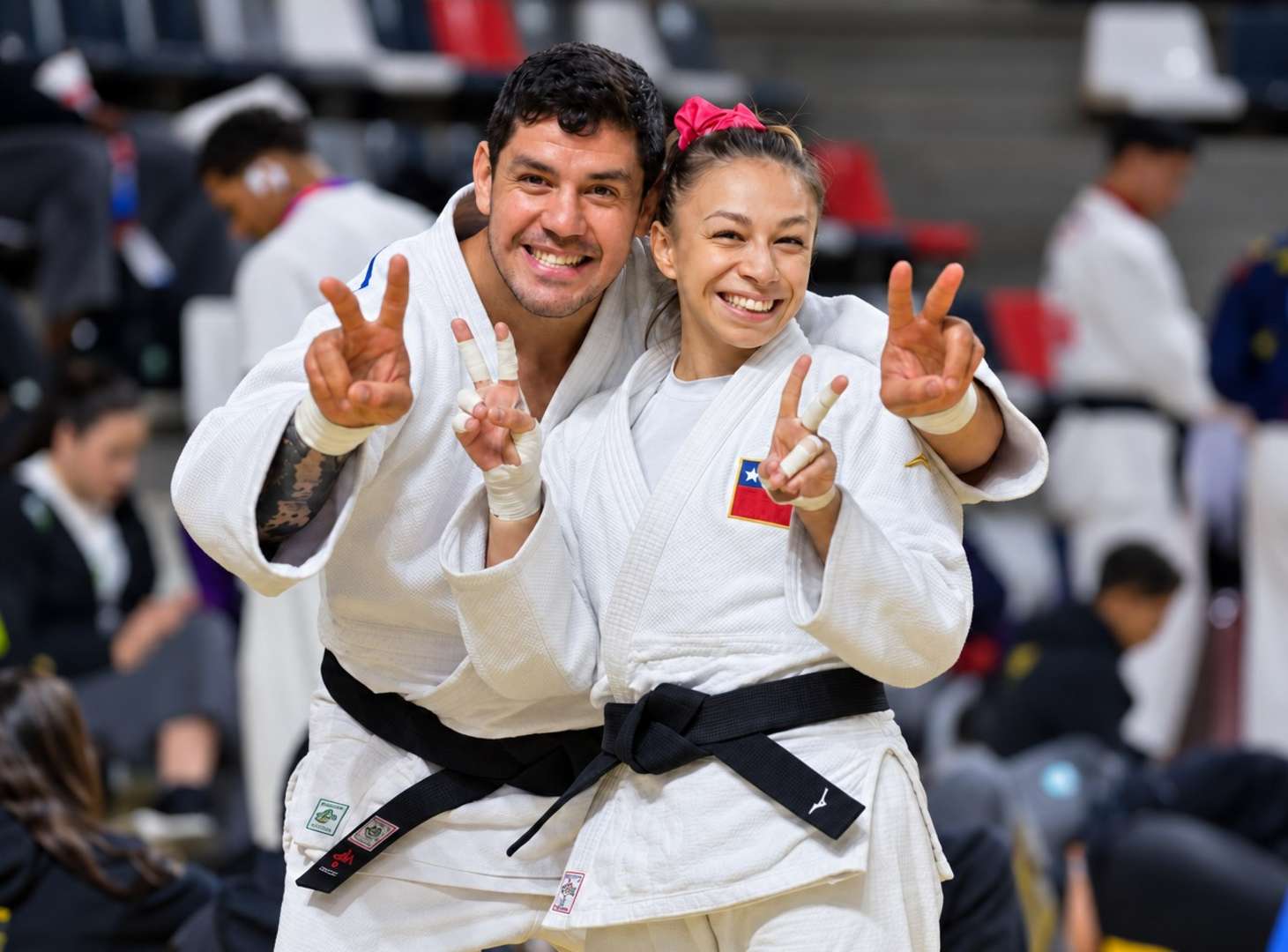
Chile also left Rosario with a significant achievement. Thomas Briceño won the -100 kg category after one of the most dramatic finals of the competition. Facing Venezuela’s Samuel Corzo, Briceño was under pressure until the final seconds of normal time, when he found the score that brought the contest level. In golden score, he completed the turnaround to claim a memorable continental title. Francisco Solís added a silver medal in the +100 kg division, confirming the growing strength of Chilean judo.
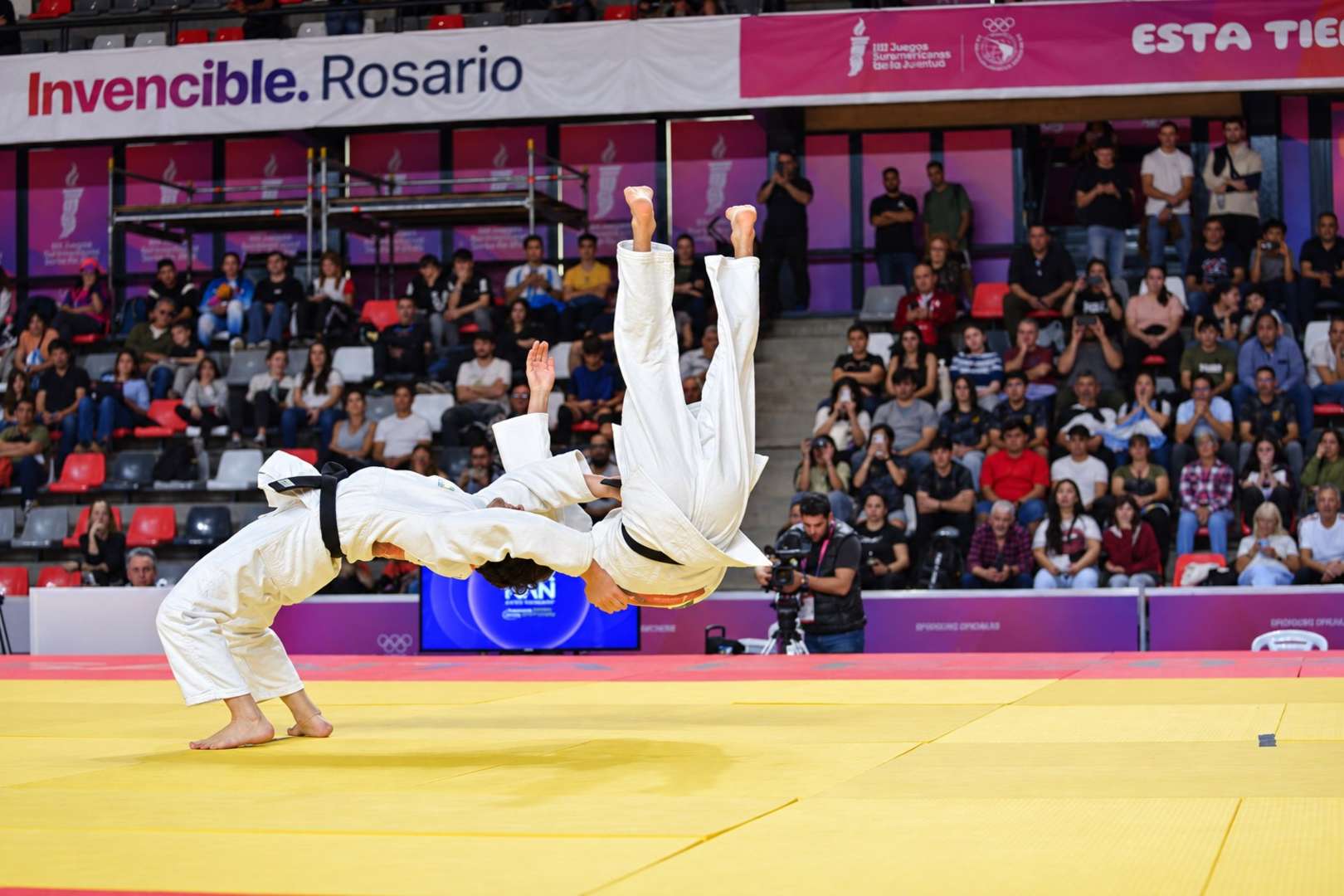
For the home team, the medal count mattered, but the connection with the public gave Argentina’s campaign an even deeper meaning. Agustín Gil at -81 kg and Agustina De Lucia at -63 kg earned silver, while Galo Villavicencio, Joaquín Tovagliari, Tomas Quinteros and local judoka Ivo Dargoltz each took bronze. Dargoltz’s victory in the -100 kg bronze-medal contest was among the great moments of the individual competition. Competing in his home city against Colombia’s Francisco Balanta, he produced a powerful harai-goshi for ippon, provoking an immediate and thunderous reaction from the stands.
Peru, Colombia, Ecuador, Panama, Paraguay and Uruguay all contributed to the diversity of the medal table and the quality of the competition. Peru’s Alonso Wong, Yuta Galarreta and Driulys Rivas reached the podium with silver medals, while Panama marked its South American Games judo debut with two bronzes, won by Ronal González at -73 kg and Kristine Jiménez at -57 kg. The Paraguayan Narváez sisters, Gabriela and Paloma, also enjoyed podium success at -48 kg and -52 kg respectively.
The competition was not limited to the excitement of shiai. The afternoon kata sessions provided a striking contrast, bringing precision, partnership and technical heritage into the same arena. Colombia’s Edwin Gomez and Gerardo Restrepo won Nage-no-kata, ahead of Sebastián Nunes and Pablo Aguirre, while the Argentine pair Pablo Surace and Abel Benedetto claimed Katame-no-kata gold. These performances reminded spectators that judo is not only expressed through the intensity of contest, but also through a shared language of control, timing and mutual understanding.
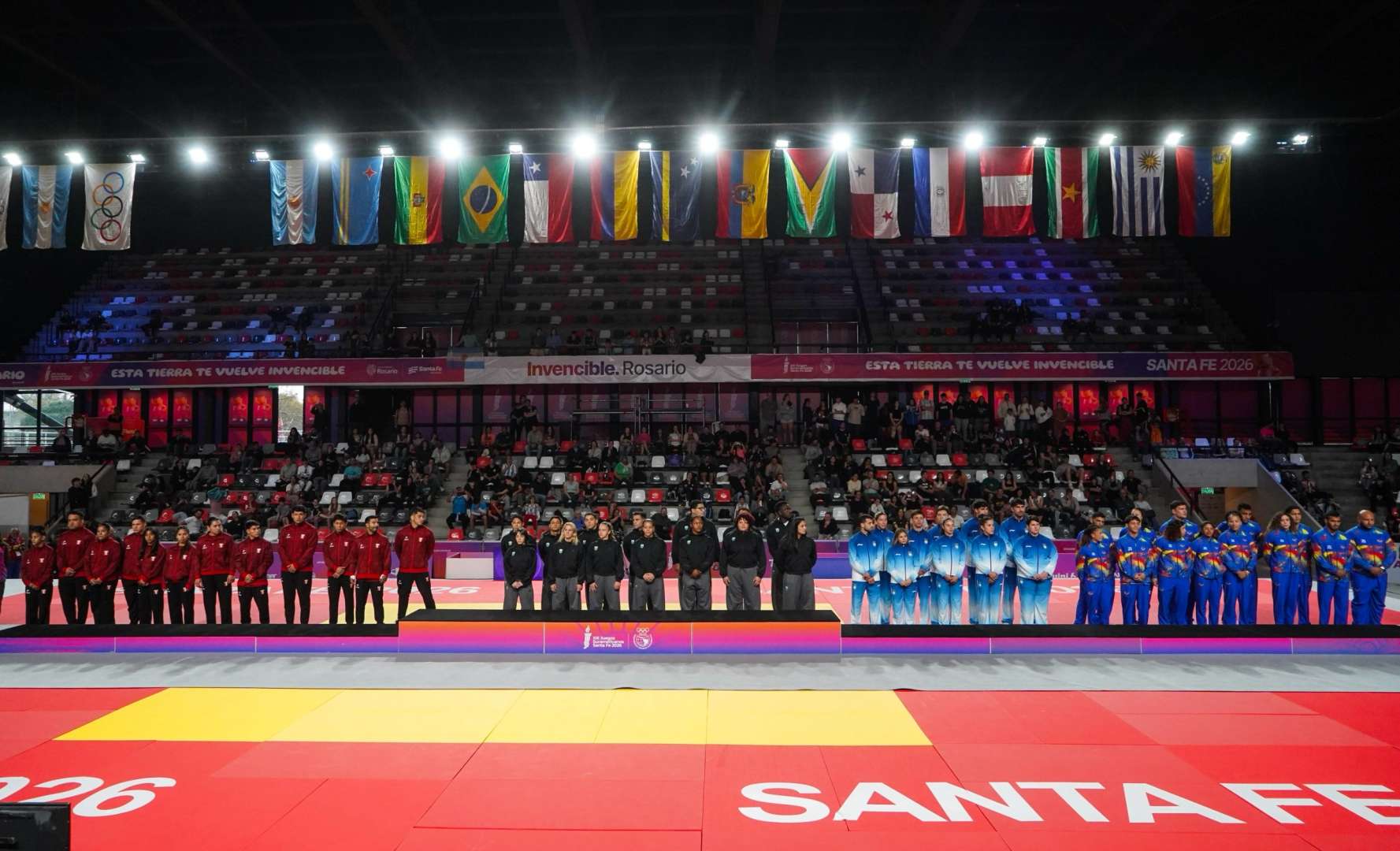
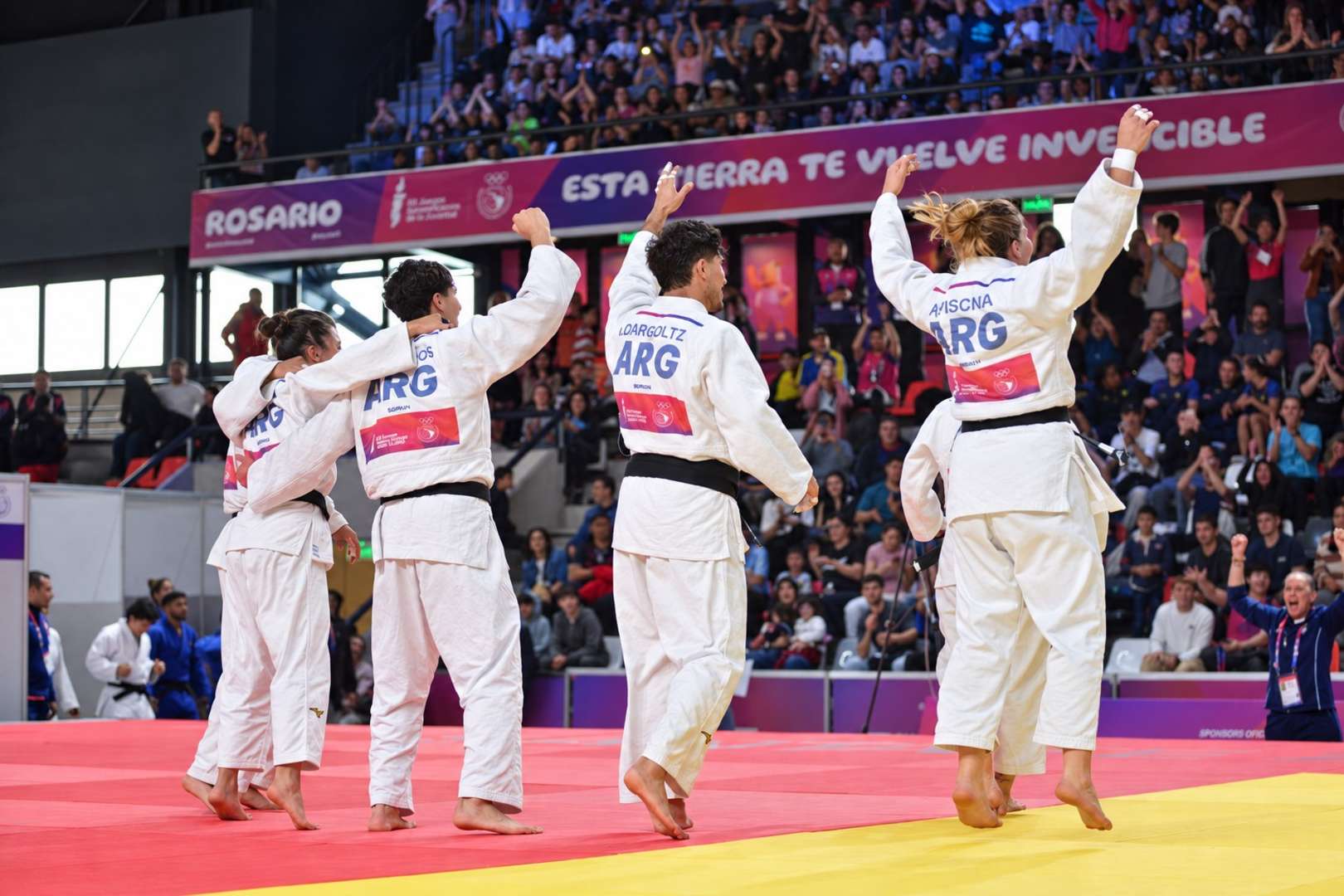
Yet it was the mixed team competition that brought the week’s emotions to their highest point. Argentina, pushed by a crowd that had supported every local athlete without pause, found itself in the battle for bronze after an opening-round defeat to Venezuela. The decisive moment came when Iván Gómez stepped forward. His winning score sealed the bronze medal and released a wave of celebration throughout the stadium. The crowd rose as one, chanting “Argentina, Argentina”, while the athletes turned towards the stands to share the moment with supporters, volunteers and members of their delegation. Ultimately, Brazil logically won the mixed team title ahead of Peru, while Argentina and Venezuela took the bronze.
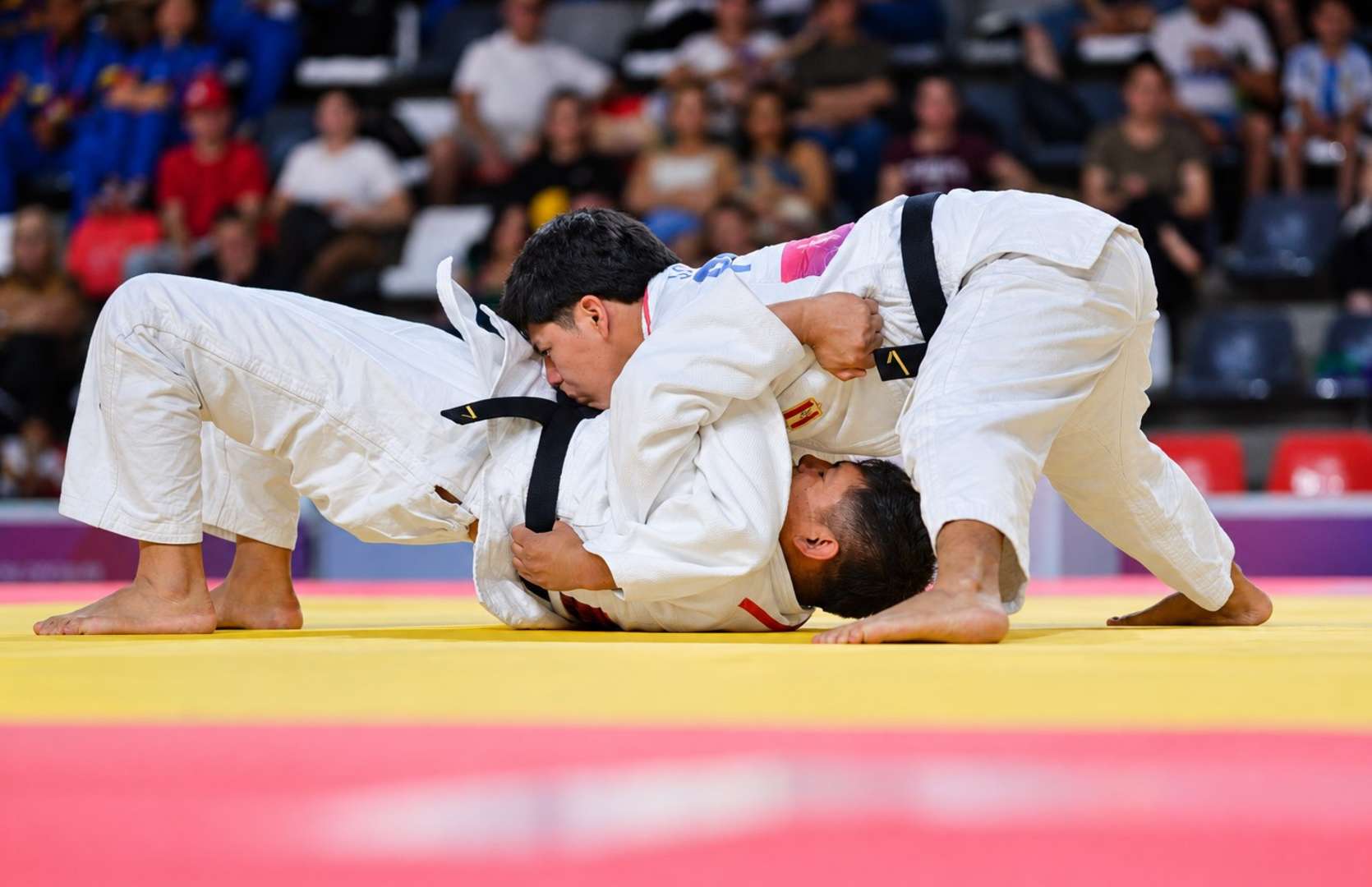
It was a fitting conclusion to an event in which the spectators became an essential part of the story. Many had arrived with little previous experience of judo. Over three days, they learned to read the exchanges, to respect the silence before hajime and to react instinctively to every decisive throw. Their energy gave the competition a rare character and showed how quickly judo can create a bond with a new public when it is presented in the right setting.
Rosario proved itself to be much more than a host city. Its sporting infrastructure, organisation and hospitality provided an excellent framework, but it was the city’s people who gave these Games their identity. On the tatami, South American judo demonstrated its depth, ambition and diversity. In the stands, Rosario showed why it carries the name “Invincible”.
Source: Images and text - Carolina Madrid Mori (CSJ)