
In a revealing episode of JudoPod, Bellandi opens up about the mindset behind one of the most remarkable runs in modern judo and explains why, even after reaching the top, she continues to challenge herself every day.
What makes her latest success even more remarkable is how close she came to arriving at the European Championships full of doubt. An injury sustained after the Paris Grand Slam in February, at the beginning of the 2026 IJF World Judo Tour season, forced her to stop training for three weeks, leaving her feeling vulnerable and underprepared. On the morning of the competition, she was overwhelmed by nerves. Her response was a simple but powerful belief, “You don't need to feel great to do great stuff.” Despite feeling physically fragile, Bellandi leaned on her faith and trusted herself to switch into “fight mode” as she stepped onto the mat. Days later, she completed the triple crown but titles are not how she defines herself.
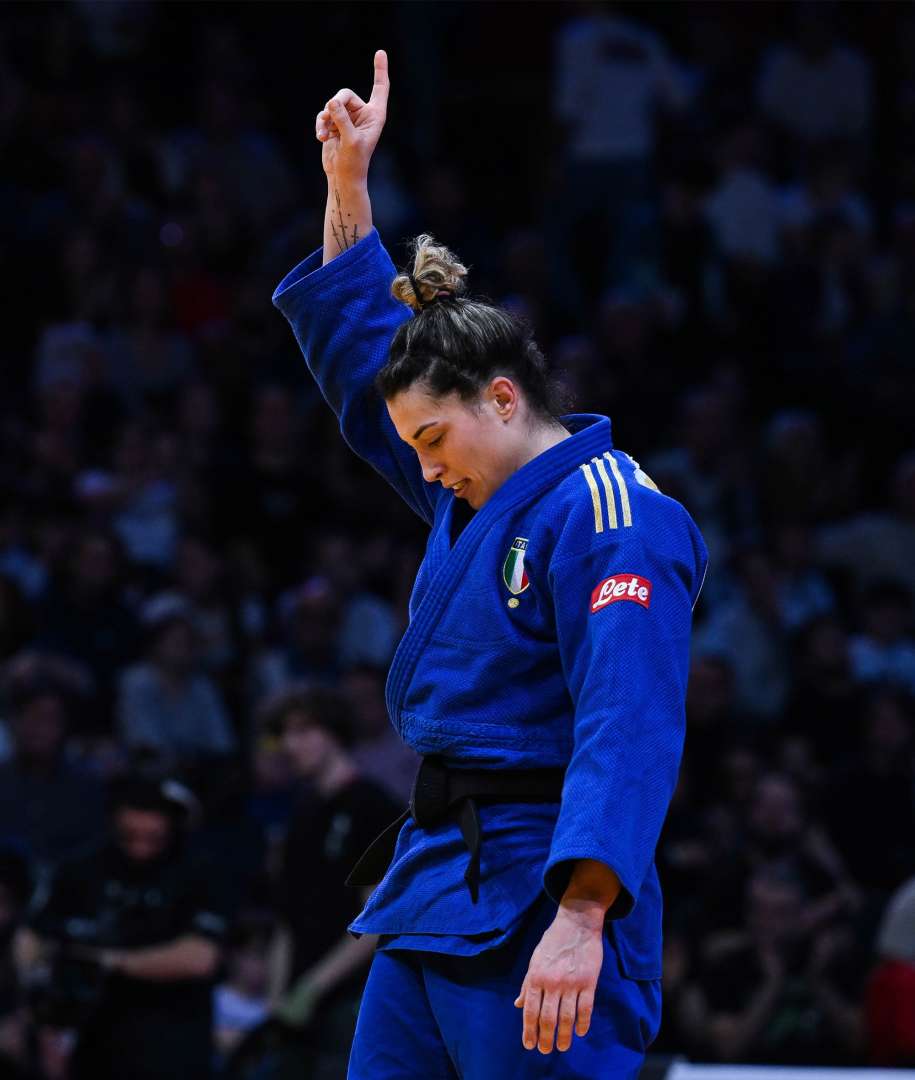
While many athletes measure success through medals, Bellandi sees her career as a process of constant growth. Despite standing at the top of the sport, she insists she still feels like the newcomer. “I always feel like I'm the last one.”
That mentality has helped her avoid complacency. Rather than viewing her achievements as a destination, she sees them as the foundation for her next challenge: the Olympic Games in Los Angeles 2028.
On the tatami, Bellandi combines instinct with relentless self-improvement. Many of her most effective techniques happen almost automatically, guided by feel rather than conscious thought. However, as a confessed perfectionist, she is constantly searching for new solutions, determined not to rely on the same attacks repeatedly.
That adaptability has become even more important since becoming world champion. Wearing the red backpatch means every opponent studies her, analyses her contests and develops specific tactics to stop her. Bellandi understands that staying on top requires constant evolution.
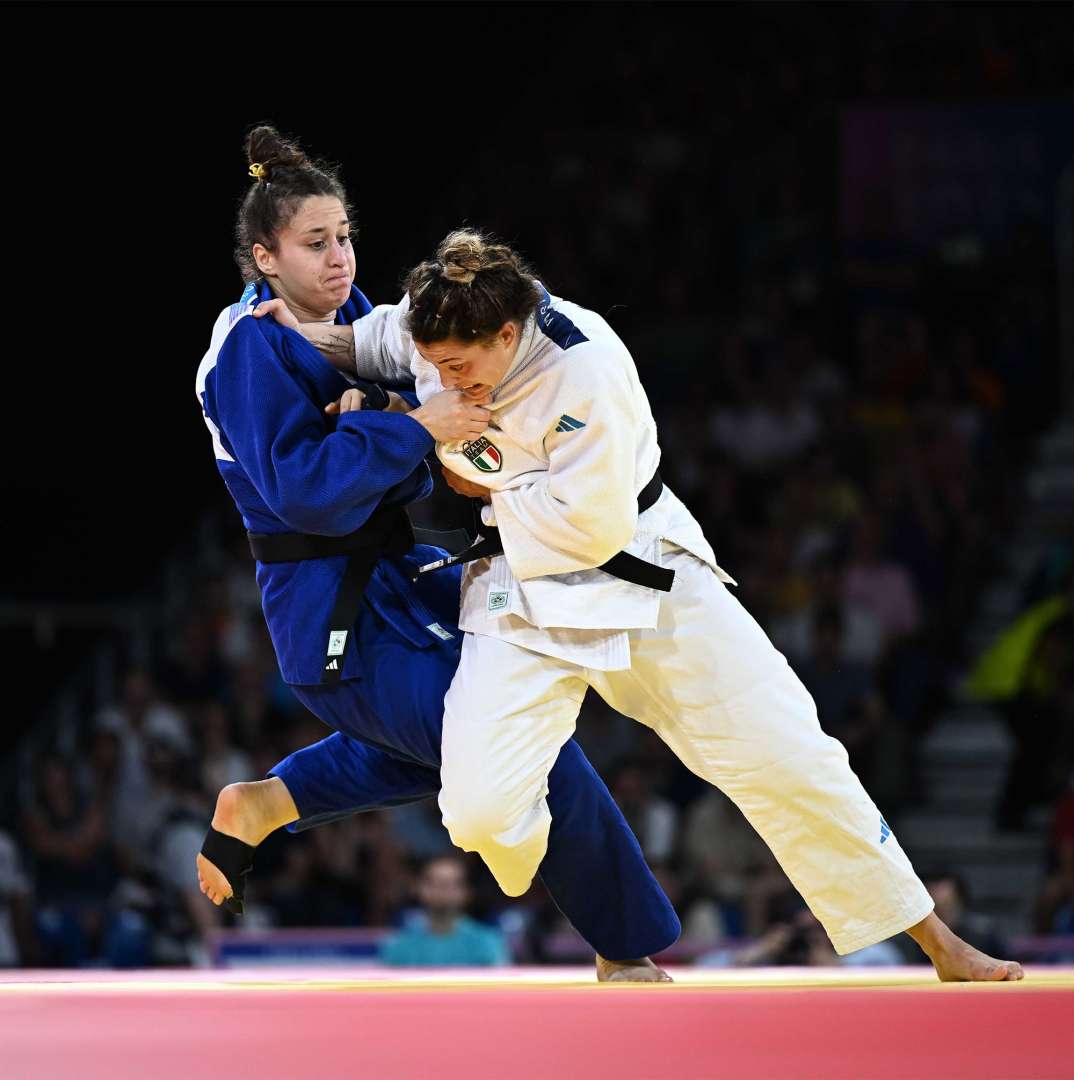
A crucial turning point in her career came long before her recent titles. Her decision to move from -70 kg to -78 kg transformed her relationship with the sport. Severe weight cuts had become so demanding that they triggered panic attacks, forcing her to reconsider her future. Moving up was, in her words, the “only choice.” The result was not only a healthier athlete but a happier one, an athlete able to find balance between her body, food and performance.
Throughout the interview, Bellandi returns to one theme repeatedly: resilience. She recalls moments in major finals when exhaustion clouded her thinking and her body felt empty, yet she found a way to continue. Faith, she says, has become one of her greatest sources of strength in those moments.
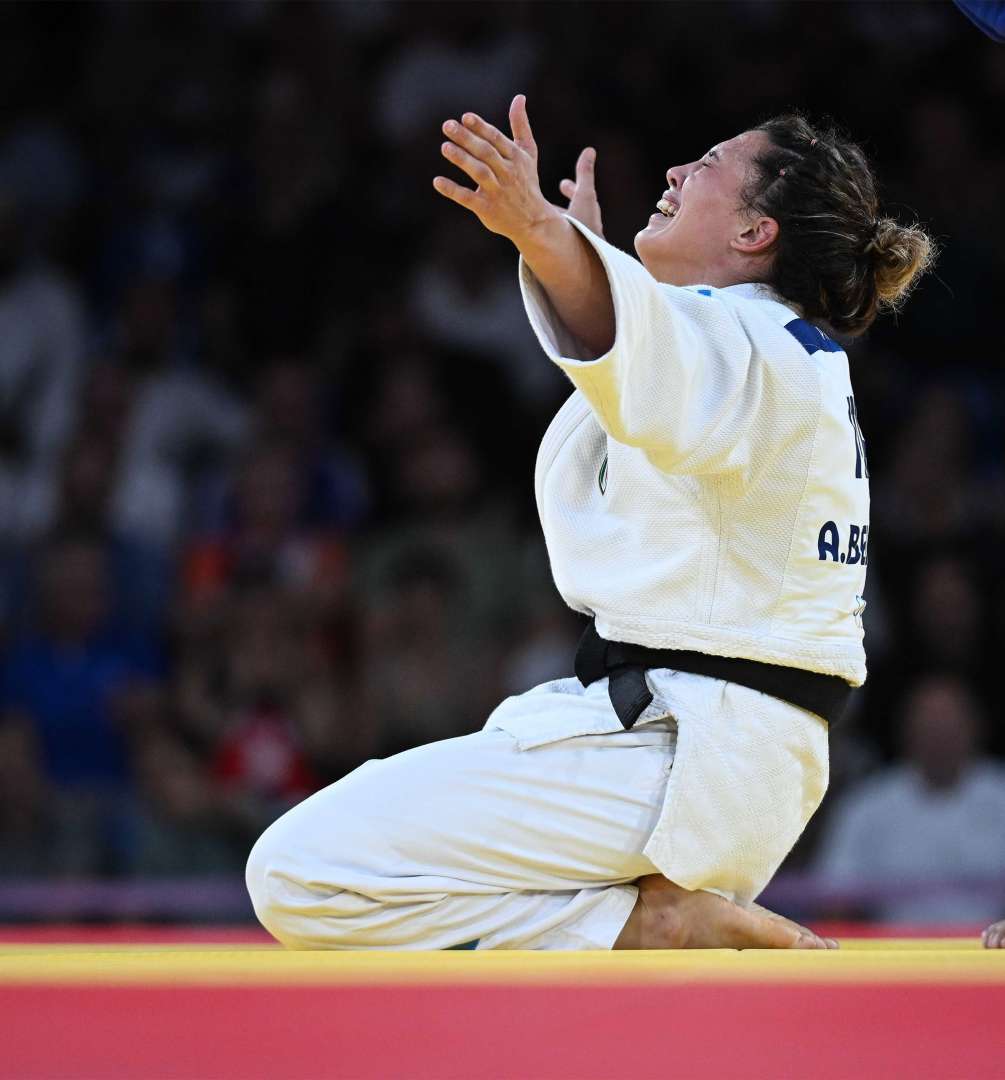
For Bellandi, the lesson is simple: success is not about always feeling confident, strong or ready. It is about moving forward anyway.
Watch the full interview to hear Alice Bellandi discuss the mentality behind the triple crown, the weight-category decision that changed her career, and why she believes her best judo is still to come.