
Since its creation by Jigoro Kano Shihan, judo has never been simply about winning contests. Kano conceived it as an educational system, one that develops character as much as technique, encouraging people to become better citizens through practice. More than a century later, this philosophy continues to guide the International Judo Federation in every aspect of its mission.
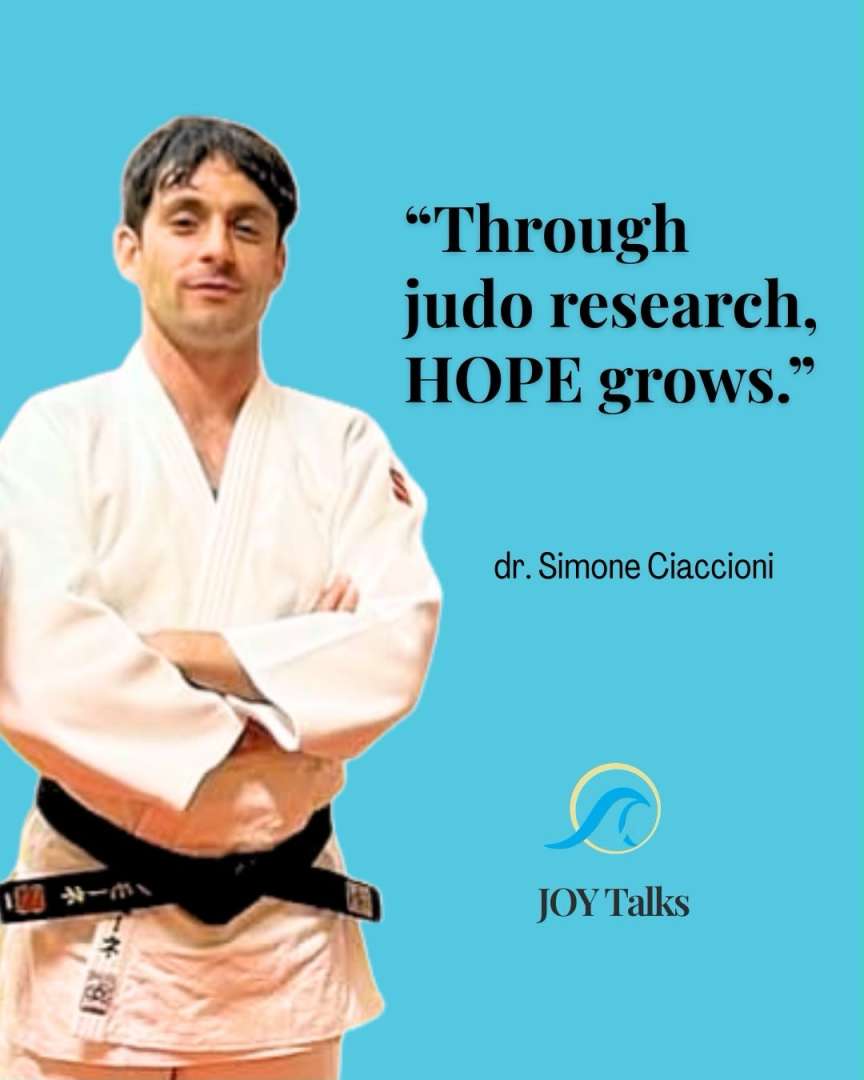
Competition remains the visible face of judo but education is its foundation. As Dr Ciaccioni reminds us, "Research means discovering, learning and building connections." Every successful athlete has been guided by coaches who never stopped learning themselves, and every thriving dojo depends on teachers capable of adapting their methods, questioning established ideas and embracing new knowledge.
This vision lies at the heart of the IJF Academy. Over the years, it has become one of the federation's flagship educational initiatives, providing internationally recognised qualifications to coaches across the globe. By combining academic rigour with the philosophy and values of judo, the IJF Academy has helped thousands of professionals strengthen their expertise and raise the quality of coaching on every continent.
Yet education does not stop with certification. Today's coaches operate in an increasingly complex environment where performance, health, inclusion and athlete welfare all rely on a growing body of scientific knowledge. Research in biomechanics, pedagogy, psychology, physiology, motor learning and child development continually reshapes our understanding of how judo can be taught more effectively and more safely.
Reflecting this commitment, the IJF also publishes its own scientific journal, The Arts and Sciences of Judo. Issued twice a year, the journal brings together researchers from around the world, sharing studies that advance knowledge across every dimension of the sport. From coaching methodology and injury prevention to education, philosophy and social impact, it provides a platform where science serves practice. The next edition, scheduled for the end of June 2026, will once again demonstrate the richness and diversity of international research dedicated to judo.
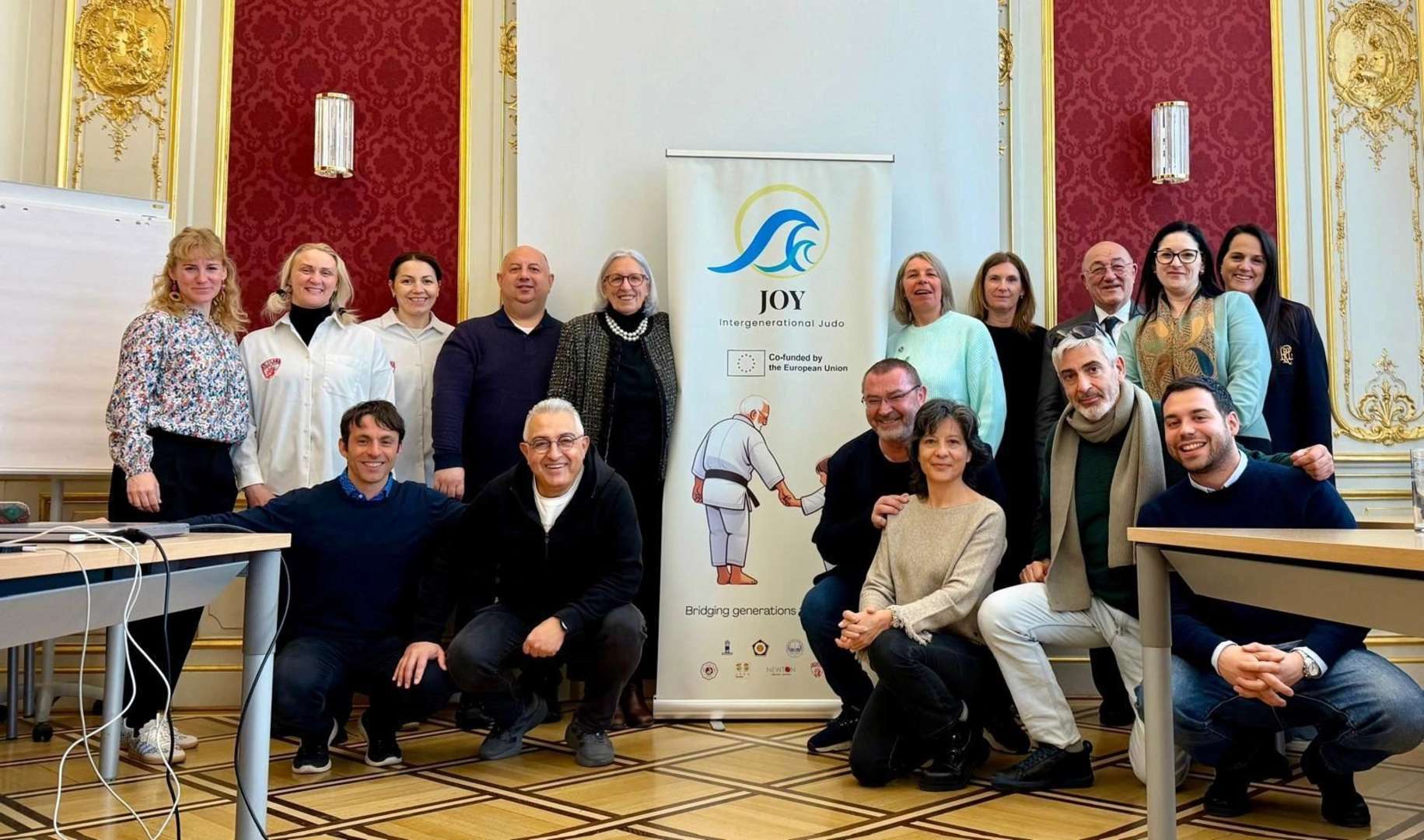
For Dr Ciaccioni, however, research has value only if it ultimately reaches the tatami. Throughout his work, whether on healthy ageing through the JOY and EdJCO projects or on the HOPE initiative, which explores the role of physical education in hospital schools, he has consistently sought to transform academic knowledge into practical benefits for people. As he explains, "A society can be considered truly healthy and equitable only when it is able to care for its most vulnerable members."
That vision mirrors the IJF's own educational strategy. Knowledge achieves its greatest value when it helps coaches teach more effectively, when it enables children to learn in safer environments and when it strengthens programmes such as Judo for Children, Judo in Schools and Judo for Peace. Every new discovery has the potential to improve how ukemi is taught, how injuries are prevented, how values are transmitted and how judo contributes to healthier, more inclusive communities.
The International Judo Federation has long understood that medals alone cannot define the future of the sport. Sustainable development depends equally on the quality of its teachers, the strength of its educational programmes and the willingness of its community to continue questioning, learning and innovating. Through the IJF Academy, The Arts and Sciences of Judo and its support for researchers such as Dr Simone Ciaccioni, the federation continues to build a global network where knowledge is shared as freely as experience.
As Dr Ciaccioni observes, research is also about "Striving to grow while remaining aware of one's limitations." It is an idea that resonates deeply with the spirit of judo itself. Every medal is a celebration of excellence in the present. Education builds excellence for the future. By continuing to invest in learning, research and innovation, the International Judo Federation remains faithful to Jigoro Kano's original vision: a sport that never stops learning because it never stops striving to contribute to society.