
Deguchi didn’t just change nationality. She deliberately stepped outside one of the world’s most dominant sporting systems to give herself room to grow. In Japan, judo is both sacred and suffocating. While the domestic level is extraordinarily high, international opportunities are limited. Team Canada first approached Deguchi casually when she was young, then more seriously in her early twenties. After months of overthinking, the decision came suddenly on a bike ride to training. “I got tired of thinking about it. I was just like, ‘Yeah. Let’s just go for Canada.’” She believes that choice was essential.
Competing for Canada meant constant exposure to grand slams, masters and world championships, experience she was unlikely to have gained otherwise. “I got stronger, a better fighter because I joined Canada.”
Joining Team Canada also placed her in a rare internal rivalry with Jessica Klimkait, both fighting at -57 kg. Instead of fracturing the team, the rivalry elevated them. Deguchi admits she dislikes training, while Klimkait’s relentless work ethic forced her to raise her standards. “The way she made you better is she made you practice.”
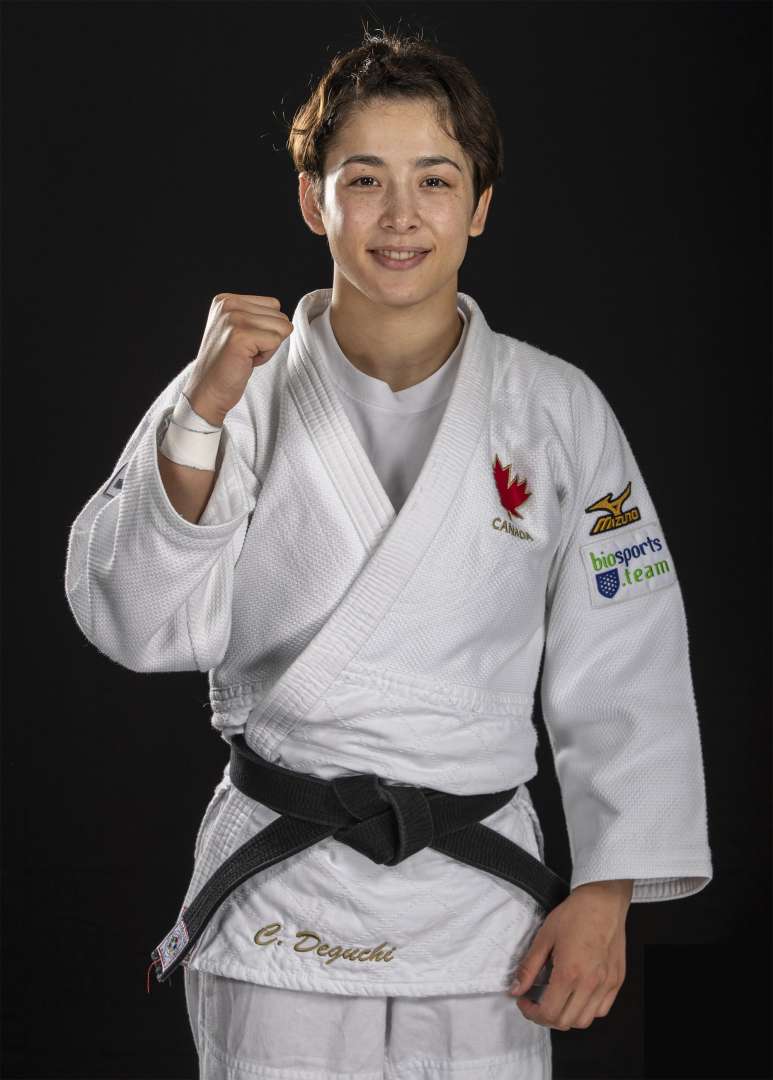
Only one could qualify for Tokyo 2020. Klimkait won that race. Deguchi describes the aftermath bluntly. “I was dead inside for a few weeks, maybe a couple of months.”
With time, her perspective shifted. She concluded that she simply wasn’t ready and that realisation fueled her Paris campaign. “That’s why I tried harder for Paris.” She supported Klimkait in Tokyo and reframed the setback as preparation rather than failure.
Deguchi also dismantles Olympic mythology, arguing that world championships and the World Judo Masters are often harder to win due to deeper fields and more fights. Losses, including a key defeat at the 2023 worlds, became technical lessons rather than emotional scars. “I got the gold medal at the Olympics because I fought and I lost and I learned.”
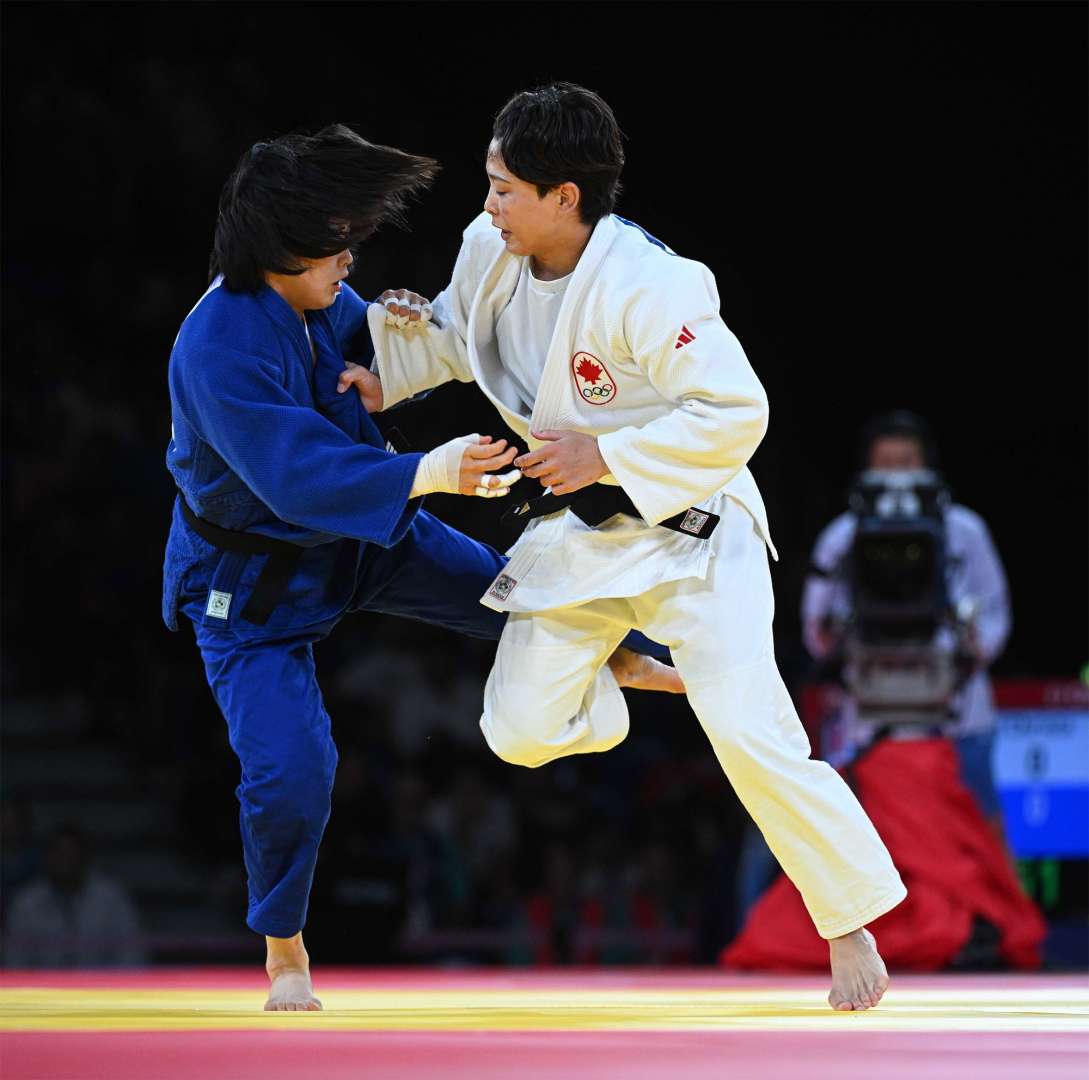
Tactically, Deguchi is refreshingly honest. She struggles against left-handed opponents and doesn’t chase constant reinvention; small adjustments matter more. Before her Olympic final, her coach gave her one simple cue, “Keep your head up.” It made the difference.
Off the mat, Deguchi embraces her dual Japanese-Canadian identity without conflict. “I represent both. What’s wrong with that?” She hopes to inspire mixed-heritage children in Japan by showing that they don’t have to choose one identity over another. Known for her ‘goofy’ personality, love of gaming, anime, snowboarding, and her four cats, Tuna, Mayo, Salmon, and Musubi, she has become a relatable media figure beyond sport.
Looking ahead, Deguchi is launching a children’s team judo tournament in her hometown of Nagano, with a bold rule: no coaches on the mat. The goal is to teach leadership, responsibility and independence, values she believes matter as much as medals.

Christa Deguchi’s Olympic gold wasn’t inevitable. It was built through discomfort, rivalry and the courage to leave a system that no longer fitted. She didn’t just win for Canada. She didn’t just honour Japan. She proved that sometimes the most intelligent path to the top is the one you create yourself.
All episodes are available on Youtube, Spotify, JudoTv.com and Apple Podcasts.