

This year carries particular importance. Not only does it mark the beginning of a new Olympic cycle, but it also introduces a decisive shift in the ranking landscape. As per IJF regulations, points earned during 2024 have now begun to expire, while results from 2025 are reducing, in line with the calendar of events, to 50% of their original value. This recalibration has compressed the ranking list and placed unprecedented emphasis on current performance and activity, as of 23rdMarch, immediately after the grand slam in Georgia.
From the very first events, athletes have been required to adapt quickly. The Paris Grand Slam, followed by the Tashkent Grand Slam, the Upper Austria Grand Prix and the Tbilisi Grand Slam, have already proven decisive in establishing early trends across all weight categories.
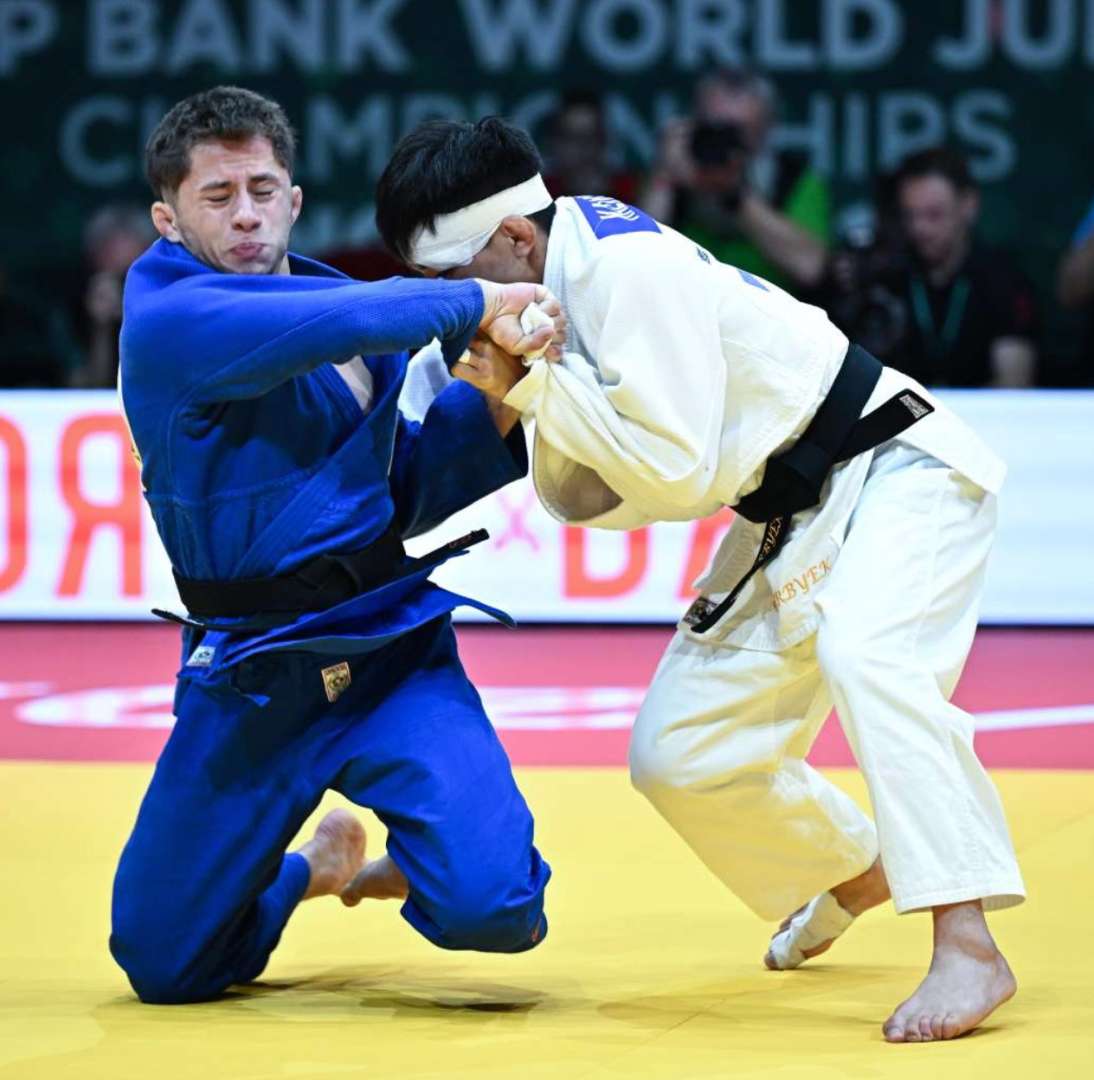
At -60 kg, the early part of the season illustrated the impact of the new rules’ update perfectly. Starting the year with Ayub Bliev (RUS) at the top of the rankings, the balance shifted quickly as Balabay Aghayev (AZE) captured gold in Paris, earning maximum points at a moment when older results had lost much of their value, currently ranked #2. Ryuju Nagayama (JPN) added points to his tally with a seventh-place finish and his compatriot Taiki Nakamura reached #4 with a bronze medal in Tbilisi, while Augusto Michel accumulated results steadily, including a seventh-place finish in Tashkent. The Brazilian ultimately reached world number one for the first time. In contrast, Bliev’s absence from competition resulted in a steady decline (#6), highlighting how inactivity is now more costly than ever.
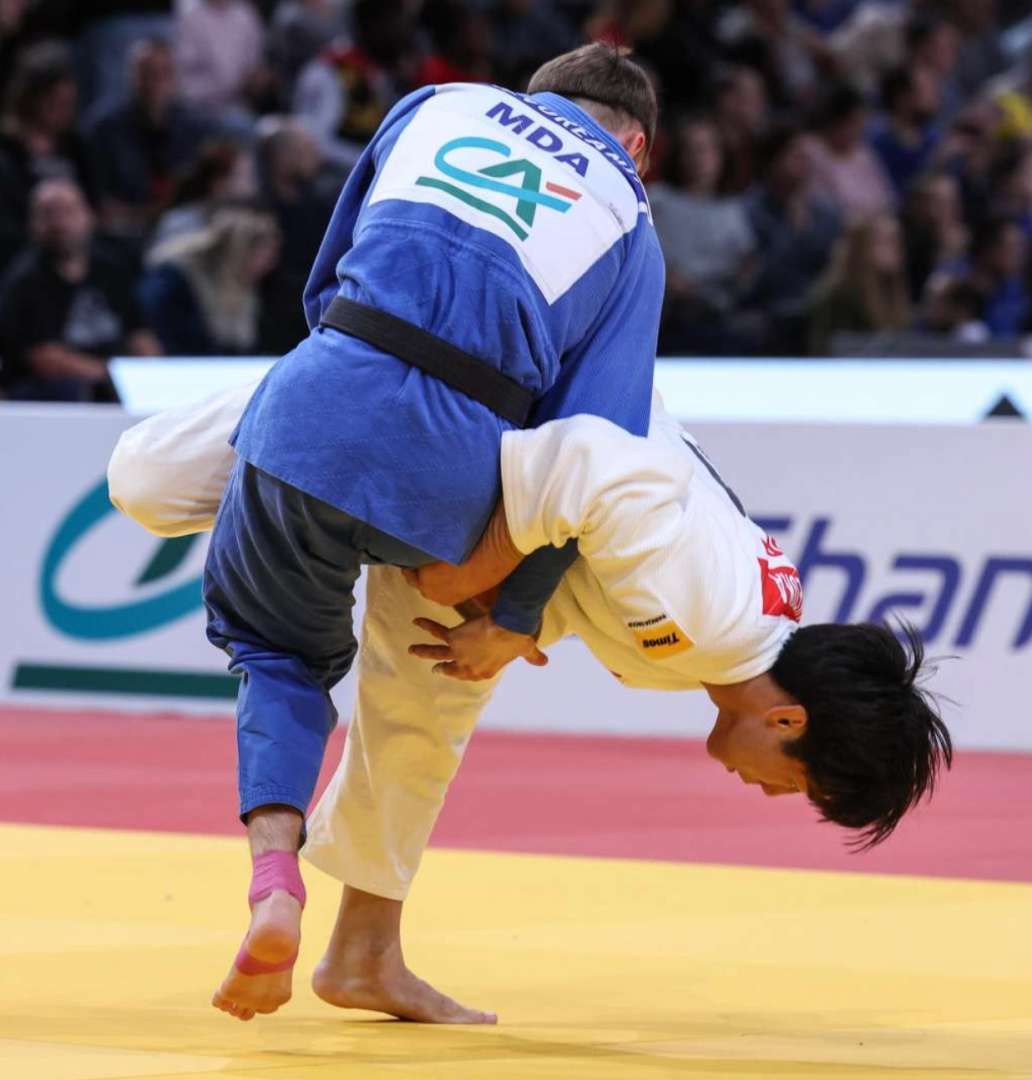
A similar dynamic unfolded at -66 kg. Takeshi Takeoka (JPN) began the year as the category leader and reinforced his position with victory in Paris. However, the situation evolved rapidly in Tashkent, where Hifumi Abe (JPN) claimed gold and leaped to #2 in the ranking and Nurali Emomali (TJK) secured third place. With limited participation in subsequent events, the category entered a phase where ranking positions were influenced as much by the points reduction as by performance.
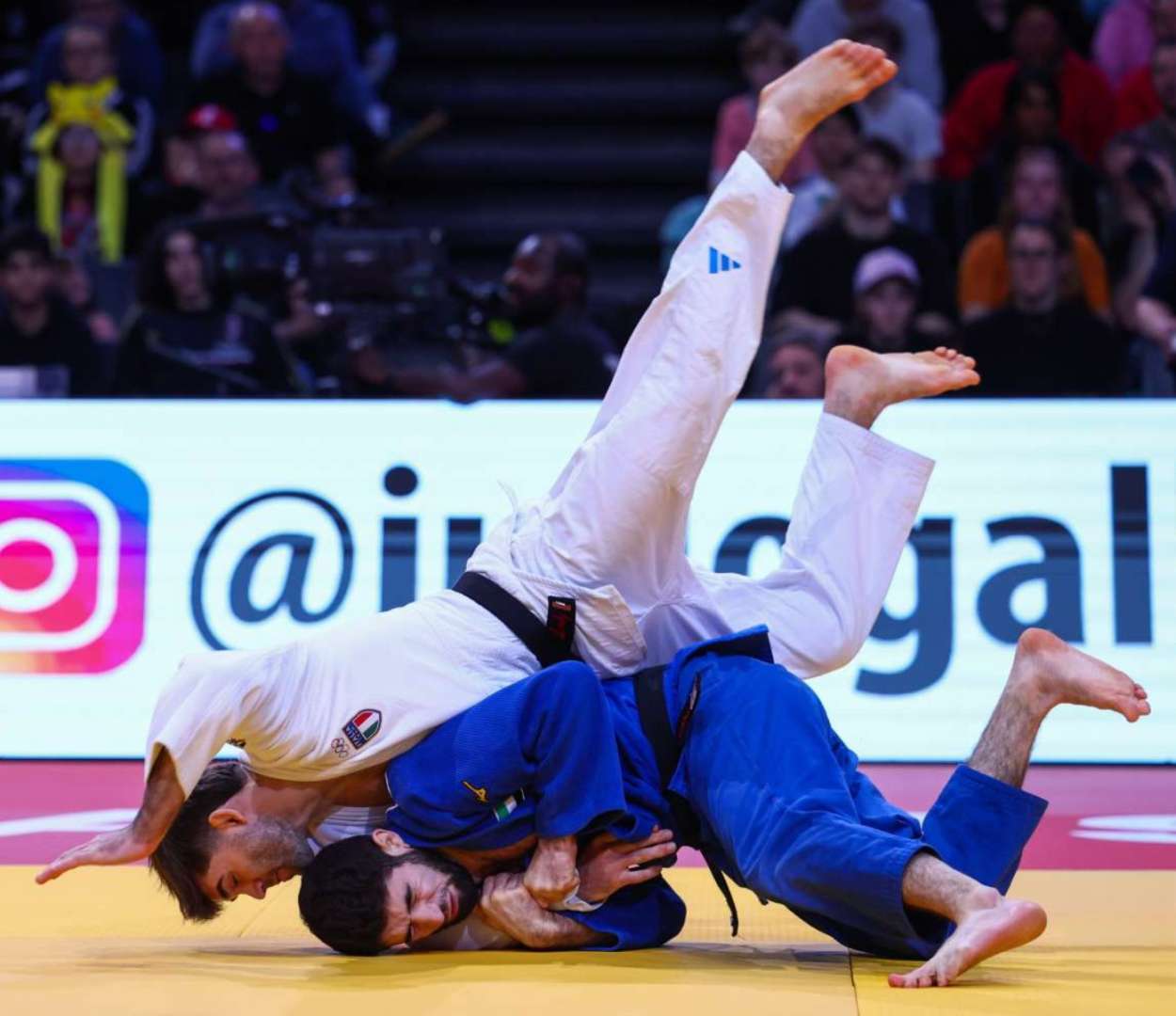
In the -73 kgcategory, Joan-Benjamin Gaba (FRA) began the year at the top but the emergence of Makhmadbek Makhmadbekov (UAE), who won in Paris, marked a turning point. That single result, worth 1000 points, carried even greater weight under the new system and propelled him to world number one for the first time. Subsequent performances from Tatsuki Ishihara (JPN), 6th on the World Ranking List, Daniel Cargnin (BRA) at #3, and Hidayat Heydarov (AZE) at #4, who claimed bronze in Tbilisi after missing Paris, ensured continued movement in the standings.
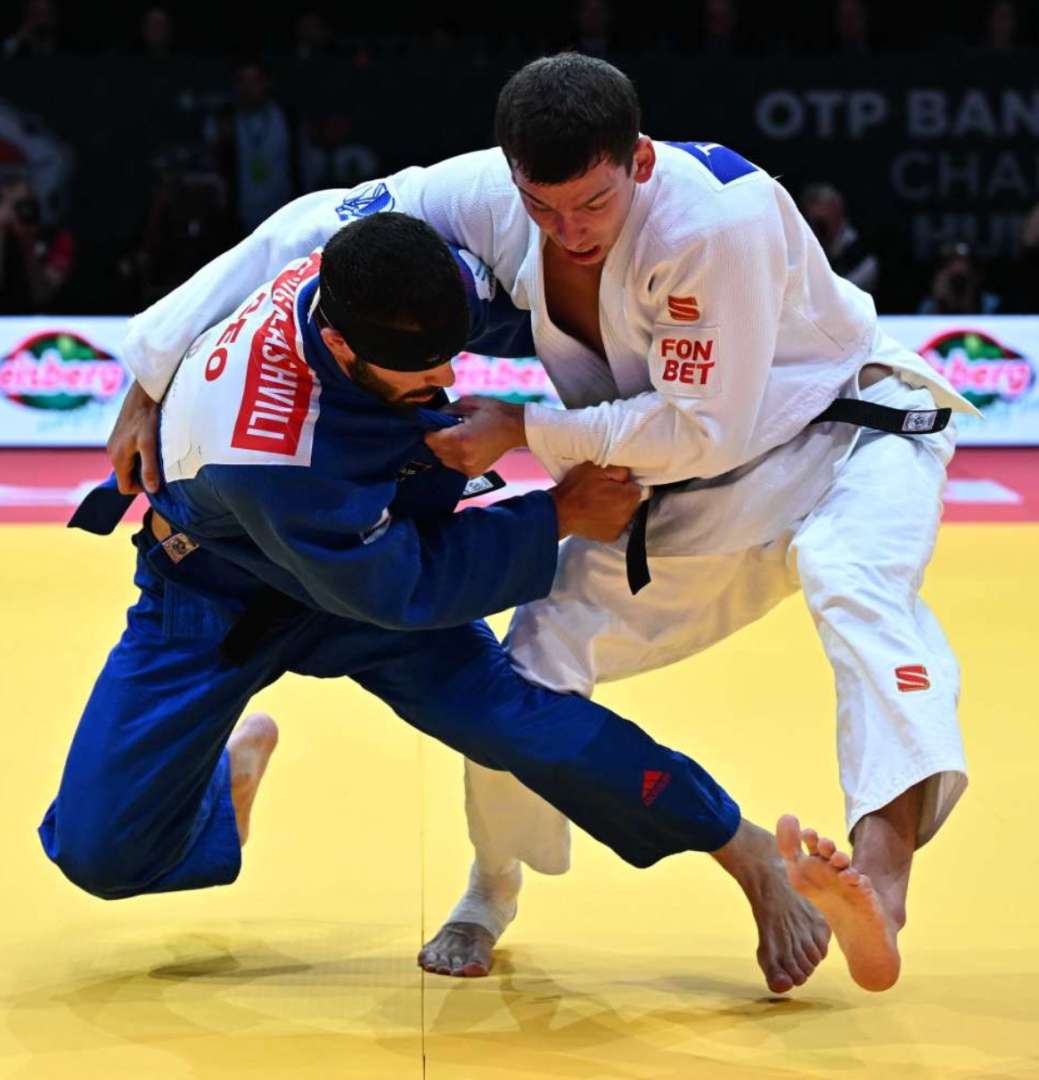
The -81 kg category saw less fluctuation. With Timur Arbuzov (RUS) leading at the opening of the season, Yuhei Oino’s (JPN) victory in Paris and Zelim Tckaev’s (AZE) silver medal established a clear hierarchy. However, the absence of further participation meant that rankings remained relatively stable, shaped primarily by the gradual reduction of existing points. Onio is #4 and Tcakev is #5 on the WRL while the Georgian, Tato Grigalashvili, is 3rd and Joonhwan Lee from Korea is right behind Arbuzov.
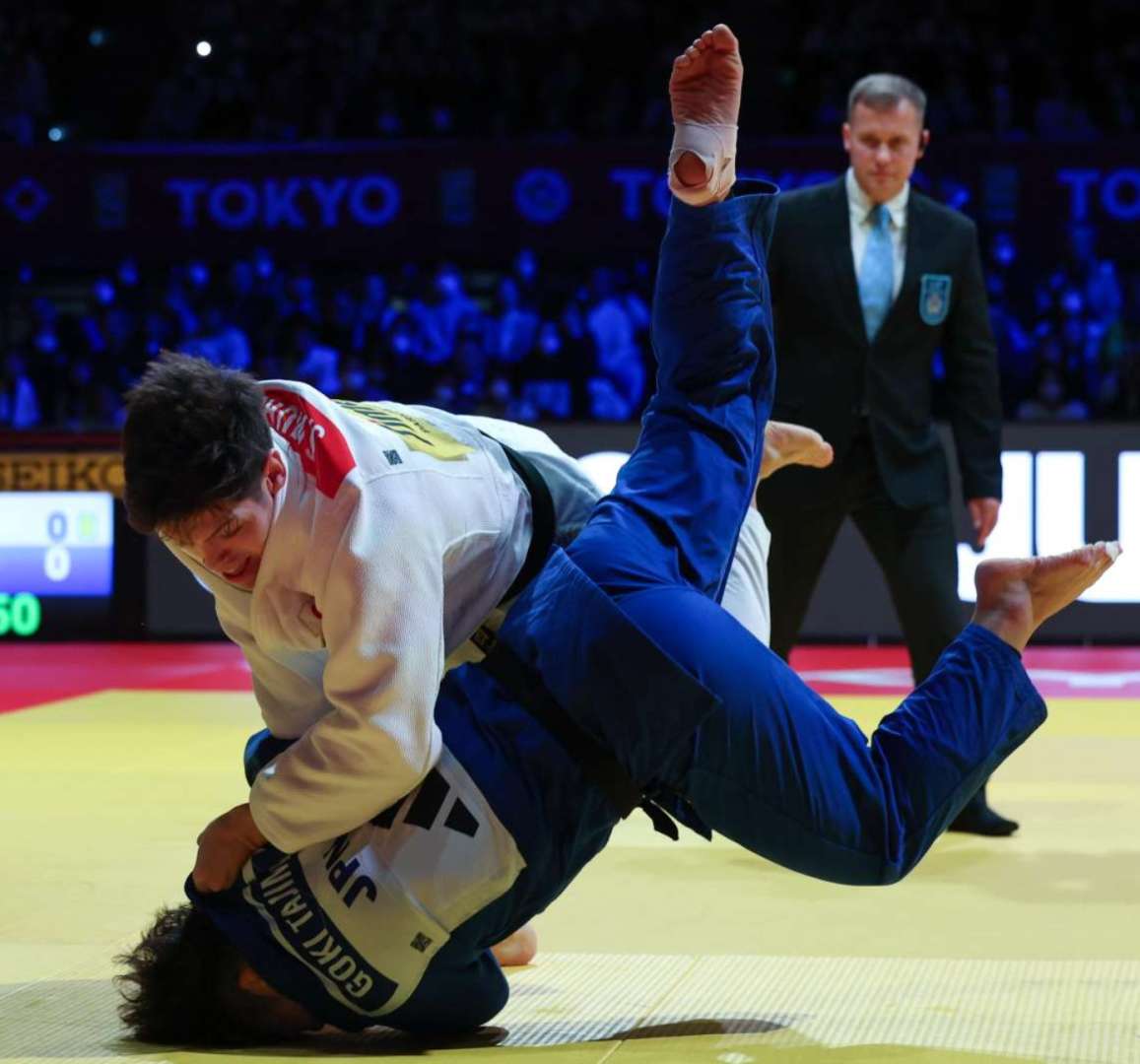
At -90 kg, Sanshiro Murao (JPN) began the season as world number one, but the category evolved quickly. His compatriot, Goki Tajima’s victory in Paris was followed by Lasha Bekauri’s (GEO) silver medal in Tashkent and Rafael Macedo’s (BRA) points in Upper Austria. The decisive moment came in Tbilisi, where Luka Maisuradze kept the gold medal at home, altering the ranking order significantly, demonstrating how late events can carry decisive weight in a compressed system. While Murao still leads on the World Ranking List, Tajima, Bekauri and Maisuradze follow him within the top 4. Macedo is #6.
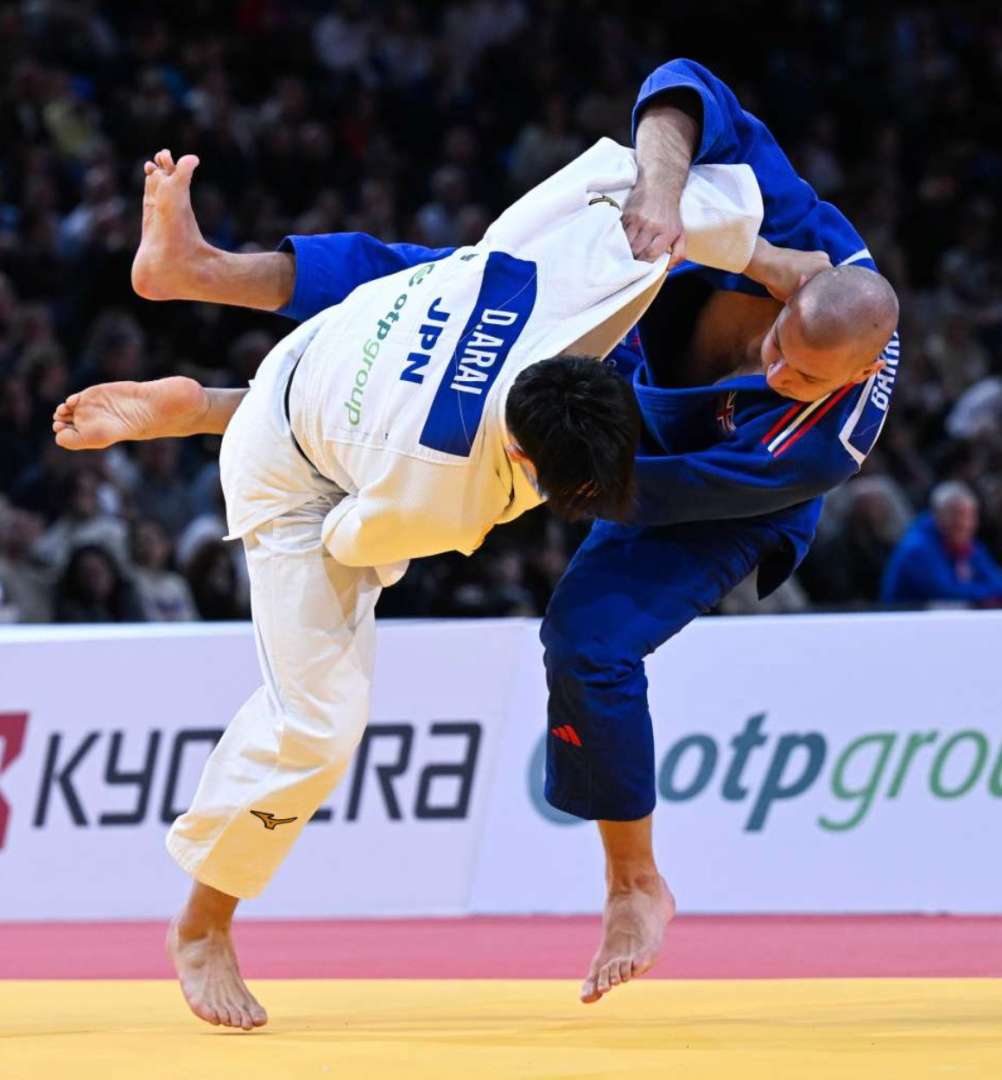
Dota Arai began the year as world number one and reinforced his position quickly with a commanding victory at the Paris Grand Slam at -100 kg, earning 1000 points at a crucial moment in the ranking cycle. Anton Savytskiy (UKR) followed with a strong performance, winning the silver medal, adding 700 points to his total, while the rest of the field remained inactive and saw their totals decrease under the new regulations. The situation evolved slightly at the Tashkent Grand Slam, where Zelym Kotsoiev (AZE) secured a third-place finish and valuable points, though most leading athletes, again, did not compete. With this performance he is now #2. Momentum shifted further at the Upper Austria Grand Prix, where the Ukrainian (#3) returned to claim gold and close the gap at the top of the rankings. However, with no participation from the leading contenders at the Tbilisi Grand Slam, the category ultimately remained shaped by a combination of key early results and the ongoing reduction of previous points, once again underlining the importance of both activity and timing in the current ranking system.
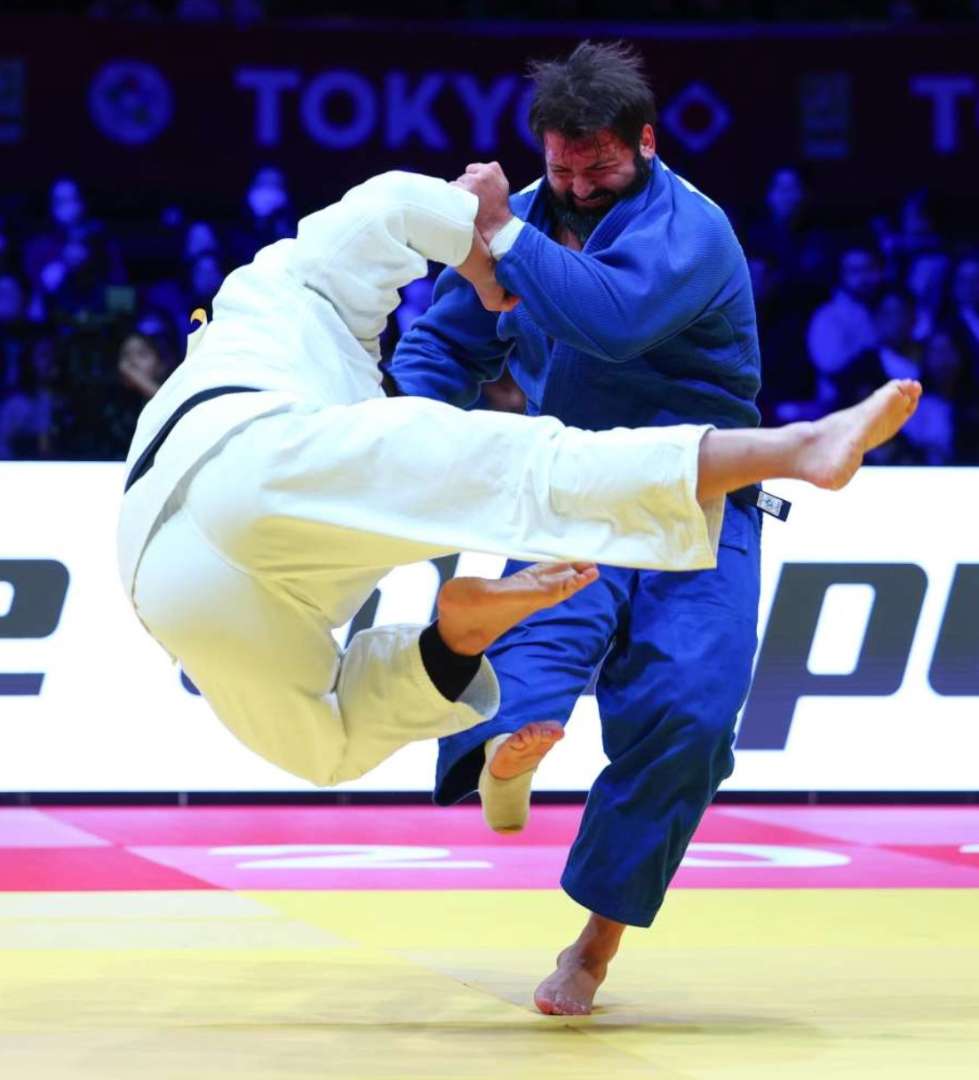
In the +100 kgcategory, Inal Tasoev (RUS) launched his year as the leader but limited activity among the top athletes defined the early months. Hyoga Ota (JPN) and Minjong Kim (KOR) collected points in Paris, while Guram Tushishvili (GEO) competed in Upper Austria but exited early. With few results added, the rankings were largely defined by the expiration of older points and the reduction of 2025 scores. Tasoev continues to lead, Kim climbed to the 2nd position, Rakhimov is 3rd and Ota is #4.
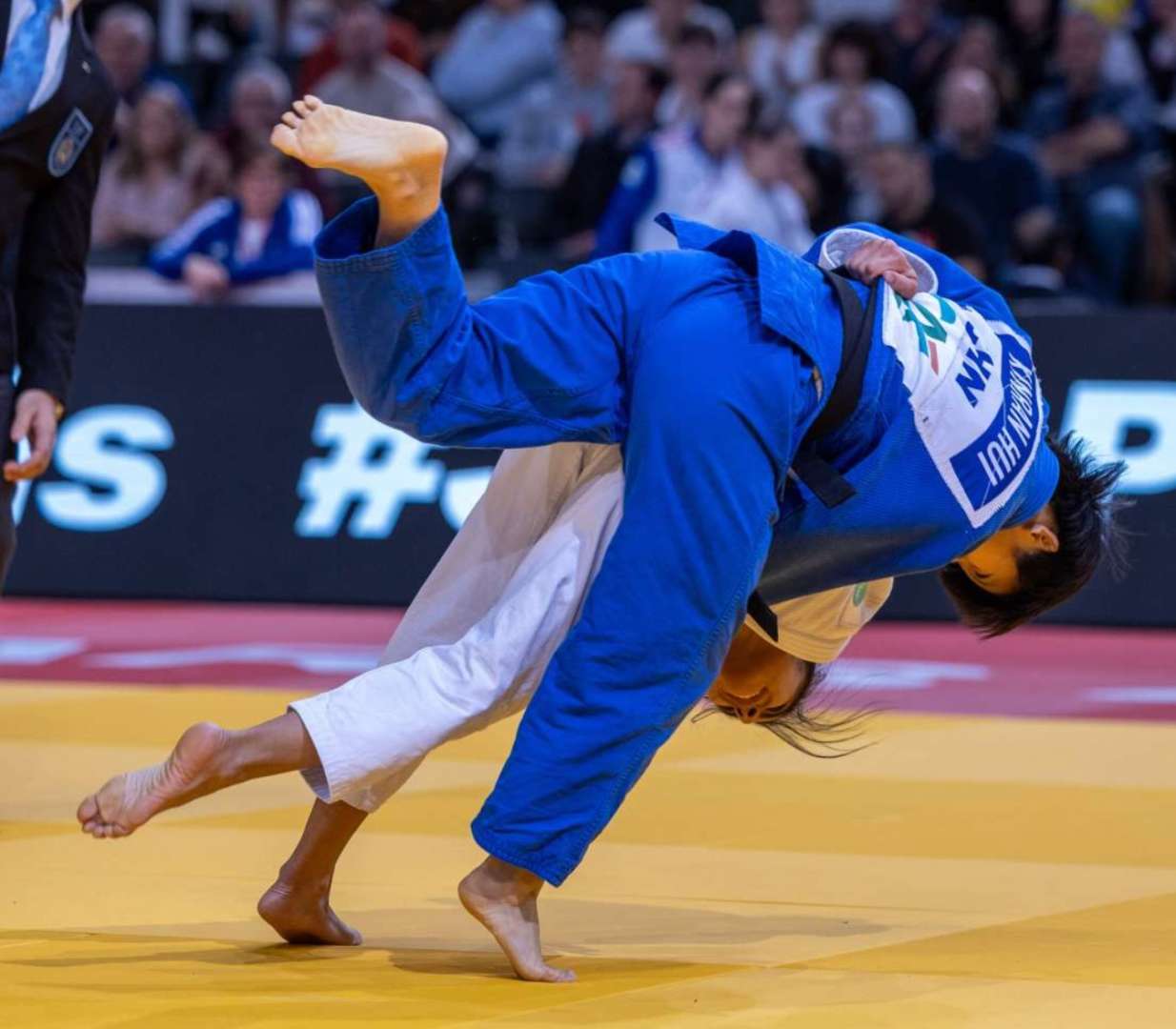
The women’s categories have been equally dynamic. At -48 kg, Abiba Abuzhakynova (KAZ) began the year on top, but Shirine Boukli’s (FRA) victory in Paris brought her the #2 spot, and Xinran Hui’s gold medal in Tashkent placed the Chinese judoka as the new world ranking leader. Additional contributions from Laura Martinez Abelenda (ESP), who gathered a bronze medal in Linz, brought her to #5, while Sabina Giliazova’s (RUS) bronze in Tbilisi earned her the 4th place position; both are in constant movement in the rankings.
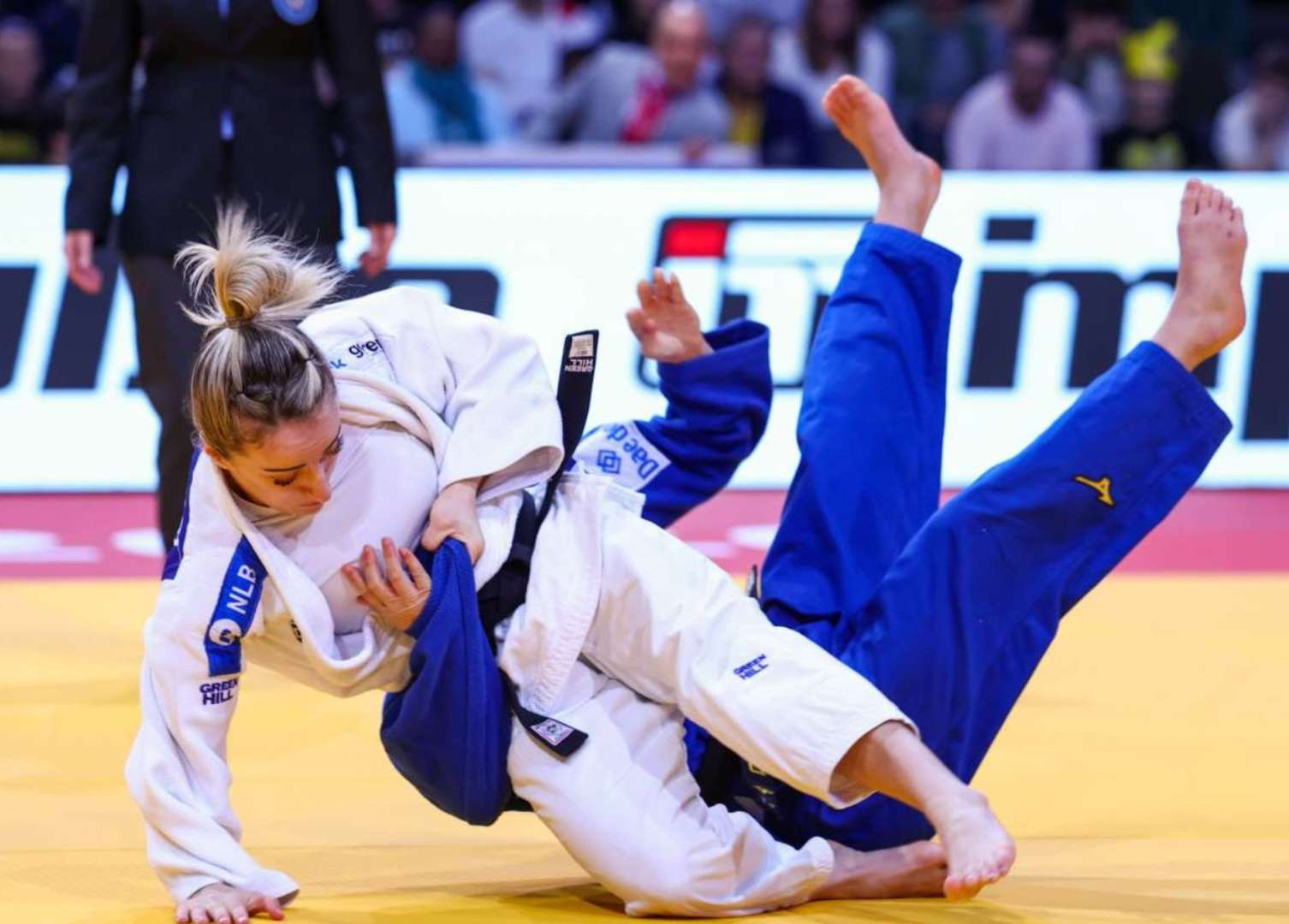
At -52 kg, Distria Krasniqi (KOS) confirmed her leading status with victory in Paris, ahead of Ariane Toro Soler (ESP) and Mascha Ballhaus (GER), who are currently second and tenth on the WRL. However, with limited participation in later events, the category experienced relatively little change beyond the gradual adjustment of existing points. Hungary’s Reka Pupp begins thos next period from third position.
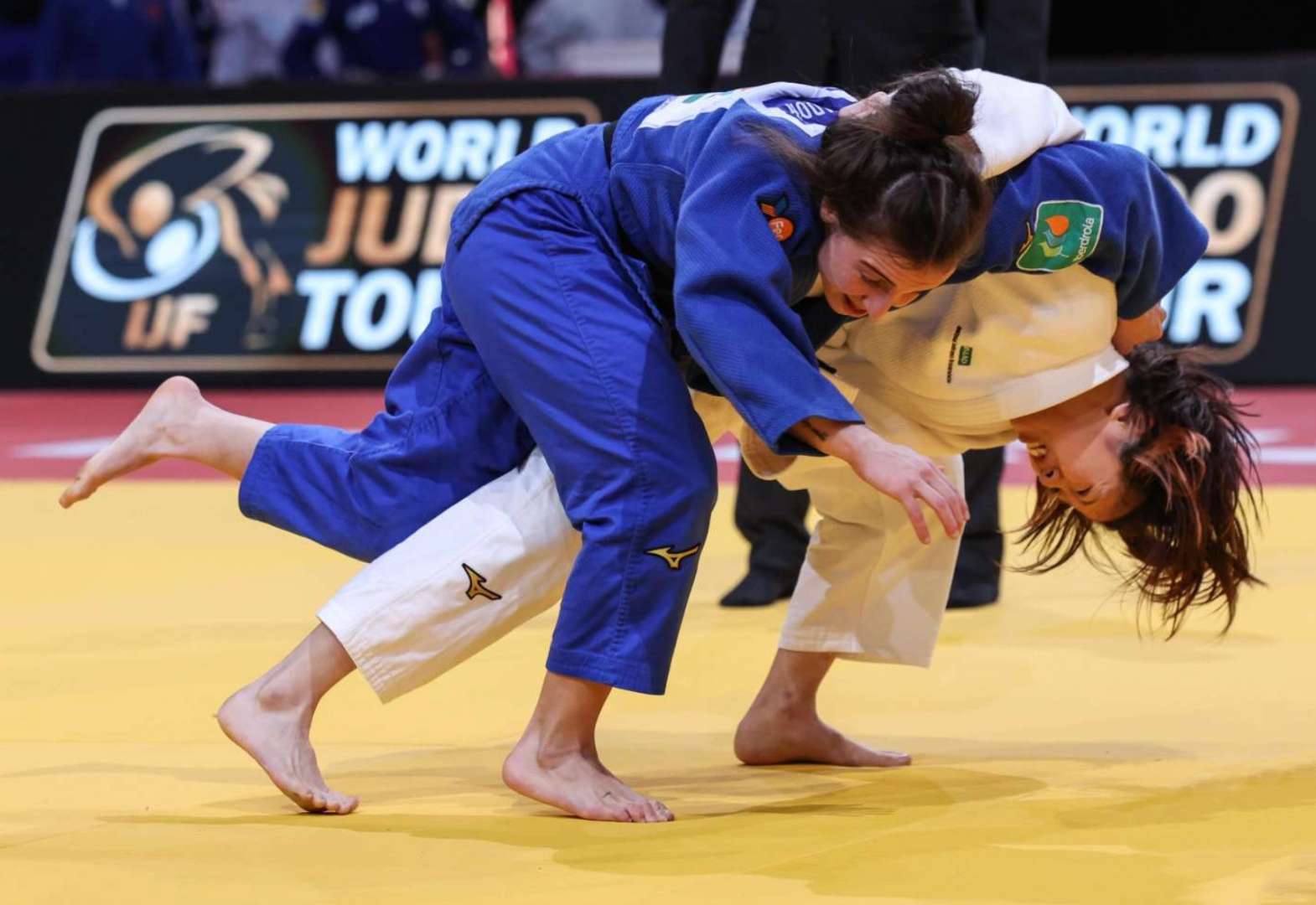
2026 in the -57 kg category began with Eteri Liparteliani (GEO) in first place, but early-season results quickly tightened the race. Sarah Leonie Cysique’s (#3) gold medal in Paris and Liparteliani’s (#2) own points from Tashkent kept the competition close, before Timna Nelson Levy’s (ISR) victory in Tbilisi proved decisive; she’s now up to 4th on the WRL. This underlines the importance of timing within the competition calendar. Momo Tamaoki (JPN) has not competed since her bronze in Paris, yet took over the category due to the deducted points from 2024 & ‘25.
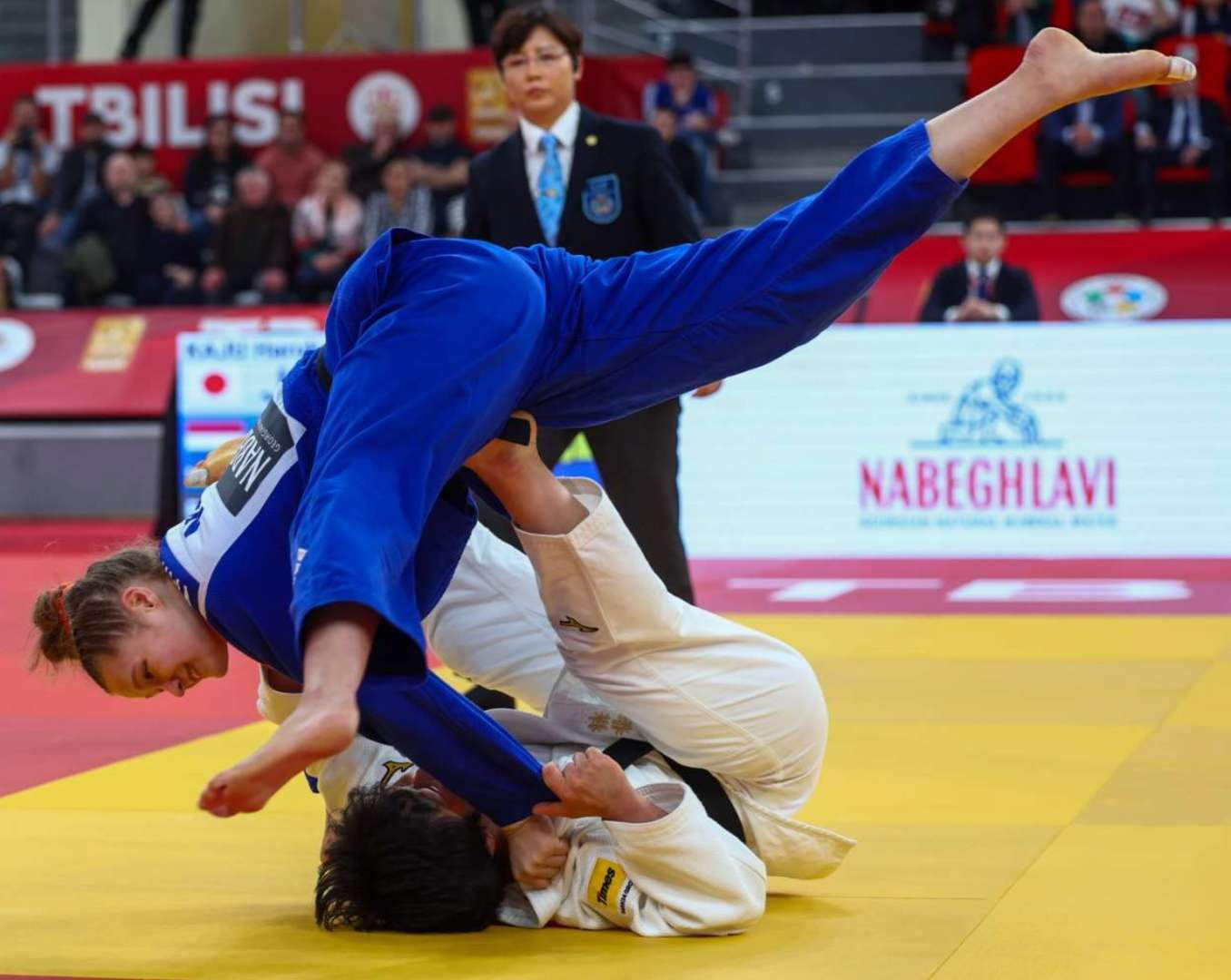
In the -63 kg category, one of the most competitive groups, Haruka Kaju (JPN) led at the beginning of the year and although faced strong challenges throughout the first quarter, she still leads the WRL. Joanne Van Lieshout’s (NED) consistent performances across multiple events earned her the #2 spot. Catherine Beauchemin-Pinard’s (CAN) silver medal in Tashkent and Rafaela Silva’s (BRA) victory in Upper Austria all contributed to continuous reshuffling. The category reached a peak in Tbilisi, where Kaju secured gold, followed by Van Lieshout and Iva Oberan (CRO), illustrating the importance of both consistency and peak performance. In the rankings, the Croatian follows as 3rd and the Olympic and world champion from South America is at #4.
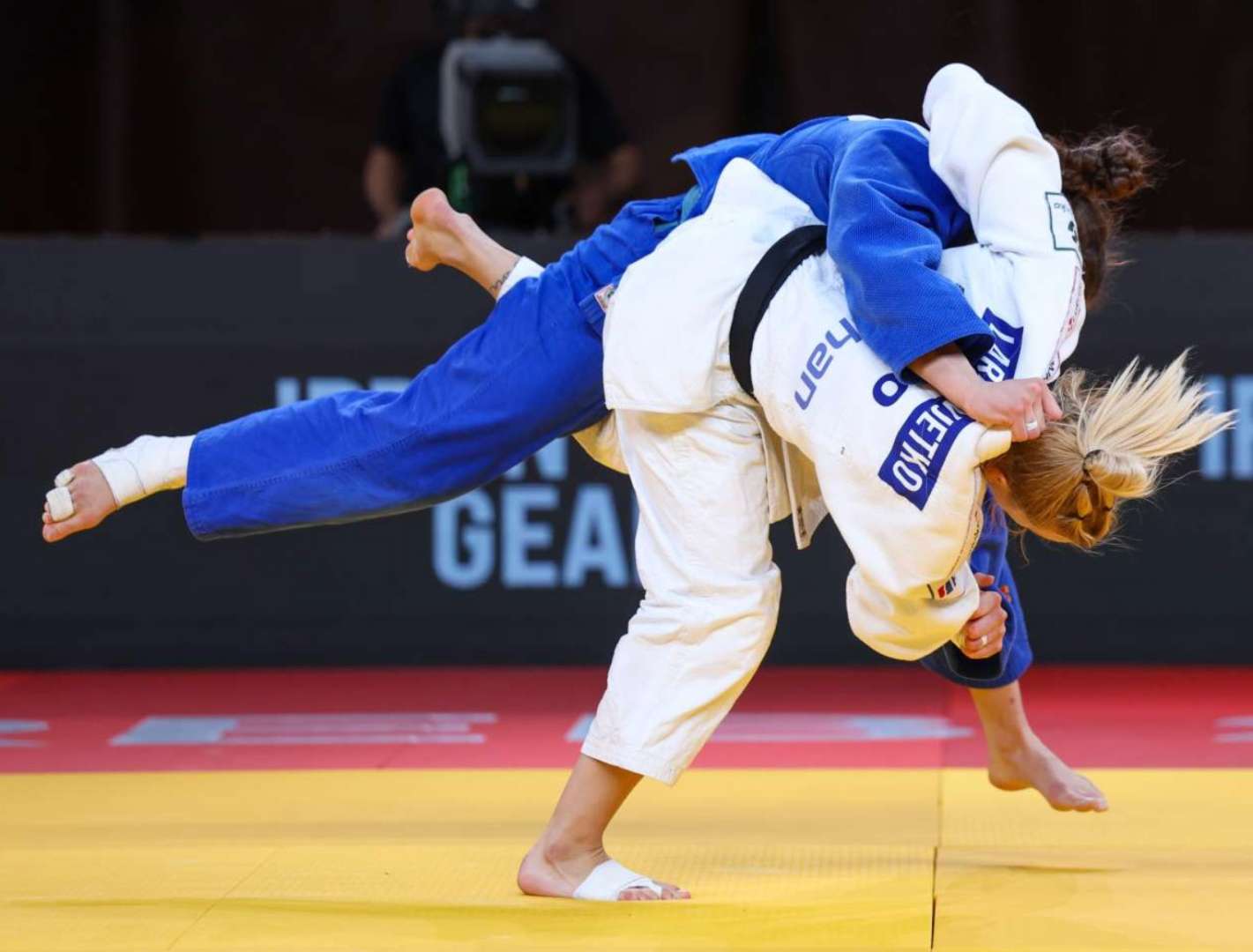
The -70 kgcategory, led initially by Lara Cvjetko (CRO), saw Szofi Ozbas (HUN) take control early with victory in Paris. Despite early setbacks, Aoife Coughlan (AUS) remained active and was rewarded with a silver medal in Tbilisi, while world champion Shiho Tanaka (JPN) added a bronze medal to her list. The category demonstrated how persistence across events can compensate for early losses. As of today, Cvjetko is world number 1, followed by Tanaka, Coughlan and Ozbas, in that order.
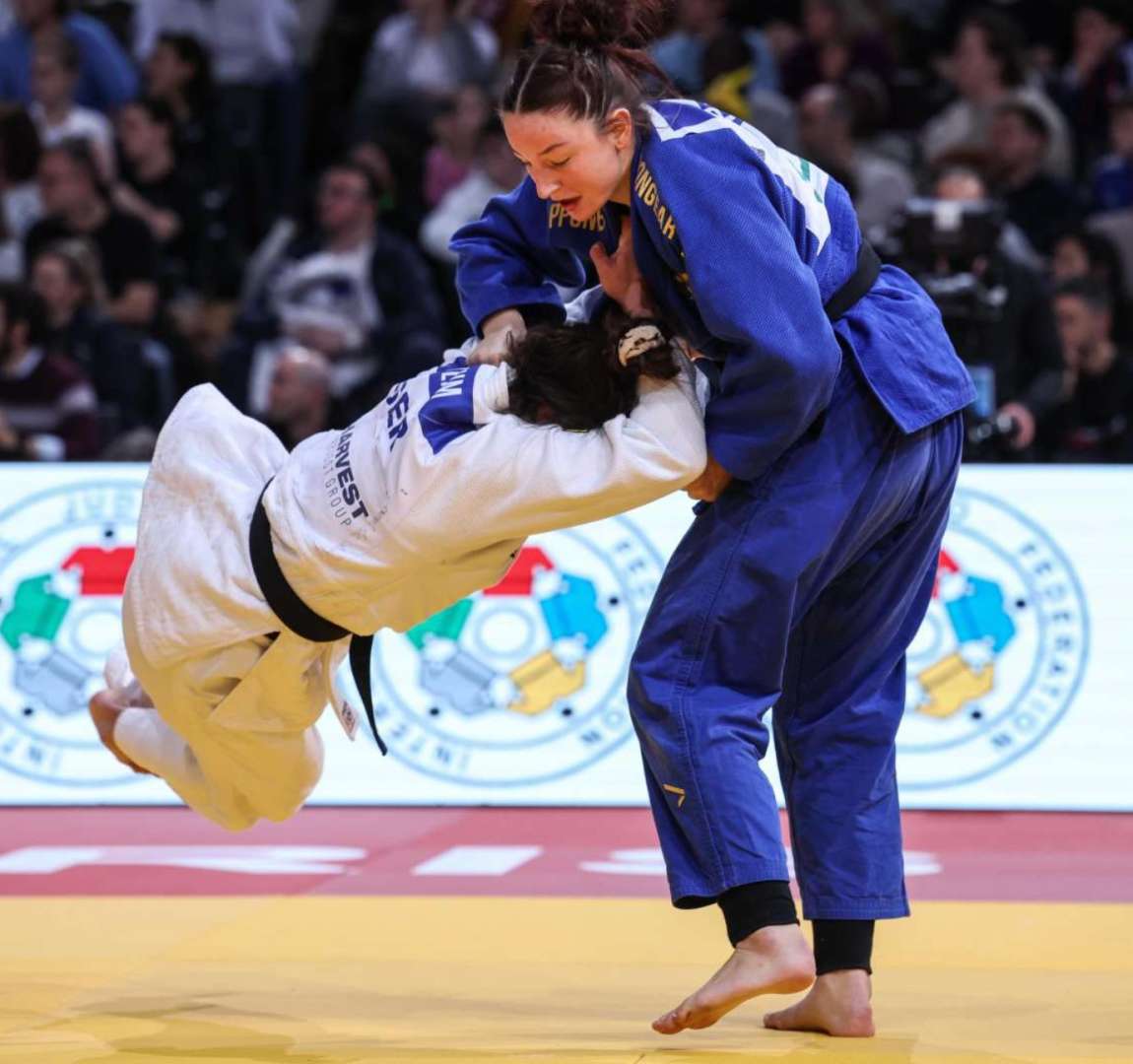
At -78 kg, Patricia Sampaio (POR) began the year at the top, but Alice Bellandi’s (ITA) victory in Paris and Anna Monta Olek’s (GER) consistent results, including a silver medal in Tashkent, defined the category: the German is first, the Italian is in second place and the Portuguese is third, meaning a totally European demonstration of power. With no further participation, the rankings have remained relatively stable.
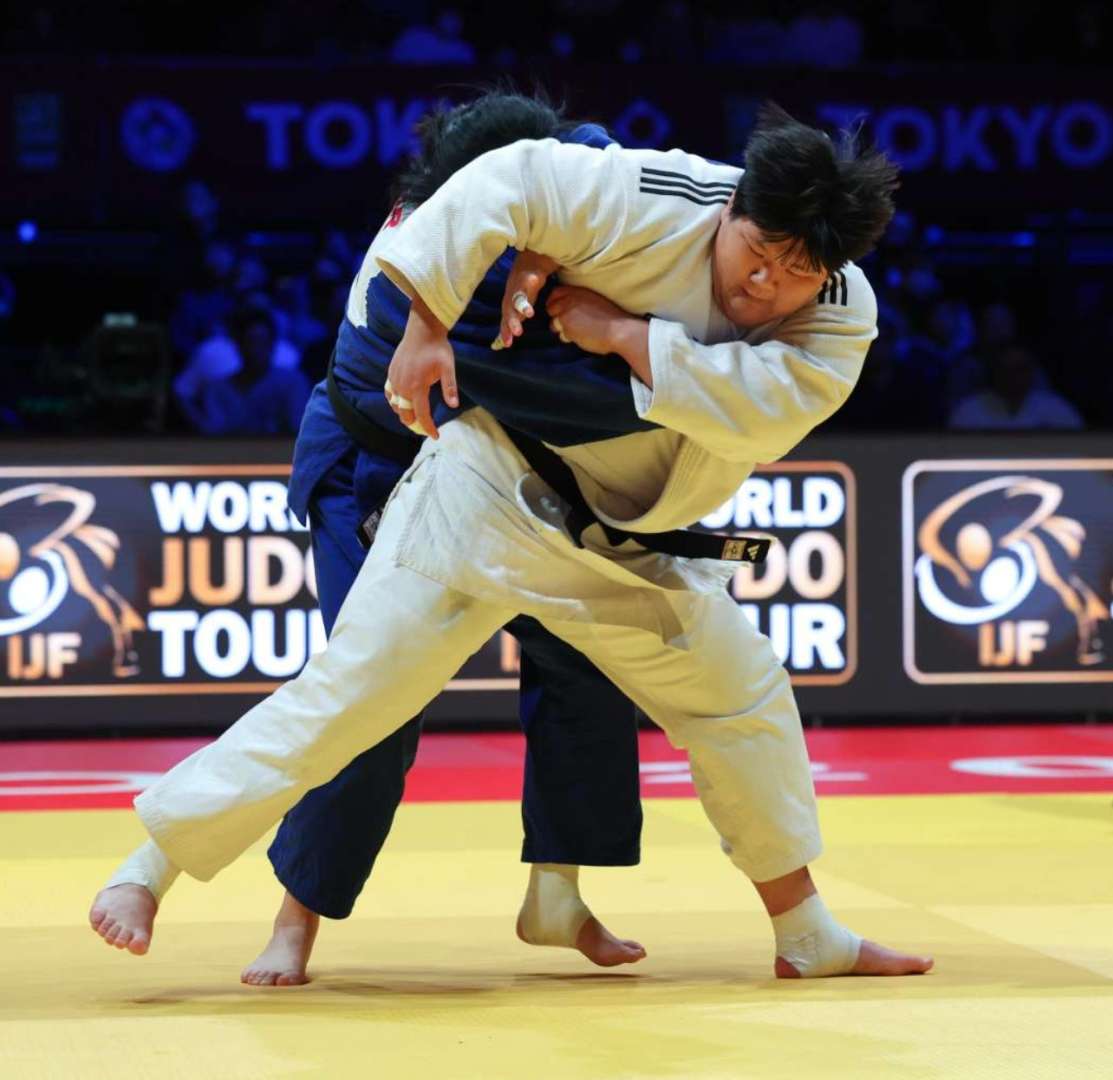
Finally, in the +78 kg category, Hyeonji Lee (KOR) began the year as number one, but Romane Dicko’s (FRA) victory in Paris and compatriot Lea Fontaine’s (#5) silver medal in Tashkent increased the pressure at the top. The decisive shift came in Tbilisi where Raz Hershko (ISR) claimed gold, impacting the rankings significantly and confirming the importance of late-season success. Lee is still #1, Hershko #2 and Dicko is #3.
Beyond individual performances, the early months of 2026 have highlighted the underlying mechanics of the IJF world ranking system. Points earned at competitions count at full value for one year, are reduced to 50% after twelve months and expire after twenty-four months. With the removal of early 2024 results and the reduction of 2025 points, the rankings now reflect recent activity more accurately than ever before.
As the season progresses and the Olympic qualification phase approaches, arriving later in the year with the Ulaanbaater Grand Slam in Mongolia, the importance of strategic participation will only increase. Every contest, every round and every point now plays a critical role. The road to Los Angeles 2028 has begun and the first chapters of the story are already being written on the tatami.