
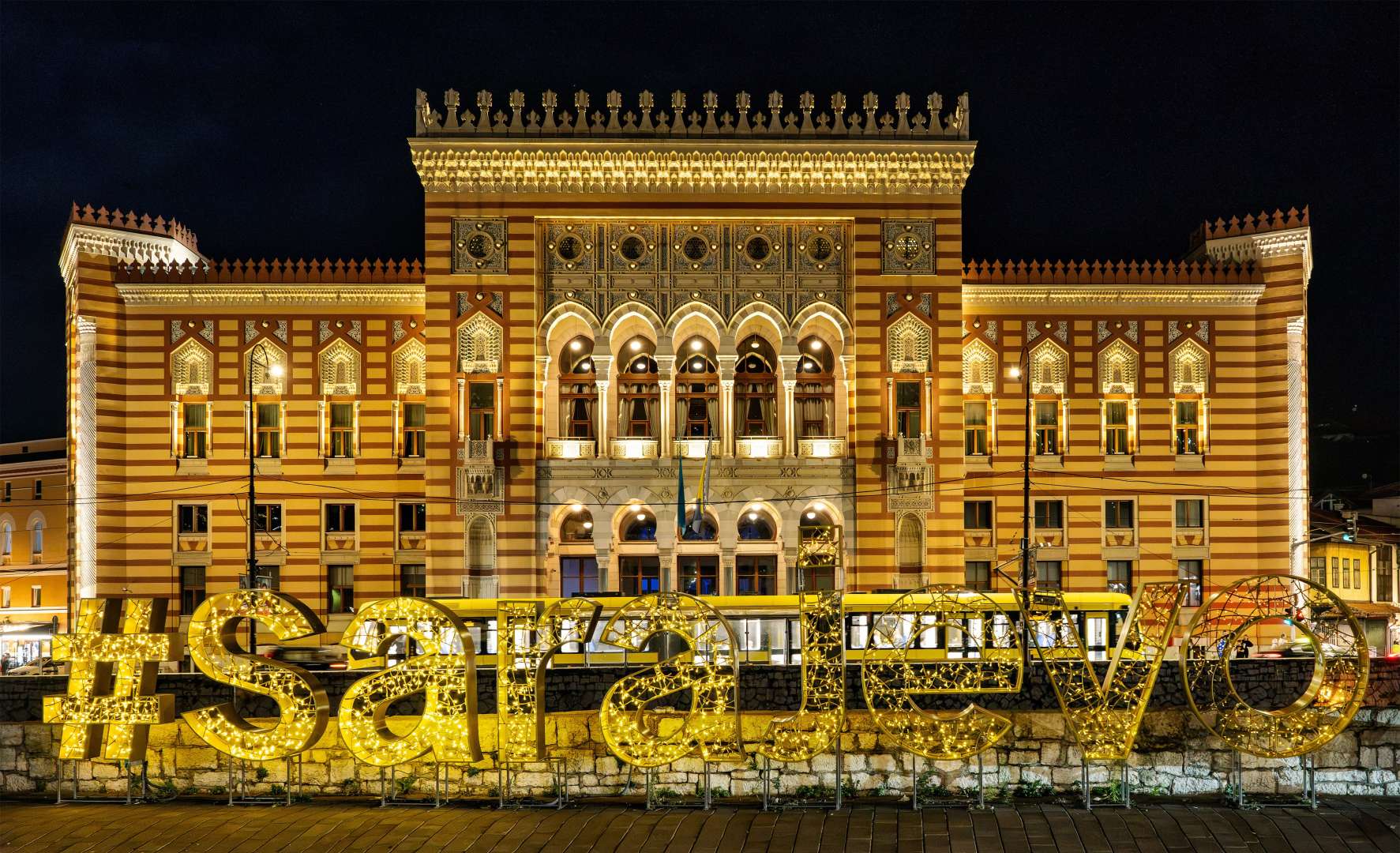
Then came the years of war. Between 1992 and 1995, Bosnia and Herzegovina endured a conflict of immense human cost. Sarajevo itself only just survived through a siege that lasted until 1996, a period from which the scars remain visible in the city and, more deeply, in the memory of its people. To speak of Sarajevo is therefore to speak with care. Its history cannot be simplified and its suffering must never become a backdrop.
Yet Sarajevo is not defined only by what it has endured. It is also a city of extraordinary resilience, a meeting place of cultures and faiths, and a place where life has always found ways to return, through its streets, its cafés, its music, its art and its sport.
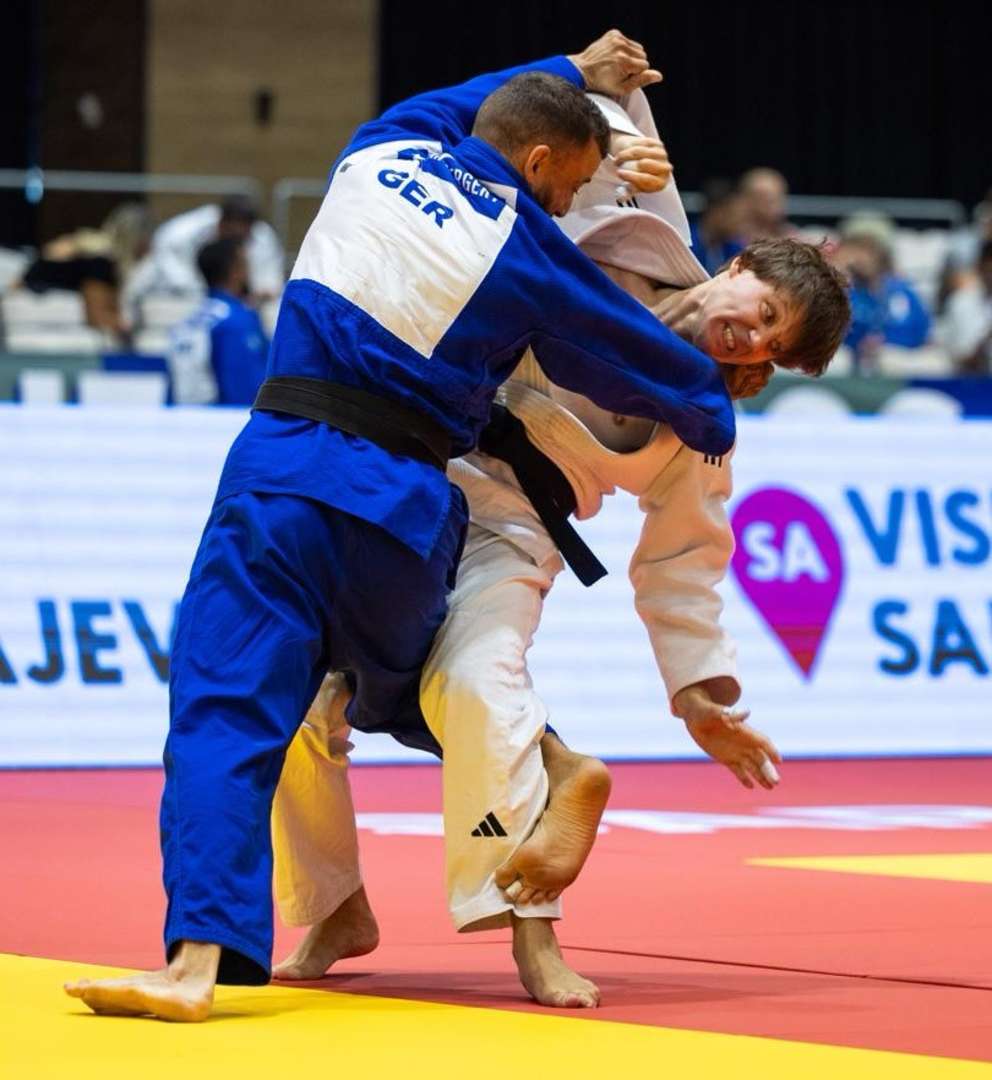
This week, it is judo that has brought the world to Sarajevo. The Sarajevo World Judo Championships Veterans gathers 1,347 judoka from 65 nations and five continents at the arena of Hotel Hills. They have arrived to compete, to meet friends, to test themselves and to write another chapter of their personal judo journey. The symbolism of their presence reaches beyond the competition itself.

Sport does not erase history. It cannot repair every wound, nor can it offer easy answers to the questions left by conflict. What it can do is create a shared space, a place governed by respect, rules, courage and mutual recognition. On the tatami, athletes from different countries, generations and personal histories meet face to face, bow to one another and commit themselves fully to the contest. At its conclusion, they bow again. That simple gesture carries meaning.
Judo was built upon the principles set by Jigoro Kano Shihan. This asks us to understand that individual progress is inseparable from the progress of others. In Sarajevo, that idea finds a particular resonance. The city’s sporting history already holds the memory of the Olympic ideal and today the judo family adds its own voice to that continuing story.
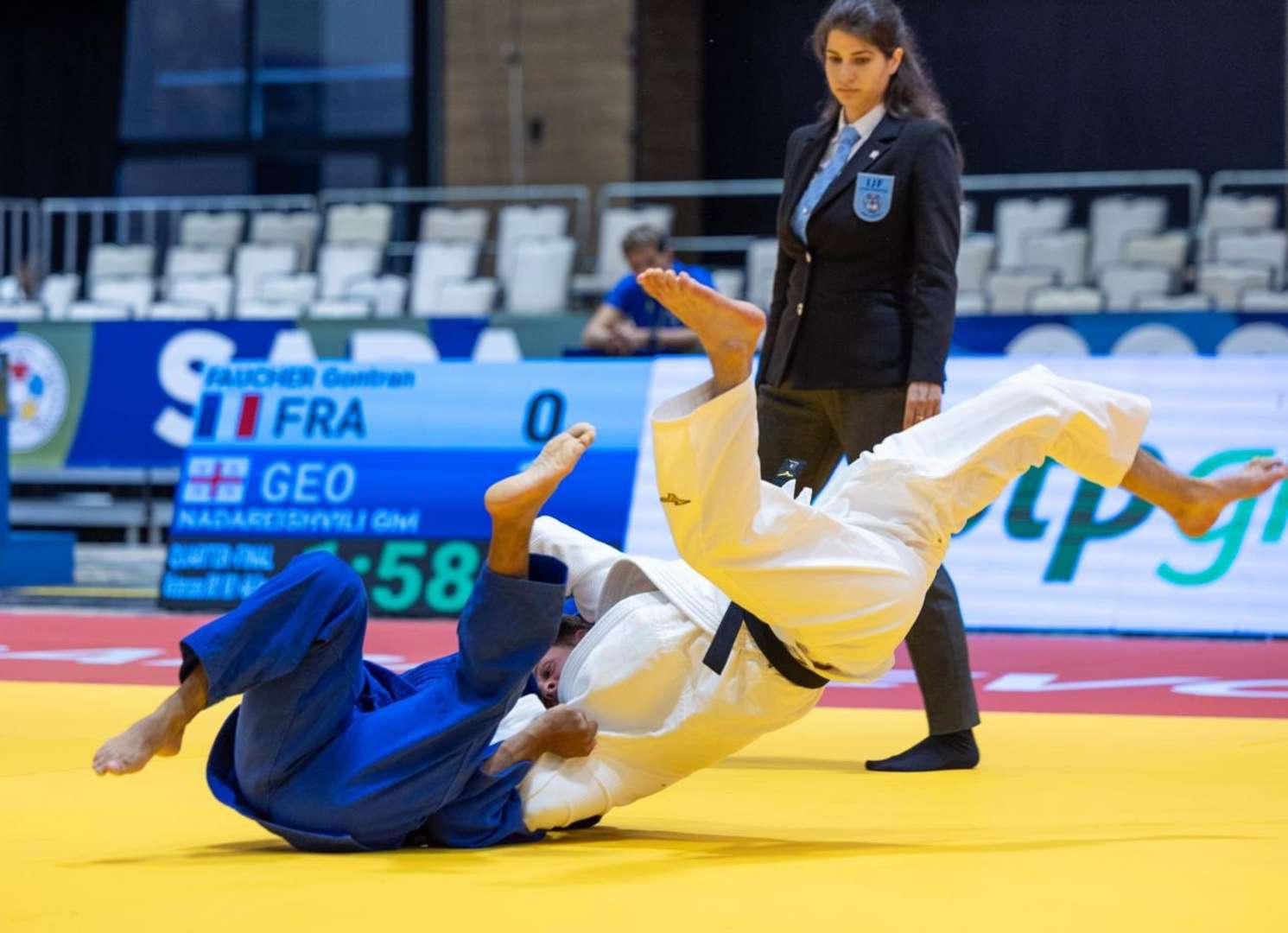
As we already mentioned, there is also a powerful connection between the generations. In 2022, the city welcomed the world’s best cadets. Now, veteran judoka take to the same tatami. The distance between those age groups is considerable but the passion is recognisable. The desire to learn, to improve, to face a challenge and to belong to something larger than oneself does not belong to youth alone.
Many of the competitors are coaches, club leaders, referees and volunteers in their daily lives. They are among the people who introduce children to their first ukemi, who keep local dojos open, who guide young judoka through victory and disappointment, and who preserve the values of the sport from one generation to the next. In Sarajevo, they are competitors once more, but they also remain the living bridge between judo’s past, present and future.
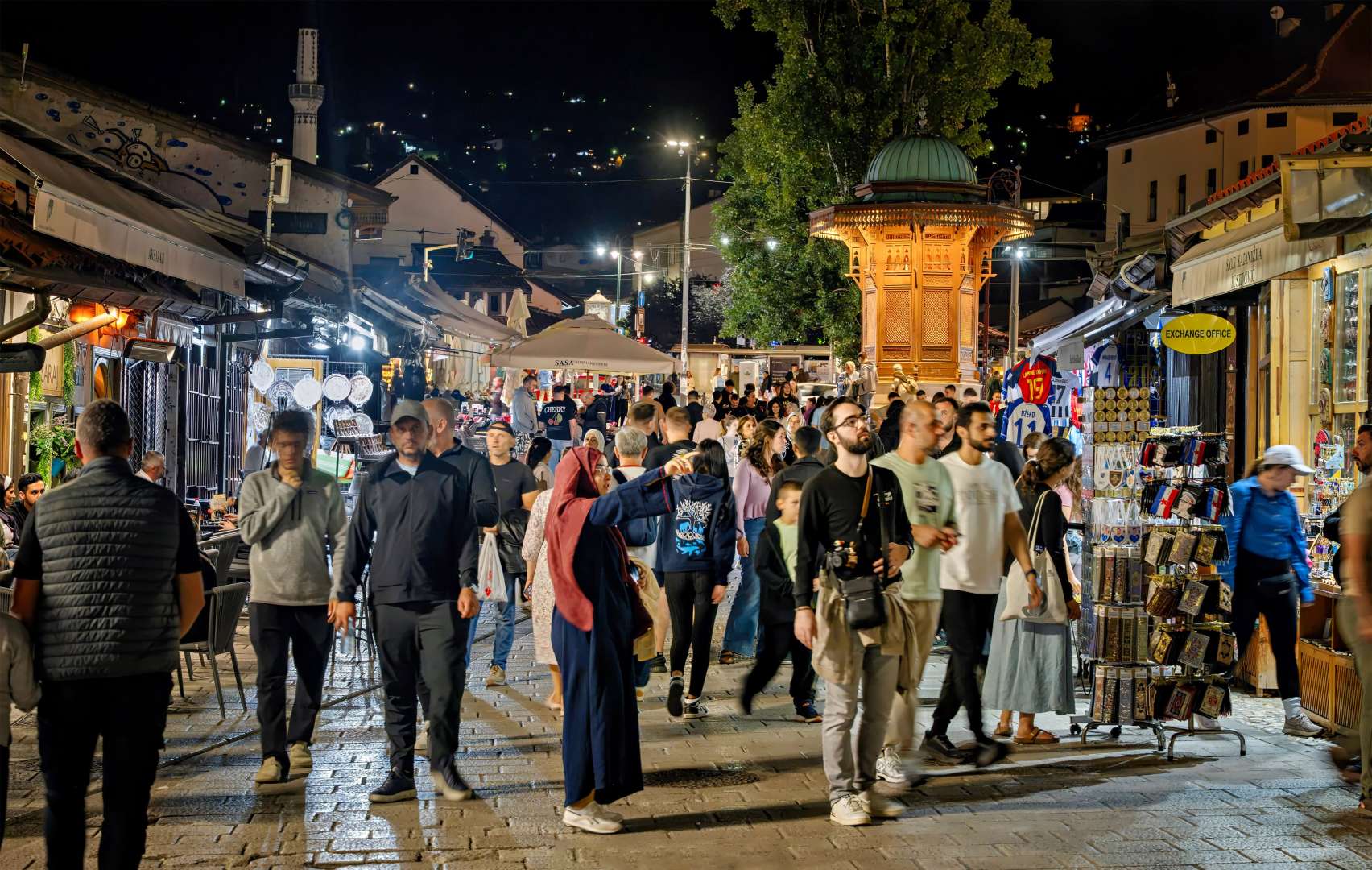
Their arrival does not change Sarajevo’s history. It does, however, offer a modest and sincere reminder of what can grow when people choose encounter over division, respect over hostility and shared effort over isolation. In a city that has known so much, the sound of a hajime is not only the beginning of a contest. It is also the sound of people coming together again.