
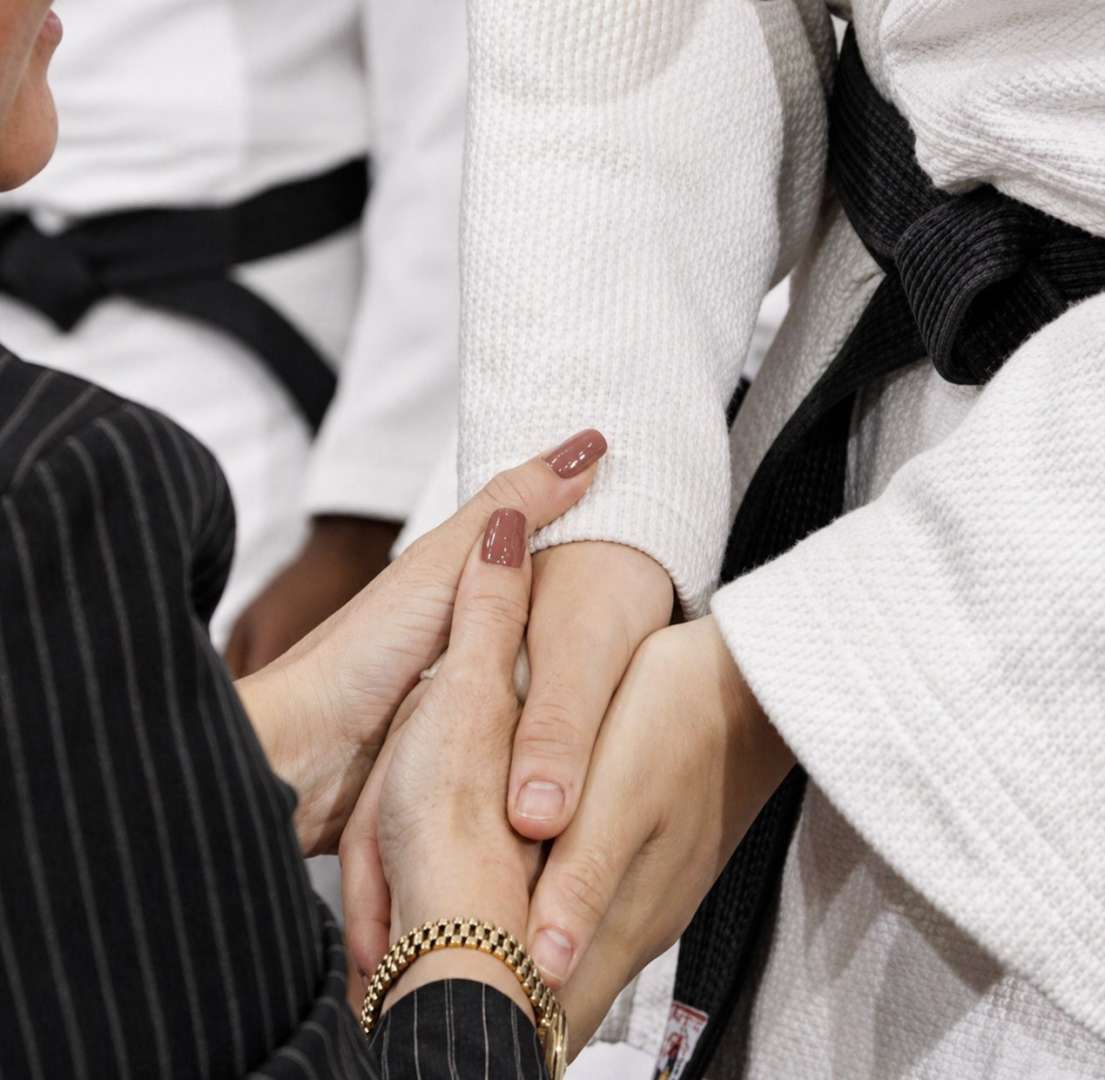
Watch closely and the truth becomes clear. The hands of a judoka are not just tools; they are instruments of perception. Through them, athletes read intention, sense resistance and create opportunity. In many ways, they become the eyes of the athlete. It is no coincidence that Para-judoka can perform at the highest level without sight; their understanding of the fight flows through their hands.
Yet beyond their technical function, hands carry a deeper meaning, one that goes far beyond performance. Estony Pridgeon, Secretary General of the African Judo Union, offers a powerful reflection on this often unseen dimension.
“In judo, hands are everything. They grip, they control, they fight, but in this moment, they do something more.” That moment comes on the podium. The medal has just been placed around the athlete’s neck. The applause is still echoing, and for a brief second, time seems to slow down.
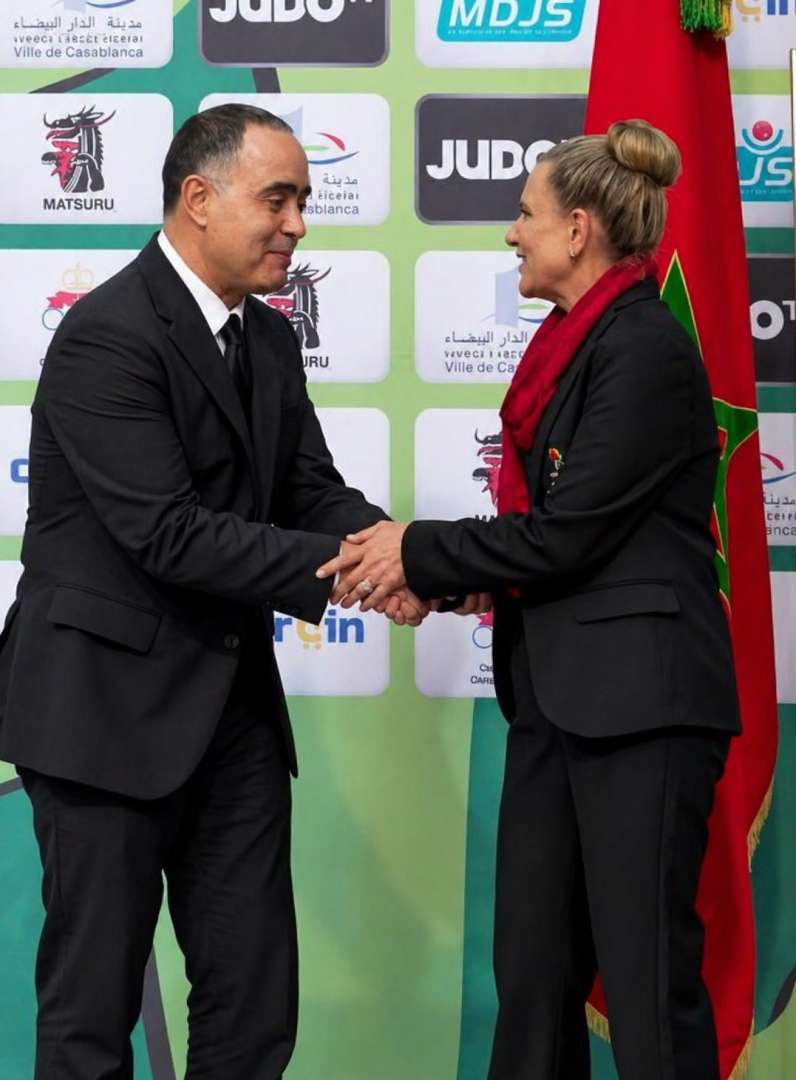
“As I place the medal, there is no rush to move on. Both of us hold on, with both hands. Not out of protocol but out of respect.
Those hands I hold are not just hands. They were taped, worn and tested. They carried the story of every match, every exchange, every moment of resilience on the tatami, and in that brief connection, the roles of athlete and leadership disappear. It becomes something human, from gripping to guiding, from fighting to honouring.”
In that fleeting exchange, something essential is revealed. Judo is not only about victory. It is about the journey, the effort, the discipline, the setbacks and the determination required to stand on that podium.
For Estony Pridgeon, this is what defines the sport at its core. “It’s not just competition, but connection, not just victory, but recognition of the journey its taken to stand there. The hands tell the real story.” And that story does not end with the medal.
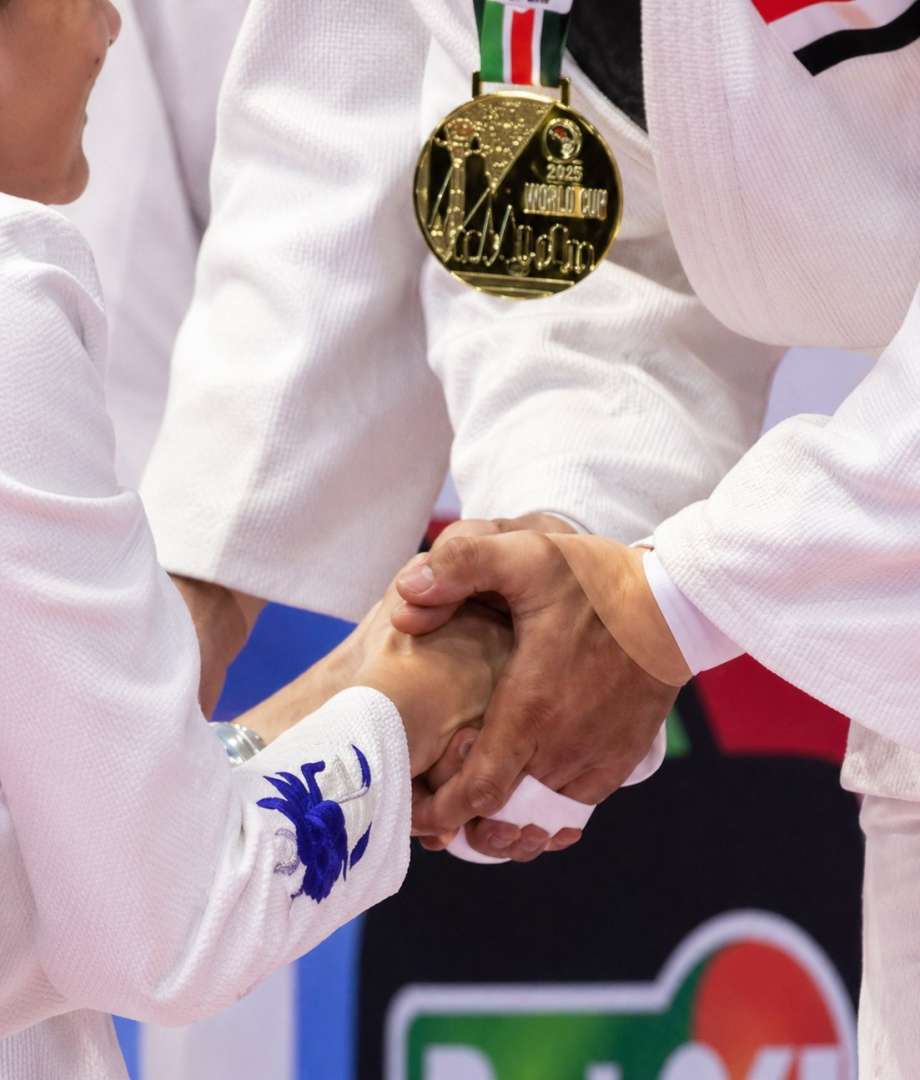
For many of these athletes, this moment is only the beginning. The champions of today will become the coaches, referees and leaders of tomorrow. One day, they too will stand on the other side, placing medals, shaking hands and passing on what they have learned.
The podium represents the goal, one every judoka strives for day after day, but it would mean little without the deeply human dimension that underpins it. Every grip, every fall, every sacrifice leads to that moment of recognition.
In judo, hands may begin the fight, but in the end, they tell the story.